



Reliable Stevia Extract Powder Supply for Global Markets
Today, the food and supplement industries are very competitive, so making sure you have a solid Stevia Extract Powder supply chain is very important for success in the global market. This natural, zero-calorie sweetener comes from Stevia rebaudiana leaves. It meets the strict legal needs of foreign markets while also meeting the growing demand for better options. As companies in the food, cosmetics, and drug industries look for reliable buying partners, it's important to understand how to get stevia so that your business can grow and new products can be made.
Understanding Stevia Extract Powder and Its Market Potential
The global stevia market has grown incredibly quickly. According to industry studies, it will grow at a rate of more than 8% per year until 2028. This growth is due to more people caring about their health and government backing for natural sweeteners in North America, Europe, and the Asia-Pacific area.
Botanical Foundation and Extraction Process
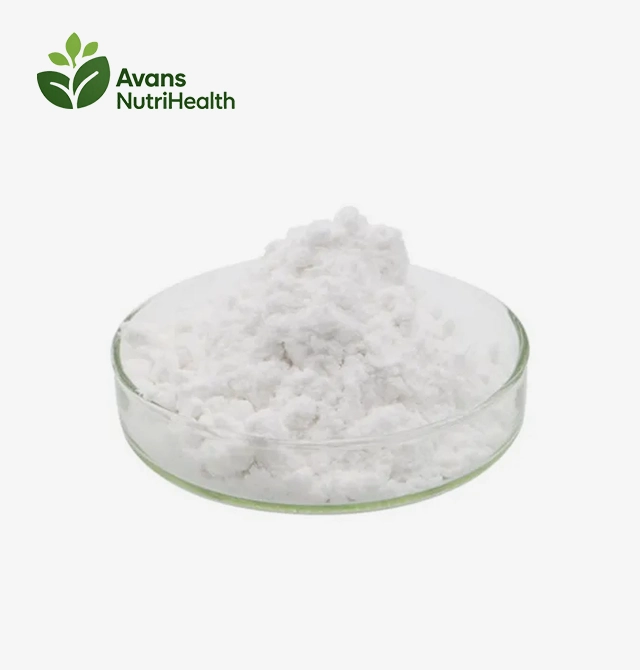
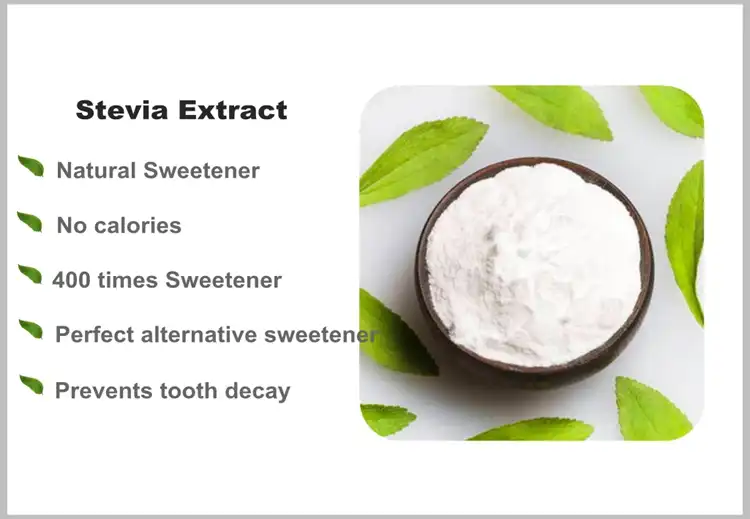
Stevia Extract Powder comes from the Stevia rebaudiana plant, which is native to South America but is now grown all over the world. To separate certain steviol glycosides, mostly Rebaudioside A (Reb A), Rebaudioside M (Reb M), and Stevioside, the extraction process uses water-based or ethanol-assisted methods. When it comes to sweetness, these substances are 200–450 times stronger than sugar while having no calories.
Differential filtering and recrystallization are used to clean professional-grade stevia extracts very carefully. This method gets rid of the rough parts of the plant and concentrates the glycosides that are wanted. This makes the sweetness levels constant, which is important for business uses. Most of the time, the purity levels are between 95% and 99%. Higher concentrations give better taste and fewer problems with aftertaste.
Market Applications Across Industries
Stevia powder can be used in a lot of different ways, not just in food. It can also be used in certain industries. Stevia is used by companies that make nutraceuticals in protein shakes, vitamin supplements, and functional drinks where lowering the amount of sugar in the product helps it stand out. Stevia is used by pharmaceutical businesses as an excipient to hide bitter active ingredients while still following clean labeling rules.
A new area of innovation has grown in the cosmetics industry. Stevia extracts are used as natural moisturizers and taste boosters in lip balms, mouthwashes, and skin care products. This variety gives sellers many ways to make money because they can meet different quality standards and business requirements.
Key Considerations When Sourcing Stevia Extract Powder for Global Markets
To do buying right, you need to carefully look at the skills of suppliers, the details of the products they offer, and their safety standards. Because foreign trade is so complicated, it's important to do a lot of research to make sure that the supply chain works well and that rules are followed.
Product Quality and Specification Analysis
Differentiating between pure and mixed stevia formulations is an important choice when it comes to sources. Pure Stevia Extract Powder only has steviol glycosides in it, while mixed forms have bulking agents like erythritol or inulin added to make them work better in some situations. Each version meets different goals in manufacturing and has a different price structure.
Certifications for organic and non-GMO products add a lot of value, especially for high-end markets. These titles need a lot of paperwork and proof by a third party. This makes supplier transparency very important for choices about buying. Some of the quality factors that must match the needs of the final market are the amount of wetness, ash, heavy metals, and bacterial safety.
Certification and Compliance Framework
To get into foreign markets, you need to have international licenses. BRC (British Retail Consortium) certification makes sure that food safety management systems meet international standards. HALAL and KOSHER certifications help businesses reach new customers in certain groups. Different areas have different organic certifications, so sellers need to keep up with various certifications to cover all of their markets.
ISO standards show that quality management is done in a planned way, which is important for business-to-business relationships. In order to support long-term supply ties, these rules cover things like how to make things, how to take care of the environment, and how to keep workers safe on the job. Professionals in procurement should check the validity and breadth of certifications to make sure they meet the needs of specific operations.
Supply Chain Infrastructure Evaluation
When shipping goods internationally, packaging issues have a big effect on how well the goods stay intact. Bags lined with aluminum and flushed with nitrogen keep the product stable, and bulk packing choices lower the cost per unit for large-volume uses. Specifications for shelf life usually say between 24 and 36 months if stored properly, which means that transportation networks need to be climate-controlled.
Protocols for storage and handling become very important for keeping product quality high along long supply lines. Changes in temperature, exposure to humidity, and the risk of contamination all need thorough protection plans that dependable providers build into their supply chains.
Procurement Best Practices for Stevia Extract Powder in B2B Markets
Strategic methods for buying reduce risks while improving quality and cost structures. To reach their sustainable buying goals, professional buyers have to find a balance between a number of factors, such as changing prices, consistent quality, and the dependability of their suppliers.
Requirements Definition and Supplier Evaluation
Setting clear standards gets rid of confusion in relationships with suppliers. Before engaging a provider, it is important to have a clear understanding of the purity grades, steviol glycoside ratios, organoleptic characteristics, and functional performance factors. These standards should match the needs of the finished product and the rules in the target markets.
Price benchmarking involves looking at quotes from several suppliers and taking into account the total cost of ownership, which includes costs for things like shipping, insurance, and quality control. Market price volatility for Stevia Extract Powder reflects raw material availability, currency fluctuations, and regulatory changes that smart buyers are always keeping an eye on.
Risk Mitigation and Quality Assurance
Verification through third-party testing gives claims made by suppliers an extra layer of security. Standardized methods should be used by accredited labs to check samples for purity, contaminants, and useful properties. To make sure uniform quality delivery, this testing method should include checking incoming materials, keeping an eye on work-in-progress, and checking finished products.
Diversifying the supply line lowers the risks of dependence that come with working with a single source. Qualified alternative providers make it possible to plan for continuation and give you negotiating power. Geographic diversity lowers the risks even more that come from natural disasters, unstable governments, or changes in the rules that affect certain areas.
Logistics and Regulatory Navigation
Different countries have very different shipping rules, so you need to know a lot about customs paperwork and import permits, and follow the rules. Harmonized tariff codes, requirements for certificates of analysis, and labeling standards all need to be carefully followed to avoid delays or rejections at border points that cost a lot of money.
Getting through customs quickly relies on having accurate paperwork and working with freight forwarders who know how to move food ingredients. Transporting goods at controlled temperatures keeps their quality, and having the right protection protects against loss or damage claims during shipping.
Optimizing Product Application and Usage Guidance
To successfully add stevia, you need to know about the chemistry of formulation and the handling issues that affect the quality of the end product. Superior sellers are different from commodity providers because they have technical knowledge in application creation.
Formulation Chemistry and Performance Optimization
When it comes to pH stability and taste interaction, beverage uses have their own problems. Stevia Extract Powder keeps its chemical stability in acidic settings where artificial sweeteners might break down, which helps it last longer. However, because of its unique delayed sweetness start, it needs to be mixed with other sweeteners in order to achieve the intended taste profiles.
Some uses for stevia include baking and candy making because it is very stable at temperatures above 200°C and doesn't break down. Stevia doesn't combine with Maillard reactions like sugar does, so it needs to be mixed with other ingredients in a different way to get the color and structure you want. When sugar isn't enough to hold baked goods together, bulking agents are needed.
Dosage Optimization and Safety Considerations
Scientific studies on stevia's safety back up its GRAS (Generally Recognized as Safe) standing in most regulatory areas. The FDA set an Acceptable Daily Intake (ADI) of 4 mg/kg body weight for steviol glycosides, which gives businesses a lot of room to be safe. The European Food Safety Authority's standards are in line with these suggestions, which makes it easier for companies around the world to come up with new products.
To get the best dose, you need to know about sweetness equivalency ratios and physiological effect limits. Levels of use usually fall between 0.05% and 0.2%, based on the application and the amount of sweetness that is wanted. If you use too much, it can add bitter or metallic sounds that make people not want to buy the product. This is why careful formulation control is so important.
Troubleshooting Common Formulation Challenges
Getting rid of aftertaste is a common technical problem that needs complex preparation methods. High-purity Reb A and Reb M parts reduce the bitter notes that come with lower-grade extracts, and flavor hiding agents can make the taste even more acceptable. Citric acid, vanilla flavors, and certain amino acid mixtures that work well with stevia's sweetness profile are examples of natural masking substances.
Depending on the application matrix, changing the pH or adding co-solvents may be needed to improve solubility. Particle size reduction and clumping methods that improve dispersion properties make it easier for substances to dissolve in cold water. These changes to the processes make it easier to add to different types of products while keeping the performance the same.
Why Choose Avans as Your Trusted Stevia Extract Powder Supplier?
Avans NutriHealth Co., Ltd. stands out by offering top-notch quality control methods, modern manufacturing skills, and service that is focused on the needs of its customers. We are dedicated to greatness in every step of the supply chain, from finding the raw materials to delivering the finished product.
Quality Assurance and Manufacturing Excellence
Our cutting-edge production plant follows strict quality control rules that go above and beyond what is required by international law. With a yearly production capacity of more than 1,000 tons, we can guarantee a steady supply while also making sure that the quality is the same from batch to batch. Our team of more than 100 skilled workers has decades of experience in methods for extracting and cleaning plants.
Advanced analysis tools let you keep an eye on quality in real time during all stages of production. High-tech tools like HPLC, mass spectrometry, and taste evaluation panels make sure that our Stevia Extract Powder exactly meets the needs of our customers. Temperature-controlled storage areas and nitrogen-flushed packing methods keep the quality of the product high from the time it is made until it is delivered.
Comprehensive Certification Portfolio
Avans has a lot of different certificates, such as ISO system certification, HALAL, KOSHER, BRC, and organic certifications, which help them sell their products all over the world. These licenses are regularly checked and renewed to make sure they keep up with changing standards. Our recording systems make it possible to track everything from the sources of the raw materials to the distributors of the produced goods.
Our production methods are based on international quality standards, which make sure that they always meet the requirements of different regulatory settings. Our quality management systems combine safe work practices with environmentally friendly ones. This shows that our company is responsible in every way we do business.
Customer Partnership and Technical Support
Our focus on the customer means that we value working together with you in ways that go beyond just buying and selling. Technical support services help customers come up with new ideas by giving them help with planning, application development, and fixing. Customization features let you make solutions that fit the needs of a specific product or market.
Dedicated account management makes sure that contact is quick and problems are fixed before they happen. Our global transportation network makes it easy to send packages to places around the world and keeps the cold chain intact when needed. Customers can get the packing they need for a wide range of uses, from small-scale tests to large-scale production.
Conclusion
Reliable Stevia Extract Powder supply chains are essential for industrial processes around the world in the food, pharmaceutical, and nutraceutical businesses. In today's competitive market, providers need to have professional know-how, excellent operational skills, and a strong commitment to quality standards. This all-around method is shown by Avans NutriHealth Co., Ltd., which offers steady product quality backed by a lot of certifications and service that is focused on the customer. When you combine our advanced production skills with our deep knowledge of the industry and our global transportation know-how, you get the best partner for businesses that want to find long-term solutions for getting stevia.
FAQ
What are the primary health benefits of stevia extract powder?
Stevia Extract Powder has many health benefits, and since it has no effect on blood sugar, it can be used in diabetic formulas and weight control products. Clinical tests show that it may be good for your heart and has antioxidant qualities. Unlike artificial sweeteners, stevia supports clean label efforts across a wide range of product categories and makes promises about its natural origin.
What dosage guidelines should manufacturers follow for stevia extract powder?
Depending on the product and the amount of sweetness you want, the recommended levels are usually between 0.05% and 0.2%. Stevia is very strong, so lower concentrations are usually needed for beverage uses. On the other hand, higher concentrations may be needed for baked goods to make up for the fact that complex patterns make sweetness seem less sweet. Always use sense tests to find the best dose for each formulation.
Which certifications validate stevia extract powder authenticity?
Some important certifications are non-GMO proof, organic designations from reputable groups like USDA Organic or EU Organic, and food safety certifications like BRC or SQF. With HALAL and KOSHER approvals, you can reach certain types of customers. Third-party testing by approved laboratories adds to the proof that the product is pure and free of contaminants.
Partner with Avans for Premium Stevia Extract Powder Supply
Avans NutriHealth Co., Ltd. is ready to help you meet your global buying needs with high-quality Stevia Extract Powder that comes with a full quality guarantee and foreign certifications. Our production know-how, ability to make changes easily, and reliable logistics networks make sure that we can easily fit into your supply chain processes. Email our expert team at Lillian@avansnutri.com to talk about your unique needs, get samples of our products, or look into bulk pricing choices that are perfect for your manufacturing needs. As the top company that makes stevia extract powder, we offer steady quality and excellent service that helps you come up with new products and be successful in the market.
References
1. Global Stevia Market Analysis: Trends, Growth Drivers and Regional Outlook 2024-2030. International Food Technology Research Institute.
2. Steviol Glycosides in Food Applications: Processing Stability and Sensory Optimization. Journal of Food Science and Technology.
3. Regulatory Framework for Natural Sweeteners in Global Markets: Compliance Strategies for International Trade. Food Regulation Quarterly.
4. Supply Chain Management in Nutraceutical Ingredients: Best Practices for Quality Assurance. Industrial Procurement Review.
5. Stevia rebaudiana: From Plant to Product - Manufacturing and Quality Control Perspectives. Natural Product Processing Journal.
6. Comparative Analysis of Natural vs. Artificial Sweeteners in Commercial Applications. Food Industry Research Bulletin.