




Looking for Low-Calorie Powdered Isomalt in Bulk?
If you're looking for a solid sugar replacement that is good for you and your performance, wholesale powdered isomalt is the best choice. We know how hard it is for buying managers to meet tight production plans while also keeping costs low and quality high. Buying this high-performance sweetener in large amounts keeps the supply chain running smoothly, keeps prices low through economies of scale, and gives you the freedom to meet the growing demand for better options on the market. This detailed guide tells you everything you need to know about buying powdered isomalt in bulk, from the technical details to how to choose a seller.
Understanding Powdered Isomalt: Properties and Benefits
What Makes Powdered Isomalt Different from Regular Sugar
Wholesale powdered isomalt is a clever step forward in the technology used to replace sugar. This polyol-based sweetener comes from sugar beets by changing isomaltulose into a different form and then hydrogenating it. It is made up of two equal parts, called 1.6-GPS and 1.1-GPM. Powdered versions differ from granular versions because they are milled mechanically to achieve specific mesh sizes, which are usually 200 mesh or smaller. This improvement changes the solubility dynamics and mixing abilities in a big way, which improves it for uses that need fast dissolution or even distribution. The substance is about half as sweet as sucrose, but it only has 2 calories per gram, while sugar has 4 calories per gram.
Health and Dietary Advantages for Modern Formulations
The nutritional makeup of this ingredient puts it in a prime place for health-conscious product creation. From working with nutraceutical companies, we know that recipe teams like how it has a low glycemic effect (about 2 on the glycemic index scale, compared to 65 for table sugar). Because of this, it works really well for diabetic-friendly goods without affecting the way it tastes. It is good for your teeth because it doesn't let mouth bacteria process it, which stops them from making acid that causes cavities. Companies that want to reach people on the ketogenic diet like that it works with low-carb macronutrient ratios, and brands that care about allergens like that it is naturally gluten-free and doesn't contain any common allergens.
Technical Performance Characteristics
In addition to their nutritional value, the functional qualities solve important problems in production. Its very low hygroscopicity stops sweets from "weeping," which happens a lot in places with a lot of dampness. This makes the product last a lot longer. The substance stops the Maillard reaction from turning the color brown during heat processing, keeping the crystal-clear look that is needed for sugar arts and useful coatings. Its direct compression powers in tableting processes are especially liked by pharmaceutical clients, who often don't need to use any extra binders. Because of these technological benefits, production costs go down, and product quality stays the same across batch runs.
Wholesale Powdered Isomalt Procurement: What B2B Buyers Should Know?
Packaging Configurations and Minimum Order Quantities
Buying things for industry usually involves choosing packaging that is efficient and lasts a long time. Standard designs include 25-kilogram multi-wall paper bags with plastic liners inside. These bags protect the goods and are also easy to handle. Large businesses often choose to ship in 500-kilogram or 1000-kilogram flexible intermediate bulk containers, which makes handling in the warehouse easier and lowers the cost per unit. Minimum order amounts range from a single pallet (about 1 metric ton) to full container loads of 20 to 25 metric tons, depending on the supplier's ability. We've noticed that setting up regular buying schedules with providers often lets you get better prices and faster service during times of high demand.
Cost Factors Influencing Wholesale Pricing
The final landing cost of bulk isomalt powder depends on several factors. The main thing that affects costs is where the raw materials come from. Because of strict farming standards, European beet sugar products usually cost more, but other places may have more competitive prices. Getting certified adds to the costs, but it's necessary to enter certain markets. Products with organic certifications usually cost 15-20% more than regular grades. Specifications for particle size also affect prices, since getting smaller mesh profiles takes more milling steps. Transportation is also a big part, especially for foreign transfers, where freight rates change based on how many containers are available and how much fuel costs. To keep prices from changing too much, smart procurement teams often arrange yearly contracts with price-lock clauses.
Storage and Handling Best Practices
To keep the product pure from the time it is received until it is produced, we must follow certain environmental rules. The best conditions for keeping are places with low humidity (ideally below 60% relative humidity) and temperatures between 15°C and 25°C. Even though powdered isomalt is better at resisting wetness than sugar, it can still clump if it is exposed to damp conditions for a long time, which makes doses more difficult. To keep condensation from moving, we suggest keeping containers on boards instead of directly on concrete floors. Using first-in, first-out inventory movement ensures that we use up materials within their normal 24-month shelf life. You can keep flavors from getting messed up more easily by storing them in areas that aren't near aromatic compounds. This is especially important for pharmaceutical and nutritional uses that have strict requirements for product quality.
Comparing Powdered Isomalt with Other Sweeteners: Making the Right Choice
Caloric and Sweetness Profile Comparison
Knowing how different sweeteners work helps buying teams make smart choices about what to use instead. Because wholesale powdered isomalt has a 50% sweetness strength compared to sucrose, recipe changes usually require using twice as much to get the same sweetness perception. Erythritol, however, is 60–70% sweeter and also cools things down, so it may not suit all uses. When it comes to sweetness, xylitol is almost exactly the same as sugar. However, it costs more per kilogram and may cause stomach problems at high levels of use. Isomalt has 2 calories per gram, which puts it between sugar substitutes like maltitol (2.1 calories/gram) and those that don't have any calories, like erythritol (0.2 calories/gram). The final choice relies on the needs of the application, such as focusing on taste, calorie reduction, or cost-effectiveness.
Application-Specific Performance Differences
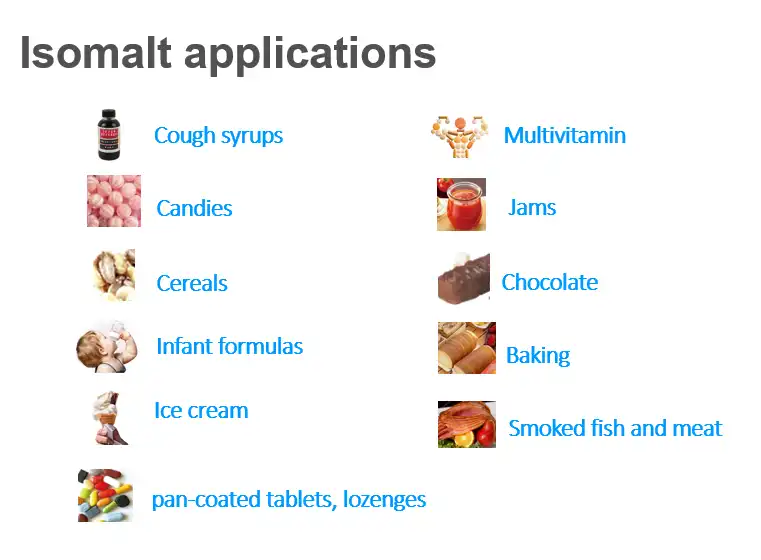
Different production settings show that sugar alcohols work in different ways. When making hard sweets, candy makers discover that isomalt gives them the best clarity and resistance to graining when cooled. These benefits aren't as strong with sorbitol or maltitol. When you use it in baking, you need to think about different things. For example, erythritol can make baked goods too dry, while isomalt helps retain moisture and prevents browning. However, the recipe must be adjusted to account for isomalt's lower sweetness. Isomalt is easier to crush than xylitol, which tends to become flexible when pressed. This is helpful for companies that make pharmaceutical tablets. We've worked with product makers who chose different polyols at first because they were cheaper, but then had to change their minds and use isomalt instead because the other polyols weren't working well or didn't taste good.
Certification and Quality Considerations
More and more, getting into a market relies on meeting certain approval standards that change based on location and end-use. To obtain organic certification, you must provide proof that the materials come from certified organic farms where people have not been exposed to manmade pesticides. These materials are more expensive but give people access to natural product markets that are growing quickly. Religious food needs are important for some markets in the Middle East and North America, and HALAL and KOSHER approvals meet those needs. BRC approval shows that you follow the food safety standards set by the British Retail Consortium. Such certification is often needed for shipping to Europe. The certification environment is based on the legal needs of the end market. For example, USP or EP grade materials may be needed for pharmaceutical uses, while food-grade standards are enough for confectionery. During seller qualification, procurement teams should ensure that certification standards are in line with target markets to avoid delays or costly efforts to change the product.
How to Use Powdered Isomalt Effectively in Confectionery and Baking?
Dissolution and Heating Techniques
Understanding heat processes is the first step to effective use. Isomalt powder melts at temperatures between 145 and 150°C, which is lower than the freezing point of sucrose, which is around 186°C. Because of this difference in temperature, the heating tools and process time need to be readjusted to avoid burning or incomplete dissolution. We recommend cooking slowly and turning the food all the time to make sure that the melting is even and that hot spots don't form, which can cause caramelization in one area. Isomalt doesn't change color much when heated, as sugar does, so it stays clear at all temperatures. The material doesn't change much in thickness across the working temperature range. This means that it can be shaped and made longer, which is very helpful when making complicated candy designs or large batches.
Recipe Adaptation Strategies
To change current recipes from sugar to powdered isomalt, more than just weight changes need to be made. The 50% sweetness level means doubling the weight, which changes the balance of wetness, the taste, and the way the food feels in the mouth. When the water factors change, reducing the amount of liquid ingredients by 10 to 15 percent often resolves the problem. Changing the baking temperature, usually by 10 to 15°C, stops Maillard processes that cause too much burning, which doesn't happen with isomalt. To keep the right amount of moisture in finished goods after changing the texture, humectants like glycerin may need to be added. When companies change formulas, it's beneficial to do small-batch trials with small changes. They should write down these changes to set standard production procedures before moving on to full commercial runs.
Troubleshooting Common Processing Challenges
When working with isomalt, production teams sometimes have problems with crystals, especially when the mixture is cooling. This usually happens when the mixture doesn't get heated enough (it doesn't hit the full breakdown temperature) or when contamination introduces seed crystals. You can avoid these problems by keeping handling tools very clean and reaching full melt temperatures. When finished goods are gritty, it generally means that they didn't dissolve all the way or that they cooled down too quickly, stopping the formation of the amorphous structure. You can solve this problem by using controlled cooling procedures with set temperature ramp rates. You can lessen concerns about clumping during long storage times by keeping the surroundings dry and making sure the containers are properly sealed. When production stops, we've found that powder kept in sealed cases in stores with controlled humidity stays flowable for months without getting much worse.
Selecting the Best Powdered Isomalt Supplier for Your Business Needs
Certification and Quality Assurance Standards
When evaluating a supplier, quality control methods and credentials for following the rules must come first. Getting ISO 9001 approval shows that you obey the rules for quality management, and ISO 22000 is all about managing food safety. HACCP certification means that we use organized hazard analysis methods throughout the production process, which lowers the risk of contamination. Check the analytical testing options in addition to management system certifications. Reliable suppliers test batches for particle size distribution using laser diffraction; loss on drying to make sure the moisture content is below 5.5% for dihydrate forms; and HPLC analysis to make sure the 1:1 GPS-to-GPM ratio that guarantees consistent performance. Microbiological requirements should show that the total plate counts are less than 1000 CFU/g and that bacteria like Salmonella and E. coli are not present. When a source is being qualified, ask for certificates of analysis for recent production runs to make sure that the tests were done correctly and that the results were consistent.
Value-Added Services and Support Capabilities
Better sellers set themselves apart by offering services that go beyond just selling goods. Private labeling lets brands sell goods under their names while still using the knowledge and capacity of the manufacturer. Custom packaging choices, such as different bag sizes and labeling needs, make it easier to receive items and keep track of your goods. Technical support is very helpful when making new formulations or resolving problems. Suppliers with dedicated applications labs can do tests and give you formulation advice that is specific to your goods. Flexible transportation plans, like shipping items together with other items or setting up just-in-time delivery times, improve working capital by lowering the costs of keeping goods. We've noticed that providers who offer full paperwork support, such as allergen statements, nutritional data sheets, and letters of regulatory compliance, make it a lot easier for quality assurance teams to do their jobs.
Evaluating Manufacturing Capacity and Reliability
A production capability review makes sure that providers can meet both the needs of the present and the needs of the future. A production capacity of more than 1000 metric tons per year shows a large manufacturing size, which lowers the risk of supply disruptions when demand goes up. Established providers usually keep enough safety stock to cover a few weeks of production, just in case there are any delays. Lead times and transportation expenses are affected by where the goods are shipped from. For example, local suppliers may charge more but offer faster replenishment cycles, while foreign sellers need longer planning horizons that must be weighed against possible cost benefits. Refer to the supplier's list of clients. Working with well-known names in the food, nutrition, and medicinal industries shows that they can be trusted to provide high-quality products. References from current clients in your industry can tell you a lot about how quick, consistent, and good at solving problems you are.
Conclusion
Finding large amounts of low-calorie wholesale powdered isomalt is a business choice that affects the quality of the product, the cost structure, and the company's ability to compete in the market. The technical benefits, such as better resistance to moisture and temperature changes, help with real production problems and meet buyer's desire for healthier options. To be successful at buying, you need to balance many different factors, such as making sure that the supplier's skills and the size of your production run smoothly and making sure that the quality standards are met so that the product always works well. Comparing powdered isomalt to other sweeteners shows that while each polyol has its own benefits, it is powdered isomalt that offers the best mix of usefulness, taste qualities, and processing flexibility for a wide range of uses. Spending time carefully reviewing suppliers and forming partnerships with dependable makers builds supply chain stability that helps a business grow over the long term.
FAQ
Is powdered isomalt safe for diabetic and ketogenic diet products?
Because it has a very low glycemic index (about 2), powdered isomalt is a great ingredient for diabetic recipes. This is because table sugar has a glycemic index of 65. Clinical studies show it raises blood sugar levels only slightly, so it can be used in products safe for diabetics. The low net carbohydrate content makes it compatible with the ketogenic diet. The total carbohydrate count includes sugar alcohol, but the small amount that is absorbed and used in the body has almost no effect on maintaining ketosis. Regulatory bodies, such as the FDA, agree that sugar alcohols can be used as fillers for claims of lower calories and sugar-free goods. This gives health-focused products more labeling options.
What is the typical shelf life for bulk powdered isomalt under proper storage?
Powdered isomalt that has been properly packaged can be stored for 24 months from the date it was made as long as the temperature stays between 15°C and 25°C and the relative humidity stays below 60%. The low hygroscopicity stops water from absorbing, which would have caused it to clump or break down. Containers should stay closed until they are used, and items that have been opened should be resealed right away to keep the surroundings from getting exposed. Using first-in, first-out rotation in inventory management practices makes sure that materials are used within their best freshness windows. This keeps handling characteristics uniform and gets rid of waste from expired materials.
How do I substitute powdered isomalt for sugar in existing recipes?
To change a recipe, you need to account for the 50% difference in sweetness; use about twice as much powdered isomalt as sugar to get the same sweetness level. This extra bulk changes the balance of wetness, so liquid ingredients often need to be cut by 10–15 percent. Since Maillard processes don't happen with isomalt, lowering the cooking temperatures by 10 to 15°C stops the food from browning too much. When changing the texture, humectants like glycerin may be needed to keep the desired feeling. Before making changes to the formula in full production runs, do small-batch tests and write down what you changed.
Partner with Avans for Reliable Wholesale Powdered Isomalt Supply
If you need to buy a lot of isomalt, Avans NutriHealth Co., Ltd. can help. They have a wide range of production skills and technical knowledge. Our factories follow strict rules for quality control. They have ISO system certification, as well as HALAL, KOSHER, BRC, and organic standards, which meet the needs of different markets in North America, Europe, and the Middle East. With a yearly production capacity of more than 1,000 metric tons and a committed team of more than 100 workshop technicians, we can make sure that you always have the supplies you need to keep your production schedules on track.
Our method goes beyond business ties and into real partnerships. We offer custom packing solutions that are made to fit your handling needs, flexible transportation plans that can handle both full container loads and smaller pallet loads, and full technical help during the entire formulation development process. If you're looking for wholesale powdered isomalt for making pharmaceutical tablets, nutraceutical mixes, candies, or specialty foods, our applications team works with your R&D departments to make sure the products work as well as they can.
Get in touch with our purchasing experts at Lillian@avansnutri.com to talk about your unique needs. We'll give you full product details, cheap wholesale powdered isomalt source prices, and samples to try. You can look at our full list of ingredients at www.avansnutri.com and learn how our dedication to natural, safe raw materials can help you reach your goal of making better goods for customers. Let's work together to build a supply chain that helps your business grow by providing reliable quality and quick service.
References
1. O'Donnell, K. and Kearsley, M.W. (2012). Sweeteners and Sugar Alternatives in Food Technology, Second Edition. Wiley-Blackwell Publishing, Oxford, UK.
2. Zumbé, A., Lee, A., and Storey, D. (2001). "Polyols in Confectionery: The Route to Sugar-Free, Reduced-Sugar, and Reduced-Calorie Confectionery. "British Journal of Nutrition, Volume 85, Supplement 1, pages S31-S45.
3. Grembecka, M. (2015). "Sugar Alcohols—Their Role in the Modern World of Sweeteners: A Review." European Food Research and Technology, Volume 241, Issue 1, pages 1-14.
4. Sentko, A. and Willibald-Ettle, I. (2012). "Isomalt." In Sweeteners: Nutritional Aspects, Applications, and Production Technology, edited by Terri D. Mitchell, CRC Press, Boca Raton, Florida.
5. Chauhan, S. and Jindal, T. (2013). "Development of Sugar-Free Confectionery Products Using Isomalt." International Journal of Food Science and Nutrition, Volume 2, Issue 4, pages 67-72.
6. Aidoo, R.P., Depypere, F., Afoakwa, E.O., and Dewettinck, K. (2013). "Industrial Manufacture of Sugar-Free Chocolates: Applicability of Alternative Sweeteners and Carbohydrate Polymers as Raw Materials in Product Development." Trends in Food Science & Technology, Volume 32, Issue 2, pages 84-96.