




How to extract curcumin from turmeric powder?
Extracting curcumin from turmeric powder involves sophisticated processing techniques that transform raw botanical material into high-concentration therapeutic compounds. The process typically utilizes solvent extraction methods, including ethanol or ethyl acetate, followed by crystallization and purification to achieve pharmaceutical-grade standards. Professional Turmeric Extract Powder production requires specialized equipment and quality controls to deliver standardized curcuminoid concentrations ranging from 95% to 98%. This concentrated extract serves as a critical ingredient for nutraceutical manufacturers, pharmaceutical companies, and cosmetic formulators seeking consistent potency and bioavailability in their finished products.
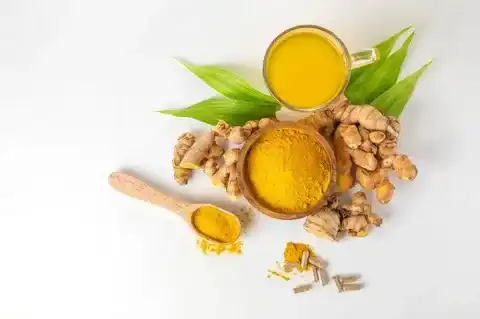
Understanding Curcumin and Turmeric Powder
Industrial buying workers need to know the difference between raw turmeric and curcumin extracts that have been processed. Curcumin, which is also known as diferuloylmethane in science, is the main bioactive ingredient in turmeric that gives it its healing qualities. These polyphenolic compounds are very good at reducing inflammation and protecting cells from damage. This makes them useful in many fields, such as medicines, nutraceuticals, and cosmetics.
Chemical Composition and Bioactive Profile
About 2% to 5% of raw turmeric powder is made up of curcuminoids, which are made up of three main compounds: curcumin (70–80%), demethoxycurcumin (15–20%), and bisdemethoxycurcumin (3–5%). It's hard for manufacturers who need therapeutic doses in their formulas to work with this relatively low quantity. According to research, to get clinically relevant curcumin amounts, you would have to eat way too much raw turmeric powder every day, usually more than 20 grams. These problems are fixed by the extraction method, which uses selective separation techniques to concentrate curcuminoids. Curcuminoid concentrations can reach over 95% with modern extraction methods, turning a spice used in cooking into a pharmaceutical-grade active ingredient that can be used for exact doses.
Industrial Relevance Beyond Traditional Applications
Modern uses go far beyond traditional ones. They include improved formulations in anti-aging cosmetics, supplements for brain health, and goods that reduce inflammation. Standardized curcumin extracts are very valuable to the pharmaceutical business because they are consistent and have known pharmacokinetic patterns. Standardization makes it possible for formulators to make goods that work reliably while still following the rules for foreign markets.
Step-by-Step Process to Extract Curcumin from Turmeric Powder
Curcumin extraction methods have changed over time to meet higher standards for clarity, yield efficiency, and environmental sustainability. Traditional methods have been replaced by more advanced ones that get the most active compounds back while also reducing the costs and damage to the environment.
Traditional Solvent Maceration Methods
Conventional extraction begins with solvent maceration, which uses ethanol or acetone to break down curcuminoids from ground turmeric rhizomes. This process involves prolonged soaking periods, typically 24 to 48 hours, followed by filtration and solvent recovery. Even though they are cheaper, traditional methods often lead to lower amounts and may introduce impurities that need more steps to be cleaned up. Longer working times, varying extraction efficiency, and the possibility of solvent residues in the final product are the main problems. These things have a direct effect on how much can be made and the quality of the product, especially for companies that sell to controlled markets with strict purity standards.
Advanced Extraction Technologies
Modern facilities use methods like ultrasound-assisted extraction, supercritical CO2 extraction, and microwave-assisted extraction to improve productivity and product quality. Supercritical CO2 extraction works at a controlled temperature and pressure, taking out only the curcuminoids and leaving behind other chemicals that aren't wanted. This method makes Turmeric Extract Powder that is very pure and doesn't leave behind any liquid waste. Acoustic sounds are used in ultrasound-assisted extraction to break down plant cell walls, which speeds up the release of bioactive chemicals. This method cuts down on processing time by up to 70% while keeping or even improving extraction rates. For large-scale manufacturing operations, this method is especially appealing because it uses less energy and processes things faster.
Core Processing Steps for Industrial Applications
The normal extraction process starts with getting the raw materials ready. This includes adjusting the moisture content and making sure the particles are the right size. Turmeric rhizomes are dried under controlled conditions until they have an 8–10% moisture content. They are then ground until the particles are evenly spread out and are between 40 and 80 mesh size. This mix makes sure that the fluid always gets through and that the extraction process works at its best. The choice of solvent depends on the purpose and any rules that need to be followed. For food-grade uses, ethanol extraction works well, but ethyl acetate is better for medicinal products because it is more selective. Temperature (50–70°C), solvent-to-material ratio (10:1 to 15:1), and extraction time (2–6 hours) are some of the factors that need to be optimized based on the quality standards and the equipment's capabilities.
To get the right amount of curcuminoid, the liquid has to be removed under low pressure, and then the material has to crystallize. Spray drying or vacuum drying are used in the last step of the drying process to make a powder that is free to move and has the best stable properties. During the whole process, quality control tests make sure that the curcuminoid content, moisture levels, and bacterial safety all meet the set standards.
Quality Factors and Comparison of Turmeric Extract Powders
When purchasing curcumin, people in charge of procurement have to look at a number of quality factors to make sure that the products are consistent and that the sellers follow the rules. These things have a direct effect on how well the final product works and how reliable the production process is. This makes source qualification a very important success factor.
Standardized Testing and Analytical Verification
High-performance liquid chromatography (HPLC) is the usual way to measure curcuminoid amounts because it accurately measures each molecule in the curcuminoid complex. Manufacturers you can trust give full research reports that show the amount of curcumin, total curcuminoids, moisture, heavy metals, and microbiological factors. With these analysis reports, buying teams can check that the product specs are correct and keep track of the supply chain. Third-party laboratory proof gives suppliers' promises more weight and gives an independent confirmation of the quality of the product. Leading makers often work with approved testing sites to make sure that quality is evaluated objectively and that regulatory compliance paperwork is kept.
Organic Certification and Source Verification
Beyond concerns about pesticide residue, there are also environmental practices and customer tastes to consider when comparing organic and standard Turmeric Extract Powder. For products to be certified organic, they must have detailed records of how they were grown, how they were processed, and the stability of the supply chain. This approval usually comes with a higher price tag, but it gives you access to growing markets that want chemical-free materials. To verify the source, you need to know where the raw materials came from and what quality traits they have. Curcumin levels are often higher in Indian turmeric types, especially those from Curcuma longa plants grown in certain areas, compared to other sources. This local variation affects both the quality standards and the price systems of global markets.
Bioavailability Enhancement Formulations
Bioavailability enhancers like piperine (black pepper extract) or specialized delivery methods like liposome and phytosome technologies are used in more advanced formulations. These changes can make it possible for the body to absorb up to 2000% more curcumin, which is a big deal for companies that make high-end goods. When these technologies are combined, they need to be carefully analyzed in terms of intellectual property issues and design compatibility. Nano-emulsification is another step forward in the delivery of curcumin. It fixes the compound's bad solubility in water and makes it more stable in liquid forms. Product makers can now make new uses for these technical advances in the cosmetics, medicine, and beverage industries.
Practical Applications and Benefits for B2B Users
Curcumin products can be used in a lot of different ways in a lot of different industries, but each one needs a different set of quality standards and manufacturing issues. Knowing about these uses helps buying workers match the skills of suppliers with the needs of end users.
Nutraceutical and Pharmaceutical Applications
Joint health products, which use curcumin's anti-inflammatory effects to treat osteoarthritis and other joint pain, are the biggest market for Turmeric Extract Powder. Clinical studies show that doses between 500 mg and 1000 mg per day are effective, but they need to be precisely standardized to make sure that the therapy works the same way every time. Bioavailability problems are something that manufacturers have to think about, and they often use improvement technologies to get the best absorption rates. Curcumin's beneficial qualities are used in cognitive health, especially its ability to cross the blood-brain barrier and lower neuroinflammation. For these uses, specific mixtures are needed that keep curcumin stable while also improving delivery to brain cells. More people are becoming aware of brain health issues, and the population is getting older, which is driving demand in this market.
Food Industry Integration and Natural Coloring
Curcumin has two uses in food: it creates a natural yellow color (E100) and also has antioxidant qualities that make it useful. For beverage recipes, microencapsulation is needed to keep the ingredients from settling and losing their color. On the other hand, curcumin's ability to stop lipid oxidation extends the shelf life of baked goods. High-quality curcumin extracts are in high demand because food companies are looking for natural options to replace manmade colorants. The interactions between proteins and the sensitivity to pH make dairy use very difficult to formulate. To integrate ingredients well, you need to know how they will be processed and how they might react with other ingredients. The clean-label trend is still pushing acceptance across all food groups that want to use natural ingredients.
Cosmeceutical and Personal Care Applications
Curcumin can stop matrix metalloproteinase development and lower oxidative stress in skin cells, which is used in anti-aging products. For cosmetic uses, concentration needs to be carefully managed to keep the product's effectiveness and avoid stains. Usage levels usually fall between 0.1% and 0.5% in finished products, and they need special delivery systems to make sure they get into the skin without staining the surface. Curcumin's ability to stop tyrosinase from working is used to make skin brighter. It provides natural alternatives to manufactured whitening agents. To make sure the colors stay the same and the products don't go bad while they're on the shelf, these mixtures need to be tested for stability.
Procurement Guide for Turmeric Extract Powder
To build trusting relationships that help the business reach its long-term goals, strategic buying needs to look at a supplier's skills, quality systems, and business terms in great detail. Because extracting curcumin is so complicated, you need to do a lot of research to make sure that your suppliers are qualified and that the supply chain stays stable.
Supplier Evaluation and Qualification Criteria
When you do a manufacturing skills review, you look at things like extraction tools, quality control systems, and production capacity to make sure they meet the volume needs. Leading suppliers keep separate lines for extracting curcumin. These lines have controlled settings and tried-and-true methods that make sure that each batch is the same. Production capacity should meet present needs while also being flexible enough to meet the needs of future growth. Checking the quality of management systems means looking at things like ISO 9001 certifications, organic credentials, and building inspection records. Suppliers who work with pharmaceutical markets usually have extra qualifications, like being registered with the FDA and meeting the standards set by the International Pharmacopoeia. These qualifications give you peace of mind that you can handle organized quality management and follow the rules.
Pricing Structures and Commercial Considerations
Pricing based on volume takes into account the savings of scale that are built into the methods used to extract curcumin. Prices usually go down when you order 100 kg, 500 kg, or more, and when you order 1000 kg or more. If you commit to buying a lot every year, you can save a lot of money. The price of Turmeric Extract Powder changes greatly depending on the amount of curcuminoid it contains; extracts with 95% curcuminoid are more expensive than extracts with smaller concentrations. Market factors, such as the supply of raw materials, the use of extraction capacity, and the situation of competitors, affect price trends. Having ties with several qualified suppliers gives you more power over prices and more supply security, especially when the market is unstable or when the quantity of raw materials changes with the seasons.
Supply Chain Risk Management
Geographic diversity lowers the risks that come with problems in certain areas, like bad weather, political unrest, or changes in the rules that affect certain markets. Leading buying groups keep a list of qualified suppliers in various areas and set clear quality equivalency standards so that they can switch suppliers when needed. Inventory management methods look at lead times, minimum order amounts, and how stable a product is to find the best mix between carrying costs and supply security. Curcumin extracts usually stay stable for 24 to 36 months if they are stored properly. This lets you place your goods strategically to get the best total cost of ownership. Suppliers can invest in capacity growth and process changes that are good for both parties when they make long-term partnerships through volume commitments and working together on planning. As a result of these partnerships, companies often get better prices, get their products distributed more quickly when supplies are low, and work together to create new products.
Conclusion
The Turmeric Extract Powder of extracting curcumin from turmeric powder is very complex. It turns common plants into very useful prescription drugs. Modern methods of extraction, such as those that use supercritical CO2 and ultrasound, are more consistent and produce higher quality results than older methods. To make sure they choose the best product, procurement experts have to look at a lot of things, such as the extraction method, quality standards, and the supplier's abilities. Standardized curcumin products are still in high demand because they are being used more and more in the cosmetics, pharmaceuticals, and nutraceuticals industries. To build solid supply ties that help your business reach its long-term goals, you need to know both the technical details and the business issues that come up.
FAQ
What is the most effective industrial curcumin extraction method?
Supercritical CO2 extraction currently represents the gold standard for industrial curcumin production, achieving 95%+ curcuminoid concentrations while eliminating solvent residues. This method provides superior selectivity and environmental benefits compared to traditional solvent extraction techniques.
How do I distinguish between different turmeric powder types for procurement?
Raw turmeric powder contains 2-5% curcuminoids, while standardized extracts achieve 95%+ concentrations. Procurement evaluation should focus on analytical certificates documenting curcuminoid content, extraction methodology, and quality certifications rather than visual appearance alone.
What supplier credentials should I prioritize when selecting curcumin providers?
Essential credentials include ISO certification, organic certification (if required), third-party laboratory verification, and regulatory compliance documentation. Manufacturing facility audits and quality system reviews provide additional assurance of supplier capabilities and reliability.
Partner with Avans for Premium Turmeric Extract Powder Solutions
Avans NutriHealth stands as a leading Turmeric Extract Powder manufacturer, delivering pharmaceutical-grade extracts that meet the exacting standards of global nutraceutical and cosmetic industries. Our state-of-the-art extraction facilities utilize advanced supercritical CO2 technology to produce standardized curcumin extracts with 95%+ curcuminoid concentrations, ensuring consistent potency and bioavailability for your formulations. With ISO, HALAL, KOSHER, BRC, and organic certifications, we guarantee quality compliance across international markets. Our dedicated R&D team collaborates with clients to develop customized extraction protocols that optimize product performance while maintaining cost-effectiveness. Contact our procurement specialists at Lillian@avansnutri.com to explore volume pricing options and establish a reliable supply partnership that supports your manufacturing objectives.
References
1. Anand, P., Kunnumakkara, A. B., Newman, R. A., & Aggarwal, B. B. (2007). Bioavailability of curcumin: problems and promises. Molecular Pharmaceutics, 4(6), 807-818.
2. Batool, T., Bashir, S., Malik, A., & Hammami, I. (2022). Comprehensive review of curcumin extraction techniques: conventional, green, and emerging technologies. Food Chemistry, 375, 131654.
3. Hewlings, S. J., & Kalman, D. S. (2017). Curcumin: A review of its effects on human health. Foods, 6(10), 92-105.
4. Prasad, S., Gupta, S. C., Tyagi, A. K., & Aggarwal, B. B. (2014). Curcumin, a component of golden spice: From bedside to bench and back. Biotechnology Advances, 32(6), 1053-1064.
5. Sharma, R. A., Gescher, A. J., & Steward, W. P. (2005). Curcumin: The story so far. European Journal of Cancer, 41(13), 1955-1968.
6. Zaccara, S., Panfili, G., & Benvenuto, M. (2016). Characterization of curcuminoids and turmerones in turmeric (Curcuma longa L.) by microwave-assisted extraction and LC-MS/MS analysis. Food Analytical Methods, 9(4), 1011-1020.