




Looking for Chicory Extract Powder Bulk Manufacturer?
Procurement managers must make a crucial choice that affects product quality, legal compliance, and the security of the supply chain when looking for a reliable source of chicory extract powder bulk. There are certified companies that sell real chicory extract powder that comes from Cichorium intybus L. roots, offering dense forms of inulin that are needed for medicinal, pharmaceutical, and functional food uses. Partnering with providers that are ISO-certified and follow organic standards guarantees uniform specs, clear traceability, and the ability to grow, all of which are necessary for developing competitive products in today's controlled global markets.
Understanding Chicory Extract Powder: Key Insights for B2B Buyers
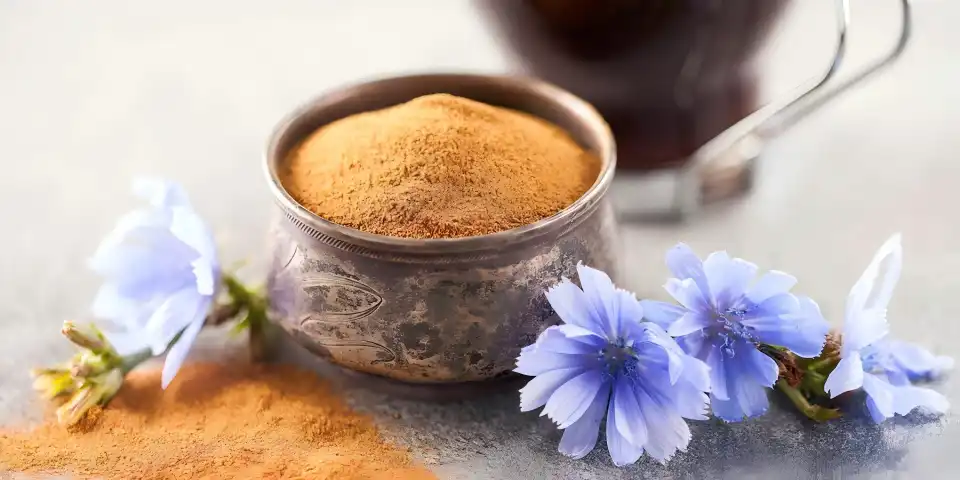
Chicory extract powder bulk is a high-quality functional ingredient that stands out because of its concentrated bioactive profile and wide range of industrial uses. Chicory root powder is made up of dried, ground roots. The extract form, on the other hand, goes through complex hot water extraction and spray drying processes that make it contain at least 90% soluble dietary fiber, mostly inulin and oligofructose. This improvement makes a strong prebiotic drug that delivers about 1.5 kcal/g compared to sucrose's 4 kcal/g. This makes it very useful for formulation strategies that aim to improve metabolic health and meet clean-label standards.
Nutritional Profile and Health Benefits
The ingredient is more nutritious because it has a lot of inulin, which is a soluble fiber that doesn't break down in the upper digestive system but ferments in the colon, which is good for the gut bacteria. Clinical studies show that taking inulin supplements helps keep digestion regular, improves calcium intake, and changes how the body reacts to glucose levels. These are all benefits that are especially useful for companies that make food supplements for gut health and metabolic wellness. The extract also has polyphenolic compounds that are antioxidants. These compounds can be added to make cosmetics that protect the skin and slow down the aging process even more.
Versus Conventional: Quality and Compliance Considerations
Choosing between organic and standard chicory extract has a direct effect on how quality is controlled and how the product is positioned in the market. Organic approval means farmers must follow strict farming methods that don't use synthetic pesticides, fertilizers, or genetic change. This protects the purity of the raw materials and meets the needs of consumers in North America and Europe. Regulatory frameworks like USDA Organic and EU Organic require thorough paperwork, third-party checks, and batch-level tracking. These standards lower the risk of contamination and back up sustainability claims that B2B clients in the food and nutraceutical industries are asking for more and more.
Industrial Applications Across Multiple Sectors
Organic chicory extract powder can be used in a lot of different fields, and each one benefits from its unique, useful qualities. Nutraceutical companies put the ingredient in prebiotic supplements, gut health recipes, and products that help control blood sugar. It is easily dissolved and has a bland flavor, so it can be easily added to pills, tablets, and powdered drink mixes without changing how they taste or how bioavailable they are. Chicory extract is used by functional food makers to replace sugar and fat. It solves the "Sugar-Fat-Texture Trilemma" by keeping the texture and taste of the food while lowering the number of calories it contains. Because inulin holds on to water, bakery goods, dairy replacements, and protein bars have better texture and last longer without going bad.
How to Choose the Right Bulk Manufacturer for Chicory Extract Powder
To find the right production partner for chicory extract powder bulk, you need to carefully look at a lot of factors that affect the stability of the supply chain and the quality of the product. Criteria for critical evaluation include the validity of the certification, the ability to produce, the quality control systems, and the business terms that support working together for a long time.
Certification and Compliance Standards
A supplier's reputation is based on their real organic approval. Manufacturers with a good reputation have up-to-date USDA Organic or EU Organic certificates from recognized certification groups. They also have HALAL, KOSHER, and BRC credentials that show they understand religious dietary needs and how to handle food safety. Verification should include more than just showing the certificate. It should also check the scope, the ending date, and the legitimacy of the certification body. Organic compliance paperwork, like supply chain traceability records, organic system plans, and transaction certificates, makes things clear, which is important for regulatory checks and licensing requirements further down the line.
Production Capacity and Scalability
Checking the size of the production process makes sure that it fits with the current amount of purchases and the growth plans for the future. Some signs of production capacity are the yearly output tonnage, the flexibility of batch size, and the ability of the tools to meet specific needs. Manufacturers with facilities that can handle more than 1,000 tons of material a year, specialized extraction lines, and multiple spray dryers show that they have invested in the infrastructure needed for a stable high-volume supply.
Quality Metrics and Technical Specifications
Comprehensive quality comparisons check that the requirements given by suppliers are in line with industry standards and other available options. Some important analysis factors are the amount of inulin (usually 85–95%), the amount of moisture, the number of microbes, the amount of heavy metals, and the amount of pesticide residue that can be found. Third-party lab testing at ISO 17025-accredited facilities confirms the stated specs in a reliable way, and Certificates of Analysis (COA) that come with each batch show that it meets the agreed-upon standards. Suppliers who give stable studies, solubility data, and application guides show that they have the technical know-how to help formulation creation go smoothly.
Commercial Terms and Logistics Considerations
Knowing the minimum order amounts (MOQ), pricing models, and payment terms helps you figure out if the project is possible within your budget. MOQs for bulk organic chicory extract powder are usually between 100 kg and 500 kg, and price tiers based on volume encourage bigger pledges. Letters of credit, prepayment savings, and net terms for long-term clients are some of the payment choices that can change how cash flows and how much financial risk is exposed.
Procurement Process: From Inquiry to Bulk Purchase
There are different steps in the structured buying journey for chicory extract powder bulk. Each step needs strategic management to get the best results and build a basis for long-term relationships with suppliers.
Inquiry Initiation and Sample Evaluation
To do good buying, you need to start by asking specific questions about technical needs, expected quantities, delivery times, and safety standards. Sample requests should come with COAs, specification sheets, and allergen statements that go with sample batch sizes (usually 100–500g). Protocols for evaluation include judging the smell and taste, checking how well the substance dissolves in target mixtures, and checking the results analytically in-house or by a third-party lab. During this phase, standard quality goals are set, and possible formulation problems are found. These problems must be solved before business promises are made.
Negotiation and Contract Development
When negotiating prices, more than just the unit cost is taken into account. These include payment terms, shipping duties (FOB, CIF, DDP), quality promises, and written rights against deviations from specifications. Setting clear standards for quality acceptance, ways to settle disagreements, and "force majeure" clauses protect both parties' interests throughout the supply relationship. When you commit to a volume that spans multiple shipments, you can often get better prices and still have some freedom by setting up shipping schedules that work with your inventory management needs.
Logistics Coordination and Regulatory Compliance
When you buy something from another country, you have to carefully plan your details, including how to handle customs paperwork, import permits, phytosanitary certificates, and organic transaction paperwork. Understanding the rules that apply to each place is important, especially in markets with a lot of rules, like the US and the EU.
After-Sales Support and Relationship Management
Ongoing teamwork includes more than just the original transactions. It also includes professional support, help with formulation, and quick problem resolution. Manufacturers who offer specialized account management, regular reports on stock availability, and proactive contact about harvest conditions or changes to regulations show a level of relationship dedication that is important for long-term supply security. Supplier scorecards and future buying choices within category management frameworks are based on regular performance reports that look at things like quality consistency, delivery reliability, and speed.
Comparing Top Chicory Extract Powder Brands and Suppliers
When it comes to certification legitimacy, production sophistication, and value-added services, the competition among providers of chicory extract powder bulk is very different. To choose a provider wisely, you need to do a full review that includes both quantitative and qualitative tests.
Certification and Compliance Differentiation
Leading sellers stand out by having a wide range of certifications that meet the needs of different markets. In addition to basic organic certification, advanced producers keep BRC Food Safety certification, which shows they are committed to risk assessment, preventive controls, and food defense routines. With HALAL and KOSHER approvals, you can sell your products in more places, like the Middle East and Orthodox Jewish areas, where people follow certain religious diets. Suppliers who are open about the certification groups they work with, how often they check, and the history of corrective actions show that their operations are mature and their quality culture goes above and beyond what is required by law.
Manufacturing Capabilities and Innovation
Production levels range from simple extraction methods to high-tech centers that use chemical cleaning, controlled hydrolysis, and spray drying to get the best results. When manufacturers put money into analysis labs, research and development teams, and the ability to make custom applications, they add value to the technical relationship beyond just providing commodities.
Price-Quality Benchmarking
When you look at prices, you should put unit costs in the context of the total cost of ownership, which should include things like consistent quality, quick service, and reliable supply. Although cheaper chicory extract might be available at first, premium suppliers who provide consistent specifications, detailed documentation, and technical support often offer better value through fewer formulation failures, greater confidence in regulatory compliance, and fewer supply disruptions. Clear price systems that separate the costs of raw materials, processing, certification premiums, and transportation make it easier to compare things objectively and help with negotiations.
Due Diligence and Verification Practices
A thorough screening of suppliers includes checking the validity of certificates in the records of certification bodies, inspecting the facilities to make sure they work as claimed, and getting references from past customers. Third-party audit reports from trustworthy companies give unbiased opinions on quality systems, following the rules, and operating skills. By asking for past COA sets that cover more than one production batch, you can see how standard consistency and batch-to-batch variability affect the stability of the formulation. Regulatory bodies and end customers are looking more closely at authenticity claims that are clear about where the products come from, how they are harvested, and how the supply chain can be tracked.
Maximizing Value with Chicory Extract Powder in Your Product Line
Adding organic chicory extract powder bulk in a planned way improves the positioning of the product in terms of its nutritional benefits, clean-label appeal, and recipe performance. Optimizing return on investment takes knowledge of the individual application, accuracy in dosage, and knowledge of how to navigate legal issues.
Application-Specific Formulation Strategies
To integrate ingredients successfully, you need to know how they behave in goal grids. Most prebiotic supplements have between 3 and 10 grams of inulin per dose to meet clinically relevant inulin intake standards that back up claims about gut health. In functional food uses, the prebiotic benefits are weighed against the challenges of processing, since inulin's ability to dissolve and take part in the Maillard reaction changes the texture, color, and taste of foods as they are heated. Concentrations between 1% and 5% are used in cosmetics to prepare the skin without changing the way the product looks or how stable it is. Solubility optimization and possible synergistic formulation with taste masking agents are needed for beverage uses where chicory extract is used as a replacement for coffee.
Clinical Research and Efficacy Support
Dosage guidelines are based on evidence from human clinical studies that showed prebiotic effects at daily inulin intakes higher than 5 grams. Studies in reputable journals show that certain dosage amounts lead to changes in bowel regularity, bifidogenic effects, and mineral absorption. These studies back up product claims within the rules set by regulators. Suppliers who offer research outlines, clinical study abstracts, and regulatory advice documents make it easier for marketers to use legal language and help goods stand out in crowded categories.
Safety and Regulatory Compliance
Chicory inulin is usually thought to be safe (GRAS), but sensitive people may experience stomach pain when they first start taking it or when they take large amounts of it. Properly marking a product with instructions on how to use it, suggestions for steady increases, and information about possible side effects shows that the company is honest with customers and follows the rules. Knowing the rules that apply to your area, like new food reviews in some markets, health claim proof needs, and organic labeling rules, can help you get into new markets and avoid problems with regulators. Keeping a lot of paperwork to back up label claims, ingredient safety, and processing proof makes sure you're ready for audits and gives you a competitive edge through regulatory knowledge.
Conclusion
Purchasing chicory extract powder in bulk necessitates a thorough analysis of certification legitimacy, production capabilities, quality systems, and business terms. A good buying process strikes a balance between lowering costs and ensuring quality, following rules, and a reliable supply chain, all of which are necessary for making competitive products. Formulating new ingredients in nutraceutical, functional food, and cosmetic products is easier when you work with qualified producers who offer clear tracking, technical support, and strong quality management. Strategically choosing a provider sets the stage for long-term partnerships that provide uniform standards, quick service, and teamwork in solving problems throughout the entire product lifecycle management process.
FAQ
What certifications should organic chicory extract powder bulk suppliers possess?
Suppliers you can trust for chicory extract powder bulk, keep up-to-date USDA Organic or EU Organic certifications from recognized organizations. They also have BRC certifications for food safety, HALAL and KOSHER certifications for religious compliance, and ISO certifications that show they have quality management systems. Verification includes checking the scope of the certification, when it expires, and any organic transaction paperwork that helps with meeting future compliance requirements.
How does chicory extract compare to pure inulin powder?
It has 85–95% inulin, along with oligofructose and some small amounts of polyphenolic substances. This means that it has more health benefits than just inulin. The extract form is cheaper and has more bioactive chemicals that back up antioxidant claims. Pure inulin, on the other hand, has a higher fiber content per gram, which can change the economics of dosage and formulation depending on the needs of the application.
What are typical lead times for bulk chicory extract powder shipments?
Standard lead times range from two to four weeks for materials that are in stock to six to eight weeks for materials that are made to order or in large quantities that need special production runs. Depending on the type of freight, how quickly customs processing goes, and the logistics of the location, international shipping can add two to six weeks. Setting up forecasting contacts and keeping a safety stock can help keep production plans from being thrown off by supply problems.
Partner with Avans for Premium Chicory Extract Powder Bulk Supply
The chicory extract powder bulk provider you can trust is Avans NutriHealth Co., Ltd. They have a lot of certifications, such as ISO, HALAL, KOSHER, and they make sure their products are of high quality. Our modern facilities make sure that the high-purity extracts we provide meet strict international standards for use in nutraceutical, medicinal, and beauty products. We offer flexible options that are made to fit your formulation needs. Our yearly production capacity is over 1,000 tons, and we have dedicated R&D support. Get in touch with our knowledgeable staff at Lillian@avansnutri.com right away to get detailed specs, free samples, and personalized quotes that will help you confidently reach your product development goals.
References
1. Roberfroid, M.B. (2007). "Inulin-Type Fructans: Functional Food Ingredients." Journal of Nutrition, exploring prebiotic mechanisms and health applications of chicory-derived inulin in functional food development.
2. Niness, K.R. (1999). "Inulin and Oligofructose: What Are They?" Journal of Nutrition, a comprehensive review of chicory extract composition, processing methods, and nutritional characteristics.
3. Shoaib, M. et al. (2016). "Inulin: Properties, health benefits and food applications." Carbohydrate Polymers, examining chicory inulin's functional properties across food system applications and formulation strategies.
4. Mensink, M.A. et al. (2015). "Inulin, a flexible oligosaccharide: Review of its physicochemical characteristics." Carbohydrate Polymers, technical analysis of chicory inulin's molecular structure and processing considerations.
5. Patel, S. and Goyal, A. (2012). "Functional oligosaccharides: production, properties and applications." World Journal of Microbiology and Biotechnology, covering chicory extract production technologies and quality parameters.
6. Gibson, G.R. et al. (2017). "Expert consensus document: The International Scientific Association for Probiotics and Prebiotics consensus statement on the scope and appropriate use of the term prebiotic." Nature Reviews Gastroenterology & Hepatology, establishing evidence-based guidelines for chicory inulin prebiotic applications.