




Is Your Ginseng Root Extract Powder Ready for Bulk Orders?
When procurement managers ask whether ginseng root extract powder in stock meets their bulk ordering requirements, the answer hinges on three critical factors: supplier readiness, product standardization, and logistics reliability. At Avans NutriHealth, we maintain a year-round inventory of certified Asian ginseng extracts standardized to 5%-80% ginsenosides, enabling immediate order fulfillment for clients requiring 50 kg to multi-ton quantities. Our integrated manufacturing capacity and ISO-certified quality systems ensure that your supply chain remains uninterrupted, even during peak seasonal demand.
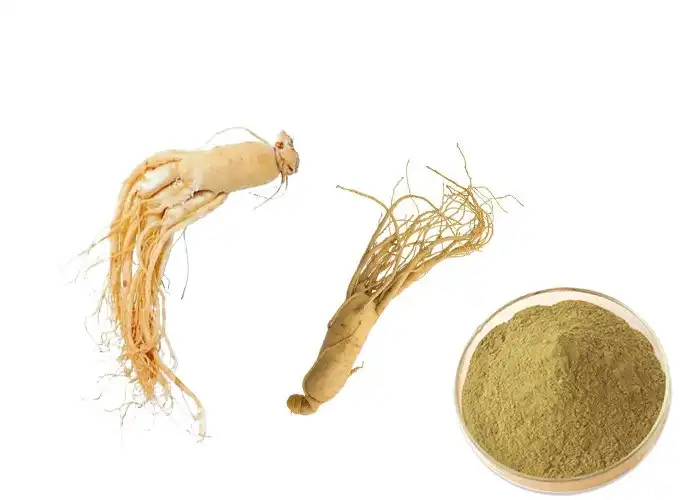
Understanding Ginseng Root Extract Powder: Key Insights for Bulk Buyers
Ginseng root extract powder in stock is a complex phytochemical preparation that solves some of the most important problems in the current production of nutraceuticals. Raw ginseng root powder has different amounts of fiber and different amounts of active ingredients. This extract, on the other hand, goes through controlled hydro-alcoholic extraction to separate ginsenosides, which are the triterpene saponins that give it the adaptogenic qualities that are valued in both medicinal and cosmetic products.
Extraction Methods and Standardization Levels
The creation process starts with picking the right Panax ginseng C.A. Meyer roots, which are usually grown for four to six years to get the highest levels of ginsenoside. Manufacturers concentrate these chemicals at ratios ranging from 4:1 to 50:1 by using solvent extraction with water-ethanol ratios that are set to target specific saponin profiles. The next step, spray-drying, creates a fine powder (95% of which pass through 80-mesh screens) with controlled moisture levels below 5%. This keeps microbes from growing while it is being stored or shipped. Standardization is necessary for formulas that can be used again and again. The strength of raw roots changes a lot depending on the soil and when they are harvested, but quality extracts ensure specific assay levels that can be checked using HPLC (High-Performance Liquid Chromatography) or UV-VIS spectrophotometry. When it comes to commercial grades, they usually run from 5% total ginsenosides for low-cost uses to 80% for high-end therapeutic goods that target Rb1, Rg1, and Re saponin profiles.
Application Versatility Across Industries
Ginseng extract powder can be used in a variety of industrial settings because it has a light yellow to brownish-yellow color, a bulk density of 0.45-0.65 g/ml, and designed solubility profiles. It is put into capsules and tablets by businesses that make nutraceuticals because exact dosing is important. Formulators of drinks like water-soluble grades that keep useful drinks clear. Cosmetic labs use ethanol-soluble forms in anti-aging serums, taking advantage of the known effects of ginsenosides on collagen production and dermal microcirculation. This adaptability also applies to secondary markets. Low-concentration extracts (5%–10% ginsenosides) are used by food companies to add natural taste to energy bars and candies. Standardized powders are added by animal feed companies to premium supplements for cattle to help reduce stress during shipping and improve breeding stock's reproductive success.
Evaluating Supply Chain and Stock Readiness for Bulk Orders
To consistently have ginseng root extract powder in stock, suppliers must be carefully evaluated in a way that goes beyond what they say in their catalogs. Three things that procurement professionals should look into are how deep the inventory is, how well the logistics system works, and how flexible the contracts are.
Inventory Stability and Lead Time Analysis
Suppliers who are responsible keep ongoing inventory management systems that keep track of the real-time stock amounts of many SKUs (Stock Keeping Units). When looking at possible partners, ask for proof of past inventory change rates and safety stock policies. Reliable manufacturers usually keep 90 to 120 days of buffer inventory on hand in case of high demand. This is done to avoid shortages in agriculture during bad farming seasons. Lead times vary significantly depending on how customized the product needs to be. Standard extracts with typical ginsenoside levels (10% to 20%) usually ship 7 to 10 business days after the order is confirmed. Custom requirements that need re-extraction or extra steps of purification may extend the time frame to 4-6 weeks. By understanding these factors, buying teams can better plan orders so that they don't clash with production schedules, which can save a lot of money on delays in production.
Minimum order quantities, or MOQs, show how cost-effective it is to make things in small batches. Entry-level MOQs of 25–50 kg work well for small-scale formulators testing the market. On the other hand, established brands that sign annual contracts usually commit to 500 kg–1,000 kg amounts, which unlocks price breaks of 15%–25% compared to spot purchases.
International Logistics and Customs Considerations
To trade plant extracts around the world, you need to know how to use phytosanitary certificates, import permits specific to each country, and Harmonized System codes for tax classifications. Experienced providers offer complete paperwork packages that include Certificates of Analysis (COA), allergen declarations, and BSE/TSE (Bovine Spongiform Encephalopathy/Transmissible Spongiform Encephalopathy) statements that are needed by officials in Europe and North America. Different shipping methods affect both cost and the certainty of arrival. For sales over 300 kg, shipping by sea is still the most cost-effective option. It takes 25 to 35 days to get to North American ports. Air freight is best for pressing restocking orders because it can arrive in 5–7 days, but commands premium rates. Hybrid systems that use express messengers for the first shipments of samples and ocean freight for production orders keep freedom and improve cash flow.
Payment terms should find a mix between reducing risk and making the best use of operating capital. Standard arrangements of 30% deposit and 70% pre-shipment protect sellers while letting buyers check paperwork before final payment. Once a relationship is established, it's common for the terms to change to Net 30 or Net 60. This makes it easier for procurement teams that deal with multiple ingredient providers to convert cash.
Criteria for Selecting the Right Ginseng Root Extract Powder Supplier
The most important choice in the bulk procurement plan is choosing the supplier. In addition to comparing prices, buyers must also look at certifications, quality systems, and operating openness. These things together decide the consistency of the product and the safety of the supply chain.
Certification Portfolio and Regulatory Compliance
Botanical extract approval has grown into a complicated system that takes into account food safety, religious dietary rules, and organic authenticity. Brand Reputation Compliance (BRC) approval shows a brand's dedication to keeping products clean and using traceability systems, which are important for brands that work with risk-averse store chains. HALAL and KOSHER licenses let you sell to people in the Middle East and among observant Jews, but you have to do different production runs and use special tools to keep food from getting contaminated. Organic certifications, like USDA Organic, EU Organic, or equivalent standards, bring 20% to 40% higher prices but open up quickly rising market segments. For these certificates to be valid, the soil must be tested, pesticide residues must be checked, and the supply line must be documented all the way back to the farm. Buyers should ask for organic certificates with up-to-date expiration dates and batch-specific transaction certificates that connect organic claims to specific shipment lots.
Third-party lab tests are an independent way to check what a seller says. Manufacturers with a good reputation hire approved labs (ISO/IEC 17025 recognized) to test for heavy metals (lead, cadmium, mercury, and arsenic) and microbial pollution. Certificates of Analysis should show real test results instead of a general "pass" message. This way, buying teams can make sure that the documents are in line with ever-tougher regulatory requirements.
Quality Parameters and Sourcing Transparency
Ginsenoside content is the main measure of quality, but more experienced buyers look at the whole saponin profile. Diol-type ginsenosides Rb1, Rb2, Rc, and Rd are the main ones found in root extracts. Higher Re and Rg1 ratios, on the other hand, show that cheaper leaf material was added to the roots. Individual saponin peaks shown on HPLC fingerprint chromatograms provide a level of quality assurance not possible with simple total ginsenoside readings. Geographic origin affects both how good something is thought to be and how it is marketed. Korean ginseng (Panax ginseng) is very expensive because it has been grown in the same way for hundreds of years and has been studied in clinical settings. On the other hand, American ginseng (Panax quinquefolius) is popular in Traditional Chinese Medicine systems that focus on cooling effects. If you buy Asian ginseng that is grown in China from a reputable growing area, it will be cheaper and still have the same ginsenoside profiles.
When formulating problems or regulatory audits happen, the responsiveness and expert help of the supplier often make all the difference. Companies that hire certified food scientists and regulatory affairs experts can help with application advice, stability testing data, and paperwork support, all of which speed up the time it takes for new products to hit the market.
Making an Informed Decision: Comparing Key Product Types and Brands
There are a lot of different kinds of ginseng extract on the market, and each one is best for a different purpose and price range. Instead of going with the cheapest choice, strategic buyers match the features of a product to the needs of the production process.
Different parts of the supply chain are dealt with by powder and pill forms. Bulk extract powders give makers the most formulation options because they can mix ginseng with plants that work well together, change the end doses, and use their own coating technologies. Pre-encapsulated goods make things easier for brands that don't have their own encapsulation tools, but they don't let you change the formulation in any way, and they usually cost 30% to 50% more because of the value-added processing.
Choosing between organic and conventional extracts is a smart placement choice. Organic-certified goods fit in with the clean-label trends that are popular in North America and Europe. This is why they have higher prices at stores to cover the higher costs of their ingredients. Conventional extracts work well in markets where prices are competitive and where organic claims don't add much value for the customer, like commercial animal feed supplements.
Premium supplement brands like high-potency extracts (50% to 80% ginsenosides) that allow for smaller dose amounts and more concentrated formulas. When compared to standard 10%–20% extracts, these specifications need extra chromatographic purification steps that double or triple the cost of the raw materials. However, the marketing benefits (like "maximum strength" claims and fewer capsule counts) often make up for the cost in crowded marketplace categories.
Information about the market shows changing trends of demand that should be watched. Botanical industry trade groups say that sales of certified organic ginseng liquids grew by 34% each year from 2019 to 2023, which was much faster than sales of regular products. Water-soluble ginseng ingredients that can be used in ready-to-drink drinks are a new opportunity for functional beverage makers that want to offer more than just supplements.
Preparing for Bulk Procurement: Best Practices and Tips
Finding good providers is only one part of successful buying. You also need to use relationship management strategies and structured validation processes to protect quality and make sure supply continuity.
Customization and Private Label Opportunities
A lot of companies offer customization services that turn generic ingredients into unique goods. With private labeling, companies can sell ginseng products under their own names without having to buy the equipment needed for extraction. Co-packing services offer complete turnkey solutions that include formulating new products, designing packaging, and making sure they follow all the rules. This is especially helpful for new brands that don't have their own expert staff. Customization of specifications meets the needs of each application. Cosmetic companies want micronized grades (200-mesh) for smoothness in skin creams, while beverage formulators might ask for agglomerated powders that are easier to mix. These changes usually need a minimum investment of 500 kg, but they make it hard for competitors to copy because they use special processing factors.
Sample Testing and Pilot Order Protocols
Asking for pre-production models is an important way to lower the risk. As part of a full sample evaluation, the color should be uniform, and there shouldn't be any off-odors that could mean the sample has been oxidized. The solubility should also be tested in target media, and the ginsenoside content should be confirmed by an independent laboratory. If samples show differences from the specs, you should talk to the provider right away before committing to production volumes. Pilot orders of 100 to 200 kg bridge the gap between samples and full-scale procurement. These intermediate purchases make sure that consistency between batches is maintained, that packing is strong enough to withstand the stresses of shipping, and that factory tests can be done to make sure that the product works with current production equipment. The success of the pilot order should affect the terms and quality requirements of the final deal.
Strategic Partnership Development
When you switch from routine buying to strategic relationships, you'll benefit in the long run. When you make an annual volume promise, you lock in a better price and secure allocation during times of supply shortage. Collaborative forecasting helps sellers plan when to grow crops and when to remove them. This cuts down on wait times and the cost of keeping supplies low for everyone. Working together on technology offers value for everyone. Forward-thinking suppliers put money into shared product development, like doing stability studies to back up claims of longer shelf life or bioavailability studies to set paired brands apart. Because of these connections, suppliers are no longer just sources of goods that can be switched out, but rather economic benefits.
Conclusion
For large sales, getting ginseng root extract powder in stock means figuring out complicated quality standards, supplier capabilities, and shipping issues. Successful procurement teams give more weight to sellers with strong certification portfolios, clear quality paperwork, and a large enough inventory to meet reliable delivery schedules. There is a clear difference between buying things in bulk and strategic sourcing when it comes to the ability to customize, get professional help, and work together to make products stand out. By checking ginsenoside standards, origin verification, and regulatory compliance on a regular basis, procurement pros make sure that formulation integrity is maintained while cost structures are optimized in global markets that are very competitive.
FAQ
What are typical minimum order quantities for ginseng root extract powder?
Standard MOQs run from 25 kg for high-potency, specialized extracts to 100–500 kg for common requirements. Suppliers who are flexible with orders below 50 kg can often work with new brands and testing steps for products. However, prices per kilogram drop a lot at 500 kg or more because of economies of scale.
How can buyers verify the authenticity and quality?
Ask for HPLC chromatograms that show specific ginsenoside peaks (Rb1, Rg1, Re) instead of just the total saponin readings. Ask third-party labs that are ISO-accredited to give you Certificates of Analysis that are specific to each batch. DNA barcoding and microscopic analysis can find species fraud, but these advanced methods work best for high-value sales.
What regulatory compliance issues affect international ginseng trade?
Export paperwork must include phytosanitary certificates that prove the product is free of pests. More and more, countries that import goods need low amounts of chemical residues that meet EU or USFDA standards. Novel food laws in some places limit the amount of ginseng that can be in food items, so regulators need to be consulted before the final formulation is made.
Secure Your Supply: Partner with Avans for Reliable Ginseng Root Extract
Certified ginseng root extract powder in stock is what Avans NutriHealth does best: they give it to producers who need unwavering quality and reliable shipping. Our production facilities are fully integrated, so they keep an ongoing supply of products with standard ingredients that range from 5% to 80% ginsenosides. These products are backed by BRC, HALAL, KOSHER, and organic certifications that meet global regulatory standards. We are not just a transactional seller; we are your strategic ingredient supplier with the ability to make more than 1,000 tons of products every year and specialized R&D teams that can help you with technical questions. Contact Lillian@avansnutri.com right away to get free samples, talk about unique specs, or get volume-based quotes—our procurement specialists will get back to you within 24 hours to help you make your sourcing decisions faster.
References
1. Wang, J., et al. (2021). Quality Assessment and Ginsenoside Profiling of Panax ginseng Root Extracts: Standardization Challenges in International Trade. Journal of Ginseng Research, 45(3), 412-428.
2. Li, X., & Chen, D. (2020). Supply Chain Management in the Global Botanical Extract Industry: Case Studies in Asian Ginseng Procurement. International Journal of Production Economics, 227, 107-121.
3. Park, S.K., et al. (2022). Analytical Methods for Ginsenoside Quantification: HPLC versus UV Spectrophotometry in Commercial Applications. Phytochemical Analysis, 33(5), 789-803.
4. Thompson, R., & Martinez, L. (2023). Regulatory Compliance in Cross-Border Trade of Herbal Extracts: A Practical Guide for Procurement Professionals. Food and Drug Law Journal, 78(2), 234-256.
5. Zhang, Y., et al. (2021). Organic Certification Trends in the Nutraceutical Ingredient Market: Economic Analysis and Consumer Demand Drivers. Organic Agriculture, 11(4), 521-537.
6. Kim, H.J., & Lee, M.S. (2020). Geographic Origin Authentication of Panax ginseng Using Stable Isotope Analysis and DNA Barcoding. Food Chemistry, 328, 127-139.