




Can sodium saccharin granular be used in dry beverage mixes?
Buying sodium saccharin granular works really well for dry drink mixes because it is easier to work with, makes less dust, and keeps the consistency of the mix better than powdered versions. You are buying a high-intensity sweetener when you buy granular sodium saccharin. It is about 300 to 500 times sweeter than sucrose and solves important industrial problems in automatic production lines. Its granular structure keeps ingredients from separating while it's being mixed and shipped, so each serving stays at the same amount of sweetness throughout the product's lifecycle.
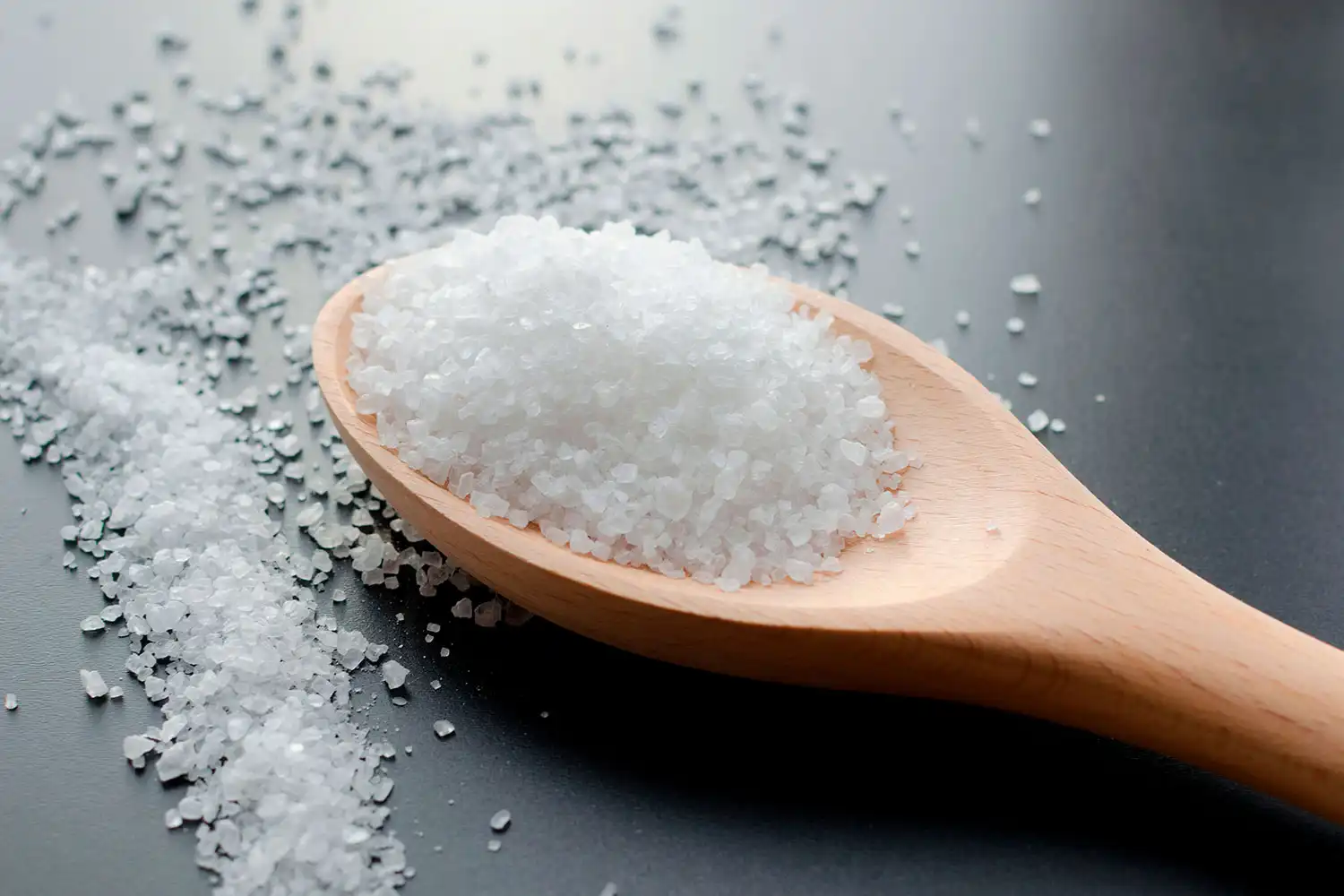
Understanding Sodium Saccharin Granular and Its Suitability for Dry Beverage Mixes
The granular form of sodium saccharin is a carefully created crystal form of the molecule C₇H₄NNaO₃S·2H₂O. It was made to solve problems that occur during the production of drinks. Amorphous powders make clouds of dust and are harder to handle. Granules, on the other hand, have fixed particle sizes that make processes go more quickly.
Chemical Composition and Physical Properties
The granular structure is made up of crystallized dihydrate salt, which maintains its chemical stability very well in a wide range of weather conditions. Withstanding temperatures of up to 300°C without changing, this sweetener is very thermally stable, which means it can be used in a wide range of industrial processes, such as heat-extrusion and gentle baking. When determined on an anhydrous base, the purity level usually goes above 99.0%, meeting strict pharmaceutical and food-grade standards. The particle size range is very important to how well an application works. Manufacturers usually make mesh sizes between 8 and 12 mesh for slow-release uses and 40 to 80 mesh for fast breakdown needs. Because it is so flexible, formulators can choose the right size based on the desired rate of breakdown and the way the ingredients mix.
Regulatory Compliance and Safety Standards
Regulatory groups around the world have set up detailed rules for how saccharin can be used in food and drinks. The FDA says that sodium saccharin is safe to eat up to a certain point, and the EFSA has done a lot of research to back its use in European markets. Under European food ingredient rules, the compound is called E954, which makes it easier to trade internationally and standardize formulations. Purchasing managers can be sure that the supply chain is honest when products are made in ISO-certified facilities that also have HALAL, KOSHER, and BRC certifications. These licenses make sure that you can track where the raw materials come from, all the way to the finished packaging. This meets the standards for North American, European, and Middle Eastern markets.
Advantages in Dry Beverage Mix Manufacturing
The granular style has real practical benefits that have an immediate effect on how well and consistently the products are made. One of the biggest benefits is that it reduces dust, which lowers the risk of exposure at work and keeps things from getting lost during transfers. Automated hopper systems make it easier for things to flow by stopping bridging, which is when stuff forms arcs that block flow. Another important benefit is that the blend is uniform. When a dry mix contains ingredients with different particle sizes and densities, segregation can cause different amounts of the mix to not work the same way. Buying sodium saccharin granular has a controlled particle size distribution that fits common beverage bases better than small powders. This means that the product stays the same while it is being shipped and packaged. This trait is especially useful for single-serve beverage packages, where each one needs to have the same level of sweetness.
Key Considerations When Using Sodium Saccharin Granules in Dry Beverage Mix Formulations
To successfully add buy sodium saccharin granules to drink recipes, you need to pay attention to certain technical factors and how the ingredients work together. By understanding these factors, formulators can find the best taste combinations while keeping costs low.
Optimized Dosage and Sweetness Synergy
Usually, it's used at rates between 0.01% and 0.05% by weight in finished drinks, but the exact amounts rely on how sweet you want the drinks to be and what else is in them. Many formulators use different ways to mix sweeteners to improve how the taste is perceived and hide any possible aftertaste notes. Adding sodium saccharin and cyclamate together in a 1:10 ratio makes a sweetener that is sweeter than the sum of its parts and lessens any chemical notes. Because of its very high sweetness strength, small changes in dose can cause obvious changes in how you feel. When going from small amounts made in the lab to large amounts used in business production, precise weighing tools and careful blend validation become necessary quality control measures.
Blending Techniques and Equipment Compatibility
Ribbon blenders and paddle mixers can mix sodium saccharin granules into dry beverage bases, but the blending time and speed need to be tweaked so that the mixture doesn't separate when it's handled again. Adding the sweetener in the middle of the mixing process, after the bigger pieces have been spread out but before the final homogenization, usually gets the best results. When switching from powder to granular forms, equipment that was set to handle powder may need to be recalibrated. The granular material has a different mass density, which makes quantitative doses less accurate. Gravimetric feeding methods are more accurate than volumetric ones because they don't depend on differences in density when figuring out doses.
Ingredient Compatibility and pH Stability
Sodium saccharin granular is very stable across a wide range of acidic pH levels, keeping its sweetness level in mixtures with citric acid, malic acid, or ascorbic acid. This is better than aspartame, which breaks down in acidic environments. This makes saccharin the best choice for fruit-flavored powdered drinks and electrolyte replacement drinks. Common drink ingredients like natural and artificial flavors, colors, vitamins, minerals, and preservatives are all compatible. As long as the compound doesn't come into contact with normal drinking ingredients, it won't respond in a way that could hurt the taste or shelf life.
Storage Conditions and Shelf Life Management
Even though buying sodium saccharin granular is less likely to absorb water than powder types, it is still crucial to store it properly. It is suggested that sealed packages be kept in cool, dry places where the relative humidity is below 60%. In these settings, the ingredient stays fully effective for about five years from the date it was made. Granules can stick together and form clumps when they are exposed to too much moisture. This makes the mix less regular. Bulk storage bins should have systems that check for moisture, and reports of analysis for new materials should show that the moisture content is less than 15% for dihydrate forms and less than 1% for pharmaceutical-grade anhydrous forms.
Comparing Sodium Saccharin Granular with Other Artificial Sweeteners for Dry Beverage Mixes
The market for high-intensity sweets is very competitive, and there are many options, each with its own pros and cons. Knowing these differences helps you make choices about what to buy that are in line with your product's needs and how you want to place it in the market.
Sweetness Intensity and Taste Profile Analysis
The sweetness of sodium saccharin is 300 to 500 times that of sugar, making it one of the strongest sweeteners you can buy. Sucralose is about 600 times sweeter than sucrose and has a taste that many people describe as sugary, but it costs a lot more to make. Stevia-based sweeteners have natural positioning benefits, but they usually need to be used at higher rates and may add plant or licorice notes that make them less useful in some situations. Taste perception studies show that when saccharin mixes are properly made, they get the same level of acceptance from consumers as sugar in drinks. This is especially true when they are mixed with other sweeteners or taste-masking agents. The sweetness starts to fade quickly after dissolving, and there isn't much of an aftertaste if the concentration is kept within the amounts suggested.
Cost Efficiency and Economic Considerations
A study of the costs of materials shows that sodium saccharin has big benefits for mass production. Saccharin is one of the most cost-effective choices when it comes to sweetening power per kilogram. This is especially true for value-oriented product lines or markets that are very sensitive to price changes. Making deals to buy in bulk from well-known companies can lower landing costs even more, which is good for formulation economics overall. Concerns about production efficiency go beyond the cost of raw materials. When compared to sticky or hygroscopic options, the granular format is easier to handle, takes less time to process, wastes less material, and needs less cleaning. These operational savings add up over the course of a production run, which helps manufacturers make more money.
Physical Handling and Logistics Benefits
Sodium saccharin granular makes operations easier all along the supply chain because it can move freely. The substance doesn't get clumpy while being stored or transported, so it doesn't need to be handled with special tools or stored in climate-controlled areas in distribution centers. Because of their high sweetness strength, shipping weights are still better because smaller amounts have the same sweetening power as larger ones. The consistent flow qualities of the granular format help with dosing accuracy in automatic production lines. Feeder systems keep their tuning over long production runs, which cuts down on the number of times they need to be adjusted and the amount of difference between batches. When it comes to pharmaceuticals, where exact dosing is required by law, this dependability is especially useful.
Procurement Guide: How to Buy Sodium Saccharin Granular for Dry Beverage Mixes
Choosing the right provider is a very important choice that affects the standard of the product, compliance with regulations, and the reliability of the supply chain. To guarantee long-term success with sourcing, procurement professionals should look at possible partners in a number of different ways.
Essential Certifications and Quality Documentation
Suppliers who keep complete sets of certifications should be given the most attention. Getting ISO 9001 certification shows that you care about quality management systems. ISO 22000 or FSSC 22000 certification, on the other hand, is more focused on food safety management. BRC Global Standards approval gives you more peace of mind about how things are made and how the facilities are kept. Religious and food licenses make it easier for people to get into new markets. With halal certification from a known certifying body, you can sell your goods in the Middle East and Southeast Asia. With KOSHER certification, you can meet the needs of customers in North America and Israel. Even though synthetic sweets don't get organic approval very often, it may apply to certain production lines or ways of treating them. Ask for records of analysis for the most recent production lots to check the amounts of purity, moisture, mesh size distribution, and microbiological factors. Reputable manufacturers include detailed COA paperwork with every package. This makes it possible to track down and check the quality of each lot.
Evaluating Supplier Capabilities and Support Services
A production capacity estimate makes sure that potential providers can meet current needs and prepare for future growth. When a company makes more than 1,000 tons of goods a year, it has economies of scale that usually mean better supply reliability and lower prices. Facility trips, when they are possible, are a great way to learn about how things are made and how quality control is done. The ability to provide technical help sets exceptional sellers apart from commodity providers. Access to expert formulators and application scientists adds a lot of value during the creation stages of a product by helping to choose the best sweeteners and use them at the right rates. Some companies offer special mixing services that make unique sweetener mixes, which make handling easier later on.
Bulk Ordering Strategies and Commercial Terms
Different providers have different minimum order numbers, but they are usually between 500 kg and several tons. When you buy a lot of things, it's more important than ever to negotiate good payment terms. For example, you could offer net 30–60 day terms to established customers or a letter of credit for foreign deals. When buying from makers overseas, lead times should take into account things like scheduling production, testing for quality, and sending across borders. Lead times usually range from 4 to 8 weeks from placing an order to delivery, but established supply deals may allow shorter fulfillment processes through programs that keep inventory levels high. Distributors and brand owners can set their products apart by using private labels and custom packages. Some makers can meet special packing needs, such as nitrogen flushing to make the product last longer, custom bag sizes, or branded containers that make handling and marketing easier later on.
Working with Trusted Manufacturers
Established companies that have been making high-intensity sweeteners for decades have clear benefits. Their combined knowledge guides product development suggestions, fixing help, and regulation advice in several different areas. Long-term ties with suppliers make it easier to talk to them ahead of time about changes to regulations, supply conditions, or new uses. Being open about where products are made, how they are sourced, and how they are inspected for quality builds trust in seller relationships. Companies with a good reputation are happy to talk about their production methods, quality control procedures, and efforts to improve all the time. They see this as a way to stay competitive, not as secret information that needs to be kept secret.
Conclusion
Sodium saccharin granular is a great product for companies that make dry drink mixes because it has a high sweetness level, is easy to handle, and is approved by most regulatory bodies. Its granular form fixes important processing problems like dust production, blend segregation, and dose inconsistency that happen a lot with powdered options. The chemical can be used in a wide range of beverage uses, including sports nutrition, dietary supplements, and regular flavored drink mixes, because it is stable at high temperatures, doesn't react badly with acids or bases, and stays fresh for a long time. For procurement to go well, suppliers need to be carefully looked at, with a focus on certifications, quality paperwork, and expert help that goes beyond just providing materials. If you buy sodium saccharin granular from a reputable company with strong quality control systems, it makes your recipes more reliable and saves you money, which helps you compete in the global drinking markets.
FAQ
Does sodium saccharin granular dissolve completely in cold water?
At room temperature, about 1 gram of the ingredient dissolves in 1.5 milliliters of water, which is a very good solubility. When people make drinks according to the directions on the package, the ingredients dissolve completely in seconds. The granular form actually speeds up the dissolution process compared to crushed pill forms because each granule has more surface area for water to interact with.
Can sodium saccharin granular support keto-friendly and diabetic beverage formulations?
Of course. Since sodium saccharin has no calories and doesn't change blood sugar levels, it's perfect for low-carb and diabetic-friendly foods. It stays stable in storage, so it works the same way throughout its shelf life. This means you don't have to worry about the sweetness going down, which could make it harder to control your portions or follow a healthy diet.
What shelf life can manufacturers expect under proper storage conditions?
Sodium saccharin granular stays fully functional for five years after it is made, as long as it is kept in sealed cases in controlled environments with temperatures below 25°C and relative humidity below 60%. This long-term steadiness makes managing goods easier and helps with planning the supply chain more efficiently.
Partner with Avans for Premium Sodium Saccharin Granular Supply
Avans NutriHealth Co., Ltd. can help you make your own dry drink mix with pharmaceutical-grade sodium saccharin granular and a long list of certifications, such as ISO, BRC, HALAL, KOSHER, and Organic. Our factories make more than 1,000 tons of goods every year, which ensures that growing brands have a steady supply while keeping the quality standards that are important for controlled markets. As both a maker and a provider, we have full control over the whole production process, from checking the raw materials to packaging them up at the end. This gives buying managers the quality guarantee and traceability they need. Our technical team offers free recipe consultations to help you choose the best sweeteners and use the right amounts for your needs. If you buy sodium saccharin granular from Avans, you not only get high-quality ingredients but also a full-service relationship that helps you create products, follow rules, and be successful in the market. Email our team at Lillian@avansnutri.com to get samples, proof of analysis, and unique quotes that meet your needs for buying in bulk. We'd love to talk to you about private labeling, custom packing, and custom supply deals that fit your strategic sourcing goals.
References
1. Mitchell, H. (2018). Artificial Sweeteners in Food Technology: Properties and Applications. Academic Press.
2. Nabors, L.O. (2016). Alternative Sweeteners, Fourth Edition. CRC Press, Taylor & Francis Group.
3. O'Brien-Nabors, L. (2012). "High-Intensity Sweeteners in Beverage Applications: Technical and Regulatory Considerations." Journal of Food Science, 77(5), R124-R132.
4. Smith, J.M. & Hong-Shum, L. (2011). Food Additives Data Book, Second Edition. Wiley-Blackwell.
5. Whitehouse, C.R., Boullata, J., & McCauley, L.A. (2008). "The Potential Toxicity of Artificial Sweeteners." AAOHN Journal, 56(6), 251-259.
6. Kroger, M., Meister, K., & Kava, R. (2006). "Low-Calorie Sweeteners and Other Sugar Substitutes: A Review of the Safety Issues." Comprehensive Reviews in Food Science and Food Safety, 5(2), 35-47.