



Is Creatine Anhydrous Powder Safe for Daily Use?
Creatine Anhydrous Powder is safe for daily use when consumed within recommended dosages of 3-5 grams per day. Extensive scientific research confirms its safety profile, with minimal side effects reported in healthy adults. The anhydrous form delivers 12% more active creatine compared to monohydrate variants, making it particularly valuable for B2B manufacturers developing sports nutrition and functional supplement formulations. Quality matters significantly. Sourcing from certified suppliers ensures product integrity and regulatory compliance for commercial applications. This comprehensive guide provides essential insights for B2B buyers, manufacturers, and product developers navigating the complexities of creatine anhydrous procurement. Safety and efficacy remain paramount considerations when integrating this powerful supplement ingredient into daily-use products. Understanding proper usage protocols, comparative advantages over other creatine forms, and strategic procurement approaches enables informed decision-making throughout the supply chain and manufacturing processes.
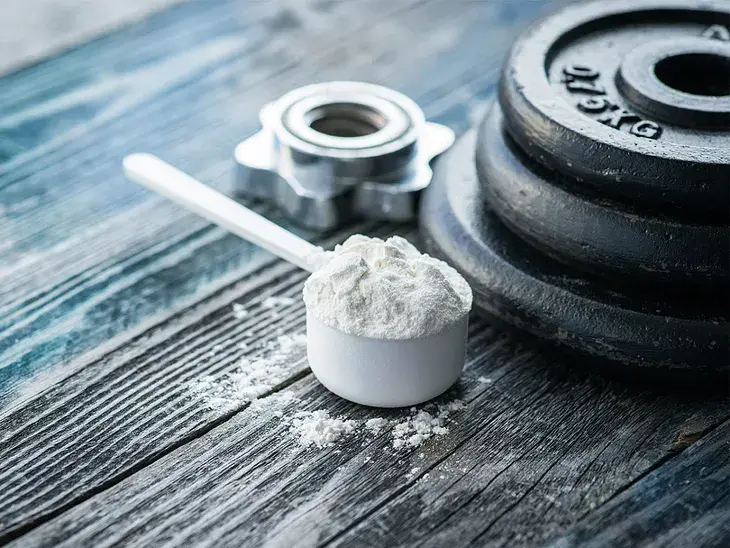
Understanding Creatine Anhydrous Powder and Its Benefits
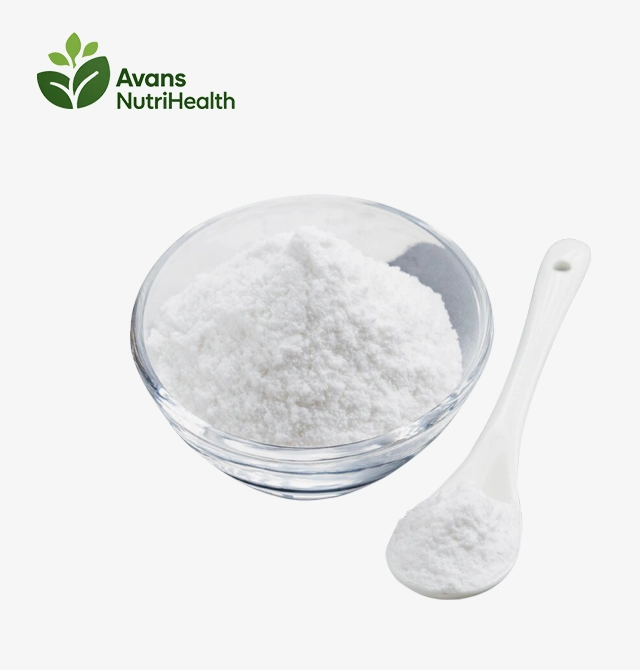
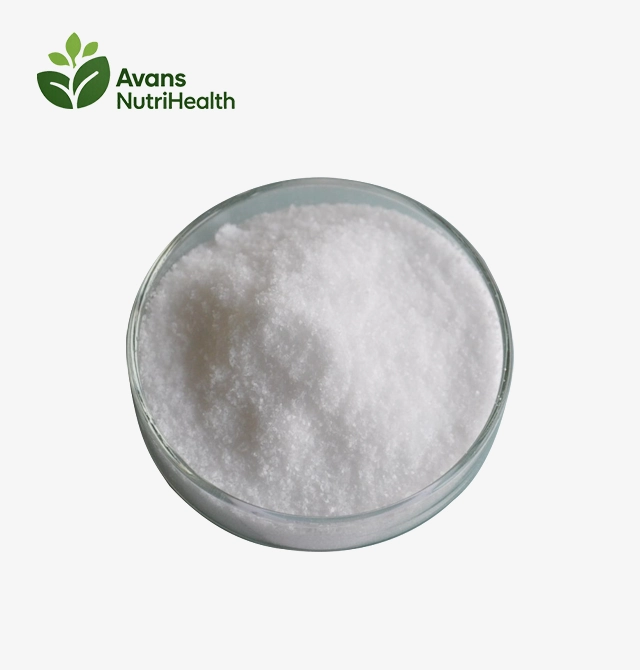
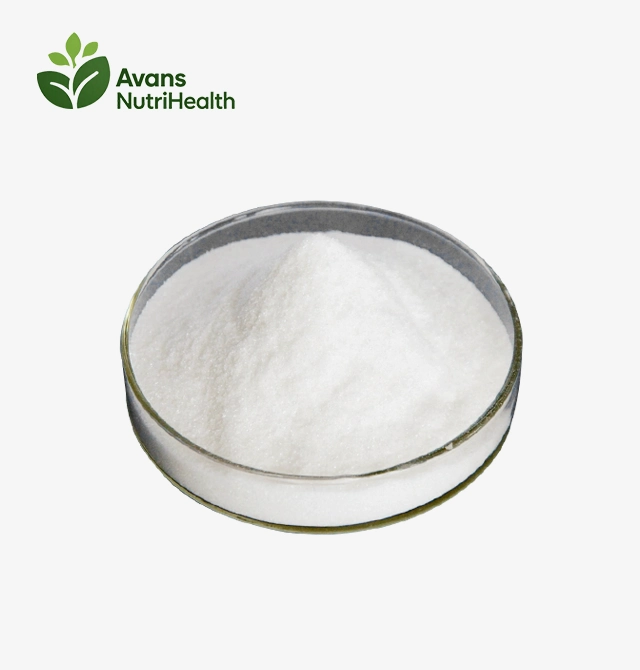
Creatine anhydrous represents a highly concentrated form of creatine monohydrate with the water molecule removed through controlled dehydration processes. This molecular modification results in a crystalline white powder with exceptional purity levels exceeding 99.9%, delivering superior bioavailability and enhanced performance characteristics compared to conventional creatine variants.
Chemical Composition and Molecular Structure
The drying out handle changes creatine monohydrate (C₄H₉N₃O₂·H₂O) into its anhydrous shape (C₄H₉N₃O₂), killing the single water particle while protecting the center ergogenic properties. This basic alteration increments the dynamic fixing concentration, permitting producers to accomplish the same restorative impacts with smaller dosing requirements. The atomic weight decreases from 131.13 g/mol to 113.12 g/mol decipher specifically into made strides in definition, effectiveness, and cost-effectiveness for bulk applications.
Enhanced Bioavailability and Absorption Characteristics
Research Creatine anhydrous powder, which shows prevalent dissolvability profiles and quicker disintegration rates compared to conventional creatine monohydrate. The nonattendance of water atoms anticipates clumping amid capacity and transportation, keeping up steady molecule conveyance, fundamental for uniform blending in large-scale fabricating situations. These characteristics are especially important for B2B clients creating pre-workout details, foaming tablets, and utilitarian refreshments requiring exact fixing distribution.
Performance Benefits for End-User Applications
Clinical considers approve creatine anhydrous in improving adenosine triphosphate (ATP) recovery amid high-intensity workout routines. Every day supplementation increments muscle phosphocreatine stores by up to 20%, specifically deciphering into improved control yield, incline muscle mass improvement, and quickened recuperation times. These reported benefits drive developing demand over sports nutrition markets, situating creatine anhydrous as a premium ingredient for performance-focused product lines. The specialized preferences expand past athletic applications, with developing research highlighting cognitive improvement properties beneath stretch conditions. This growing application scope makes unused openings for B2B producers focusing on cognitive wellbeing supplements and nootropic details, broadening showcase potential beyond conventional sports nutrition segments.
Is Creatine Anhydrous Powder Safe for Daily Use?
Scientific evidence overwhelmingly supports the safety of daily creatine anhydrous consumption within established dosage parameters. Multiple peer-reviewed studies involving thousands of participants across diverse demographic groups confirm minimal adverse effects when proper usage guidelines are followed. The International Society of Sports Nutrition recognizes creatine as one of the most extensively researched and safest sports nutrition ingredients available.
Clinical Safety Profile and Research Validation
Long-term considers traversing up to five a long time illustrate no critical wellbeing dangers related with day by day creatine supplementation in solid grown-ups. Inquire about conventions including everyday measurements extending from 3-10 grams, uncover no unfavorable impacts on kidney function, liver chemicals, or cardiovascular parameters when members keep up satisfactory hydration levels. These discoveries give B2B producers strong security information supporting product development and administrative entries over worldwide markets. The anhydrous shape shows upgraded security characteristics compared to other creatine variations due to its prevalent purity levels and absence of manufacturing by-products. Quality control testing uncovers negligible creatinine substance, the dormant metabolite that can collect in lower-grade creatine items. This virtue advantage becomes especially pertinent for daily-use definitions requiring steady strength over expanded utilization periods.
Recommended Dosage Guidelines for Commercial Applications
Standard dosing conventions suggest 3-5 grams every day for support supplementation, with stacking stages of 15-20 grams separated over numerous dosages for fast absorption. The concentrated nature of creatine anhydrous permits producers to accomplish restorative levels with smaller serving sizes, lessening detailing costs and making strides buyer comfort. These measurement parameters adjust with administrative rules over major markets, encouraging item enrollment and compliance procedures. Manufacturing contemplations incorporate appropriate labeling necessities, contraindication notices for particular populations, and quality confirmation conventions guaranteeing reliable strength all through item rack life. B2B clients benefit from actualizing group testing strategies and setting up traceability frameworks to meet worldwide food safety standards.
Quality Control and Regulatory Compliance Measures
Effective Creatine anhydrous powder join numerous confirmation stages all through the obtainment and fabricating handle. Certificate of investigation documentation ought to incorporate heavy metal testing, microbiological screening, and virtue confirmation utilizing HPLC explanatory strategies. These quality markers guarantee item judgment, whereas assembly rigid administrative prerequisites over assorted worldwide markets. Regulatory compliance amplifies past fundamental security testing to include HACCP conventions and third-party certifications approving generation measures. These quality affirmations construct customer certainty while ensuring B2B clients are protected from risk concerns related to sullied or substandard crude materials.
Comparing Creatine Anhydrous Powder with Other Creatine Variants
The creatine supplement market encompasses multiple molecular forms, each offering distinct advantages and applications suited to specific manufacturing requirements. Understanding these differences enables procurement professionals to select optimal variants balancing performance characteristics, cost considerations, and formulation compatibility for their target applications.
Creatine Monohydrate vs. Anhydrous Form Analysis
Traditional creatine monohydrate remains the most broadly investigated form, with decades of clinical approval supporting its adequacy and safety profile. Be that as it may, the anhydrous variation conveys predominant concentration levels, giving 88% dynamic creatine compared to 80% in monohydrate forms. This contrast translates into decreased shipping costs, fewer bundling necessities, and improved definition productivity for large-scale manufacturing operations. Storage soundness speaks to another basic qualification, with anhydrous shapes illustrating upgraded resistance to humidity-induced corruption. The nonattendance of water atoms avoids change to creatinine amid amplified capacity periods, keeping up power all through commonplace item rack life cycles surpassing 36 months beneath legitimate capacity conditions.
Alternative Creatine Forms: Ethyl Ester, Citrate, and Hydrochloride
Creatine ethyl ester was developed as a lipophilic variation aimed to improve cellular uptake, in spite of the fact that inquire about falls flat to illustrate noteworthy points of interest over conventional shapes whereas presenting higher manufacturing costs. Creatine citrate combines creatine with citric acid, moving forward, solubility characteristics, but diminishing the general creatine concentration per gram of wrapped product. Creatine hydrochloride (HCl) offers extraordinary water dissolvability, requiring littler measurements to accomplish restorative impacts. In any case, the hydrochloride form presents sharpness concerns, possibly influencing item agreeability and detailing compatibility with delicate fixings. Fetched investigation uncovers essentially higher acquisition costs compared to anhydrous choices, restricting commercial practicality for price-sensitive applications.
Cost-Benefit Analysis for Bulk Procurement
Economic assessment must consider different variables past starting crude fabric costs, including shipping costs, capacity requirements, and detailing proficiency impacts. The concentrated nature of creatine anhydrous diminishes transportation costs per unit of dynamic fixing, while minimizing storage space requirements for bulk stock management. Manufacturing productivity picks up through improved flowability and diminished clumping, interpret into operational taken a toll investment funds amid generation forms. These points of interest have become especially articulated in high-volume fabricating situations where handling consistency specifically impacts the general generation of financial matters and item quality uniformity.
How to Procure High-Quality Creatine Anhydrous Powder for Your Business?
Successful procurement strategies require comprehensive supplier evaluation encompassing production capabilities, quality certifications, and supply chain reliability. The global creatine market involves numerous manufacturers with varying quality standards, making supplier selection critical for ensuring consistent product quality and regulatory compliance.
Supplier Qualification and Certification Requirements
Reputable producers keep up different universal certifications approving their generation guidelines and quality administration frameworks. Basic certifications incorporate ISO 22000 food safety management and HACCP usage compliance for pharmaceutical-grade applications. Extra certifications such as HALAL, Legitimate, and natural assignments grow advertise availability whereas assembly assorted client prerequisites over worldwide markets. Production capacity assessment includes evaluating fabricating scale, hardware capabilities, and quality control foundation. Driving providers work offices able of creating hundreds of tons every year whereas keeping up batch-to-batch consistency through mechanized observing frameworks and measurable prepare control methodologies.
Customization Options and OEM Partnership Opportunities
Advanced providers offer comprehensive customization administrations counting molecule estimate adjustment, mix definitions, and private labeling courses of action. These capabilities empower B2B clients to create separated items whereas leveraging set up fabricating skill and administrative compliance systems. Custom bundling alternatives extending from bulk holders to consumer-ready sachets give adaptability for assorted advertise applications. OEM associations encourage get to to specialized definition mastery and administrative bolster administrations, especially profitable for companies entering unused geographic markets with complex enrollment necessities. These collaborative connections regularly incorporate specialized bolster, item improvement help, and advertise insights sharing profiting both parties through shared success.
Supply Chain Risk Management and Logistics Optimization
Effective Creatine anhydrous powder expanded provider systems anticipating disturbances from single-source conditions. Geographic broadening equalizations fetched optimization with supply security, whereas keeping up quality measures over numerous generation offices. Stock administration techniques consolidating security stock levels and request estimating minimize stockout dangers whereas optimizing working capital requirements. Logistics optimization envelops transportation mode determination, combination openings, and distribution center area methodologies. Holder shipping courses of action give cost-effective arrangements for bulk amounts whereas sped up discuss cargo alternatives guarantee supply coherence amid top request periods or unforeseen disruptions.
Maximizing the Value of Creatine Anhydrous Powder in B2B Applications
Strategic integration of creatine anhydrous into commercial formulations requires careful consideration of compatibility factors, stability requirements, and consumer expectations. Understanding these parameters enables manufacturers to optimize product performance while maintaining cost-effectiveness and regulatory compliance across diverse application categories.
Sports Nutrition and Performance Enhancement Products
The sports nourishment division speaks to the biggest showcase section for creatine applications, with items extending from standalone supplements to complex pre-workout definitions. Creatine anhydrous exceeds expectations in powder-based items requiring quick disintegration and reliable power. Its soundness characteristics anticipate debasement in multi-ingredient details containing possibly receptive compounds such as caffeine and amino acids. Formulation compatibility amplifies to different conveyance groups counting capsules, tablets, and ready-to-mix refreshments. The decreased dampness substance avoids capsule debasement whereas guaranteeing tablet hardness consistency amid fabricating forms. These specialized focal points decipher into moved forward item rack life and upgraded customer fulfillment through reliable execution delivery.
Functional Foods and Dietary Supplement Integration
Emerging applications in utilitarian nourishments use creatine's cognitive upgrade properties nearby conventional execution benefits. Item categories incorporate protein bars, dinner substitution shakes, and cognitive wellbeing definitions focusing on broader buyer socioeconomics past athletic populaces. These applications require cautious flavor concealing and surface optimization to keep up agreeability whereas conveying restorative dosing levels.
Quality Assurance Through Certification and Testing Protocols
Comprehensive quality affirmation programs join numerous confirmation stages guaranteeing item quality from crude fabric receipt through wrapped up item conveyance. Third-party testing conventions approve explanatory details whereas giving free confirmation of quality claims. These strategies construct customer certainty while ensuring brand notoriety through steady quality delivery. Advanced testing strategies incorporate steadiness thinks about beneath quickened maturing conditions, compatibility evaluations with common definition compounds, and bioavailability confirmation through dissolution testing. These comprehensive assessments back item advancement choices, whereas identifying potential definition challenges, some time recently commercial launch. Certificate upkeep requires progressing compliance observing, and periodic office reviews, guaranteeing continued adherence to set up quality guidelines. These precise approaches illustrate commitment to quality fabulousness whereas assembly administrative desires over universal markets.
Conclusion
Creatine anhydrous powder represents a safe and effective ingredient for daily use applications when sourced from qualified suppliers and incorporated into properly formulated products. The extensive research supporting its safety profile, combined with superior concentration and stability characteristics, positions it as a premium choice for B2B manufacturers developing performance-oriented supplements and functional foods. Successful implementation requires careful attention to supplier qualification, quality assurance protocols, and regulatory compliance measures, ensuring product integrity throughout the supply chain. The growing market demand for cognitive enhancement and sports nutrition products creates significant opportunities for companies leveraging high-quality creatine anhydrous in their formulations.
FAQ
What is the recommended daily dosage for creatine anhydrous products?
Clinical research supports daily maintenance doses of 3-5 grams for sustained benefits, with optional loading phases of 15-20 grams divided across multiple doses during the initial week. The concentrated nature of anhydrous forms allows achievement of therapeutic levels with smaller serving sizes compared to monohydrate variants.
How does creatine anhydrous differ from creatine monohydrate in manufacturing applications?
Creatine anhydrous contains 12% more active ingredient per gram compared to monohydrate forms due to water molecule removal. This concentration advantage reduces formulation costs, improves storage stability, and prevents humidity-induced clumping during manufacturing processes.
What certifications should suppliers provide for commercial creatine anhydrous procurement?
Essential certifications include ISO 22000 and HACCP compliance for pharmaceutical applications. Additional certifications, such as HALAL, KOSHER, and organic designations, expand market accessibility while ensuring compliance with diverse regulatory requirements across international markets.
Can creatine anhydrous be combined with other ingredients in formulations?
Yes, creatine anhydrous demonstrates excellent compatibility with common supplement ingredients, including amino acids, vitamins, and caffeine. Its low moisture content prevents degradation reactions while maintaining stability in complex formulations throughout typical product shelf life periods.
What are the storage requirements for bulk creatine anhydrous powder?
Optimal storage conditions include cool, dry environments with relative humidity below 60% and temperatures between 15-25°C. Proper storage maintains product potency exceeding 36 months while preventing conversion to inactive creatinine metabolites.
Partner with Avans for Premium Creatine Anhydrous Powder Solutions
Avans NutriHealth Co., Ltd. stands ready to support your creatine anhydrous powder procurement needs with industry-leading quality standards and comprehensive technical expertise. Our state-of-the-art manufacturing facilities maintain multiple international certifications, including ISO, HACCP, FSSC22000, and HALAL compliance, ensuring your formulations meet the highest quality standards across global markets. As a trusted creatine anhydrous powder supplier, we deliver ultra-high purity grades exceeding 99.9% with superior micronization for optimal mixability and rapid absorption characteristics. And we have Creatine Anhydrous Powder in stock. Our technical team provides customized formulation support, regulatory guidance, and competitive pricing structures designed to optimize your product development objectives. Contact our procurement specialists at Lillian@avansnutri.com to discuss your specific requirements and secure reliable supply partnerships that enhance your competitive positioning in the growing sports nutrition and functional supplement markets.
References
1. Kreider, R.B., Kalman, D.S., Antonio, J., et al. "International Society of Sports Nutrition position stand: safety and efficacy of creatine supplementation in exercise, sport, and medicine." Journal of the International Society of Sports Nutrition, 2017.
2. Avgerinos, K.I., Spyrou, N., Bougioukas, K.I., Kapogiannis, D. "Effects of creatine supplementation on cognitive function of healthy individuals: A systematic review of randomized controlled trials." Experimental Gerontology, 2018.
3. Antonio, J., Candow, D.G., Forbes, S.C., et al. "Common questions and misconceptions about creatine supplementation: what does the scientific evidence really show?" Journal of Sports Medicine and Physical Fitness, 2021.
4. Gufford, B.T., Sriraghavan, K., Miller, N.J., et al. "Physicochemical characterization of creatine N-methylguanidinium salt." Journal of Dietary Supplements, 2010.
5. Cooper, R., Naclerio, F., Allgrove, J., Jimenez, A. "Creatine supplementation with specific view to exercise/sports performance: an update." Journal of the International Society of Sports Nutrition, 2012.
6. Butts, J., Jacobs, B., Silvis, M. "Creatine Use in Sports." Sports Health: A Multidisciplinary Approach, 2018.