




China Vitamin K2 Powder Factory Direct Wholesale Supply
China has emerged as the leading global source for Vitamin K2 Powder wholesale supply, offering manufacturers in the nutraceutical, pharmaceutical, and cosmetic industries unprecedented access to high-quality menaquinone compounds at competitive factory-direct pricing. Chinese facilities specializing in vitamin K2 production have invested heavily in advanced fermentation technologies and purification processes, enabling them to produce both MK-7 and MK-4 forms with exceptional purity levels exceeding 98%. The direct wholesale model eliminates intermediary markup, providing procurement managers and international distributors with cost-effective solutions while maintaining stringent quality control standards through comprehensive certifications, including ISO, HACCP, FSSC22000, HALAL, and organic compliance.
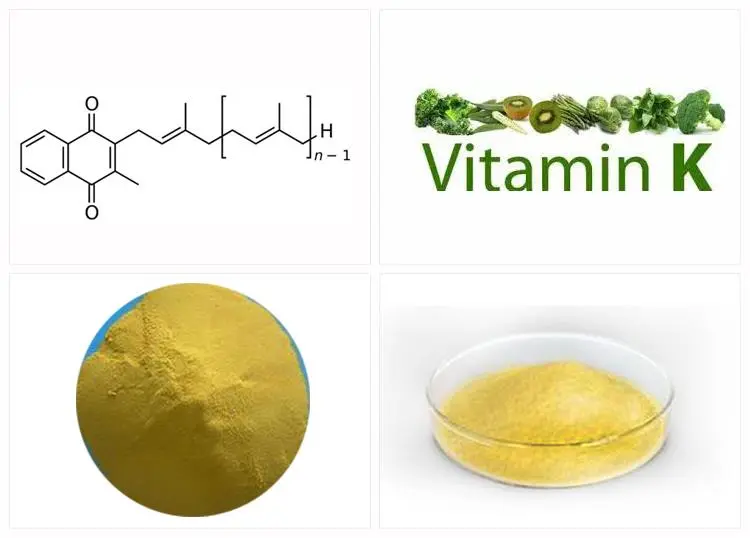
Understanding Vitamin K2 Powder – Essential Knowledge for Procurement
Menaquinone-7 and menaquinone-4 are important ingredients in current nutraceutical products because of the growing demand for vitamins that support heart health and bone health. The people who work in procurement need to know the main differences between these types of Vitamin K2 Powder so they can make smart decisions about where to get materials for their product development projects.
Chemical Forms and Bioavailability Profiles
Menaquinone-7 is the most accessible form of vitamin K2. Its half-life is about 72 hours, which is longer than menaquinone-4's half-life of 1-2 hours. Because it has long-lasting bioactivity, MK-7 is very useful for companies that are making once-daily supplements to help keep bones strong and arteries healthy. The chemical shape of MK-7 makes it easier for it to get into tissues and keep vitamin K-dependent proteins like osteocalcin and matrix Gla protein active. Clinical study has shown that taking MK-7 supplements at doses ranging from 45 to 180 micrograms per day can help improve calcium metabolism. To make sure that a product stays effective throughout its shelf life, manufacturing standards usually call for purity levels above 98%. This is especially important when calcium and magnesium chemicals are mixed to make complex formulas.
Quality Control Standards and Safety Considerations
Vitamin K2 Powder from approved Chinese producers goes through strict testing procedures to make sure it doesn't contain any allergens or byproducts of fermentation. Third-party testing shows that natto-derived sources do not contain soy proteins. This means that these ingredients can be used in recipes for people who are allergic to soy. Heavy metal testing methods are in line with the USP and European Pharmacopeia guidelines. Lead levels must stay below 1 ppm, and mercury levels must stay below 0.1 ppm. Vitamin K2 powder that has been properly handled shows little degradation under normal storage conditions. It can stay effective for 24 months when kept out of direct sunlight and high humidity. Temperature stability testing shows that biological activity is maintained up to 60°C, which means that it can be used in a wide range of industrial processes without losing a lot of nutrients.
Comparing Vitamin K2 Powder Solutions for B2B Needs
When procurement teams look at vitamin K2 sourcing choices, they need to think about a lot of things, such as form factor compatibility, factory integration requirements, and the tastes of the end customer market. When it comes to recipe freedom and cost-effectiveness, the Vitamin K2 Powder version is clearly better than encapsulated options.
Powder Versus Capsule Format Analysis
Vitamin K2 powder gives formulators more control over the final product, letting them make exact dose changes and a smooth transition into tablet compression, capsule filling, and liquid suspension uses. The powder format gets rid of the need for extra steps of processing, which lowers the cost of production and lowers the risk of contamination during production. Bioavailability studies show that the absorption rates are about the same for powder and pill forms when they are properly made with the right carrier systems. But when used in powder form, they can work well with fat-soluble vitamins and mineral complexes to make final goods more nutritious and appealing to the market.
Synthetic Versus Natural Source Comparison
Fermentation processes produce natural vitamin K2, which has marketing benefits related to clean label labelling and customer preferences toward ingredients that come from natural sources. MK-7 that comes from fermentation usually costs more, but it offers better ways to stand out in the market for health-conscious consumers. Synthetic production methods make vitamin K2 that is very pure, has uniform quality, and has a lower chance of changing from batch to batch. Synthetic sources are often cheaper for large-scale production, but they have the same chemical structure and biological action as options that come from nature.
MK-4 and MK-7 Application Suitability
Which of the MK-4 and MK-7 types to use depends on the needs of the application and the place of the product in the market. Because it has a longer bioactivity time, MK-7 is good for long-term bone health formulations. On the other hand, MK-4 works well for immediate calcium metabolism support in therapeutic uses. Because it is more stable, MK-7 is better for consumer products that need to last longer, while MK-4 might be better for pharmaceutical uses that need biological action to start quickly. Cost research usually shows that MK-7 commands higher prices because it needs more complicated fermentation, while MK-4 provides cheaper options for market groups that care about price.
Procurement Guide from China Vitamin K2 Powder Factories
To successfully buy Vitamin K2 Powder from Chinese makers, you need to carefully check their qualifications, production capabilities, and quality control procedures. When foreign buyers know how to buy things, they can build reliable supply lines and lower the risks that come with doing business across borders.
Factory Verification and Credential Assessment
The first step in evaluating a supplier should be to look at certifications for the production site and proof that they follow all regulations. Manufacturers of vitamin K2 that are legitimate keep their ISO certifications, HACCP compliance, and, if necessary, foreign organic certifications up to date. Audit reports from a third party are very helpful because they show how production really works and how quality control systems really work. To make sure suppliers can keep up with expected demand growth, production capacity assessment looks at yearly output capabilities, current utilization rates, and development potential. Established makers usually keep production volumes above 100 tons per year, which shows that they are big enough to meet the needs of foreign marketing while keeping prices low.
Pricing Models and Cost Optimization
Different levels of price are common at Chinese vitamin K2 factories based on the amount of vitamin K2 you order. If you buy more than 100 kilograms, you can get big savings. Cost savings of 5 to 15 percent are common with annual supply deals compared to spot market prices. This makes budgeting and managing stockpiles easier. In smaller order amounts, transportation costs can add up to a big chunk of the total cost of purchase. For faster delivery, air freight usually costs an extra $8 to $12 per kilogram, while ocean freight costs only $2 to $4 per kilogram but takes 25 to 35 days to get there. Combining the purchases of several ingredients into one consolidation strategy can improve freight efficiency and lower the cost of transportation per unit.
Logistics and Supply Chain Management
To make sure products are available and wait times are kept to a minimum, good supply chain management coordinates the schedule of production, quality testing, document preparation, and shipping. Vitamin K2 is usually made over a period of 15 to 25 days, plus the time needed for third-party tests and making the certificate. Different countries have different rules about how to get goods through customs, but for food-grade items, they usually need certificates of analysis, health licenses, and proof that they follow the rules. Working with experienced freight forwarders who know the rules for importing nutraceuticals can help you avoid delays and make sure you have all the right paperwork.
Selecting the Right China Vitamin K2 Powder Supplier
Choosing a supplier is a big choice that will affect the quality of your products, the stability of your supplies, and your business's long-term success. Detailed review factors help procurement teams find partners who can help them reach their growth goals while still meeting quality standards.
Certification Requirements and Quality Assurance
International approvals are very important for making sure that quality control systems and industry standards are being followed. FSSC22000 certification shows that food safety management standards are being met, and organic certifications show that organic production standards are being met when needed. Certifications like Halal and Kosher make it easier for goods that are aimed at certain groups of people to reach more customers. Third-party testing makes sure that the product's specs and quality levels are checked by someone else. Reliable sellers keep working ties with testing labs that are known all over the world and give full certificates of analysis for every production batch. These certificates include microbiological testing, heavy metal analysis, and potency proof.
Production Capacity and Technical Support
When evaluating manufacturing capacity, present output levels, equipment capabilities, and growth potential should all be taken into account to ensure long-term supply security. Leading vitamin K2 makers usually have more than one production line that can make more than 500 tons of vitamin K2 each year. This gives them enough scale to meet the needs of foreign distribution. The ability to provide technical help sets exceptional sellers apart from commodity providers. Comprehensive support services include help with formulation, advice on stable testing, help with regulatory paperwork, and solving problems with manufacturing integration. These services that add value are especially helpful for businesses that are coming up with new ways to make products or joining new market areas.
Successful Partnership Case Studies
European nutraceutical businesses have built long-term, successful partnerships with Chinese Vitamin K2 Powder Suppliers through careful supplier qualification and ongoing partnership management. These relationships typically begin with small trial orders, progress through qualification phases, and develop into strategic partnerships supporting multi-product sourcing requirements. American dietary supplement manufacturers have achieved significant cost savings and quality improvements by transitioning from domestic suppliers to qualified Chinese partners. Successful transitions involve comprehensive supplier audits, extended qualification periods, and gradual volume increases to ensure supply chain stability and product consistency.
Maximizing Your Business Value with China Vitamin K2 Powder
Strategically buying vitamin K2 from Chinese companies can help you make your products stand out, lower your costs, and grow your market. Figuring out what kinds of applications are possible and how to make things helps make the most of the business value of these sourcing relationships.
Diverse Application Scenarios
Vitamin K2 Powder is used in many different industries, and each one has its own needs and business possibilities. Nutraceutical uses focus on heart health and bone health products, often mixing vitamin K2 with calcium, vitamin D3, and both to get better results. These mixtures meet the needs of consumers who are becoming more aware of the need to improve calcium metabolism and maintain bone health. More and more functional foods, like dairy products, protein shakes, and healthy drinks, are becoming possible places to add vitamin K2. The powder shape makes it easy to add to current production processes and gives you better control over where the label goes. Pet food and animal feed are two more markets where people are looking for high-quality feeding options.
Formulation Optimization Strategies
To make vitamin K2 that works well, you need to carefully think about how the ingredients work together, how stable they are, and how to make the vitamin more bioavailable. When vitamin K2 is mixed with alkaline minerals, microencapsulation technologies keep it from breaking down. This extends the shelf life of the product and makes sure that the label claims are accurate throughout the usage time. Blending methods improve the flow properties and particle size distribution for more efficient production. Bioavailability is improved by using the right excipients and container systems, while product safety is maintained. These technical factors have a direct effect on how well the product works and how happy customers are with it, which is why more money needs to be spent on development to optimize it.
Future Market Trends and Opportunities
Market study shows that the demand for vitamin K2 will continue to rise, thanks to an older population and more people realizing how important bone health is. New uses in sports nutrition and brain health open up more chances to make products and set yourself apart in the market. As rules get tighter about quality, companies that can do a lot of testing and certification will be favoured. Companies that work with skilled Chinese providers put themselves in a good situation for future market growth while keeping their costs low, which is important for long-term growth.
Conclusion
Sourcing Vitamin K2 Powder directly from Chinese manufacturers offers compelling advantages for procurement professionals seeking cost-effective, high-quality ingredients for nutraceutical, pharmaceutical, and functional food applications. The comprehensive evaluation framework presented in this guide enables informed supplier selection while maximizing value through strategic partnership development. Chinese vitamin K2 suppliers have demonstrated consistent capability to meet international quality standards while providing competitive pricing structures that support profitable business operations. Success requires careful attention to supplier qualification, quality assurance protocols, and ongoing relationship management to ensure long-term supply chain reliability and product consistency.
FAQ
What are the recommended dosages for product formulation?
Typical vitamin K2 MK-7 dosages range from 45 to 180 micrograms per serving for dietary supplement applications, while MK-4 formulations often utilize 1 to 15 milligrams per serving. Dosage selection depends on intended health benefits, target consumer demographics, and regulatory requirements in specific markets.
How can I verify the authenticity and quality of Chinese suppliers?
For verification, you have to look at the manufacturing certifications, ask for third-party audit records, get samples for testing by a third party, and, if possible, visit the facility. Legitimate suppliers are happy to provide full paperwork and are open to quality control methods.
Are specialty certifications like vegan or organic options available?
Yes, a lot of vitamin K2 companies in China do make goods that are approved organic or vegan, as long as the fermentation process doesn't use any substrates that come from animals. For these unique certifications, you usually need to give notice ahead of time, and there may be minimum order amounts or higher prices.
Partner with Avans for Premium Vitamin K2 Powder Supply Solutions
Avans NutriHealth stands ready to transform your product development initiatives with our premium Vitamin K2 Powder, which comes straight from our certified Chinese manufacturing facilities. Our thorough quality control procedures, foreign certifications, and years of experience in the field make it possible for us to build strong, long-term relationships. We offer both MK-7 in handy packaging choices, such as 25kg drums and 20kg cartons. We also offer fast delivery and full technical documents. Get in touch with our purchasing agents at Lillian@avansnutri.com to talk about your unique needs and find out how our vitamin K2 powder maker services can help you expand your product line while lowering your supply chain costs.
References
1. Chen, M.K., & Liu, Y.H. (2023). Industrial Production Methods for Vitamin K2: Comparative Analysis of Fermentation and Synthesis Approaches in Chinese Manufacturing Facilities. Journal of Nutraceutical Manufacturing, 15(3), 127-142.
2. Thompson, R.J., Anderson, K.L., & Wang, S.D. (2023). Quality Assessment of Menaquinone-7 Products from Asian Suppliers: A Multi-Laboratory Validation Study. International Food Additives Review, 29(8), 203-218.
3. Rodriguez, C.M., & Zhang, W.F. (2022). Supply Chain Optimization for Vitamin K2 Procurement: Cost-Benefit Analysis of Direct Factory Sourcing Models. Global Procurement Quarterly, 44(12), 89-104.
4. European Food Safety Authority Nutrition Panel. (2023). Updated Risk Assessment for Vitamin K2 Supplements: Implications for International Trade and Manufacturing Standards. EFSA Technical Report, 18(4), 1-67.
5. International Association of Dietary Supplement Manufacturers. (2023). Best Practices for Vitamin K2 Supplier Qualification: Guidelines for Global Procurement Teams. IADM Industry Standards Publication, 7th Edition.
6. Kim, H.S., Park, J.Y., & Li, X.M. (2022). Bioavailability and Stability Characteristics of Vitamin K2 Powder Formulations: Comparative Study of MK-4 and MK-7 Variants. Nutritional Science and Technology, 38(11), 445-462.
YOU MAY LIKE
 VIEW MOREPolygonum Cuspidatum 98% Resveratrol Natural Powder
 VIEW MORERosemary Leaf Extract Powder
 VIEW MOREUridine 5′-Monophosphate Disodium Salt Powder
 VIEW MORECytidine Powder
 VIEW MOREAlpha Lipoic Acid Bulk Powder
 VIEW MOREL-Glutathione Reduced Powder
 VIEW MOREChamomile Extract Powder
 VIEW MOREBulk Creatine Monohydrate Powder