




How to Source Premium Bulk Allicin Powder?
A thorough understanding of bioactive stability, seller certifications, and exact quality standards suited to your industry's regulatory demands is necessary when sourcing premium bulk Allicin Powder. Unlike store-bought garlic powders, real garlic extract powder—which is high in diallyl thiosulfinate—needs to be carefully checked using HPLC, follow strict HALAL, ISO, and HACCP rules, and have clear logistics to make sure that each batch is the same. If you're making nutraceutical supplements, feed additives, or functional foods, you need to find a provider whose purity levels, carrier technologies, and customer service meet both your product goals and your customers' safety standards.
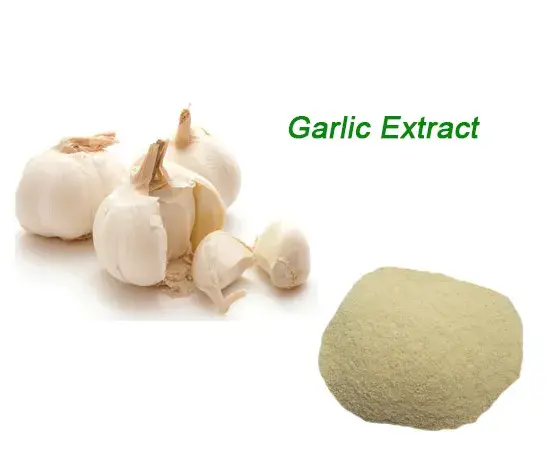
Understanding Allicin Powder and Its Benefits
What Makes Allicin Powder Unique?
From the plant Allium sativum L., allicin is an organosulfur compound found in garlic. It is made when the enzyme alliinase changes the precursor alliin while the garlic is being chopped or crushed. You can tell the difference between premium Allicin Powder and regular garlic dry powder by the strong smell and antibacterial qualities of this bioactive molecule. Allicin in raw garlic breaks down quickly, but professional-grade Allium sativum powder stabilizes the active compound by attaching to silica or calcium carbonate carriers. This makes dosing accurate and increases the powder's shelf life, which is usually 24 months with proper storage.
Core Health and Industrial Benefits
Researchers have found that allicin is effective against a wide range of microbes, including Gram-negative pathogens like E. coli and Salmonella, which makes it a useful drug-free growth stimulant in animal feeding. Its antioxidant properties help heart health by changing how cholesterol is used and making arteries work better. Its immune-boosting properties are used in nutrition products to improve people's health. Studies have shown that adding 100 to 200 grams per ton of pharmaceutical leftovers to chicken feed improves feed conversion rates and lowers death rates. Antimicrobial and anti-inflammatory qualities are used in makeup to help treat acne and keep the head healthy.
Applications Across B2B Sectors
Pharmaceutical and nutrition companies put high-purity natural 99% Allicin Powder into capsule products that are meant to boost the immune system and keep the metabolism healthy. Food and drink companies use it as a natural way to keep things fresh and add taste, and feed additive companies use it to change the gut bacteria of animals instead of medicines. Biopesticides and fungicides are used in agriculture to protect crops in the long term. Cosmetic companies use it in anti-aging and antimicrobial skin care items to meet customers' desire for plant-based actives.
Core Criteria for Sourcing Premium Bulk Allicin Powder
Purity and Potency Standards
Verified allicin content, which can be anywhere from 10% to 99% based on the purpose, is the key to high quality. Buyers should insist on HPLC test reports that show the difference between real diallyl thiosulfinate and inactive polysulfides that are often made to look better by using less accurate titration methods. Bioavailability depends on the type of carrier used. Microencapsulated versions of Allicin Powder keep more than 90% of their effectiveness even after being exposed to pelleting temperatures of up to 85–90°C, which is important for use in feed. Organic approval makes sure that no manmade poisons are used and that sustainable farming methods are followed. Chemical synthesis is cheaper but might not have all the trace phytonutrients that are found in plant-derived extracts.
Essential Certifications and Compliance
To get around in global B2B markets, suppliers need to have qualifications that are known around the world. Food safety management systems must be certified by ISO 22000 and HACCP. HALAL and KOSHER approvals let businesses reach Middle Eastern and Jewish dietary markets. Following the British Retail Consortium's rules is guaranteed by BRC certification, and USDA organic certification proves that the product is non-GMO and that growing methods are environmentally friendly. The FSSC22000 framework combines prerequisite programs with risk analysis to give pharmaceutical and nutritional clients full assurance. Buyers who want to sell in North America and Europe should make sure that their providers keep their registrations with the FDA and EFSA databases up to date.
Packaging and Bulk Logistics
Good packaging keeps the purity of the product while it's being shipped and stored over long distances. Pharmaceutical-grade aluminum foil bags that are flushed with nitrogen stop oxidation, and 25 kg fiber drums with two layers of plastic are good for most large orders. Custom private labeling services let brands stand out, and the minimum order amounts are flexible enough to fit a wide range of business sizes, from 50 kg for test runs to multi-ton contracts. Lead times are usually between 15 and 30 days, but they depend on where the goods are going and how long it takes to clear customs. Knowing what your suppliers have in stock is important for planning your production.
These factors are used to evaluate suppliers and make sure that your purchasing strategy strikes a good mix between quality control and operational efficiency. You can lower the risks of using low-quality materials that could hurt the effectiveness of your product or your company's reputation with regulators by putting strict paperwork and technical specs first.
Evaluating and Comparing Allicin Powder Suppliers
Manufacturer Credentials and Quality Systems
A reliable provider runs cutting-edge factories that can make more than 1,000 tons of Allicin Powder every year and are staffed by more than 100 trained techs who know how to use advanced extraction and adsorption methods. For verification, cleanroom settings should be inspected virtually or in person, solvent residue testing methods should be followed, and controls for microbial contamination should be put in place. When suppliers work with hospitals and research centers, they add scientific rigor to the process of making new medicines. They do this by providing data-backed effectiveness studies that make regulatory applications stronger. Trace systems that connect groups of raw materials to finished goods make it easy to handle recalls and make sure that regulations in controlled markets are followed.
Cost-Effectiveness and Pricing Models
Prices vary a lot depending on the pure grade, how the goods are sourced, and the number of orders. Natural 99% Allicin Powder costs a lot because it's hard to get and costs a lot to get certified as organic. However, 10–25% feed-grade versions are cheaper and can be used for large-scale animal feeding programs. Volume savings usually start to apply when you buy more than a hundred kilograms, and long-term supply deals lock in good rates and protect you against changes in the prices of commodities. Buyers can easily discuss and find hidden margins when quotes are clear and list all costs, including raw materials, processing fees, certification fees, and shipping costs.
Logistics and After-Sales Excellence
Aside from the quality of the product, practical dependability depends on how well logistics are coordinated. Protocols for secure handling keep the powder's consistency even when it's exposed to changes in temperature and humidity while in transit. Suppliers who provide full paperwork, such as Certificates of Analysis, Material Safety Data Sheets, and phytosanitary certificates, make it faster for customs processing and regulatory files. Warranty policies that cover microbial pollution or test errors protect your money, and quick expert support helps with formulation problems and answering regulatory questions. By teaming up with suppliers who keep up global distribution networks in more than 280 cities, you can be sure of regular supply and cut down on procurement wait times.
Step-by-Step Guide to Procuring Bulk Allicin Powder
Defining Your Requirements
First, be clear about how much you need, how pure you want it to be, and what you plan to use it for. For example, a supplement for heart health might need 50% Allicin Powder and be certified organic, while an additive for animal feed might need 15% purity and to be adjusted for heat stability. Regulatory frameworks determine the level of detail needed in paperwork. For example, pharmaceutical uses need thorough tests for heavy metals (lead <2ppm, arsenic <2ppm) and herbicide residues, while feed additives focus on microbial load limits (Total Plate Count <10,000 CFU/g, Salmonella-free). When requirements are in line with end-market rules, costly re-formulations and compliance failures are avoided.
Supplier Qualification and Sampling
Make a short list of manufacturers that have the right certifications, and then ask for full product specs and third-party lab results. HPLC should be used to measure the amount of allicin, the amount of moisture, the particle size distribution (95% of particles should pass through 80 mesh), and the mass density. To make sure the activity stays the same, test the stability under conditions similar to those used in production, like high-shear mixing or pelleting. When it's possible, trips to factories are used to check the accuracy of manufacturing claims, check cleanliness standards, and see how well research can be done. Virtual audits through videoconferencing are a useful option because they allow for real-time checks of tools and quality control walkthroughs.
Negotiating Contracts and Finalizing Terms
When you negotiate a contract, you have to agree on prices, payment terms (such as Letter of Credit or T/T), delivery dates that work with your production cycles, and "force majeure" rules that cover supply problems. Set accepted levels for assay results and come up with ways to punish batches that don't meet the requirements. Incoterms (FOB, CIF, DDP) say who is responsible for shipping costs and risks, which has an effect on total spending for buying things. When OEM or ODM companies work together, intellectual property agreements protect secret formulas, and secrecy terms keep private business data safe. Writing down these rules reduces disagreements and ensures that everyone is responsible.
Real-World Case Studies and Best Practices
Success Stories from Leading Brands
A North American nutraceutical business worked with a qualified Chinese producer to make a supplement for heart health that has 50% pure Allicin Powder. The supplier made sure the product stayed effective for 18 months by using strict HPLC testing and special nitrogen-packed packaging. This allowed the product to be successfully launched in health food shops. Another European company that sells feed additives found a microencapsulated 25% allicin product that could be used instead of antibiotics in broiler diets. This led to a 12% increase in feed conversion ratios and no withdrawal periods before slaughter. These results show that planned teamwork between suppliers and technical customization gives businesses an edge over their competitors.
Common Pitfalls and Mitigation Strategies
Quality problems are often caused by bad transport technology, which causes allicin to break down quickly after production. According to ICH standards, buyers should not accept providers who can't give them accelerated stability data. There are weaknesses in the supply chain when producers don't have backward integration into garlic farming. This leaves buyers open to changes in seasonal crops. Diversifying your supply base across different areas lowers the risk of relying on a single source. Not following the rules, like not having the right HALAL certificates for exports from the Middle East, leads to package rejects and financial losses. Such problems can be avoided by checking providers' certification packages against the needs of the target market ahead of time.
Buyer's Checklist for Sourcing Excellence
To make buying easier, keep a list of things that need to be bought. This list should include: confirmed HPLC assay reports that tell the difference between allicin and inactive sulfides; heavy metal and pesticide residue testing that meets EP/USP standards; microbial safety paperwork that proves Salmonella and E. coli; certification portfolios that match export destinations; thermal-stability data for feed-grade uses; and clear price breaks. To build long-lasting relationships, do quality checks every three months, work together to come up with new formulas, and talk about multi-year supply deals that balance promises to volume with room for changes in demand.
Conclusion
It's important to strike a balance between the needs of science and the needs of business when sourcing quality bulk Allicin Powder. Prioritizing confirmed purity through HPLC testing, obtaining thorough certifications like ISO, HALAL, and HACCP, and forming partnerships with makers who offer strong quality systems and clear logistics can change buying from a one-time transaction to a strategic partnership. B2B buyers in nutraceuticals, pharmaceuticals, feed, and cosmetics can get reliable, highly effective garlic extract powder that meets regulatory standards and makes their products more competitive in global markets by using structured qualification processes, negotiating clear contracts, and learning from case studies in the industry.
FAQ
What differentiates Allicin Powder from standard garlic powder?
Normal garlic powder has extra alliin that needs to be activated by enzymes, but professional Allicin Powder has pre-stabilized diallyl thiosulfinate bound onto carriers, which means it starts killing germs right away without any extra work. This stabilization technology makes the shelf life 24 months longer than liquid garlic oil, which makes it better for accurate doses in the industry.
How can buyers verify allicin purity in bulk shipments?
Ask for HPLC Certificates of Analysis that list the amount of allicin and thiosulfinate present. An extra layer of security is added by third-party test verification through approved centers. It's also important to make sure that the product doesn't have any heavy metals (like arsenic or lead) and that the moisture level is less than 10%. Microbes should also be checked to make sure that the Total Plate Count is less than 10,000 CFU/g.
Which certifications matter most for international trade?
Food safety management is approved by ISO 22000 and HACCP. HALAL and KOSHER certifications let you sell to people who follow religious diets. Organic licenses from the USDA and EU prove that the food is not genetically modified, and BRC approval meets the needs of retailers in Europe and North America. FSSC22000 offers full framework compliance, which is especially useful for pharmaceutical-grade apps that need strict documentation.
Partner with Avans for Reliable Allicin Powder Supply
As a committed Allicin Powder producer with almost twenty years of experience, Avans NutriHealth is the best choice for you. Our fine white powder is approved by HALAL, ISO, USDA, HACCP, and FSSC22000 methods, and it has up to 99% natural allicin content that has been stabilized for maximum bioavailability. We provide complete solutions for nutritional, pharmaceutical, feed, and cosmetic uses. Our products are always in stock, and we can produce more than 1,000 tons of them each year. Our OEM/ODM services are flexible, and we work with more than 30 research institutions to support them. Email our team at Lillian@avansnutri.com to get samples, talk about formulating needs, or set up a facility check. Let us help you come up with new products by finding them for you and making sure they meet all world standards.
References
1. Block, E. (2010). Garlic and Other Alliums: The Lore and the Science. Royal Society of Chemistry.
2. Borlinghaus, J., Albrecht, F., Gruhlke, M. C., Nwachukwu, I. D., & Slusarenko, A. J. (2014). Allicin: Chemistry and Biological Properties. Molecules, 19(8), 12591-12618.
3. Lawson, L. D., & Wang, Z. J. (2005). Allicin and Allicin-Derived Garlic Compounds Increase Breath Acetone through Allyl Methyl Sulfide. Journal of Agricultural and Food Chemistry, 53(6), 1974-1983.
4. Rivlin, R. S. (2001). Historical Perspective on the Use of Garlic. Journal of Nutrition, 131(3), 951S-954S.
5. Tattelman, E. (2005). Health Effects of Garlic. American Family Physician, 72(1), 103-106.
6. Xiong, X., Wang, P., Li, X., & Zhang, Y. (2015). The Effects of Garlic Extract on Blood Pressure and Cardiovascular Health: A Meta-Analysis. Journal of Hypertension, 33(6), 1048-1057.