




How to Source High-Quality Folic Acid Powder in Bulk?
Sourcing high-quality Folic Acid Powder in bulk requires a strategic approach that balances quality assurance, supplier credibility, and cost-effectiveness. Procurement managers in the nutraceutical, pharmaceutical, and food fortification sectors must navigate complex certification requirements, purity standards, and supply chain logistics. The optimal sourcing strategy involves verifying supplier certifications like ISO and HALAL, requesting comprehensive Certificates of Analysis (COA), conducting sample testing, and establishing transparent communication channels with manufacturers who maintain consistent inventory and offer technical support tailored to your formulation needs.
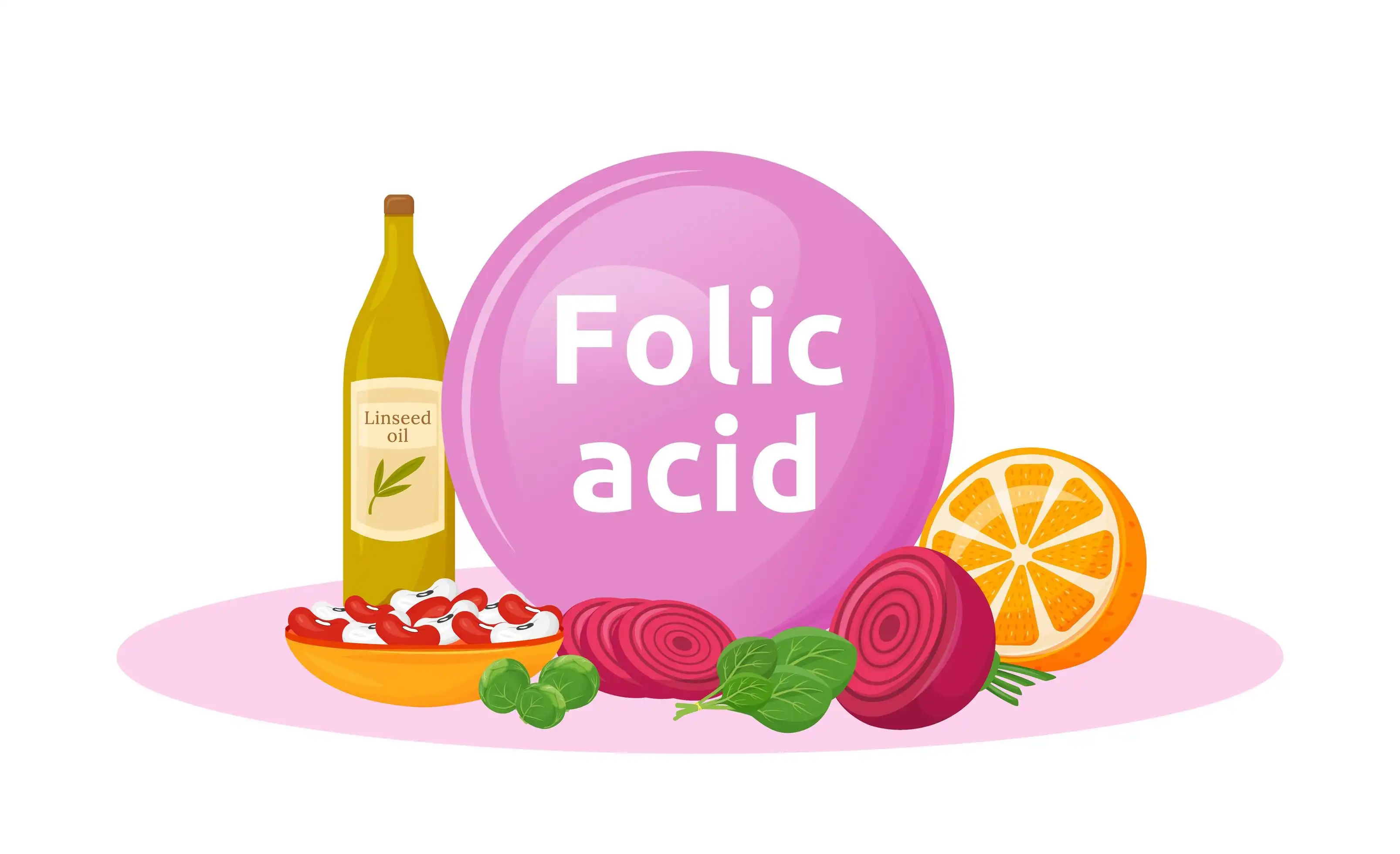
Understanding Folic Acid Powder and Its Importance in B2B Procurement
Folic Acid Powder, which is also called Folic Acid Powder or vitamin M in the scientific world, is a water-soluble B vitamin that is needed to make DNA, divide cells, and make red blood cells. This nutrient is used in industry as a solid Folic Acid Powder that is yellow or orange and has the CAS number 59-30-3. This ingredient is important for business in many areas, such as making pregnancy supplements, adding nutrients to useful foods, and even making skin-healthy cosmetics.
Defining Folic Acid and Its Nutritional Value
Folate is something that the body cannot make on its own, so taking supplements is important for avoiding neural tube problems during pregnancy and improving heart health. Folic Acid Powder, a manufactured form of folate, is better for manufacturers than naturally occurring folate because it stays stable better during processing and storage. Folic Acid Powder that is properly made is bioavailable at about 85%, which is a lot higher than folates that come from food. Because of this, it is the best ingredient for prenatal vitamins, breakfast foods, and therapeutic pills that are meant to help people who are known to be at risk for a deficiency.
Industrial Applications Across Multiple Sectors
Folic Acid Powder is added to prescription medicines by drug companies to help treat megaloblastic anaemia and help people who are going through chemotherapy. This substance is very important to the nutraceutical business for making baby multivitamins. Daily doses of 400 to 800 micrograms are common. Food companies use it to add extra nutrients to grain goods to meet the requirements of regulations in more than 80 countries around the world. Some new uses for Folic Acid Powder include cosmetics, where it helps cells grow back and the skin's protective function. Folic Acid Powder is used in animal feed to improve the reproductive health of breeding animals. This shows how versatile the ingredient is in the feed additives, makeup, and healthcare food industries.
Why Powder Form Dominates Bulk B2B Procurement
For corporate users, the crystalline powder format has clear benefits. Finely ground Folic Acid Powder, unlike liquid concentrates or solid forms, works well in processes like compressing tablets, filling capsules, and adding nutrients to drinks. The Folic Acid Powder has very accurate doses, which lets formulators meet the exact nutrient targets set by government agencies. Stability during storage is another important factor. Folic Acid Powder that is properly packaged stays active for 24 to 36 months when kept in a controlled environment. When you buy Folic Acid Powder in bulk, the price per unit goes down by a lot. The price savings get really big when you order more than 100 kilograms. Because of these practical reasons, over 70% of business-to-business deals in the vitamin supplement market involve Folic Acid Powder instead of other forms.
Criteria for Evaluating High-Quality Folic Acid Powder Suppliers
In the competitive vitamin raw material market, trusted producers can be told apart from low-quality suppliers by the difference in quality. Teams in charge of buying things need to come up with organised ways to evaluate both the specs of the products and the suppliers' ability to run their businesses.
Essential Quality Standards and Certifications
Folic Acid Powder that is used in medicine has to meet tight guidelines set by the United States Pharmacopoeia (USP) or the European Pharmacopoeia (EP). These guidelines say that the Folic Acid Powder has to be at least 97% pure and have very few solvents left over. Even though the rules for food-grade materials are a little less strict, they still need to be tested thoroughly for heavy metals, microbial contamination, and allergen cross-contact. Looking for ISO 9001 for quality management, ISO 22000 for food safety, HACCP for hazard analysis, and FSSC22000 for full food safety certification will show how committed a supplier is to quality systems. Religious food compliance approvals, such as HALAL and KOSHER, make it easier for finished goods to get into more markets. Organic approvals from the USDA or similar groups show that the products were sourced cleanly. However, synthetic Folic Acid Powder rarely meets the requirements for organic status because of the way it is made chemically.
Certificate of Analysis (COA) Verification Process
Each shipment of a batch should come with a full COA that lists test results from different labs. Assay results that confirm the active ingredient content (usually 95–102%) of the labelled claim, identification tests using spectrophotometric or chromatographic methods, and contamination screens for heavy metals like lead (≤3 ppm), arsenic (≤2 ppm), and mercury (≤1 ppm) are some of the most important factors. Total plate counts should be less than 1,000 CFU/g, and pathogens like Salmonella and E. coli should not be present. E. coli and yeast and mould counts should be below the pharmaceutical limits. Smart buyers do not just rely on data generated by the seller; they also ask for proof from a third-party lab. The paperwork should have batch tracking information that connects the finished product to the sources of the raw materials, times of production, and stability testing results that back up the claimed shelf life.
Supplier Reliability and Manufacturing Transparency
A long-term relationship depends on more than just paperwork. It also depends on practical factors. Manufacturing capacity is important—suppliers with facilities that produce more than 1,000 tonnes of goods a year show that they can grow with your business. Excellent providers are different from average ones when it comes to technical support. Look for teams that can help with formulation, stability testing, and regulatory paperwork. Since recent global problems, supply chain resilience has become more important. Make sure that makers keep a safety stock, run multiple production lines, and get precursor materials from a variety of providers. Checking a company's reputation by looking at references from people in the same field, reports from auditors, and customer reviews gives you meaningful information that goes along with the numbers. Customisation choices, such as changing the particle size, using spray-dried forms, or mixing premixes beforehand, make the product more useful for specific uses.
How to Select the Right Folic Acid Powder for Your Business Needs
To make a strategic choice, you need to make sure that the product specs match your application needs and business plan. Mismatches between bought materials and formulation needs that cost a lot of money can be avoided with a structured review framework.
Application-Specific Selection Framework
Pharmaceutical-grade Folic Acid Powder that meets high purity standards and has particle sizes that are best for straight compression tableting or encapsulation is usually needed to make prenatal supplements. Food-grade materials with a wider range of specifications may be used in general nutrition products for adults, with cost-effectiveness taking precedence over purity. For pharmaceutical uses involving therapeutic or injectable formulas, the best quality level is needed. These often need extra certifications like Drug Master Files (DMF) and approved analysis methods. Feed chemical uses have to balance how well they work nutritionally with how much they cost, and they often have to meet industrial-grade standards. For cosmetics, they need forms that dissolve easily in water and work well with serums and creams, so spray-dried or micronised forms may be best.
Comparing Synthetic Versus Natural-Source Options
The market mostly uses synthetic Folic Acid Powder, which is made chemically from guanine or pteridine as a starting material. This route offers consistent quality, high purity, and low prices. Folates that come from natural sources, like lemon peel or spinach, are good for selling "clean label" items, but they are much more expensive and do not last as long. Bioavailability differences between manufactured Folic Acid Powder and natural 5-methyltetrahydrofolate (5-MTHF) are not very big in people whose metabolisms work normally. However, the methylated form is better for about 40% of people who have MTHFR gene variants. Most business-to-business buyers choose synthetic options for everyday uses and save the more expensive natural or methylated types for specific product lines aimed at health-conscious customers who are willing to pay more.
Pricing Structures and Negotiation Strategies
The price of bulk goods is based on how much you buy, with important price breaks at 100 kg, 500 kg, and 1,000 kg. Pharmaceutical-grade Folic Acid Powder usually costs between $45-75 per kilogram on the spot market for amounts less than 100 kg. At 500 kg, the price drops to $30-50 per kilogram. Long-term supply agreements with commitments of more than 5,000 kg per year can get you bigger discounts and protect the price of your goods. Buyers have more negotiating power when they show they know about the product, give detailed specifications, and promise to keep placing orders in the same way. When you do a total cost analysis, you should look at different ways to package the goods (for example, 25 kg fibre drums are cheaper per unit than a bunch of smaller containers) and different payment terms that balance cash flow with early payment savings. Before placing a large order, procurement teams with a lot of experience ask for samples. Reliable suppliers offer 100–500 gram evaluation quantities for very little money.
Step-by-Step Process to Source and Order Folic Acid Powder in Bulk
Sourcing high-quality Folic Acid Powder in bulk demands a thorough plan that takes into account technical requirements, source dependability, and pricing. Clear application standards are the first step in successful procurement. Next comes a thorough review of the seller, which includes checking their certifications and testing samples. Finally, strategic partnerships with makers that offer technical support and supply chain transparency are the result.
Identifying and Vetting Potential Suppliers
Start looking for suppliers on business-to-business (B2B) sites, at industry trade shows, and through professional networks that focus on medicinal products. Make a list of five to eight candidates who meet the following basic requirements: where the products are made, a list of their certifications, and minimum order amounts that meet your needs. When you first reach out, you should ask for company profiles, product catalogues, and lists of past clients. Do some basic research by making sure the business is registered, looking for regulatory warning letters or import alerts, and making sure there are actual manufacturing sites other than trading companies. Contact two or three past clients to find out how reliable they are when it comes to shipping times, product consistency, and dealing with quality problems. Before spending time and money on a deeper evaluation, this screening step usually gets rid of 40 to 60% of the initial possibilities.
Sample Evaluation and Quality Auditing
Ask the remaining candidates for samples weighing 100 to 500 grams and explain what you plan to do with the material so that you can get it graded correctly. Do side-by-side tests to make sure the samples you receive meet the requirements. These tests should include looking at the samples to make sure they are the same colour and don't clump, testing their solubility in the right solvents, and ideally, an independent lab analysis that matches key COA parameters. Check the quality of the packaging—the right samples come in sealed aluminium foil bags with desiccant packs and clear labels. For partnerships that are worth a lot, you should set up virtual or in-person building checks that look at the production areas, quality control labs, warehouse conditions, and document control systems. Checklists for audits should check that different types of products are kept separate, that scientific equipment calibration records are kept, that bug control programs are followed, and that training records for staff are kept. This step takes 4 to 8 weeks, but it greatly lowers the risks in the supply chain in the long run.
Finalizing Purchase Terms and Logistics
Talk about detailed buy deals that include details like requirements, acceptance criteria, delivery dates, and ways to fix materials that don't meet standards. Important parts of a contract are Incoterms that make it clear where costs and risks are transferred, payment terms that balance security with the ease of working capital, and good ways to settle disagreements. When planning logistics, it's important to think about the right way to package things. Pharmaceutical-grade Folic Acid Powder is usually shipped in double-polyethylene bags inside fibre drums, with desiccants and sealed lids keeping dampness out. If you store it below 25°C with controlled humidity, it will last for 24 to 36 months. Harmonised System (HS) codes (usually 2936.20 for vitamin B and its derivatives), proof of country of origin, and sanitary certificates for food-grade materials must all be correct in order to follow customs rules. Lead times are between 2 and 4 weeks for things that are already in stock and between 6 and 10 weeks for custom formulas or big orders that need dedicated production runs.
Case Studies: Successful Bulk Procurement of Folic Acid Powder
Real-life examples show how smart choices about sourcing can help solve problems and produce real business results.
Case Study 1: Prenatal Supplement Brand Partnership
A medium-sized nutrition business that was making a high-end line of prenatal vitamins started by working with a cheap source that sold pharmaceutical-grade Folic Acid Powder for $35 per kilogram. After two production runs, quality control found that the particles' sizes were not evenly distributed, which was making it hard for the mixture to flow during packaging. As a result, 12% of the final capsules did not meet the weight requirements. The purchasing team broadened their search and gave more weight to sellers who had previously worked with supplement uses. They worked with a company that could give them technical advice on the best particle size ranges (D50 between 15 and 25 microns) for their encapsulation equipment. Even though the new supplier's prices went up to $48 per kilogram, production efficiency went up by a huge amount—reject rates dropped below 2%, which meant that expensive repair and dumping costs were avoided. The supplier's suggestions for proactive stability testing increased the shelf life of the finished product from 18 months to 24 months, which made it easier to manage inventory. This example shows that the total cost of ownership includes more than just the price of each unit. It also includes the value of technical support and how efficiently the product is made.
Case Study 2: Distributor Portfolio Expansion
Based on customer requests and market growth trends, a speciality ingredient wholesaler that works with functional foods decided that Folic Acid Powder would be a good addition to their product line. Instead of going with the first provider that came up, they did a structured six-month review of five manufacturers in Asia and Europe. They gave a lot of weight to the number of certifications because they knew that clients who serve a wide range of global markets need a lot of different governmental approvals. The chosen partner was certified in ISO, HACCP, FSSC22000, HALAL, and KOSHER, which meant that the wholesaler could serve customers right away in North America, Europe, and the Middle East. Because the seller was ready to keep consignment goods in the distributor's warehouse, smaller customers didn't have to worry about meeting the minimum order number. Within 18 months, Folic Acid Powder brought in 8% of the distributor's income with above-average returns. It also helped the distributor build stronger relationships with current customers who liked the wider range of products. This example shows how seller skills other than product quality, like being able to offer flexible payment terms and a wide range of certifications, help delivery businesses stand out from their competitors.
Conclusion
Finding high-quality Folic Acid Powder in bulk requires a thorough plan that takes into account technical requirements, source dependability, and pricing. Clear application standards are the first step in successful procurement. Next comes a thorough review of the seller, which includes checking their certifications and testing samples. Finally, strategic partnerships with makers that offer technical support and supply chain transparency are the end result. For companies in the pharmaceutical, nutraceutical, food fortification, and cosmetics industries, the crystalline powder shape is the best for handling, recipe freedom, and cost-effectiveness. In competitive markets where product integrity affects brand image and regulatory compliance, buyers who take the time to carefully vet suppliers, do thorough quality checks, and make comprehensive purchase agreements set their companies up for long-term success.
FAQ
1. What is the recommended dosage of folic acid in prenatal supplements?
Folic Acid Powder levels in standard prenatal formulas are 400 to 800 micrograms per daily serving, which is what the American College of Obstetricians and Gynaecologists recommends. Women who are more likely to have a neural tube defect may need 1,000 to 5,000 micrograms while being closely watched by a doctor. Take into account the loss of stability over time when formulating. Usually, add 10 to 15 percent more than what the label says to make sure the claim lasts until the expiration date.
2. How can I verify a supplier's authenticity and avoid counterfeit products?
Instead of depending only on documents made by the seller, get batch-specific COAs from independent third-party labs. Check the validity of certification claims by getting in touch with the organisations that issued the certificates, such as ISO registrars or HALAL certification agencies. Instead of using simple colorimetric tests that can be tampered with, use identification tests like High-Performance Liquid Chromatography (HPLC) that confirm molecular structure. Instead of trading companies that can't make things, build relationships with manufacturers who have physical production facilities.
3. What causes folic acid powder to change color or clump during storage?
Oxidative breakdown from being exposed to water turns the Folic Acid Powder's yellow colour into orange or brown shades. For proper storage, items must be kept in covered containers with desiccants at temperatures below 25°C in places with low humidity. Clumping happens when hygroscopic moisture is absorbed. This can be stopped by using tightly sealed containers and climate-controlled storage. Good suppliers use aluminium foil laminate bags, which are better at keeping moisture out than regular polyethylene packaging.
Partner with Avans for Reliable Folic Acid Powder Supply
Avans NutriHealth Co., Ltd. is a reliable company that makes Folic Acid Powder. They have strict quality standards and offer full technical support that is suited to your specific recipe needs. Our yellow to orange crystalline Folic Acid Powder is in stock and ready to ship from our factories in China. It has all the necessary certifications, such as ISO, USDA Organic, HACCP, FSSC22000, and HALAL, to make sure your products meet the needs of a wide range of global markets. With over 100 specialised workshop experts and a production capacity of more than 1,000 tonnes per year, we provide the reliable supply that growing companies need.
Our knowledge covers a wide range of uses, from adding to feed to helping with recipes in the cosmetics and healthcare industries. We have an experienced research and development team that can help with formulations and stability tests. We know that procurement managers need more than just basic ingredients. They need partners who are dedicated to their success and will communicate clearly, provide thorough documentation, and provide quick service. Email our team at Lillian@avansnutri.com to get full product details, batch-specific COAs, and free samples that show how committed we are to quality. Find out why top companies that make nutraceuticals, medicines, and food supplements choose Avans as their chosen Folic Acid Powder provider for long-term business partnerships.
References
1. Bailey, L.B., Stover, P.J., McNulty, H., et al. (2015). "Biomarkers of Nutrition for Development—Folate Review." Journal of Nutrition, 145(7), 1636S-1680S.
2. Crider, K.S., Bailey, L.B., Berry, R.J. (2011). "Folic Acid Food Fortification—Its History, Effect, Concerns, and Future Directions." Nutrients, 3(3), 370-384.
3. Institute of Medicine (US) Standing Committee on the Scientific Evaluation of Dietary Reference Intakes. (1998). "Dietary Reference Intakes for Thiamin, Riboflavin, Niacin, Vitamin B6, Folate, Vitamin B12, Pantothenic Acid, Biotin, and Choline." Washington (DC): National Academies Press.
4. Scott, J.M. (1999). "Folate and Vitamin B12." Proceedings of the Nutrition Society, 58(2), 441-448.
5. World Health Organization. (2009). "Recommendations on Wheat and Maize Flour Fortification Meeting Report: Interim Consensus Statement." Geneva: WHO Press.
6. Zhang, Y., Zhou, H., Perkins, K.A. (2012). "Maternal Dietary Nutrient Intake and Its Association with Preterm Birth: A Case-Control Study in Beijing, China." Nutrients, 4(11), 1713-1723.