




How to Choose the Best Curcumin Extract Powder Supplier
Choosing the right curcumin extract powder supplier shapes the quality, compliance, and commercial success of your finished product. Whether you're formulating dietary supplements, functional foods, pharmaceuticals, or cosmetic actives, sourcing a standardized turmeric-derived extract—typically ≥95% total curcuminoids by HPLC—demands rigorous vetting. The wrong supplier introduces batch inconsistency, certification gaps, and bioavailability shortfalls that cost far more than the price difference. This guide walks procurement managers, R&D formulators, and international distributors through a structured, evidence-based evaluation process to identify a reliable Curcuma longa extract partner.
Why Getting Supplier Selection Right Matters
Another plant agent on the market that has been studied a lot is curcumin. A 2021 systematic review published in Nutrients found more than 120 human clinical studies that tested curcuminoid supplements. This shows that there is a steady demand for them in the nutraceutical, pharmaceutical, and cosmetics systems. Because of this demand, there are a lot of curcumin extract powders available, and not all suppliers can deliver what they say they can in their catalogs.
Three problems that procurement teams often have to deal with are:
- Inconsistent standardization. There are only 2–3% curcuminoids in raw turmeric root. Professional-grade extract needs to be concentrated and tested to make sure it has at least 95% total curcuminoids, but many suppliers give out fake certificates of analysis.
- Certification gaps. North America, Europe, and the Middle East all have regulated markets that need HALAL, KOSHER, USDA Organic, BRC, or HACCP certificates, based on the application. Not having the right licenses can slow down or stop a product from entering the market at all.
- Bioavailability liability. Curcumin is attracted to fat and almost doesn't dissolve in water. It is also quickly removed by the body's metabolism. If a supplier can't give formulators advice on how to co-formulate with piperine or phospholipid delivery systems, they have to handle this level of complexity on their own.
Setting clear goals for your purchases before talking to any vendors will help you avoid unnecessary problems. Make sure you know what kind of curcuminoid test you need, how much you need each year, how long you can wait for a response, what certifications you want, and how the product will be used before you talk to a seller.
Core Metrics to Evaluate a Turmeric Extract Manufacturer
A reliable provider shows quality in four areas that can be measured. If you understand each dimension, you can compare vendors without relying on marketing speak.
Product quality and analytical transparency are at the top of the list. Ask for a full analysis report that includes tests for heavy metals (like lead, arsenic, mercury, and cadmium) and curcuminoid levels by HPLC, as well as microbiological limits, leftover solvent data, and particle size distribution. Authenticated third-party laboratories test every batch of curcumin extract powder from reputable suppliers.
Supply chain reliability determines whether quality on paper means regular delivery. Find out how much they can make in a year, how much they keep in stock, what the minimum order quantity is, and how they ship items using cold chain or light protection. Curcumin is very sensitive to light, so it is possible that it will break down while in transit.
Pricing transparency saves your profit margins. A reliable seller lists the costs of where the raw materials come from, how they were extracted, and certifications instead of hiding them in a general unit price. Pricing tiers for bulk orders and clear payment terms are signs of a professional business.
Market standing and longevity are good ways to figure out how reliable something is. A supplier that has been in business since 2005 and has partnerships in more than 280 cities has a track record that can be checked. This track record is supported by client testimonials, an audit background, and written case studies.
These four factors work together to give procurement teams a fair way to compare and rank different vendors before they ask for samples.
Comparing Supplier Types and Product Forms
Each seller has a unique place in the supply chain, which impacts price, the amount of customization possible, and wait time for a high-quality curcumin extract powder.
Factory-Direct Manufacturer vs. Wholesale Distributor
The extraction, standardization, and packaging are all managed by the factory-direct manufacturer in the same building. This model usually gives you lower prices per kilogram, better batch tracking, and the freedom to change specs like curcuminoid assay, mesh size, and moisture content to fit your manufacturing needs. A bulk wholesaler, on the other hand, gets their stock from many different places. They might be able to turn around smaller orders faster, but they don't have as many customization options, and it's harder to check that the goods are being tracked.
Organic vs. Conventional Curcuma Longa Extract
Turmeric powder that is USDA Organic costs more, but this is worth it in health-focused stores where clear labels influence buying decisions. Organic approval is a must if you want your final product to stand out in the natural health or clean-label food markets. Conventional non-organic extract can still be used for pharmaceutical ingredients and animal feed, where the organic name doesn't carry as much weight in the business world.
Bioavailability Enhancement: Piperine and Beyond
Many formulators combine raw curcuminoid powder with piperine (black pepper extract), which has been shown in studies to increase curcumin absorption by up to 2,000% in humans (Planta Medica, 1998), so that it can be taken by mouth more easily. Find out from potential suppliers if they offer liposomal preparations, co-processed blends, or nano-emulsion formats. A seller who gives technical advice on choosing a transport method adds value that can be measured beyond the bulk ingredient itself.
Matching Supplier Capabilities to Your Industry's Requirements
Curcuma longa extract has to meet different legal and manufacturing requirements in each industry.
Nutraceutical and Dietary Supplement Manufacturers
Supplement brands need a provider that knows how to follow USP monographs, make allergen declarations, and meet the standards of the FDA Dietary Supplement Health and Education Act (DSHEA). For label claims to be true, curcuminoid consistency from batch to batch is very important. Private-label and OEM manufacturing support, which includes custom encapsulation, blending with excipients, and labeled packaging, lets brands get their products to market faster without having to buy their own production equipment for processing curcumin extract powder.
Pharmaceutical and Cosmetic Formulators
Pharmaceutical intermediates need to have their chemical routes written down, their stability data based on ICH standards, and their impurity profiles analyzed. In cosmetics, curcumin works as both a tyrosinase inhibitor for brightening formulas and an antioxidant in anti-aging serums. In this case, it's important to get oxidative stability data and emulsion compatibility tests from the seller.
Food, Beverage, and Functional Ingredient Buyers
Curcumin is a natural colorant that is classified as E100 in the EU. It is used in many foods and drinks, including dairy, sauces, and sweets. In this market, buyers look for products that are certified by HACCP and FSSC 22000, have food-grade solubility requirements, and come in microencapsulation choices that keep them from settling in water-based systems.
Across all sectors, you should always ask for and test a sample batch before placing a large order. Check the COA against the standards of your own lab and make sure that expert help is available after the purchase.
Final Evaluation and Decision-Making Framework
A structured supplier audit greatly lowers the risk of choosing the wrong supplier for curcumin extract powder. Before signing any deal, check off each item on the following list:
- Check all claimed certificates directly with the groups that gave them out (HALAL, ISO, USDA, HACCP, FSSC 22000, BRC).
- Confirm the curcuminoid assay by testing the sample independently with HPLC.
- Compare the supplier's production capacity to the amount of goods you expect to buy each year.
- Compare the flexibility of the MOQ for first-time trial orders with long-term supply contracts.
- Write down the terms of payment, release dates, and what happens in case of force majeure.
- Ask for an audit of the plant or a written report from a third-party auditor.
- Make sure that technical support and help with regulatory paperwork are available after the sale.
When negotiating, you should talk about both the unit price and how stable the prices will be over the life of the deal. Your cost model will be safe from changes in the prices of raw materials if you lock in multi-batch agreements with clear escalation clauses.
Conclusion
When choosing a supplier for botanical curcumin extract powders like Curcuma longa extract, you should make a strategic choice, not a transactional one. In the end, quality, compliance, supply chain resilience, and technical partnership are all things that are taken into account. When purchasing teams use an organized, evidence-based strategy, they can regularly find higher-quality ingredients at stable prices. They can also build relationships with suppliers that help them come up with new products over time.
FAQ
1. What is the standard curcuminoid content in professional-grade turmeric extract?
Curcuma longa extract for professionals is standardized to contain at least 95% total curcuminoids, which are made up of curcumin, demethoxycurcumin, and bisdemethoxycurcumin. Standard turmeric root powder only has 2–3% curcuminoids, so extract-grade material is needed to make sure that supplements and medicines work at the right amount.
2. Which certifications should I require from a curcumin supplier?
Which certifications are most important to you, depending on your product and target market? HALAL and KOSHER are important for selling in the Middle East and to Jews. Natural health products that are natural are considered "USDA Organic." HACCP and FSSC 22000 are basic standards for ingredients that are used in food. BRC certification makes it easier to get into big European store supply chains.
3. How does piperine improve curcumin bioavailability?
Piperine, the active ingredient in black pepper, stops glucuronidation in the liver and intestines, which is the main metabolic process that quickly gets rid of curcumin. In human pharmacokinetic studies, giving curcumin and piperine together at a 20:1 ratio increased serum curcumin levels by up to 2,000%.
4. Can I request a custom specification or private label from Avans?
Yes, Avans NutriHealth Co., Ltd. can make curcuminoid assay levels, particle size adjustments, co-processed blends, and private-label packaging that fit the needs of OEMs and brands.
Partner with Avans for Your Curcumin Extract Powder Needs
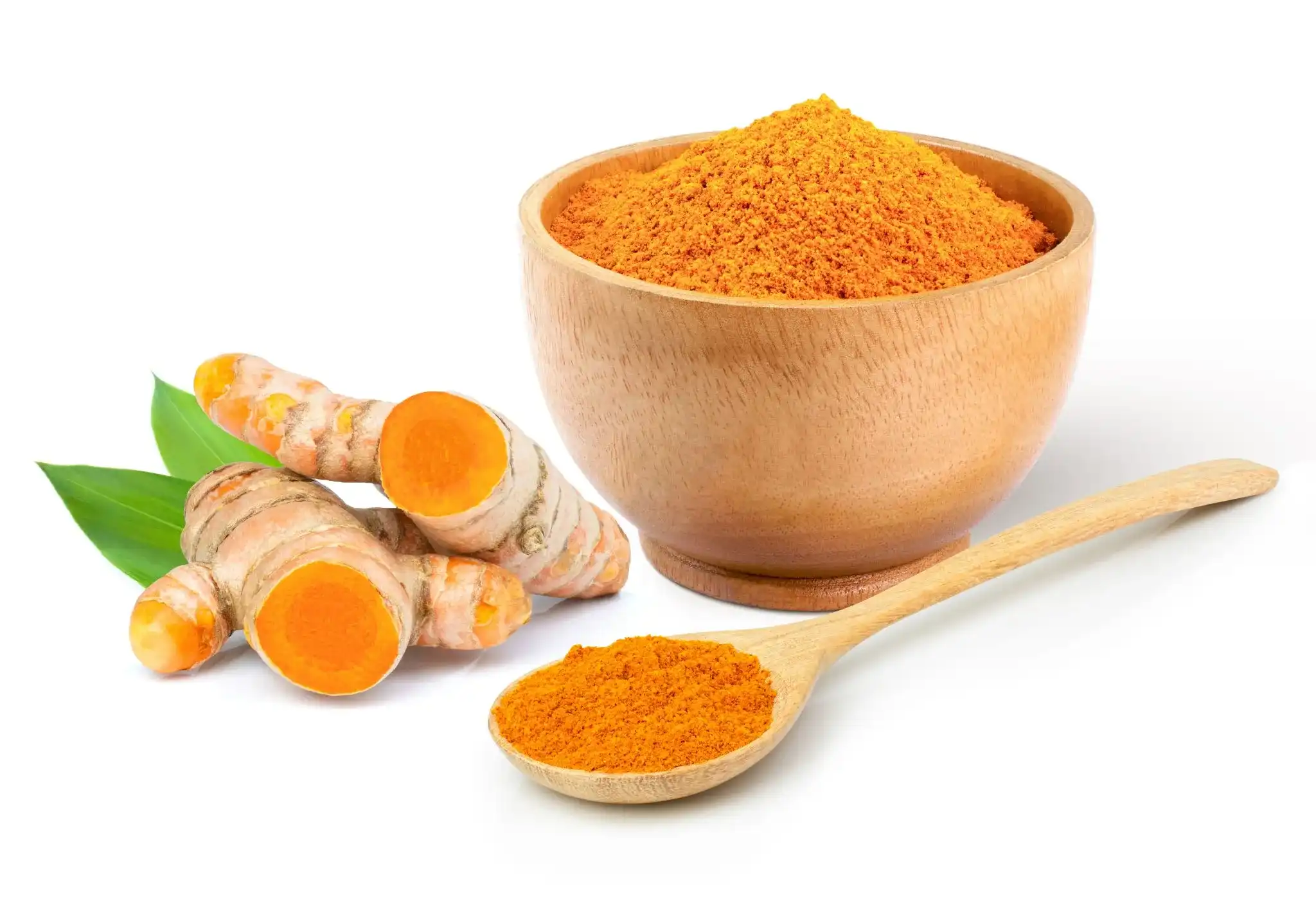
Since 2005, Avans NutriHealth Co., Ltd. has sold high-quality curcumin extract powder to companies around the world that make medicines, foods, cosmetics, and supplements. Our Curcuma longa extract is a fine, yellow powder that is standardized to contain at least 95% total curcuminoids. It is made in facilities that are HALAL, ISO, USDA Organic, HACCP, FSSC 22000, and BRC certified, and the whole process can be tracked and checked by a third party. We are a reliable company that makes turmeric derivatives. We can make 1,000 tons of it every year, help with unique formulations, and have stock that is ready to ship. To get a taste today, email our team at Lillian@avansnutri.com.
References
1. Hewlings, S. J., & Kalman, D. S. (2017). Curcumin: A review of its effects on human health. Foods.
2. Shoba, G., et al. (1998). Influence of piperine on the pharmacokinetics of curcumin in animals and human volunteers. Planta Medica.
3. Gupta, S. C., Patchva, S., & Aggarwal, B. B. (2013). Therapeutic roles of curcumin: Lessons learned from clinical trials. AAPS Journal.
4. Nelson, K. M., et al. (2017). The essential medicinal chemistry of curcumin. Journal of Medicinal Chemistry.
5. Prasad, S., Tyagi, A. K., & Aggarwal, B. B. (2014). Recent developments in delivery, bioavailability, absorption, and metabolism of curcumin. Cancer Research and Treatment.
6. Akbik, D., et al. (2014). Curcumin as a wound healing agent. Life Sciences.