




How to Choose a Grape Seed Extract Powder Supplier?
Choosing the right grape seed extract powder supplier can determine whether your finished product meets regulatory standards, satisfies your customers, and holds up in competitive markets. With demand for OPC-rich botanical extracts accelerating across nutraceutical, cosmetic, and functional food sectors, procurement teams face a crowded supplier landscape where quality varies significantly. This guide walks you through the critical factors — from certifications and production capacity to documentation and red flags — so you can source confidently and build a supply chain that performs.
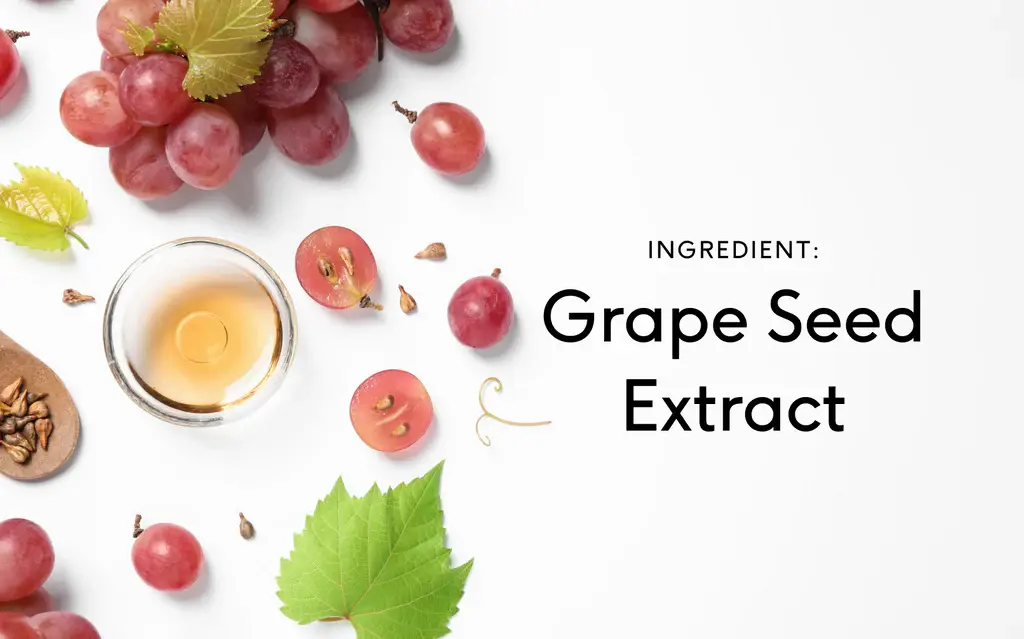
Key Criteria for Selecting a Grape Seed Extract Powder Supplier
When you buy something, quality compliance is an important part that you can't skip. Before you do business with a seller, you should check them against an organized list of criteria that includes how honest their goods are and how trustworthy their business is.
When it comes to experienced procurement managers, these things are always at the top of the list:
- Certifications and following the rules: Suppliers who work with global B2B markets should have certifications that are recognized around the world. As a starting point, look for HALAL, KOSHER, USDA Organic, ISO 22000, HACCP, FSSC22000, and BRC. These credentials show that the manufacturing process meets high standards for safety and traceability that are common in the Middle East, Europe, and North America.
- Third-party lab confirmation: A reliable supplier will give you a Certificate of Analysis (COA) that is backed up by independent lab results that prove the OPC content, heavy metal levels, pesticide residues, and microbial safety. HPLC-verified polyphenol profiles are very helpful for proving the origin of a product and avoiding fakes made with cheaper peanut skin or pine bark extracts.
- Standards and clarity about purity: Premium grape seed extract powder is measured to exact levels of OPC or total polyphenols. It's important for suppliers to be clear about whether they use the Folin-Ciocalteu or UV method and what the oligomeric-to-polymeric ratio is, since oligomeric parts affect absorption.
- Full traceability from the source of the raw grape seeds to the finished package lowers the risk of not following the rules and helps with the paperwork needed for controlled markets.
All of these things work together to make a good basis for screening. When suppliers are open in all four areas, it shows that they are mature in how they run their business, which protects your brand.
Evaluating Supplier Capabilities and Services
Once a provider passes the first level of quality compliance, the next level of review checks to see if they can actually meet your business's needs in terms of volume, speed, and specifications.
Production Capacity and Lead Times
For medium to big buyers, annual output ability is very important. If a factory can make 1,000 metric tons of goods a year, it can handle changing order amounts without shortening wait times. Buyers should ask for written capacity numbers and know that the availability of raw materials changes with the seasons, which can affect schedules.
Custom Formulation and Private Label Support
In the nutraceutical and skincare industries, formulators often need to change the ingredients by changing their particle sizes, mixing them with carriers, or putting them in capsules. Pure trading companies usually can't meet these needs, but suppliers with in-house R&D teams and pilot-scale processing tools can. This difference needs to be made clear right away during the conversation with the supplier.
Pricing Structure and MOQ Clarity
Minimum order amounts, tiered pricing systems, and payment terms all have a direct effect on planning how to buy things. Reliable sellers make these terms clear and are open to talks about long-term partnerships as long as they don't go too far. If there are any hidden fees or unclear number limits, you should look into them before signing a contract.
Comparing Grape Seed Extract Suppliers: What to Look For
There are three main types of suppliers in the market: companies that sell directly from the factory, companies that sell in your area, and companies that buy in bulk. It's harder to keep costs down, make sure quality is consistent, and manage the supply chain when you buy things in different ways.
Since they do the extraction themselves, factory-direct makers can see the most accurate costs and keep the best eye on the quality. You can trust a business that has sent items to over 280 locations and built ties in controlled markets like the Middle East, the EU, and the United States. Organic suppliers usually charge more, but that extra cost fits with the clean-label idea that makes expensive supplement and beauty lines valuable.
Do not only look at a company's marketing papers to judge its image. Records of exports, long-term client relationships, and industry licenses that can be looked up are better ways to tell a story than ads. One supplier is very different from a new one that makes claims that can't be checked. The first supplier has been in business since 2005, has research partnerships that can be shown, and is certified to multiple standards.
Avoiding Common Pitfalls When Choosing a Supplier
Procurement teams that have done this before know that the lowest bid doesn't always mean the lowest total cost. If you use cheap or substandard botanical grape seed extract powders, you could face problems later on, like failed safety checks, product recalls, and not following the rules set by the government. These problems are much worse than any savings you might have made up front.
Keep an eye out for these buying red flags:
- Incomplete documentation: A supplier unwilling or unable to provide a full COA, safety data sheet, and relevant certification copies likely cannot support your compliance requirements.
- No third-party testing: Supplier-generated testing without independent verification is insufficient for regulated markets.
- Vague traceability: If a supplier cannot specify grape seed origin, extraction method, or processing standards, traceability claims are unsubstantiated.
- Opaque pricing: Costs that shift unexpectedly or include undisclosed logistics fees erode cost planning and signal poor operational organization.
The best way to find these problems before they get expensive is to communicate clearly and in writing at every stage of working with a seller.
Conclusion
It takes more than just looking for the lowest price to get high-quality grape seed extract powder polyphenol extract. It needs a careful look at certifications, output capacity, the quality of documents, and how open a supplier is. Procurement pros and formulators can find partners who really support supply chain integrity and long-term product performance by using the criteria and models laid out here. Spending time and money to carefully check out suppliers pays off in the form of consistent products, trust from regulators, and brand credibility.
FAQ
1. Is grape seed extract powder safe for use in dietary supplements and cosmetics?
Yes. Grape seed extract (CAS no. 84929-27-1) is widely used in both supplement and personal care applications globally. Regulatory agencies in the U.S. and EU recognize it as safe when produced under verified food-grade manufacturing conditions. Buyers should confirm that the supplier holds relevant safety certifications and provides documented testing for heavy metals, pesticide residues, and microbial contamination.
2. How do I verify the antioxidant potency of a batch?
Request a COA that specifies OPC content measured by UV assay or total polyphenols measured by Folin-Ciocalteu, alongside HPLC data confirming the oligomeric profile. Independent third-party lab verification adds another layer of assurance.
3. What are typical MOQs for bulk procurement?
MOQs vary by supplier and product grade but commonly range from 25 kg to 100 kg for initial trial orders, scaling for ongoing contracts. Confirm MOQ terms and tiered pricing directly with the supplier during initial discussions.
Partner With Avans — Your Trusted Grape Seed Extract Powder Manufacturer
Avans NutriHealth Co., Ltd. has manufactured certified botanical extracts since 2005, with an annual production capacity of 1,000 tons. Our grape seed extract powder for sale carries HALAL, ISO, USDA, HACCP, FSSC22000, and BRC certifications, ensuring compliance across North American, European, and Middle Eastern markets. Request a sample, a custom quote, or a formulation consultation today. Contact us at Lillian@avansnutri.com.
References
1. Bagchi, D., et al. — Dose-response study of Vitis vinifera grape seed extract on oxidative stress markers in human subjects. Journal of Nutrition, 2000.
2. Fine, A. M. — Oligomeric proanthocyanidin complexes: history, structure, and phytopharmaceutical applications. Alternative Medicine Review, 2000.
3. Feringa, H. H., et al. — The effect of grape seed extract on cardiovascular risk markers: a meta-analysis of randomized controlled trials. Journal of the American Dietetic Association, 2011.
4. Grand View Research — Botanical Extracts Market Size, Share & Trends Analysis Report. Grand View Research, 2023.
5. European Food Safety Authority (EFSA) — Scientific opinion on the substantiation of health claims related to polyphenols in olive oil and protection of LDL particles from oxidative damage. EFSA Journal, 2011.
6. Shi, J., et al. — Polyphenolics in grape seeds — biochemistry and functionality. Journal of Medicinal Food, 2003.