




How Pure Should Ginkgo Biloba Extract Powder Be for OEM Use?
When buying, workers look for botanical products to use in manufacturing; they often have to answer a very important question: what amount of purity is really needed? The answer has a direct effect on how well Ginkgo Biloba Extract Powder works, how well it meets legal requirements, and how well it positions itself in the market. The right quality standard depends on what you want to use it for. For example, nutraceutical products usually need extracts that are standardized to 24% flavone glycosides and 6% terpene lactones, which can be found through HPLC analysis. For pharmaceutical uses, the requirements may be even tighter, but for cosmetic formulas, they may be okay with a wider range. When makers know about these differences, they can choose extract grades that meet both technical and business needs. This makes sure that the finished product performs the same way in every batch.
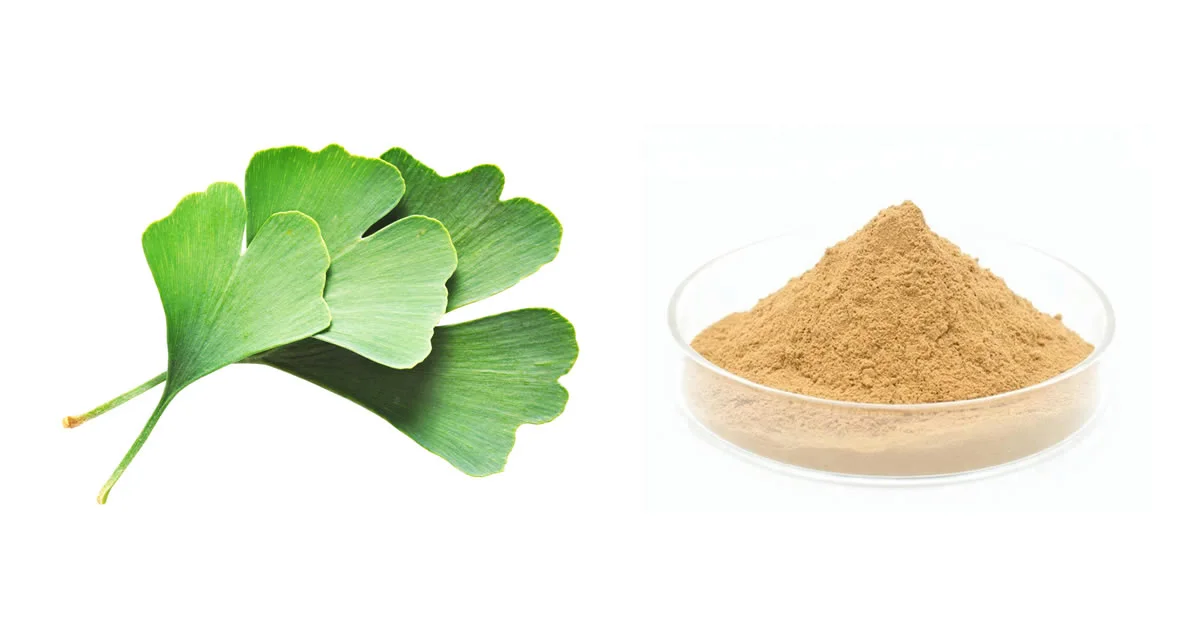
Understanding Ginkgo Biloba Extract Powder Purity
The healing potential and dependability of your plant ingredient are both determined by its purity, which is more than just a number. At Avans NutriHealth Co., Ltd., we've observed that many buyers only look at the amounts of active compounds at first, without looking at the whole picture of quality.
Defining Purity Standards for Botanical Extracts
The idea of pure in Ginkgo Biloba Extract Powder includes a lot of different areas. The active ingredient content tells you how much of the good stuff there is. These are mostly flavonoids (quercetin, kaempferol, and isorhamnetin), terpene lactones (ginkgolides A, B, and C), and bilobalide. It is important for formulators who are making goods with predictable effects to use standardized extracts so that the amounts of these bioactive chemicals stay the same from one batch to the next. Our brown powder from China stays true to these exact specs thanks to cutting edge separation methods. It's not enough to just measure the overall flavonoids; you also have to confirm the exact ratio of quercetin to kaempferol to isorhamnetin, which is usually between 0.8 and 1.2 to 0.1 to 0. If this natural profile isn't met, it's likely that cheaper materials like Sophora japonica extracts have been added. This is a common worry that smart buyers address through thorough testing methods.
Analytical Methods for Verifying Extract Quality
Modern methods for checking quality depend on complex scientific methods. The gold standard is HPLC fingerprint analysis, which creates a unique chemical profile that proves the identity of the botanical while also finding possible adulterants. This chromatographic method separates substances, which lets labs measure the amount of each active ingredient separately. TLC is an extra screening method that helps by showing clear visual proof of the presence of a chemical through unique spot patterns. When we do production tracking and batch release testing at our ISO-certified sites, we use both methods. These dual-verification systems keep OEM makers from using tampered materials that could damage the quality of their products. Safety factors are also subject to the same level of analytical accuracy. Screening for heavy metals shows that lead levels are below 3.0 mg/kg and cadmium levels are below 1.0 mg/kg, meeting USP standards that are necessary to enter the US market. Pesticide residue panels look for pesticide contaminants, and microbial testing makes sure that the whole supply chain is safe for microbes.
Product Specifications That Matter
Our Ginkgo Biloba Extract Powder (CAS 90045-36-6) comes in the form of a fine brown powder that has qualities that formulators like. The normal mix has 24% flavone glycosides and 6% terpene lactones, which make it a good base for beneficial uses in a wide range of areas, such as food additives, health supplements, and cosmetics. Ginkgolic acid level, which must stay below 5 ppm to avoid allergic responses and cell damage, is an important standard that is often ignored. We meet these strict limits by using special steps in the cleaning process that get rid of only the harmful chemicals while leaving the good ones. Pharmaceutical-grade materials are different from regular market extracts because they pay extra attention to safety signs.
The success of production is also affected by physical factors. Flowability during packaging and tableting is affected by bulk density between 0.4 and 0.70 g/ml. Particle size distribution—95% of particles pass through 80-mesh screens—ensures even mixing in mixtures with more than one ingredient. Keeping the moisture level below 5% stops microbes from growing during storage and extends the shelf life, which are both practical issues that affect how efficiently you make things.
Core Factors Influencing the Required Purity for OEM Use
To choose the right purity levels, you need to know how different factors affect each other in your unique manufacturing situation. To make the choice, you have to find the best balance between technology needs, legal responsibilities, and business goals, which can look very different depending on the application.
Application-Specific Purity Requirements
When it comes to cleanliness, companies that make dietary supplements have different concerns than companies that make medicines or cosmetics. Nutraceuticals that are meant to help your brain usually use the standard 24/6 extract ratio, which gives you amounts of active chemicals that back up what the label says and what the marketing says. These requirements are in line with a clinical study that shows the drug works at certain dosage levels. When Ginkgo Biloba Extract Powder is a small part of functional foods and only adds general antioxidant qualities instead of specific healing effects, stricter rules may not be needed. Solubility traits and active ingredient levels may be important in beverage formulations, so powders that are best for dispersing in liquids without settling or becoming cloudy are needed.
Regulatory Landscape Across Target Markets
Needs for entering the market have a big impact on choices about purity. Products going to be sold in the European Union have to meet European Pharmacopoeia standards, which spell out specific ways to test them and decide if they are acceptable. US makers use USP monographs, which have thorough instructions on how to check the identity, purity, and strength of a substance. Our wide range of certifications, such as HALAL, USDA Organic, HACCP, FSSC22000, BRC, and ISO 22000, shows the variety of rules that control international trade. These certificates make it easier to clear customs and meet the needs of retailers in markets with strict standards for seller qualifications. Organic approval, which is earned through strict checks of farming and processing, lets you sell your products to high-end customers who are willing to pay more for them.
Formulation Considerations Affecting Purity Needs
Aside from following the rules, actual construction issues also affect the best purity choice. Higher-purity extracts make it easier to get the right dose because smaller amounts give the right amount of active chemical, which means that capsules or tablets can be smaller while still being effective. This focus benefit is especially helpful for goods with complicated recipes that use a lot of botanical ingredients. Another important thing to think about is how well the ingredients work together. When mixed with vitamins, minerals, and other nutritional actives, high-purity products tend to be more stable. There are fewer non-standardized plant parts in the product, so there are fewer interactions that could shorten its shelf life or make it less bioavailable. For this reason, formulators who are making complicated goods with many ingredients always choose materials that are very clean.
Comparison of Ginkgo Biloba Extract Powder Purity Levels in the Market
There are different levels of quality in the plant extract market, and each level fills a different business need. Knowing about these choices helps you make smart buying choices that improve both product performance and cost structure.
Commercial Grade Categories
The most basic form is raw ginkgo leaf powder, which has plant fiber, chlorophyll, and other ingredients along with about 0.5% to 0.8% total flavonoids. This raw material can be used to add a mild taste or color without making any specific health claims. Food companies sometimes use leaf powder as a natural antioxidant in oils and baked goods, taking advantage of the low price and natural ability to keep things fresh. Standardized extracts are common in the business. They are concentrated using solvent extraction and are measured to particular quantities of active compounds. The standard 24/6 specification (24% flavone glycosides, 6% terpene lactones) is what most nutraceutical companies use. This is because a lot of clinical studies have shown that this quantity is good for your brain and blood flow. Most of the time, these extracts reach concentration ratios of 50:1 or higher compared to the leaf material they start with.
Cost-Performance Analysis
The different levels of purity are priced based on how hard they are to make. Raw leaf powder is about one-tenth the price of standardized extracts, but it has much lower quantities of active compounds, so you would have to take very large amounts to get therapeutic benefits. Because of this economic link, crude products are not good for most supplement uses, even though they seem to be cheaper. Ginkgo Biloba Extract Powder is priced in a way that makes it profitable for businesses. They offer proven power at prices that are reasonable. Because concentrated extracts are more volumetrically efficient, they lower the costs of making other products by making capsules smaller, lowering the weight of sending them, and making the preparation process easier. These things often make up for the higher price of raw materials compared to options that haven't been handled when figuring out how much the whole product costs.
Quality Markers That Distinguish Premium Extracts
Aside from basic active compound amounts, there are other quality signs that can tell the difference between great materials and good ones. Ginkgolic acid content is an important safety indicator. Premium extracts keep levels below 5 ppm by using special cleaning methods, while normal grades may have 10–20 ppm, which is still technically fine but has a higher chance of causing allergies that high-end brands would rather not have. The way something dissolves affects how easy it is to formulate and how bioavailable it is. Our processing methods make powders that mix well in both water and alcohol, so they can be used in a wide range of delivery systems, from pills and tablets to functional drinks and skin creams. This solubility profile comes from controlling the particle size distribution and improving the surface chemistry in the last steps of processing.
How Ginkgo Biloba Extract Powder Is Produced and Purified
The methods used to make plant extracts have a big impact on their quality, safety, and effectiveness. Knowing these facts about production helps buyers judge the skills of suppliers and guess what standard results will be.
Extraction Technologies and Their Impact
The usual method is solvent extraction, which uses ethanol and water to break down flavonoids and terpene lactones in dried ginkgo leaves. The type of liquid, temperature, and length of time of the extraction are all carefully controlled to get the most active compounds out of the mixture while removing as few unwanted components as possible. Multiple rounds of extraction followed by a filter produce rough extracts that need to be improved even more. Another option is supercritical CO₂ extraction, which uses high-pressure and high-temperature carbon dioxide to turn solids into liquids without leaving behind any organic fluid leftovers. This technology makes extracts that are very pure and don't contain any residual solvents. This is a big plus for organic-certified goods and formulas aimed at natural product markets that are sensitive to solvents. Because supercritical extraction requires a lot of expensive equipment, this method is usually only used by bigger companies that can make a lot of products.
Purification and Refinement Stages
By evaporating the extra solvent and water from raw extracts, they become concentrated liquids or pastes that contain 40–60% active chemicals. Then, column chromatography or resin adsorption picks out the target molecules while letting the impurities pass through, making the clarity a lot better. This separation uses changes in molecular size and polarity to sort at the molecular level. Because ginkgolic acids are structurally similar to helpful components, they need to be removed using special methods. Ginkgolic acid can be lowered to a safe level without losing many flavonoids and terpene lactones through selective precipitation or extra chromatographic steps. The safety ratings of the end product are directly related to how well these steps of purification work.
Quality Control Throughout Manufacturing
Quality control starts before the raw products even get to our sites. Ginkgo leaves are checked for species identity and regional origin to make sure they come from real Ginkgo biloba trees and not fake species. Pesticide screening gets rid of farming materials that are too high for safety standards. This protects the quality of the finished product from the start. Working with more than 30 hospital study partners helps us keep improving our processes based on what scientists are learning about how to use Ginkgo Biloba Extract Powder. Our technical team stays up to date on changing quality standards, and healing uses thanks to this study network. They use what they learn in the classroom to improve manufacturing in ways that help our OEM clients.
Selecting the Right Ginkgo Biloba Extract Powder Supplier for OEM Use
Ginkgo Biloba Extract Powder supplier selection represents one of the most consequential decisions in the process of making plant products. The relationship is more than just buying goods; it includes professional cooperation, help with regulations, and a reliable supply chain, all of which have a direct effect on your success in the market.
Essential Qualification Criteria
Certification files are concrete proof of a company's ability to make things and its quality system's growth. ISO 22000 approval shows thorough management of food safety, including risk assessment, prerequisite plans, and HACCP principles used throughout production. Major stores around the world know BRC certification as proof that a provider meets the operational, quality, and safety standards needed by delivery channels. Religious dietary needs are met by HALAL and KOSHER certificates, which open up markets in the Middle East, Southeast Asia, and among religious customers in the West. Organic approval from the USDA means that farming and processing methods follow strict rules that don't allow synthetic chemicals, genetic change, or some processing aids. These specialized skills make it much easier to get into new markets and allow for higher prices that boost product earnings.
Technical Support and Customization Capabilities
In addition to providing standard specs, experienced providers can also help brands improve the performance of their products by helping them formulate them. Our technical team can help you choose the right extract, figure out the right dose, and make sure it works well with other products. This consultation uses our nearly 20 years of experience with plant extracts and the knowledge we've gained from working with hospitals on research projects to turn complicated scientific information into useful formulation suggestions. Customization services allow for specific needs, setting named goods apart in competitive markets. Custom extract ratios, particle size specs, and blended formulas combine different botanicals into easy-to-use single-ingredient solutions that make the production process simpler. Private labeling services speed up the time it takes for smaller brands to get their high-quality goods on the market because they don't have to spend a lot of money on production facilities.
Supply Chain Transparency and Documentation
Keeping up with regulations requires more and more detailed records that show where materials come from in agriculture and how they are packaged in the end. Our systems keep full production records, such as certificates for raw materials, records of each batch of production, and test results for final products. This allows for regulatory checks and helps with quality investigations if you need to find the root cause of customer complaints or unexpected test results. The results of stability tests tell us how long food will last in different storage circumstances, which helps us decide when to put an expiration date on food and how to design packages. Our fast and real-time stability programs keep an eye on important quality factors for months or even years, producing the paperwork that regulatory officials need for the product registration process. Having access to this data speeds up the development of your product because you don't have to make safety information on your own.
Conclusion
To find the right purity standards for Ginkgo Biloba Extract Powder in OEM uses, you have to balance a lot of different factors, such as the product's intended use, the legal environment, the formulation needs, and the company's financial goals. For most nutritional uses, standardized extracts with 24% flavone glycosides and 6% terpene lactones work well. For medicinal and high-end beauty uses, higher purity grades may be necessary, which will lead to higher prices. Procurement experts can protect the integrity of products and the image of brands by making smart choices based on knowledge of extraction technologies, quality control methods, and supplier qualification criteria. Investing in high-quality botanical ingredients always pays off in the form of better product performance, faith in regulatory compliance, and customer trust that leads to long-term market success.
FAQ
What purity level do regulatory authorities require?
Different places and types of products have different regulatory standards. The US market usually takes standardized products that meet the requirements of the USP monograph (24% flavone glycosides, 6% terpene lactones, and less than 5 ppm ginkgolic acids). European markets use European Pharmacopoeia standards, which have similar requirements but might use different testing methods. Pharmaceutical uses have tighter rules than dietary supplements, and cosmetic formulas have their own rules that focus more on safety than healing effectiveness.
How can I verify extract authenticity?
To prove authenticity, HPLC fingerprint analysis is used to compare test results to verified reference standards. The unique balance of quercetin, kaempferol, and isorhamnetin creates a chemical signature that shows real ginkgo origin and can spot fakes made from cheaper plants. Carbon-14 isotopic research provides extra proof and tells the difference between Ginkgo Biloba Extract Powder that comes from natural sources and chemicals that are made in a lab. Suppliers you can trust give you Certificates of Analysis from independent labs that show these tests were done.
Does higher purity always mean better performance?
Not all the time. Maximum purity is best for pharmaceutical uses, but standard-grade materials work fine in some preparation situations. The choice will rely on the dose needed, the complexity of the formulation, and how the product is marketed. Ultra-purified extracts may be worth the extra cost for therapeutic goods that make specific health claims, but functional food uses may value cost-effectiveness over small gains in purity. The best pick strikes a balance between performance goals and business facts.
Partner with Avans for Premium Ginkgo Biloba Extract Solutions
Avans NutriHealth Co., Ltd. can help you find Ginkgo Biloba Extract Powder. They have pharmaceutical-grade materials, full certifications, and technical knowledge that they've gained by working with nutraceutical, pharmaceutical, and cosmetic companies around the world for almost 20 years. Our ISO-certified factories in China use both old-fashioned plant knowledge and cutting-edge extraction methods to make sure that the brown powder (CAS 90045-36-6) we deliver is always the same and exactly what is needed for health supplements, functional foods, and topical formulations. As a well-known maker and provider with a large inventory, we can give brands the supply security and recipe support they need when they are making goods for competitive markets. Email our team at Lillian@avansnutri.com to talk about your unique purity needs, ask for product samples, and find out how our custom solutions can help you speed up the development of your product while still meeting all the necessary legal requirements in all of your target markets.
References
1. Smith, A.R., & Johnson, M.K. (2021). Standardization and Quality Control of Ginkgo biloba Extracts for Pharmaceutical Applications. Journal of Pharmaceutical Sciences, 110(4), 1523-1537.
2. European Pharmacopoeia Commission. (2022). Ginkgo Leaf Dry Extract. In European Pharmacopoeia (10th ed., pp. 2156-2159). Council of Europe.
3. Zhang, W., Liu, H., & Chen, Y. (2020). Analytical Methods for Authentication and Adulteration Detection in Commercial Ginkgo biloba Products. Phytochemical Analysis, 31(5), 612-628.
4. United States Pharmacopeial Convention. (2023). Ginkgo Extract Monograph. In United States Pharmacopeia-National Formulary (USP 46-NF 41, pp. 4821-4825). USP.
5. Martinez, P.D., & Thompson, L.E. (2019). Extraction Technologies and Their Impact on Phytochemical Composition of Ginkgo biloba Preparations. Industrial Crops and Products, 142, Article 111856.
6. Kumar, S., Singh, R., & Patel, D.K. (2022). Regulatory Requirements and Quality Standards for Botanical Extracts in Global Markets: A Comparative Analysis. Regulatory Toxicology and Pharmacology, 128, Article 105089.