




How Does Riboflavin Powder Benefit Cellular Energy?
Riboflavin Powder, which is also called Vitamin B2, is an important part of making biological energy. It does this by turning into the coenzymes FMN (Flavin Mononucleotide) and FAD (Flavin Adenine Dinucleotide). In mitochondria, these coenzymes power the electron transport chain, which directly makes it possible to make ATP. ATP is the main thing your cells need to get energy. It takes a lot longer for cells to breathe when you don't get enough riboflavin. This makes you tired and uses a lot of your body's energy.
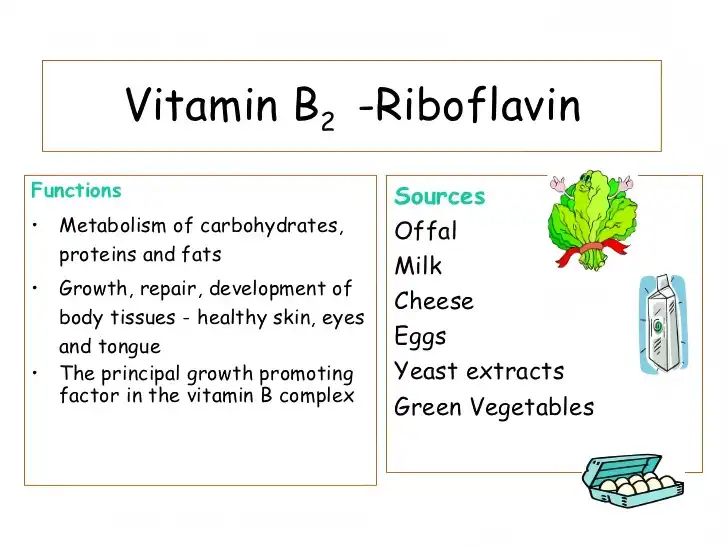
Understanding Riboflavin Powder and Its Role in Energy Production
What is Riboflavin Powder?
There are eight important B-complex vitamins. Riboflavin is one of them. It is called 7,8-dimethyl-10-ribityl-isoalloxazine and has the CAS number 83-88-5. There are different kinds of powders, but the powder form is more common in businesses because it is stable and easy to mix. As for whether it is for food or medicine, the orange-yellow solid powder usually has between 80% and 98% active riboflavin.
At Avans NutriHealth Co., Ltd., we make Vitamin B2 that is very pure and has 80% riboflavin. It is a thick orange-yellow powder that is made in China using modern fermentation methods. When we make our products, we carefully follow the rules set by HALAL, ISO, USDA, HACCP, and FSSC22000. This makes sure that companies all over the world that make useful, medicinal, and healthy foods always get the same high quality.
Natural vs. Synthetic Riboflavin Sources
Procurement managers can make decisions that are in line with their brand strategy and government rules when they know the differences between sources. Natural riboflavin is made by fermenting food with bacteria like Bacillus subtilis or Ashbya gossypii. It is a bioidentical molecule that is very accessible. Chemical synthesis methods are used in synthetic production. This cuts down on costs while keeping the chemical structure and biological function the same.
It doesn't matter which source you use; both work for cells. Choosing between them is often based on certification needs. For example, riboflavin produced from fermentation is needed for organic formulas, while synthetic types may be preferred for cost-effective uses that don't change how they work. We know how to make things in both ways, so we can make changes based on how you want to sell your business and the rules that go with it.
The Biochemical Mechanism Behind Energy Production
Riboflavin Powder does most of its metabolic work in cells in the liver and gut, where it changes into FMN and FAD. These coenzymes are involved in redox processes during mitochondrial respiration. They are mostly found in Complex I and Complex II of the electron transport chain. A proton gradient is what gives ATP synthase its power. During these processes, FAD moves electrons around from biochemical sources like amino acids and fatty acids in a certain order.
The amount of energy that cells can use changes because of this process. It has been found that mitochondria use up to 40% less oxygen when they don't get enough riboflavin. It's very hard to think and move with this on. B6 is turned on by the vitamin, and tryptophan is changed into niacin (B3). In this way, a network of B vitamins is formed, which are important for the health of all cells.
Key Benefits of Riboflavin Powder for Cellular Energy and Overall Health
Enhanced Mitochondrial Function and Reduced Fatigue
It has been shown that people who are constantly tired can use more energy when they take riboflavin vitamins. By keeping coenzyme amounts at the right level, the chemical makes mitochondria work better, especially when the body's metabolism is working hard. Keeping riboflavin levels at a healthy level is good for runners and other physically active people because it helps them last longer and heal faster.
The way riboflavin works with other B vitamins should be taken into account when making goods that give you energy. When you mix riboflavin, thiamine (B1), niacin, and coenzyme Q10, they work better together to help mitochondria. This creates energy metabolism solutions that work on many biological processes at the same time. This method works really well for boosting areas that need sports nutrients and anti-fatigue.
Antioxidant Protection and Cellular Defense
Besides making energy, riboflavin is an important part of the antioxidant system inside cells because it turns on glutathione reductase. Reduced glutathione is the body's main antioxidant and keeps cell walls from getting damaged by free radicals. This enzyme makes more of it. To keep the heart, brain, and lungs healthy as people age, the protective effect works all over the body.
Riboflavin is very useful for formulators who are making all-around health products because it gives you more energy and protects your cells from damage caused by free radicals. It lowers the reactive stress that comes from having a lot of mitochondria working at full speed. This keeps the metabolism in check so cells can keep making energy without getting hurt over time.
Supporting Healthy Vision, Skin, and Nervous System
It is riboflavin that keeps certain processes going in cells that have a lot of biochemical needs. The retina needs a lot of riboflavin to help pigments in the eyes grow back and protect itself from photo-oxidative stress. When skin cells split quickly, they need enough B2 to grow properly, heal wounds, and keep their barrier strength against outside stresses.
Nervous system cells are very sensitive to riboflavin levels. Peripheral neuropathy and memory loss have been linked to not getting enough of it. It makes neurotransmitters, which help your mind stay clear and your feelings calm. It also helps keep the myelin layer in good shape. Riboflavin is an important part of full vitamin solutions for older people and people who care about their health because it helps so many systems.
Applications in Food Fortification and Dietary Supplements
The powder form is better than the sealed or liquid forms when used in commercial settings. Since the pieces are small, they are spread out widely in food mixes such as protein shakes and cereal in the morning. The natural yellow color of the combination makes it useful as both a colorant and a vitamin. In many places, it meets the standards for natural food coloring.
Concerns about steadiness mean that planning the recipe needs to be done with great care. Because riboflavin breaks down quickly in UV light, it needs to be kept and shipped in a way that keeps light out. Under normal settings for making food, heat stability is very good. It keeps working after being pasteurized and extruded as long as there is little to no light contact. Riboflavin Powder formats are best for adding nutrition to baked goods, dairy products, and drinks where the temperature stays low because of these reasons.
Choosing the Right Riboflavin Powder for Your Manufacturing or Supplement Needs
Quality Standards and Purity Considerations
When choosing who to buy from, you should give the most weight to suppliers who have strict quality control across five key factors. When using HPLC or UV-Vis spectrophotometry to test for potency, the goal is generally to get 98–102 percent of the stated concentration on a dried base. It is important to check the lumiflavin limits to make sure that there was only slight photodegradation during production and storage. This keeps the biological activity.
An important safety check that needs to be done is heavy metal analysis. There must be less than 2 parts per million (ppm) of lead and less than 1 part per million (ppm) of arsenic in food-grade goods. Loss on drying measures stop the growth of microbes and caking issues, and the range of wetness is generally kept below 1.5%. Tests that rotate between -115° and -135° show that the isomeric purity is correct. This makes sure that end users get the best metabolic activity and receptor binding.
Pharmaceutical Grade vs. Industrial Grade Distinctions
Knowing how grades are grouped makes it easier to match product specs to how they'll be used and the rules that control them. The USP, EP, or JP papers set the standards for pharmaceutical-grade riboflavin. It also goes through extra tests to make sure it is free of germs, has a uniform particle size distribution, and dissolves quickly. This stuff works well for food supplements that say they can help with health problems or for things that are meant for limited healthcare markets.
Industrial-grade specs look at how well the product works in food matrixes and animal feeding uses. They still have high cleanliness standards. Because they are cheaper, these types are good for large-scale defense projects where pharmaceutical tracking costs are too high. Since both types have the same biological effect, the choice comes down to how the product is positioned in the market and how users feel about it, not how well it works.
Certification Standards and Supplier Evaluation
To sell your goods in other countries, you need a lot of different kinds of licenses that meet the wants of different buyers and government officials. With a HALAL or KOSHER license, you can sell to Jews and people in the Middle East. On the other hand, natural goods shops and people who care about their health are drawn to organic approval. Companies that have BRC and FSSC22000 certifications know how to do things right and care about food safety. These papers are being asked for by big shops and brand owners more and more.
A seller is judged on more than just their certificates. They are also judged on how regular their amounts are, how well they can help with technical problems, and how reliable their supply chain is. Make sure that the test results and impurity profiles are the same by asking for proof of analysis paperwork from more than one production lot. Ask the seller for recipe tips, data from stable tests, and legal documents that back up what they say about the product in the places you want to sell it.
How to Use and Procure Riboflavin Powder Efficiently
Handling, Storage, and Formulation Best Practices
If you store the product correctly, the riboflavin will still work as well after it's been opened. Do not put powder in direct sunlight. Instead, keep it in dark, covered containers that stay below 25°C and keep the relative humidity below 60%. Photodegradation and moisture absorption stop when these things happen. This makes it harder for Riboflavin Powder to move and speeds up the breakdown process.
It's important to remember that riboflavin only dissolves in water at 25°C at a rate of about 0.1 grams per liter. Add the powder while the liquid is still being made and give it time to mix evenly. This will help it dissolve better. If you cook, don't let it get too acidic. With high temps and a pH above 7.5, things break down more quickly. Liquid solutions are more steady when the pH is kept between 5.5 and 6.5 with buffer systems.
Procurement Strategies for B2B Buyers
You need to look at more than just unit price to build strong source ties. Check the minimum order amounts against your planned production and the cost of having stock on hand. Get the best deal between the cost savings that come with buying in bulk and the need to keep cash on hand and store things. When you buy from other countries, you can often save money, especially in manufacturing hubs that have been around for a while and have built up their fermentation technology and infrastructure for following rules.
People who are in charge of operations need to keep an eye on customs paperwork, especially when sending things into controlled markets like the US and EU. Make sure that the providers you choose give you full technology dossiers that back up the regulatory files. These should have details about how the product was made, how to check for contamination, and information from studies of stability. This makes it easier for goods to go through customs, and it also speeds up the start of goods in new areas.
Safety Profile and Regulatory Compliance
In many different amounts, riboflavin is not dangerous. There is no set upper intake limit because the body quickly gets rid of any extra amounts through pee. The FDA says it is generally recognized as safe (GRAS). Extra amounts range from 1.6 mg per day for basic nutritional support to 400 mg per day for medical reasons such as treating metabolic disorders and avoiding headaches.
Rules about how to label things rely on what they are and where they are sold. Food supplements sold in the US must follow the FDA's rules for nutrition labels. They must show the amount of riboflavin as a percentage of the Daily Value for a normal dose of 1.3 mg. For proposals to be approved, food fortification must use the minimum amounts of fortification set by the government. This stops the addition of either too few or too many vitamins, which could be bad for health or make people confused.
Conclusion
Riboflavin Powder is needed by companies that make weight loss products, multivitamin mixes, and foods that have extra nutrients added to them. Because it changes macronutrients into cellular energy and helps fix tissues and fight free radicals, it is a useful ingredient in functional, medical, and nutraceutical foods. When you buy high-purity materials from approved sources, you can be sure that the goods you get will be consistent, meet standards, and work well in end-user uses. Powders stay fixed and can be used in many ways. People can use this to make new things and keep prices low when making a lot of them. There is a growing need for vitamins that give you energy. Riboflavin is still a safe, scientifically proven, and inexpensive choice for companies that want to offer real health benefits.
FAQ
How does riboflavin powder differ from other Vitamin B2 forms?
Pills and tablets are less flexible than Riboflavin Powder when it comes to commercial forms. The crystalline powder lets you exactly control the dose, spread it out evenly in complicated patterns, and use it in many different ways, such as in baked goods and drinks. Bioavailability is the same in all types when they are made correctly, but powder is better for single amounts.
What quality markers indicate premium riboflavin powder?
Materials that are of high quality have lumiflavin levels below 0.1%, assay values of 98% or more, and heavy metal profiles that meet or go beyond pharmacopeial standards. Its stable particle size, low moisture content (less than 1.5%), and specific rotation values between -115° and -135° are all signs of good keeping and careful production all along the supply chain.
Can riboflavin powder support high-dose therapeutic applications?
The drug has a very high safety rate, which means that most people can take up to 400 mg per day without getting sick. High-dose treatments are used to deal with some health issues, like stopping headaches and some hormonal issues. If you want treatment formulations to get good clinical results, you should only use pharmaceutical-grade materials that come with full data sheets.
Partner with a Trusted Riboflavin Powder Manufacturer
Vitamin B2 from Avans NutriHealth Co., Ltd. is pharmaceutical-grade, which means it has been tried and shown to be pure and consistent. It can be used to make foods, drugs, and supplements. All of these groups have approved our orange-yellow solid powder as safe for use, so you can be sure that your recipes will turn out well. We've been making medical foods for more than 15 years and can make more than 1,000 tons of them every year, so you can be sure that our products will be available and that you can order any amount that works for you. To make sure that product launches go easily in all global markets, our expert team helps with preparation, gives advice on stability testing, and handles all the paperwork needed by regulators. Right now, you can email our experts at Lillian@avansnutri.com to talk about your needs, get samples, or look into different recipe options that will help your brand do well.
References
1. Powers, H.J. (2003). Riboflavin (vitamin B-2) and health. American Journal of Clinical Nutrition, 77(6), 1352-1360.
2. Kennedy, D.O. (2016). B Vitamins and the Brain: Mechanisms, Dose and Efficacy—A Review. Nutrients, 8(2), 68-96.
3. Mosegaard, S., Dipace, G., Bross, P., Carlsen, J., Gregersen, N., & Olsen, R.K. (2020). Riboflavin Deficiency—Implications for General Human Health and Inborn Errors of Metabolism. International Journal of Molecular Sciences, 21(11), 3847-3869.
4. Thakur, K., Tomar, S.K., Singh, A.K., Mandal, S., & Arora, S. (2017). Riboflavin and health: A review of recent human research. Critical Reviews in Food Science and Nutrition, 57(17), 3650-3660.
5. Marashly, E.T. & Bohlega, S.A. (2017). Riboflavin Has Neuroprotective Potential: Focus on Parkinson's Disease and Migraine. Frontiers in Neurology, 8, 333-345.
6. Saedisomeolia, A. & Ashoori, M. (2018). Riboflavin in Human Health: A Review of Current Evidence. Advances in Food and Nutrition Research, 83, 57-81.