




How Does Cranberry Fruit Extract Powder Support Functional Nutrition Products?
Cranberry Fruit Extract Powder supports functional nutrition products by delivering concentrated proanthocyanidins and bioactive compounds that address specific health concerns more effectively than traditional cranberry forms. This standardized ingredient enables formulators to develop targeted nutraceuticals, pharmaceuticals, and cosmetics with consistent potency levels ranging from 1% to 30% PACs. The powder format offers superior stability, extended shelf life, and versatile application across capsules, tablets, beverages, and topical formulations. Its clinically validated benefits for urinary tract health, antioxidant defense, and anti-inflammatory action make it an essential component for B2B manufacturers seeking evidence-based, clean-label ingredients that meet regulatory standards across global markets.
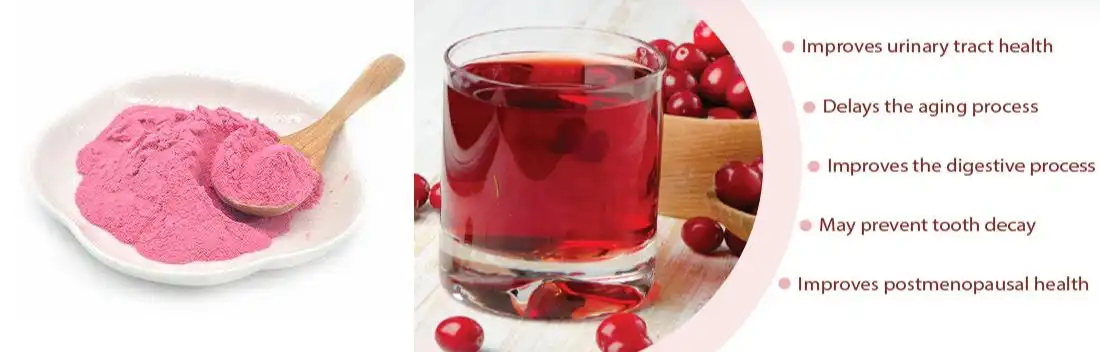
Understanding Cranberry Fruit Extract Powder and Its Nutritional Profile
What Distinguishes Extract Powder from Other Cranberry Forms
To make Cranberry Fruit Extract Powder, advanced processing methods are used to concentrate bioactive compounds much more than juice or whole berries can. Careful drying and extraction techniques turn fresh cranberries into a purple-red fine powder that keeps all of the nutrients and doesn't have any stability issues related to wetness. This process of concentration makes a product with a lot more proanthocyanidins per gram, which lets formulators get medicinal doses in serving amounts that people can actually use.
Proanthocyanidins: The Primary Bioactive Compound
Proanthocyanidins are the main thing that makes cranberries useful. Studies have shown that they can stop bacteria from sticking to epithelial cells. There are different molecular weights of these polymeric flavonoids. Cranberries have A-type PACs that are different from other berries. PAC concentrations in standardized extracts usually fall between 1% and 30%, depending on the purpose and level of effectiveness that is wanted. Higher amounts are best for medical formulas, while normal levels work well in food and drinks where flavor balance is still important.
Complementary Vitamins and Phytochemicals
Besides PACs, Cranberry Fruit Extract Powder also has manganese, vitamin C, vitamin E, and vitamin K, all of which add to its overall health benefits. Organic acids that help metabolism are also kept in the powder. These acids include quinic acid, malic acid, and citric acid. Other flavonoid glycosides found in the extract, like quercetin, give the antioxidant power even more. These flavonoids work together to make the extract more effective. Understanding this full picture of phytochemicals helps research and development teams make formulas that get the most out of how well the ingredients work together and produce results that can be measured.
Production Standards and Quality Assurance
Strict quality standards must be followed when making Cranberry Fruit Extract Powder to make sure that each batch is the same. The first step is to find high-quality cranberries. Next, they are extracted using water- or ethanol-based solvents that keep the bioactive properties intact. Spray-drying technology makes the final powder form, which keeps particle sizes constant, usually between 60 and 80 mesh, for best flow and dispersion. To make sure that goods meet pharmaceutical-grade standards, quality control methods include heavy metal tests, microbial screening, HPLC analysis for PAC measurement, and residual solvent verification.
How Cranberry Fruit Extract Powder Addresses Key Functional Nutrition Needs
Urinary Tract and Kidney Health Support
There is a lot of clinical evidence that Cranberry Fruit Extract Powder can help prevent urinary tract infections by stopping the growth of bacteria that stick to surfaces. The type-A PACs stop E. coli bacteria from sticking to the walls of the urinary system. This can cut the chance of getting an infection again by up to 35% in people who are more likely to get it, according to several meta-analyses. Concerns about antimicrobial resistance are growing, and this mechanism offers a way to stop infections before they happen instead of using antibiotics. There are many health benefits for the kidneys, including mild diuretic effects and antioxidants that protect renal cells from toxic stress.
Concentration Advantages Over Juice Products
One 500mg dose of standardized Cranberry Fruit Extract Powder with 25% PACs has the same amount of medicinal compounds as 300ml of pure cranberry juice. This concentration advantage solves several manufacturing problems, such as lowering the amount of sugar in the product, keeping track of calories, and making dosing easier. Concerns about stability arise with juice products because of oxidation and fermentation. On the other hand, Cranberry Fruit Extract Powder stays effective for a long time when kept properly. Because of less volume and weight, shipping and storage costs go down a lot. This is good for B2B buyers who manage global distribution networks because it improves supply chain economics.
Antioxidant and Anti-Inflammatory Properties
Cranberry Fruit Extract Powder has an ORAC value of around 2,000 to 4,000 μmol TE/g, making it one of the most powerful natural antioxidants that can be used in functional foods. Free radicals cause cells to age, skin to break down, and prolonged inflammation. This antioxidant ability gets rid of them. Formulators of anti-aging supplements and cosmetic nutraceuticals use these features to make products that target markers of oxidative stress. The anti-inflammatory benefits happen by blocking the COX-2 enzyme and changing the NF-κB pathway. These natural options to synthetic anti-inflammatory drugs can help with pain and inflammation.
Immune Support and Digestive Wellness Applications
New research shows that cranberry polyphenols help the immune system work better by increasing the activity of natural killer cells and maintaining a healthy balance of cytokines. The prebiotic qualities of cranberry fiber and the oligosaccharides found in whole Cranberry Fruit Extract Powder preparations help good bacteria grow in the gut, especially Bifidobacterium and Lactobacillus species. This dual effect on immunity and digestive health makes it possible to make healing items that cover a lot of areas. Product makers can make tailored immune support formulas by mixing Cranberry Fruit Extract Powder with other plants that work well together, such as elderberry, echinacea, or probiotics.
Evaluating Cranberry Fruit Extract Powder for B2B Procurement
Comparing Product Forms for Formulation Flexibility
Powder forms work best in dry mixtures like capsules, tablets, powder blends, and functional food uses that need a uniform spread. While liquid extracts can be used in beverages, they can be unstable and need extra protection systems. Encapsulated goods make it harder to be creative with formulations, but they are useful for some supplement forms. A study of costs shows that powder forms usually have the lowest cost-per-dose when figuring out the active PAC content, especially when buying in large amounts higher than 100 kg. When powders are properly packaged, they keep their strength for 24 to 36 months, while liquid extracts only keep their potency for 12 to 18 months under controlled circumstances.
Organic Certification and High-Potency Differentiation
Premium prices are charged for organic cranberry products, which sets them apart in the market and appeals to health-conscious customers. To get a USDA organic certification, crops must not be grown using synthetic fertilizers or pesticides. This makes the certification appealing to brands that want to sell their goods in natural retail outlets. Standardized high-potency extracts with 25–30% PACs allow for effective dosing in smaller serving amounts, giving companies an edge in supplement areas that are already very crowded. When choosing suppliers for certain product lines, procurement managers have to weigh the costs of certification against the benefits of market positioning.
Supply Chain Considerations and Supplier Validation
Suppliers you can trust show consistent quality by providing a lot of paperwork, such as Certificates of Analysis, heavy metal screening results, pesticide residue testing, and microbiological reports. Traceability methods that keep track of where cranberries come from make sure that everything is clear and back up claims of sustainability. Manufacturing skills, such as the ability to make more than 1,000 tonnes of goods every year, show that the business is mature and can handle large-scale product launches. International certifications like ISO, HACCP, FSSC22000, HALAL, and KOSHER make it easier to get into markets in different legal settings. This makes global marketing plans more efficient.
Practical Considerations for Incorporating Cranberry Extract Powder in Functional Nutrition Products
Dosage Optimization for Clinical Efficacy
For urinary tract health, clinical studies usually use PAC doses of 36 to 72 mg per day, which is equal to 144 to 720 mg of Cranberry Fruit Extract Powder depending on the level of standardization. Lower doses of 100 to 300 mg of extract per day may be used for antioxidant purposes, while higher doses may be needed for healing purposes. Because cranberries get sourer as they are concentrated, formulators have to find a balance between how well they work and how good they taste. Stability testing at high temperatures (40°C/75% RH) confirms that the active ingredient is still present and helps with deciding when to expire the product.
Flavor Balancing and Formulation Compatibility
Because Cranberry Fruit Extract Powder is naturally sour, it needs to be carefully flavor-balanced in food and drinks. Natural sweeteners like erythritol, stevia, or monk fruit work well to balance out sour flavors without adding a lot of calories. In capsule forms, encapsulation technology hides the flavor, but citrus or berry flavor blends that go well with cranberry taste work well in drinking forms. Testing for compatibility with other ingredients stops unwanted interactions, especially with metal ions that could change the color or pH-sensitive chemicals that could break down in acidic environments.
Regulatory Compliance Across Global Markets
To sell dietary supplements in North America, companies must follow the FDA's rules, which include current Good Manufacturing Practices and correct labeling of supplement facts. European markets require Novel Food to get permission for certain amounts of Cranberry Fruit Extract Powder and follow the rules set by the Commission Regulation. HALAL certification is needed for markets in the Middle East, while KOSHER certification is used by certain groups of people around the world. Procurement teams need to make sure that the certifications of suppliers match the needs of the target market. This will keep expensive regulatory delays and product redesigns from happening. Label claims need to be backed up by clinical evidence or, in some places, qualified health claim approvals.
Case Studies and Market Applications Showcasing Cranberry Extract Powder Benefits
Women's Health Supplement Line Performance
The product was made by a medium-sized nutritional business and has 400 mg of standardized 25% PACs Cranberry Fruit Extract Powder, D-mannose, and probiotics. The formula was more focused on prevention than treatment, so it could be used all year instead of just during an emergency. The market did 40% better than expected in the first year after launch, thanks in large part to positive customer feedback about fewer UTIs happening again. As the product line grew, vaginal health formulas with the same cranberry base were added. This showed how versatile the extract is in women's health categories.
Antioxidant Drink Innovation Success
A foreign company that makes drinks made a line of functional waters that have 200 mg of Cranberry Fruit Extract Powder and vitamins C and E in each dose. The purple-red coloration looked natural and didn't use any fake colors, which supports clean-label marketing. Testing for stability showed that PAC would stay above 95% for 18 months in normal storage. The product was sold in major retail chains in North America and Europe, and customers were happy enough with it that they bought it again. This use showed that Cranberry Fruit Extract Powder can work in healthy drink markets that are very competitive and where taste and look are very important to sales.
Cosmetic Nutraceutical Formulation Returns
A company that sells cosmetic ingredients put Cranberry Fruit Extract Powder into a beauty product that you can eat to help with face aging. Cranberry PACs, collagen peptides, hyaluronic acid, and vitamin C were all mixed to help the skin's suppleness and moisture levels from the inside out. After 12 weeks of daily use, changes were statistically significant in tests that measured the skin's moisture content and flexibility. The product did very well in high-end beauty stores, where it was priced higher than usual because it was clinically proven to work and contained natural ingredients.
Conclusion
Cranberry Fruit Extract Powder is an item that has been scientifically proven to work and can be sold in stores. It is useful for several different types of functional nutrition. Because it has a concentrated bioactive profile, formulators can make products that meet specific health needs while still looking good on the package. If you want to be successful at B2B procurement, you need to know about the levels of standardization, the certification requirements, and the supplier's abilities that make sure quality is consistent across production batches. The ingredient's flexibility in nutraceutical, medicinal, cosmetic, and functional food uses opens up a wide range of income streams for companies that sell to customers around the world. As the number of people looking for natural ingredients backed by evidence keeps growing, Cranberry Fruit Extract Powder stays at the top of the functional nutrition market.
FAQ
1. What PAC concentration should I specify for urinary health supplements?
There is clinical proof that PAC doses between 36 and 72 mg per day can help keep the urinary tract healthy. This equals about 300–600 mg of Cranberry Fruit Extract Powder that has been standardized to 15% PACs or 150–300 mg of extract that has been standardized to 25% PACs. When making your specific recipe, you should think about serving size limits, items that go well together, and the tastes of the people you want to sell it to. We suggest that you look at published clinical trials that are similar to how you want to position your product in order to choose the right concentration levels that are both effective and profitable.
2. How does extract powder stability compare to juice concentrates?
Cranberry Fruit Extract Powder that has been properly processed and packaged keeps its PAC potency for 24 to 36 months when stored in a controlled environment. This is a lot longer than the 12 to 18 months that juice concentrate stays stable. The low wetness level (below 5%) and low water activity (below 0.3) stop the growth of microbes and the breakdown of the material by oxygen. Putting food in packaging made of materials that don't absorb water and filling it with nitrogen makes it last longer. This advantage of stability lowers the risk of spoilage, makes logistics easier, and allows for longer delivery routes that are important for foreign business-to-business (B2B) activities.
3. Can powdered cranberry extract work well in beverage applications?
When the particle size is between 60 and 80 mesh, Cranberry Fruit Extract Powder mixes easily in water. To counteract natural sourness, flavor balancing is needed in beverage applications. This is usually done with sweetener systems and fruit flavors that go well together. The natural look of the purple-red color comes from the lack of fake colors. Stability tests should make sure that the PAC stays intact at the right pH level and for the full amount of time that it is supposed to last. A lot of popular functional drinks have 100–300 mg of Cranberry Fruit Extract Powder in each dose, which gives them antioxidant benefits and a taste that people like.
Partner with Avans for Premium Cranberry Extract Powder Solutions
Avans NutriHealth Co., Ltd. is a reliable company that makes Cranberry Fruit Extract Powder and can help you with research, production, and technical issues. Our Cranberry Fruit Extract Powder comes from high-quality growing areas in China and has standardized PAC ratios ranging from 1% to 30%. It looks like a purple-red fine powder. We keep a steady stock of inventory and can produce more than 1,000 tonnes of goods every year, so your supply chain stays unbroken while we scale up production.
Our facility is certified by ISO, USDA Organic, HACCP, FSSC22000, and HALAL, which makes it easy to sell our products in North America, Europe, and the Middle East. Each batch goes through strict quality checks, such as HPLC analysis, heavy metal screening, and microbiological testing, which are all recorded in detailed Certificates of Analysis. Our professional team works with your research and development (R&D) and purchasing departments to create unique formulas that meet strict technical and legal standards. Get in touch with Lillian@avansnutri.com right away to talk about where to get Cranberry Fruit Extract Powder and get full technical specs that are made to fit your needs.
References
1. Howell AB, Botto H, Combescure C, et al. Dosage effect on uropathogenic Escherichia coli anti-adhesion activity in urine following consumption of cranberry powder standardized for proanthocyanidin content: a multicentric randomized double blind study. BMC Infectious Diseases. 2010;10:94.
2. Blumberg JB, Camesano TA, Cassidy A, et al. Cranberries and their bioactive constituents in human health. Advances in Nutrition. 2013;4(6):618-632.
3. Vinson JA, Bose P, Proch J, Hontz BA. Cranberries and cranberry products: powerful indigenous weapons against disease. Journal of Agricultural and Food Chemistry. 2008;56(14):5718-5726.
4. Gupta K, Chou MY, Howell A, Wobbe C, Grady R, Stapleton AE. Cranberry products inhibit adherence of p-fimbriated Escherichia coli to primary cultured bladder and vaginal epithelial cells. Journal of Urology. 2007;177(6):2357-2360.
5. Neto CC. Cranberry and its phytochemicals: a review of in vitro anticancer studies. Journal of Nutrition. 2007;137(1 Suppl):186S-193S.
6. Raz R, Chazan B, Dan M. Cranberry juice and urinary tract infection. Clinical Infectious Diseases. 2004;38(10):1413-1419.