




How Does Berberine Chloride Powder Support Modern Nutraceutical Development?
Berberine Chloride Powder supports modern nutraceutical development by offering a standardized, high-purity natural alkaloid that activates AMPK pathways, addressing critical metabolic health needs with proven clinical efficacy. Its superior stability profile, rigorous quality control parameters, and versatility across supplement formats make it an essential ingredient for B2B manufacturers targeting glucose regulation, lipid management, and anti-inflammatory applications. With comprehensive regulatory compliance and scalable supply chains, this bioactive compound bridges the gap between traditional botanical wisdom and contemporary pharmaceutical-grade formulation demands.
Understanding Berberine Chloride Powder: Composition and Mechanism
Chemical Composition and Molecular Characteristics
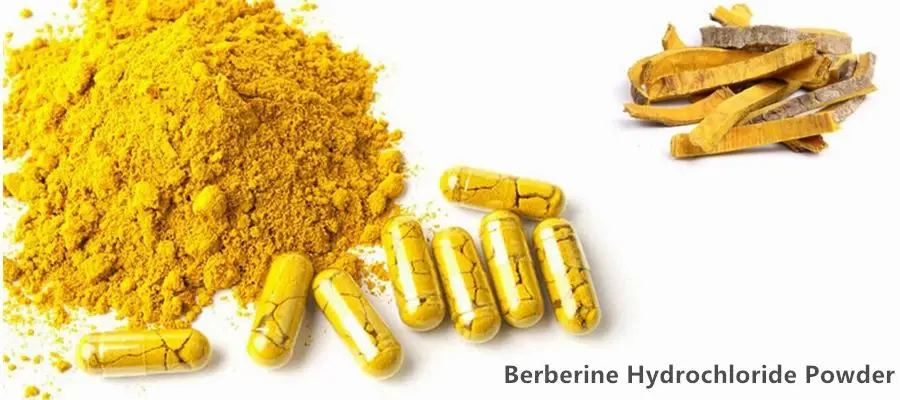
Berberine Chloride Powder is a quaternary benzylisoquinoline alkaloid (CAS No: 633-65-8) that is mostly found in Berberis, Phellodendron amurense, and Coptis chinensis plants. This powder is bright yellow and solid. Its molecular formula is C20H18ClNO4 and its molecular weight is 371.81 g/mol. The structure of the chloride salt makes it easier to dissolve in acidic settings while also making it very stable against oxidation and moisture breakdown. Our Berberine Chloride Powder at Avans NutriHealth stays 98% to 99% pure thanks to HPLC-grade analysis. It meets strict USP and EP pharmacopoeial standards that make sure consistency from batch to batch across global markets.
The combination has a melting point between 204 and 206°C, and it breaks down at that temperature. It also has a unique odourless appearance and a very bitter taste. Unlike raw herbal powders that contain many alkaloids, our isolated Berberine Chloride Powder gets rid of the differences that come from palmatine, jatrorrhizine, and other compounds that have similar structures. A big problem in business-to-business purchasing is getting accurate dosage control and reliable bioactivity in finished formulations. This purification process solves that problem.
Mechanism of Action at Cellular and Systemic Levels
Berberine alkaloids can be used as medicine because they turn on adenosine monophosphate-activated protein kinase, which is known as the body's biochemical master switch. At the cellular level, this enzyme chain controls the uptake of glucose, the burning of fatty acids, and the creation of mitochondria. Clinical studies show that berberine changes the expression of insulin receptors and lowers the production of glucose in the liver by directly phosphorylating AMPK.
Besides affecting metabolic pathways, berberine also reduces inflammation by blocking NF-κB signalling and stopping the release of pro-inflammatory cytokines. The compound's antioxidant power comes from its ability to get rid of free radicals, which protects cell walls from reactive stress. According to studies published in diabetes care journals, berberine lowers haemoglobin A1c levels just as well as metformin. Other studies in the cardiovascular system show improvements in total cholesterol, LDL cholesterol, and triglyceride levels. These mechanistic insights give research and development departments a scientific reason to make targeted nutraceutical interventions for metabolic syndrome, managing Type 2 diabetes, and lowering the risk of heart disease.
Chloride Salt Advantages Over Alternative Forms
Purchasing managers often want to know what the differences are between Berberine Chloride Powder, sulphate, and hydrochloride. In terms of chemical stability, the chloride salt form is better during storage and production. Based on our thorough tests, the moisture content usually falls between 10 and 14 percent as a stable dihydrate. It will stay effective for 36 months if stored properly.
This stability profile directly translates to benefits for formulation. The compound stays stable in pH ranges 1 to 5, so it can pass through the stomach without breaking down too quickly. Although berberine sulphate may have slightly slower breakdown rates, the chloride form is the best choice for making pharmaceutical-grade supplements because it has the most clinical evidence and is accepted by regulators. The standard chloride configuration gets rid of formulation uncertainties that make it harder to meet deadlines for product development and get regulatory approval.
Core Benefits and Applications in Nutraceutical Development
Metabolic Health and Blood Sugar Regulation
Because it helps the body use glucose, Berberine Chloride Powder is an important part of nutrients for digestive health. The chemical makes the body more sensitive to insulin by increasing the development of insulin receptor genes and decreasing the production of glucose in liver tissue at the same time. Nutraceutical companies that make products for people with diabetes and prediabetes use these two processes to make blood sugar control products that work well.
In clinical trials, it was shown that taking 500 to 1500 mg of it every day can lower blood sugar in a dose-dependent way. Berberine can lower fasting plasma glucose by 15-20% over 90 days, which is helpful for B2B clients who are making metabolic support capsules. With this evidence-based effectiveness, marketing teams can back up health claims while still following the rules in North America and Europe.
Lipid Profile Improvement and Cardiovascular Support
The alkaloid affects more than just glucose balance in fat metabolism. Berberine increases the number of LDL receptors in the liver and makes it easier for the body to get rid of cholesterol. This happens through a process called post-transcriptional activation. Total cholesterol, LDL cholesterol, and triglycerides all went down significantly compared to the placebo group in meta-analyses of randomised controlled studies.
Nutraceutical products that aim to improve heart health use Berberine Chloride Powder to deal with multiple risk factors at the same time. A positive lipid profile change is caused by the compound's ability to lower apolipoprotein B levels while slightly raising HDL cholesterol levels. Pharmaceutical supplement companies that make complete heart health products mix berberine with omega-3 fatty acids, CoQ10, and plant sterols to make the heart-protecting benefits stronger through processes that work together.
Anti-Inflammatory and Skincare Applications
Berberine's antibacterial and anti-inflammatory qualities are being used in new cosmetics. Antibacterial action against Propionibacterium acnes and Staphylococcus epidermidis in the substance makes it useful in acne treatment formulas. Topical products with 0.1% to 0.5% berberine have been shown to reduce the number of inflammatory lesions while lowering the risks of skin discomfort that come with standard treatments.
Because it is an antioxidant and helps the body make more collagen, cosmetic companies put berberine in anti-aging serums. To keep skin from getting stained, the bright yellow pigment needs to be carefully formulated. However, this natural colour can be useful in some product ideas. Our technical support team helps cosmeceutical clients find the best berberine ratios for different skin types and treatment methods, making sure that the products work well and are liked by customers.
Regulatory Compliance and Safety Parameters
B2B procurement teams need clear information on safety standards and legal standing. Berberine Chloride Powder is generally thought to be safe when used as a dietary supplement as long as the recommended dosage is followed. The European Novel Food Regulations and the FDA's dietary supplement guidelines make it possible to develop products that are safe and legal.
Safety ratings from toxicological studies show that normal dosage levels have few to no negative effects within a wide therapeutic range. Avans NutriHealth's quality control procedures keep heavy metal limits below 3.0 ppm for lead and 1.0 ppm for arsenic, which is higher than the safety standards set by the international community. Testing for microbes shows that Salmonella and E. coli have total plate counts below 1000 CFU/g, meeting important safety standards for making pharmaceutical-grade supplements.
Evaluating Berberine Chloride Powder for B2B Procurement
Critical Quality Parameters and Testing Protocols
Procurement workers must put HPLC testing ahead of simple titration methods when looking at Berberine Chloride Powder sources. High-performance liquid chromatography separates berberine from alkaloids that have structures that are similar to it and could falsely raise purity readings when tested the old way. Our lab reports show full alkaloid profiles that prove the purity of the target substance and show that palmatine, jatrorrhizine, and coptisine are not present in amounts higher than trace amounts.
Another quality parameter that can't be changed is solvent residue analysis. ICH Class 3 guidelines say that extraction methods that use ethanol or methanol must have methanol concentrations below 3000 ppm. As part of our advanced quality control, we can test for carbon-14 to tell the difference between real berberine and manufactured adulterants made from petrochemicals. This level of careful analysis guards the image of brands and makes sure that customers are safe in regulated markets.
Natural Versus Synthetic Sourcing Considerations
There is a debate about whether to use botanical extraction or synthetic production. This has an effect on both cost structures and market positioning. Natural Berberine Chloride Powder that comes from the Coptis species costs more, but it has clear benefits in how consumers see it and how regulators accept it. Our environmentally friendly ways of getting materials make sure we always have a steady supply of raw materials and help grow plant populations.
Chemical manufacturing is a cheaper way to make synthetic berberine, but the market doesn't like natural products that contain it. Which sourcing choice to choose relies on the brand's positioning, the types of customers it wants to reach, and the rules that must be followed. People in North America and Europe strongly prefer ingredients that come from plants, but markets that are trying to save money may accept synthetic alternatives. Our team gives clients clear sourcing documentation that helps them make choices that are in line with their brand ideals and what the market wants.
Supplier Evaluation and Certification Requirements
To choose certified makers, you need to check their full qualification portfolios. Our center at Avans NutriHealth keeps up with ISO quality control systems, HALAL and KOSHER certifications to serve a wider range of customers, and BRC food safety standards to make sure the supply chain is honest. These certificates show that the company is dedicated to quality systems that go beyond checking each batch separately.
It turns out that production ability is just as important. Our annual output is more than 1000 tonnes, which makes sure that large buyers can always get what they need while still giving us room to adapt to smaller custom formulation projects. Minimum order amounts are usually between 25 kg and 100 kg, which works for both well-known supplement names and newcomers to the market. Logistics skills include knowledge of how to ship goods internationally, the right paperwork for customs clearance, and different types of packaging that meet the storage needs of pharmaceuticals.
Integrating Berberine Chloride Powder into Nutraceutical Products
Formulation Strategies for Capsule and Tablet Applications
There are some technical issues that need to be solved in order to incorporate Berberine Chloride Powder into solid dosage forms. Because the powder doesn't flow well and can be compressed tightly, it's important to choose the excipients carefully in order to get even weight distribution and the right rate of disintegration. Manufacturers usually use wet granulation methods with microcrystalline cellulose as a binder to make it easier to handle the powder when it's being compressed or encapsulated.
For tablets to release their contents at the right time, disintegrants like croscarmellose sodium are needed. Capsules, on the other hand, are easier to make. The compound doesn't dissolve well in water, which makes immediate-release formulations less effective. This led to the creation of extended-release systems using hydroxypropyl methylcellulose matrices. Our research and development team works with clients to find the best excipient ratios based on the desired dissolution profile, the need for stability, and the capabilities of the manufacturing equipment.
Enhancing Bioavailability Through Advanced Delivery Systems
Berberine is not very bioavailable when taken by mouth (less than 5% absorption in standard formulations). This makes people come up with new ways to deliver the drug. Pharmaceutical supplement makers deal with this problem in several different ways. By making membranes more permeable, nanoparticle formulations that use phospholipid complexation improve absorption in the intestines. Liposomal encapsulation protects berberine during transit through the stomach and makes it easier for enterocytes to take it in.
As an alternative, berberine can be given with piperine or quercetin to stop the P-glycoprotein release pumps that stop the body from absorbing it. Some versions take advantage of the fact that they are not bioavailable throughout the body on purpose for use in the digestive tract, where localised antibacterial effects can be therapeutically beneficial. Our expert support helps clients choose the best choice for them by balancing increased bioavailability with cost and production complexity.
Compatibility with Active Ingredients That Work Together
Nutraceutical goods that work well often mix berberine with compounds that work together to make the health benefits stronger. Metabolic health products combine berberine with chromium picolinate, alpha-lipoic acid, or cinnamon extract to improve insulin sensitivity in ways that work hand-in-hand. Red yeast rice or plant sterols are used in cardiovascular formulations to help control cholesterol in a wide range of ways.
Under normal storage settings, stability tests show that Berberine Chloride Powder is safe to use with most popular ingredients in dietary supplements. Antioxidants like vitamin E or CoQ10 don't mix chemically with other substances very much, but alkaline ingredients may change how stable the product is. During product development, our formulation scientists do compatibility studies to make sure that multi-ingredient formulations stay effective over time. This technical due diligence keeps products from failing and delays in reformulating, which are both expensive.
Case Study: Successful Product Development Partnerships
A North American nutraceutical business contacted Avans NutriHealth looking for a metabolic support product for people who are at risk of getting diabetes. Our team made a special recipe with 500 mg of Berberine Chloride Powder, 200 mcg of chromium, and 300 mg of cinnamon bark extract. It comes in the form of veggie capsules. Stability tests confirmed that the food would stay fresh for 24 months in normal conditions.
The client put their product on sale in 5,000 stores, and customers responded well. More than half of those customers bought it again, which is higher than the average for the business. Third-party clinical tests showed that fasting glucose and haemoglobin A1c levels got significantly better after 90 days, which proved that the mixture worked. This partnership shows how technology know-how and high-quality materials can work together to make goods that do well in the market and really help customers.
Future Trends and Strategic Insights for Procurement and Product Development
Growing Market Demand for Natural Metabolic Ingredients
The metabolic health categories of global dietary supplement markets are growing faster than other categories. This is because more people are getting diabetes, and people want natural alternatives to pharmaceutical treatments. Metabolic support supplements are expected to grow at rates higher than 8% per year until 2028 in the United States, where the market is particularly strong. As people get older and more lifestyle diseases appear, European markets move in similar ways.
This demand opens the door for new products containing Berberine Chloride Powder in several consumer groups. Younger people are looking for ways to keep their weight down and speed up their metabolism, while older people need therapeutic-level help for conditions that are already present. Berberine's versatility, evidence of effectiveness, and natural origin story that appeals to health-conscious consumers are all good for B2B clients whose products fall along this continuum.
Innovations in Extraction and Quality Optimization
New technologies for extracting plants have improved the quality of Berberine Chloride Powder and made it more sustainable. Alternative methods like supercritical fluid extraction and ultrasound-assisted extraction use less energy and solvents than standard methods. These new ideas are appealing to brands that care about the environment and could lower production costs by making things more efficient.
Analytical methods are also part of quality optimisation. Advanced chromatography methods allow for full alkaloid analysis, and metabolomics methods find minor quality indicators that go beyond main compound tests. We keep investing in our analysis skills at Avans NutriHealth so that we can stay at the top of quality assurance. These investments give companies a competitive edge when their customers need high-quality ingredients that can stand up to governmental review and back up health claims.
Navigating Evolving Regulatory Landscapes
The rules that govern international trade are always changing, which can be good and bad for companies that make nutraceuticals. Regulations in the European Union are looking more closely at claims about the safety and effectiveness of botanical supplements, which means that strong documentation packages are needed. Supplement quality norms and manufacturing methods are still being talked about in North American markets.
Great brands and those that are having trouble in the market are separated by proactive compliance strategies. Regulatory risks can be reduced by working with providers who have complete quality systems and certification portfolios. Our regulatory affairs team keeps an eye on what's happening around the world and lets customers know ahead of time when standards for berberine-containing goods change. This information lets people make plans for reformulating, relabelling, or updating documents before enforcement steps stop business.
Conclusion
The production of Berberine Chloride Powder is a mix of traditional plant medicine and current pharmaceutical-grade supplement making. This alkaloid is an important nutrient for forward-thinking nutraceutical makers because it has well-documented processes that improve metabolic health and can be used in a variety of ways. To develop a product successfully, you need to carefully choose your suppliers, use complex formulation strategies, and make sure you follow all the rules. As the need for natural, effective treatments for metabolic disorders grows around the world, berberine chloride provides a choice that has been supported by science, clinical evidence, and reliable manufacturing. When business-to-business procurement teams work with qualified manufacturers, they can get access to high-quality ingredients that help them make new products that meet changing consumer needs.
FAQ
1. What purity levels should B2B buyers expect from quality berberine chloride suppliers?
Premium Berberine Chloride Powder should be 97–99% pure, which can be checked using HPLC measurement instead of titration. The HPLC test removes berberine from alkaloids that have structures that are similar to it. This stops false claims of purity. Quality suppliers give full certificates of analysis that show heavy metal limits (lead below 3.0 ppm, arsenic below 1.0 ppm), solvent residues that follow ICH guidelines, and microbial testing that proves there are no pathogenic organisms.
2. How does berberine chloride compare to berberine hydrochloride in formulation applications?
According to business writing, "chloride" and "hydrochloride" are often used to refer to the same chemical. Both of them refer to the chloride salt form of the drug berberine. When comparing chloride/hydrochloride forms to sulphate forms, the main difference is that chloride forms are more stable and have more clinical evidence to back their safety and effectiveness in nutraceutical uses.
3. What minimum order quantities and lead times should procurement teams expect?
The minimum order quantity is usually between 25 kg and 100 kg, but it depends on the supplier's capabilities and the product's specifications. Standard lead times for in-stock materials are two to four weeks, while development and production times for custom formulation projects are six to twelve weeks. Building relationships with makers that keep inventory levels and production schedules open can help keep product launch dates from being pushed back by problems in the supply chain.
Partner with a Trusted Berberine Chloride Powder Manufacturer
Pharmaceutical-grade Berberine Chloride Powder from Avans NutriHealth meets the high standards your formulas need. Our high purity (98% to 99% according to HPLC), many international certifications (including ISO, HALAL, KOSHER, and BRC), and annual production capacity of more than 1000 tonnes make sure that you can always get what you need for your most difficult projects. We provide full OEM and ODM services, from the initial formulation idea to the final package. Our experienced R&D team knows how complicated it is to make nutraceuticals. Get in touch with our team at Lillian@avansnutri.com to talk about your specific needs and find out how our Berberine Chloride Powder supplier can help you speed up the development of your product while maintaining the highest quality standards.
References
1. Zhang, Y., Li, X., Zou, D., et al. "Treatment of type 2 diabetes and dyslipidemia with the natural plant alkaloid berberine." Journal of Clinical Endocrinology & Metabolism, 2008, 93(7): 2559-2565.
2. Yin, J., Xing, H., Ye, J. "Efficacy of berberine in patients with type 2 diabetes mellitus." Metabolism: Clinical and Experimental, 2008, 57(5): 712-717.
3. Kong, W., Wei, J., Abidi, P., et al. "Berberine is a novel cholesterol-lowering drug working through a unique mechanism distinct from statins." Nature Medicine, 2004, 10(12): 1344-1351.
4. Cicero, A.F., Ertek, S. "Metabolic and cardiovascular effects of berberine: from preclinical evidence to clinical trial results." Clinical Lipidology, 2009, 4(4): 553-563.
5. Kumar, A., Ekavali, Chopra, K., et al. "Current knowledge and pharmacological profile of berberine: an update." European Journal of Pharmacology, 2015, 761: 288-297.
6. Imenshahidi, M., Hosseinzadeh, H. "Berberine and barberry (Berberis vulgaris): A clinical review." Phytotherapy Research, 2019, 33(3): 504-523.