




How Can Microcellulose Powder Improve Product Performance?
Microcellulose powder improves product performance by acting as a multifunctional excipient that enhances binding strength, texture stability, and moisture control across pharmaceutical, food, and cosmetic formulations. Derived from purified plant cellulose through controlled acid hydrolysis, this white, odorless powder delivers consistent compressibility, uniform powder flow, and reliable disintegration profiles. Its inert, plant-based nature makes it compatible with clean-label and regulated market requirements. Whether you are developing tablet formulations, reduced-fat food products, or stable cosmetic emulsions, incorporating this cellulose-derived excipient into your process can measurably elevate output quality and manufacturing efficiency.
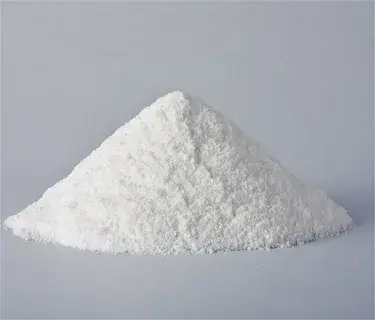
Understanding Microcellulose Powder: Composition and Core Properties
Microcellulose powder (CAS 9004-34-6) comes from sustainable plant fibers and is a pure, partly depolymerized form of alpha-cellulose. The production process carefully removes amorphous cellulose regions while leaving the crystalline matrix alone. This is exactly what makes this material so good at managing moisture and compression.
It's important to tell this ingredient apart from other kinds of cellulose that are similar. Nanocellulose works with particles smaller than 100 nm and is aimed at advanced material science uses. Cellulose fibers keep their long-chain structures, which make them good for strengthening structures. Microcrystalline cellulose (MCC) comes from the same place as cellulose, but it goes through a more thorough depolymerization process, which results in a product with a narrower degree of polymerization (DP) range. The Avans MCC series powder, for instance, has a DP range of 180–375 and a particle size range of 50–200 μm. It is designed to have the best binding and flow properties in commercial recipe settings.
When buying cellulose excipients, purchasing managers should look at the moisture content, bulk density, and pH range as basic quality indicators. The bulk density of Avans MCC series powder is between 0.26 and 0.31 g/cm³, and the pH is between 5.0 and 7.5. These factors are compared to USP/EP/BP standards to make sure they work with controlled pharmaceutical and food-grade manufacturing settings. These qualities will stay the same for as long as the product is stored properly in a cool, dry place out of direct sunlight.
Key Benefits of Microcellulose Powder for Product Enhancement
This excipient is better than regular fillers because it can be used for a lot of different things. Starch-based fillers can change how hard a tablet is because they absorb water in unpredictable ways. Xanthan gum can change the viscosity of a substance, but it needs to be hydrated in a certain way and can make it harder for microbes to stay stable. MCC microcellulose powder, on the other hand, works reliably in both dry and wet processing conditions without needing any extra process changes.
Here are the main performance benefits of MCC powder that set it apart from other formulations on the market:
- Superior binding efficiency: MCC powder acts as a dry binder in direct compression tablet manufacturing, enabling robust compaction without granulation steps. This reduces processing time and energy costs while delivering consistent tablet hardness.
- Reliable disintegration control: Its hygroscopic balance supports fast-disintegrating tablet profiles, which is especially critical for pharmaceutical clients targeting rapid bioavailability in oral solid dosage forms.
- Texture stabilization in food systems: When incorporated into sauces, dairy alternatives, or baked goods, MCC powder maintains viscosity uniformity across temperature fluctuations and inhibits syneresis in emulsion-based products.
- Clean-label compatibility: As a plant-derived, naturally sourced ingredient, it aligns with vegetarian, HALAL, and organic certification requirements that modern consumers and regulated markets increasingly demand.
All of these benefits work together to get around manufacturing problems that buying teams face when they try to make new formulas available to more people. Using MCC powder instead of regular fillers will immediately lead to more stable output, fewer batch rejections, and a better place in the market.
Applications of Microcellulose Powder Across Industries
One of the best things about cellulose excipients for business is that they can be used in a lot of different industries. Avans NutriHealth sells MCC series powder to companies that make medicines, process foods, make dietary supplements, and make personal care products. Each of these industries has specific functional needs.
Pharmaceutical Manufacturing
When making tablets and capsules, MCC powder is used as both a glue and a filler. It works well with both direct compression and wet granulation. Active pharmaceutical ingredients (APIs) that are sensitive to moisture are protected by its low hygroscopicity, and the controlled particle size makes sure that consistency from batch to batch. Pharmaceutical clients say that tablets are harder and dissolve faster, which has a direct effect on how well the product works and how well patients follow the directions.
Food and Beverage Processing
Experts in food formulating use MCC powder to replace up to 30% of the fat in baked goods without changing the way the food tastes or feels. It keeps oil-in-water emulsions stable in dairy-alternative goods and keeps the texture from changing when they are chilled or heated. Because it is FDA GRAS and follows the rules for food additives, it is a practical and low-risk material for changing the way a product is made.
Dietary Supplements and Cosmetics
When used in capsule recipes, MCC microcellulose powder works as a filler that doesn't do anything and helps the powder flow evenly and accurately during high-speed encapsulation. For cosmetic uses, it helps creams and serums get thicker and more emulsified without changing how well they work with skin. Because it comes from plants, it fits with the "clean beauty" image that more and more personal care brands in North America and Europe are trying to create.
How to Choose the Right Microcellulose Powder for Your Products
To choose the right grade of cellulose excipient for your purpose, you need to pay close attention to quality paperwork and how open your supplier is. A Certificate of Analysis (COA) should show that the particle size distribution, moisture content, pH, and mass density all meet the standards that have been set. Safety Data Sheets (SDS/MSDS) should make sure that the substance is inert and list safe ways to handle it that are proper for your production setting.
For its MCC line, Avans NutriHealth offers COA paperwork along with ISO, HACCP, FSSC22000, USDA, and HALAL certificates. In the US, Europe, and the Middle East, this approval stack meets the compliance needs of buying pharmaceutical-grade goods.
Matching Grade to Application
Professionals in procurement should make sure that the grade choice meets the needs of the processes. USP/EP/BP monograph standards must be met by pharmaceutical-grade MCC powder. For food-grade uses, neutrality in the senses, regulatory clearance, and stability in emulsification are most important. Cosmetic-grade standards focus on how well the particles stick to the skin and how uniform they are. Your R&D team can test performance in real production settings before going big by asking for application-specific samples before committing to full-volume orders.
Optimizing Product Performance Using Microcellulose Powder
Three problems that formulators often face are uneven batch texture, stability loss during storage, and squeezed dosage forms that don't have enough mechanical strength. Because of how it is built, MCC powder immediately solves all of these issues.
The recommended rates for formation depend on the application. Depending on the amount of active ingredient in the pill, usage levels are usually between 20% and 90% of the total weight of the mixture. A level of 1 to 5 percent inclusion in food systems is needed to stabilize emulsions and replace fat. These standards should be used as starting points, and the best rate for each formulation should be confirmed by testing it in the process.
Customers who use Avans MCC powder to make tablets say that capping and lamination flaws have gone down significantly. These are two of the most common quality problems in direct compression processes. Food processing clients say that the products last longer on the shelf and are returned less often because the textures aren't consistent. These results show not only how good the raw materials are, but also how good Avans' professional help is during the whole process of making an app.
Conclusion
Microcellulose powder is an excipient that can be used in a lot of different ways and is legal. It can improve the performance of medicines, foods, and supplements. Its ability to bind strongly, keep moisture in check, and work with clean labels makes it a smart ingredient choice for companies that sell their products in regulated global markets.
FAQ
1. Is microcellulose powder safe for use in food and pharmaceutical products?
Microcellulose powder (CAS 9004-34-6) satisfies the requirements of USP/EP/BP monographs for pharmaceutical use and is FDA GRAS for food applications. It doesn't react with active ingredients and doesn't change the way chemicals work. Avans MCC series powder is also approved by HACCP and FSSC22000, which shows that it meets safety standards for production.
2. What is the difference between microcellulose powder and microcrystalline cellulose?
Both are made from plant cellulose, but microcrystalline cellulose is broken down more completely by acid, which gives it a tighter crystalline structure and a lower degree of polymerization. There is a DP range of 180–375 in the Avans MCC series, which is designed to work well with pharmaceutical and food additives. The main things that make them different are particle size and processing method.
3. How can I request a sample or technical documentation from Avans?
Technical support is provided to help with composition advice that is specific to the application.
Partner with Avans — Your Trusted Microcellulose Powder Supplier
Avans NutriHealth Co., Ltd. offers enterprise-grade MCC series powder that comes with confirmed certifications, is always in stock, and comes with specialized application support. As a trustworthy maker of microcellulose powder, we help buying managers and R&D teams find what they need. Email our team at Lillian@avansnutri.com to ask for a sample, get our product information, or talk to a formulation expert right away.
References
1. Rowe, R. C., Sheskey, P. J., & Quinn, M. E. — Handbook of Pharmaceutical Excipients, 7th Edition. Pharmaceutical Press, 2012.
2. United States Pharmacopeia — USP-NF Monograph: Microcrystalline Cellulose. United States Pharmacopeial Convention, 2023.
3. Thoorens, G., Krier, F., Leclercq, B., Carlin, B., & Evrard, B. — "Microcrystalline cellulose, a direct compression binder in a quality by design environment." International Journal of Pharmaceutics, 2014.
4. Singhal, A., & Kulkarni, P. R. — "Microcrystalline cellulose as a functional food ingredient." Journal of Food Science and Technology, 2010.
5. European Food Safety Authority (EFSA) — "Scientific Opinion on the safety of cellulose as a food additive." EFSA Journal, 2015.
6. Nsor-Atindana, J., Chen, M., Goff, H. D., Zhong, F., Sharif, H. R., & Li, Y. — "Functionality and nutritional aspects of microcrystalline cellulose in food." Carbohydrate Polymers, 2017.