




Curcumin Extract Powder vs Turmeric Powder: Key Differences
When sourcing turmeric-derived ingredients, the choice between curcumin extract powder and turmeric powder carries significant implications for formulation performance, regulatory compliance, and cost efficiency. Curcumin extract powder is standardized to a minimum of 95% total curcuminoids, delivering concentrated bioactive potency that turmeric powder simply cannot match. Turmeric powder, derived from the dried Curcuma longa rhizome, contains only 2–5% curcuminoids. For B2B procurement professionals in nutraceutical, pharmaceutical, and cosmetic manufacturing, understanding this distinction is the foundation of a sound ingredient sourcing strategy.
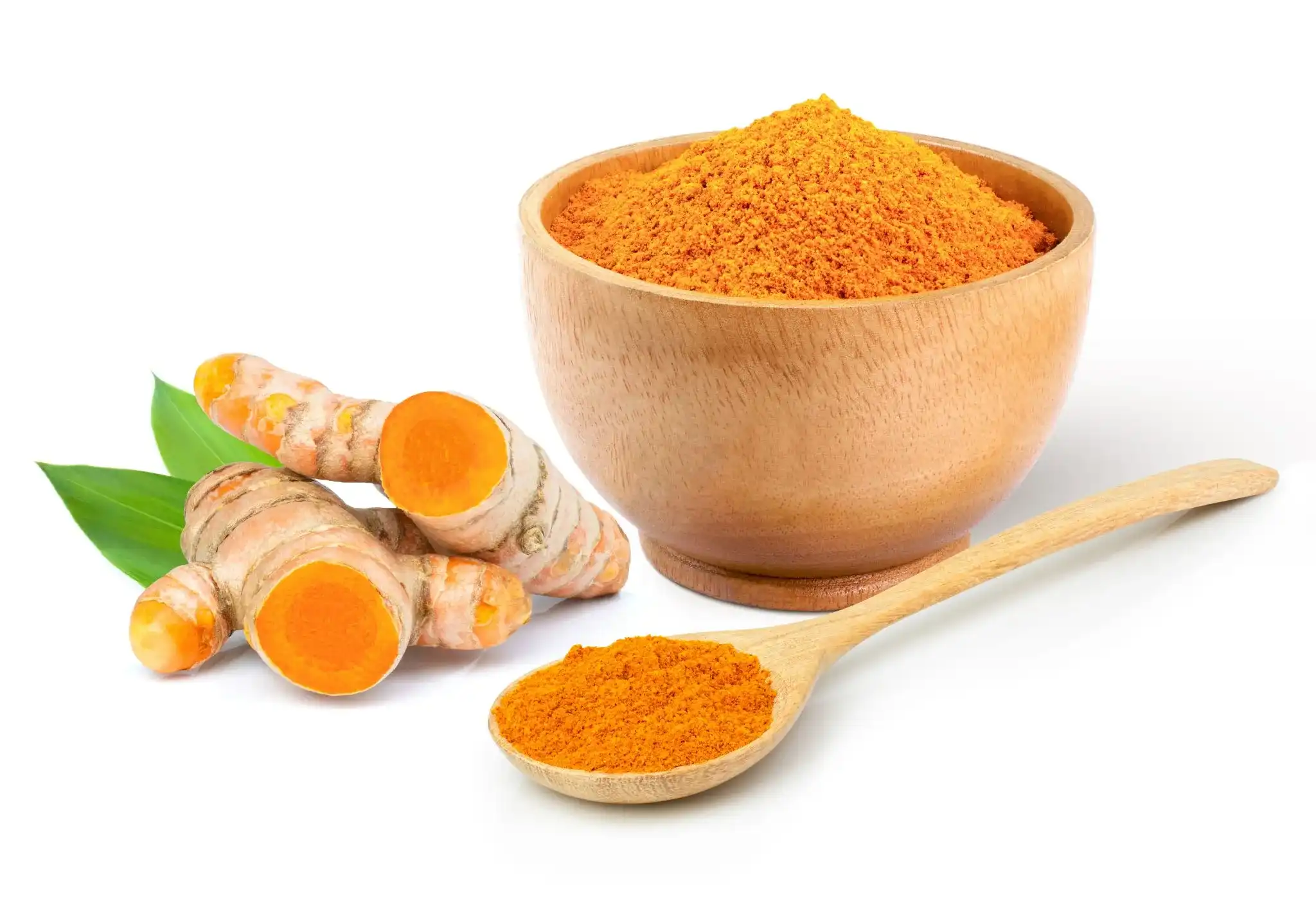
Understanding Curcumin Extract Powder and Turmeric Powder
Curcuma longa L. is the plant that both of these items come from, but they are made in very different ways. Turmeric powder is made from the dried and ground root. Along with the essential oils, starch, fiber, and a small amount (2–5%) of curcuminoids, it retains the whole structure of the plant. Since it comes from the whole plant, it can be used to naturally color food, add flavor, and provide health benefits in the past.
For example, curcumin (diferuloylmethane), demethoxycurcumin, and bisdemethoxycurcumin are the three main curcuminoids. They are separated and concentrated in curcumin extract powder, which is made using advanced solvent extraction and processing methods. Tests have shown that this makes a fine, solid, orange-yellow powder that has at least 95% total curcuminoids. Around 183°C is when it melts. In drug and supplement mixtures that need to be lawfully verified with active markers, this level of standardization can't be skipped.
This is clear to procurement managers and R&D formulators: turmeric powder can be used for many low-potency tasks, while high-purity curcuminoid extract meets the dose-effectiveness needs of controlled industries.
Core Differences Between Curcumin Extract Powder and Turmeric Powder
The most important change is the amount of curcuminoids. A company that makes softgels with a reasonable amount of anti-inflammatory would need a lot more turmeric powder by weight for a small amount of the extract to have the same effect. Because of this difference in bulk, the cost of making the pills, the amount of the ingredient, and the size of the pills all go up.
In terms of bioavailability, both concentrate and extract powder are good, but extract powder does a better job. Curcumin stays put in fats and doesn't mix well with water. When it is made as a curcuminoid extract, it is easier to combine with bio-enhancers like piperine (black pepper extract) or to add to liposome, nanoparticle, or micellar delivery systems. All of these new ways of giving medicines don't work well with turmeric powder because it has a complicated structure.
Take a look at this to see a straight comparison across key scientific parameters:
- Curcuminoid Content: curcumin extract powder delivers ≥95% total curcuminoids, providing a dense, reliable active payload suitable for clinical and nutraceutical dosing standards, whereas turmeric powder typically yields only 2–5%, requiring substantially higher inclusion rates to achieve equivalent bioactivity.
- Bioavailability Profile: The isolated curcuminoid structure in extract powder is far more amenable to bioavailability enhancement strategies — including co-formulation with piperine or encapsulation technologies — giving formulators greater control over absorption and therapeutic outcome in the finished product.
- Regulatory and Safety Standards: Curcumin extract powder aligns directly with USP and EP monograph specifications and supports compliance documentation for markets in North America, Europe, and the Middle East. Turmeric powder carries fewer standardization benchmarks, creating variability that regulated market buyers must carefully evaluate.
-- Rules and laws for safety: It helps with compliance paperwork for markets in North America, Europe, and the Middle East because curcumin extract powder is exactly what the USP and EP papers say it should be. Turmeric powder doesn't have as many standards, so there is some difference that people who buy it in controlled markets need to be aware of.
Making the Right Choice: Procurement Considerations for B2B Clients
This isn't the only thing that goes into cost analysis. Curcumin extract powder is more powerful than regular turmeric powder, but it costs more. This is because it has lower inclusion rates per finished unit. In order to make a 500 mg anti-inflammatory pill that lives up to what it says on the label, a company that makes food supplements might not need as much extract powder as black pepper powder. The cost of materials per unit would go down, and the capsule itself would weigh less.
Certification compliance is another important thing to look at when buying something. If a client sells to stores or wholesalers in the US, Europe, or the Middle East, they need ingredient certificates in order to get their goods through customs and onto store shelves. People who want to buy something should at least look for sellers who are HALAL, KOSHER, ISO, USDA Organic, HACCP, and FSSC 22000 approved. By having these credentials, procurement managers can avoid audit risks and make sure that suppliers are qualified.
You also need to store and treat the two types in different ways. Due to its high sensitivity to light and alkaline conditions, curcumin extract powder undergoes photodegradation and undergoes a rapid color change. Curcuminoids must be kept safe along a long supply chain in packages that are opaque, sealed, and have temperature and humidity controlled.
Comparative Analysis: Curcumin Extract Powder vs Turmeric Powder in Practice
Each type of material can be used in real life in the fields that Avans works in.
Standardized curcuminoid extract is a key part of making medicines and health foods. When supplement companies make products to help with joint pain, brain health, or inflammation, they need to make sure that the labels are followed and that the active ingredients in their products are checked to make sure that they work. The amount of curcuminoid in turmeric powder can change from batch to batch, which leads to issues that can't be accepted in these managed groups.
Both types help make useful drinks and foods. Like E100, a natural pigment, turmeric powder gives drinks, dairy-free options, and seasoning mixes color and taste. It may also help fight free radicals. If you want to make something busy and healthy, like an anti-inflammatory functional drink, curcumin extract is best. It's also important to get the dose right. This is usually done with microencapsulation or nano-emulsification to keep things stable and keep them from sinking to the bottom of liquids.
People love high-purity curcuminoid extract because it stops tyrosinase from working and brightens and fights free radicals. It is used in anti-aging and brightening serums. In emulsion systems, the extract needs to be kept stable so that it doesn't turn brown from oxidation while it's being stored.
Optimizing Your Procurement Strategy for Curcumin Products
It's not enough to just talk about price when looking for a reliable curcuminoid extract provider. Procurement teams should think about the following things before committing to a long-term supply relationship:
- Purity Verification: Demand HPLC-confirmed assay certificates with each batch, confirming ≥95% total curcuminoids and compliance with heavy metal, pesticide residue, and microbial limits per USP or EP standards.
- Certification Breadth: Suppliers holding multiple international certifications — HALAL, ISO, USDA Organic, HACCP, FSSC 22000 — demonstrate systemic quality governance, not just product-level compliance, which matters during importer audits and retailer qualification processes.
- Extraction Technology Transparency: Suppliers using validated, documented solvent extraction and crystallization processes provide more consistent output and cleaner safety profiles than those relying on undisclosed proprietary methods.
- Customization Capability: OEM and private label clients benefit significantly from suppliers who offer tailored particle size, solubility grades, and co-formulation support — reducing downstream R&D burden.
Transparency in Extraction Technology: Suppliers who use solvent extraction and crystallization methods that have been tested and written down get more consistent results and better safety profiles than those who use secret methods that haven't been written down.
Customization: OEM and private label clients benefit a lot from providers who can offer customized particle size, solubility grades, and co-formulation support. This makes the work of R&D teams further down the line easier.
Conclusion
The choice between turmeric powder and curcumin extract powder comes down to how well the end product needs to work. Turmeric root powder is a lower-potency form of the whole plant that can be used in food and traditional medicine. High-purity curcuminoid extract is the best ingredient to use when it comes to standard bioactivity, following the rules, and making sure the recipe is correct. When purchasing, professionals work in globally controlled markets; the best way to make sure the quality of a product and its financial success is to match the ingredients they pick with the suppliers' records and qualifications.
FAQ
1. Is curcumin extract powder safe at high doses compared to turmeric powder?
It is very important to get the dose right when making it, though, because it has a lot more curcuminoids than whole turmeric powder. Before teams buy something, they should make sure that the company they buy from gives them validated assay documentation and toxicological data.
2. Does adding piperine meaningfully improve curcumin bioavailability?
A study in Planta Medica found that giving piperine along with curcumin increased the amount of curcumin that was bioavailable in people's blood by around 2,000%. It is now common for high-end supplements to contain standard curcuminoid substances along with piperine.
3. What certifications should I require from a curcumin extract supplier?
They should ask for at least HALAL, ISO, HACCP, and FSSC 22000 certifications if they want to do business in controlled markets. The USDA Organic seal of approval brings a lot of new customers to the U.S. market for organic supplements. These qualifications all work together to make sure safety, tracking, and legality of imports.
4. Can curcumin extract powder be used in both capsules and functional beverages?
Yes, but you have to put things together in different ways for each style. For better compressibility, granulation is good for making capsules and pills. The extract can't be mixed with water and is light-sensitive, so it needs to be microencapsulated or nano-emulsified before it can be added to drinks.
Partner with Avans — Your Trusted Curcumin Extract Powder Manufacturer
Avans NutriHealth Co., Ltd. has been selling approved plant extracts to businesses all over the world since 2005. HALAL, ISO, USDA, HACCP, and FSSC 22000 have all given their approval to our curcumin extract powder, which we have in stock. It is made in factories that have been audited and can be fully tracked. We can make changes for OEMs, buy in bulk, and ask for samples. Email our team at Lillian@avansnutri.com to get your book right away.
References
1. Anand, P. et al. — Molecular Pharmaceutics, 2007
2. Shoba, G. et al. — Planta Medica, 1998
3. Aggarwal, B.B. & Harikumar, K.B. — International Journal of Biochemistry & Cell Biology, 2009
4. Hewlings, S.J. & Kalman, D.S. — Foods, 2017
5. Nelson, K.M. et al. — Journal of Medicinal Chemistry, 2017
6. United States Pharmacopeia (USP) — USP–NF Monograph: Curcumin, 2022