




Can palmitoylethanolamide bulk powder Support Private Label Products?
Palmitoylethanolamide bulk powder can, in fact, be used to support private label products, provided that the grade, paperwork, and source are all compatible with your vision. There are some conditions attached to that answer, and we will go over each one below. It can be found in capsules, tablets, sachets, and powder mixes, and the same substance can be used in formulations for dietary supplements, cosmetics, and even food products, provided that the regulations allow it. To succeed, you need clear specifications, batch-level test data, sample trials, and claims that comply with US regulations. We explain how PEA powder fits private label work, what you should check before you buy, and how Avans NutriHealth supports buyers from the time they receive their first sample to the time they receive a consistent supply in this guide.
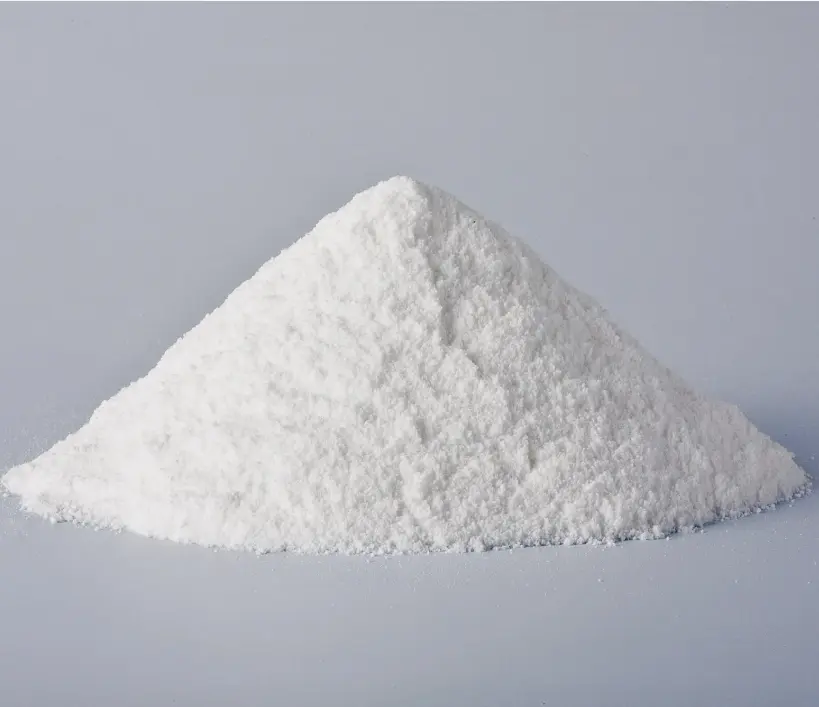
Why Palmitoylethanolamide Bulk Powder Is Gaining Attention in Private Label Manufacturing?
What PEA Is and How Bulk Powder Is Used?
Palmitoylethanolamide, or PEA, is a fatty acid amide that your body makes on its own. It belongs to the N-acylethanolamine family. In 2005, Molecular Pharmacology published a study that found a link between it and the PPAR-alpha receptor, which helps mice with inflammation. Its CAS number is 544-31-0, and its formula is C18H37NO2. You can't use PEA directly if you buy it as a powder. It's an ingredient that will be used in other processes. People who make drugs can put it in pills, tablets, sachets, or mix it with other powders. Because PEA doesn't dissolve in water, the delivery form has to be carefully planned. It means the raw stuff is picked before anything else.
Why Private Label Brands Pay Attention?
Private label brands look for ingredients that help their products stand out on shelves already crowded with other brands. As an example, a 2017 review of PEA for pain in Pain Physician gives them an idea that has been looked into before. For as long as it doesn't break the law in the US, brands market PEA goods with the ideas of health, fitness, and living an active life. When brands buy powder in bulk instead of finished stock, they have more control. This includes the dose, the ingredients, and the branding. One ingredient can serve many different types of people, which also benefits distributors. People planning a new line should consider palmitoylethanolamide bulk powder, as it has many potential applications.
Questions to Settle Before Development Starts
It is recommended that you compose a brief before requesting samples. Make a note of the people you want to communicate with, the quantity of the medication they should take, the frequency with which they should take it, and the quality standards you want to achieve. You should make a list of the documents that your group needs, such as a certificate of approval and a specification sheet. Give them an estimate of how long it will take and what your minimum order quantity is if you wish to place an order. The next step is to inquire about the provider's policy on handling a sudden increase in demand, which may occur shortly after a good beginning. A precise plan that is communicated to suppliers in advance not only helps save time but also enables them to quote on the same grade and terms. When purchasers are provided with this information from the beginning, it makes it much simpler for them to compare possible prices.
How Palmitoylethanolamide Bulk Powder Can Support Private Label Product Development?
Dosage Form and Formulation Flexibility
There are several ways to use palmitoylethanolamide bulk powder, but each one changes what it does. They need a steady flow so that each capsule has the same amount of medicine in it. For binders to work, tablets need to be able to be squished down well. Packs and sticks of powder need to be well mixed and spread out before they can work. Since PEA doesn't mix with water, a drink mix needs to be checked for how it spreads out and how it tastes. So, the tools you use are also important. A high-speed tablet press puts more stress on the powder than a small capsule filler. Try out small parts of your process before you take on a big order. The powder is put through these tests to see if it works the way the specs say it should.
Grade Choices: Standard, Micronized, and Ultra-Micronized
The grain size is one way to identify PEA grades. Regular powder has bigger particles. Powders that contain even smaller particles are referred to as micronized or ultra-micronized. The Journal of Neuroinflammation published the 2014 article that looked into inflammatory pain in rats. Micronized and ultra-micronized PEA have better oral bioavailability than non-micronized PEA. Even though these results don't have any bearing on people, they do clarify why studies on particle size are so popular. It is commonly believed that ultra-micronized PEA has a d90 value below 6 μm. In general, micronized PEA is indicated by a d90 value lower than 10 μm. The remaining 90% consists of particles with sizes smaller than that. You should ask the COA about the measured particle-size distribution because different people use various words.
Private Label, OEM, and Contract Manufacturing Compared
People get these three terms mixed up, so make sure they are clear in your contract. You get a ready-made recipe from a company when you buy a private label. You then sell it under your own name. You give the maker a recipe or plan, and they make a product based on it. This is called OEM work. When you hire a factory to make something, you usually just give them the recipe and let them handle the rest. If a US brand owner hires someone else to make a product, they are still in charge of it when it's done. Companies that make, package, label, or store food supplements must follow the rules in 21 CFR Part 111 set by the FDA. Write down who has the recipe, tries each batch, and keeps the records. Palmitoylethanolamide might be easier to buy in bulk and pack yourself if you only need a small amount.
Key Specifications and Supplier Checks for Palmitoylethanolamide Bulk Powder
Specifications to Verify Beyond Purity
You can't tell everything from the purity number alone. Verify the following: the date of manufacture, the batch number, the identity test, and the assay method (HPLC is commonly employed). Take note of the particle distribution, bulk mass, water content, and texture. Clear and white in color, palmitoylethanolamide bulk powder has a melting point of 97 to 99 degrees Celsius and does not dissolve in water. Get to know the seller's process for evaluating the PEA's dispersion and flow. If you are concerned about airborne allergies, heavy metals, microorganisms, or solvents, you should demand restrictions. Inquire further regarding the current situation of genetically modified organisms. The next step is to determine the optimal dosage for yourself and give it a go. But seeing how the powder interacts with your equipment in a test blend is far more practical.
Documents That Should Come With Every Batch
In the course of audits and reports, files protect your company. Obtain a batch-specific COA, product specs, and, if necessary, a safety data sheet (SDS). Ask for instructions on how to store and use the product so that it remains stable. Inquire about the origin of the certificates and request images from the vendor. The next step is to review each one to determine its duration and the topics it addresses. See our HACCP, FSSC 22000, ISO, USDA, and FSC certifications on our PLA form. Organic, BRC, and Kosher certifications are also available for Avans NutriHealth. Verify that the market and products you intend to sell are a good fit for the package of papers. In the Middle East, different governments, EU supplements, and US supplements may require various records.
Comparing Palmitoylethanolamide Bulk Powder Suppliers
Quality, customer service, business terms, and foreign service should be considered with price when making a purchase decision. Take a look at the supplier's quality system certificates, the extent of their ISO accreditation, the building's ownership, their batch tracking system, and their complaint and issue handling procedures. It is common practice to put a maker in charge of production and revision tracking. In contrast, traders may offer smaller amounts sourced from multiple sources. Choose the model that suits you the most. Verify that all of the quotations you receive are for the identical inspections, quality, packaging, quantity, and Incoterms. Customs forms, labels, and certificates of origin must all be identical; thus, prior export knowledge is also helpful. You can stay ahead of port delays by maintaining accurate records.
Manufacturing, Storage, and Logistics for PEA Bulk Powder
Typical Production and Quality Control Steps
Many details, including routes, are kept secret and vary from firm to corporation. Common processes in production include preparing the raw materials, interacting with them, cleaning, drying, grinding, screening, mixing, and packaging. The final powder is a product of a series of steps. Screening and milling determine the particle size, which in turn alters the mixture's flow, blend, filling, and tableting properties. In a typical finished-batch test, the following are examined: assay, particle size distribution, moisture, microorganisms, heavy metals, residual solvents, mass density, and appearance. To locate something, it is recommended to maintain comprehensive batch records that connect the various components, procedures, tests, packaging, and shipping documents for each batch. How does the provider propose handling situations where the outcome falls outside of the specified range? It seems to get a lot out, but how?
Storage and Packaging Requirements
Take the time to hear the supplier out on the topic of storage requirements and stability. The bulk powder of palmitoylethanolamide should be stored in a cool, dry place, away from direct sunlight, moisture, heat, and dirt. It is recommended to store it in its original, airtight container in a dry, clean location. Reuse and recycling containers also require careful sealing. There is a wide variety of packaging available, including fiber drums, HDPE containers, sealed inner bags, and boxes. The order size, shipping distance, and moisture content will determine the optimal option. The product name, batch number, and net weight should all be legible on the label. Breaking seals is also not allowed. During the summer, it is important to determine if your route needs cooling, particularly for maritime freight. Learn about the packing details before placing your first order. The amount of room you need and the ease of movement are both affected by this.
Export Documents and Shelf-Life Planning
When you get an order from another country, you need a clean set of papers. Before the ship leaves, the commercial invoice, packing list, COA, certificate of origin, and import paperwork should all be ready. The CAS number 544-31-0, amounts, and batch numbers should all be the same on every page. Goods may not be able to get to the port on time if they don't. For supplement ingredients to come into the US, they also need an FDA prior notice. Your customs dealer can fill this out for you. It's also important how long something lasts. Figure out how long it will take to make, ship, clear customs, store, and offer the finished product. Then, tell the customer how long the product should last after it has been delivered. Providers should give you information on stability and the retest or expiration date. With those numbers, you can set safe order sizes.
Working With Avans NutriHealth on Palmitoylethanolamide Bulk Powder
Avans NutriHealth PEA Product Snapshot
Our PEA site appears to be like this at this point. Palmitoylethanolamide (PEA), also known as CAS 544-31-0, represents the substance in question. It is a powder that is white in color and is at least 98% pure. They are manufactured in China, and we have a large quantity of it in stock. There are items on the list that pertain to health, food, and beauty. On the list are certifications from standards such as ISO, FSC, USDA, HACCP, FSSC 22000, and HALAL. There are regulations that we adhere to that originate from the Food and Drug Administration (FDA), the European Union (EU), and other sources. More than one hundred people are employed in the workshops at our factory, which is capable of producing up to one thousand tons of a variety of products annually. In order for your team to check each item individually, I would appreciate it if you could request the most recent certificate of authenticity, copies of the certifications, and particle-size alternatives.
A Practical Procurement Process
An efficient method that can be reused is preferable. Prior to beginning, compile a comprehensive inventory of all relevant information, including but not limited to customer needs, market needs, dosage form, serving size, grade, and documentation. Then, rank the vendors according to seven criteria: product quality, product transparency during testing, pricing, lead time, customization, export support, communication, and quantity they can deliver. Then, combine, pill, or take a tablet of them after getting a few samples. Before you give the go-ahead, you may do a remote or in-person quality check and have everyone sign a contract outlining the specifications and change control. As a last step, make preparations for forecasts, a contingency supply, and a means to differentiate between batches of palmitoylethanolamide bulk powder. If you stick to these instructions, you can make a purchase either once or twice. Whenever you run into any technical problems or need assistance with formulation, our team is always available to help. You can also customize our bulk quantities to meet your specific requirements.
Common Sourcing Risks to Avoid
Most sourcing problems happen because of shortcuts. The first mistake is getting the cheapest quote without making sure it meets your needs. Giving names like "premium" or "pharmaceutical grade" without test results is the second thing that you should not do. The third one is counting on a COA that isn't connected to many things. Look at the total landing cost, which includes freight, testing, materials that can't be used, and production delays. Once you start making the finished product, check to see how well the raw materials work with each other and how the flow changes. Last, look at what each market says about its health. In the US, supplement labels can say things about how the supplement works and how it is structured. The Dietary Supplement Health and Education Act of 1994 says that the FDA needs to be told about these claims, and there needs to be a warning. It's not okay to make claims about illness.
Conclusion
If buyers have a clear plan and match the grade, papers, and supplier with palmitoylethanolamide bulk powder, it can help with private label items. Mixes, pills, and tablets can all be created from PEA powder. Particle size, testing procedure, and batch-level certificates of analysis (COAs) are just as crucial as the purity number. Reducing risk can be achieved by having vendors review the certificate scope, ensure their trackability, and provide comparable quotations. Proper storage, packing, and exporting ensure that the items remain secure during shipment. When you quickly identify your wants, rank providers, test them, and arrange your supply, you won't make the same mistakes if you chose based on price alone. Additionally, American consumers are limited to making claims that are commensurate with the product's structure and function. Put smaller orders in to test and see what works in your own procedure before placing larger ones.
FAQ
Is PEA bulk powder suitable for supplements?
It is possible, as long as the product has been checked for identity, purity, safety, stability, and how well it handles. First, try out some samples and make sure that your claims are in line with the rules of the people you want to sell to, such as the structure/function limits in the US. Also, talk to your regulatory adviser about how the ingredient fits into the law for your product.
How does micronized PEA differ from standard PEA?
It is made up of even smaller pieces than regular powder. Ultra-micronized PEA is even smaller. Different sources use different terms, so make sure the grade fits the dose form you need and ask for a record of the particle size distribution. If you want to change how they flow and mix, you should test them in your tools.
Which documents should I request?
Ask for a COA, a product specification, an SDS (if needed), pictures of the most recent certificates, information on where the product came from, and information on how to store each batch. Check that the certificate's dates and scope match the item you want to buy.
What MOQ should I expect?
MOQ is different for each grade, package, and supplier. We can send any size of order, so let us know how much you need each year and where you'd like it sent, and we'll work out the best size for you.
Get Palmitoylethanolamide Bulk Powder Samples and Quotes from Avans NutriHealth
Are you ready for your next business project to use palmitoylethanolamide bulk powder? They have at least 98% pure PEA in stock and can help with technical questions and making formulas. Send your grade, amount, and where you want the palmitoylethanolamide bulk powder sent to Lillian@avansnutri.com. She will then send you a specification, COA sample, and price while you compare suppliers.
References
1. Molecular Pharmacology, 2005. "The Nuclear Receptor Peroxisome Proliferator-Activated Receptor-α Mediates the Anti-Inflammatory Actions of Palmitoylethanolamide," Lo Verme J. et al.
2. Journal of Neuroinflammation, 2014. "Micronized/Ultramicrotonized Palmitoylethanolamide Displays Superior Oral Efficacy Compared to Nonmicronized Palmitoylethanolamide in a Rat Model of Inflammatory Pain," Impellizzeri D. et al.
3. British Journal of Clinical Pharmacology, 2016. "Palmitoylethanolamide for the Treatment of Pain: Pharmacokinetics, Safety, and Efficacy," Gabrielsson L., Mattsson S., Fowler C.J.
4. Pain Physician, 2016. "Palmitoylethanolamide, a Special Food for Medical Purposes, in the Treatment of Chronic Pain: A Pooled Data Meta-analysis," Paladini A. et al.
5. Pain Physician, 2017. "Efficacy of Palmitoylethanolamide for Pain: A Meta-Analysis," Artukoglu B.B. et al.
6. Dietary Supplement Health and Education Act, 1994. United States Congress.