




Can Allicin Powder Enhance Immune Supplement Lines?
Of course. For nutraceutical companies looking to stand out in their immune supplement offerings, Allicin Powder offers a scientifically proven chance. This beneficial organosulfur substance comes from Allium sativum and has immune-modulating effects that are higher than those of raw garlic. Natural immune boosters are becoming more popular, especially in North American markets where consumers care a lot about clean labels. Now, formulators can get a stable, precise ingredient that meets both legal and efficacy standards. As the shift toward antibiotic-free products grows in the nutraceutical and pharmaceutical industries, garlic-derived thiosulfinates become a realistic business option for companies that want to attract health-conscious customers.
Understanding Global B2B Procurement Trends
A lot has changed in the way that nutraceuticals are bought. Buyers no longer just look at the price of an item; they also look at how sustainable it is, how resilient the supply chain is, and how easy it is to track. This change is happening faster because of digital transformation. E-procurement systems now allow source audits to happen in real time, automatic compliance checks, and predictive inventory management.
The Rise of Transparency in Ingredient Sourcing
More and more, purchasing managers want batch-specific paperwork, like heavy metal analyses and reports on chemical residue. This trend is caused by stricter rules in the US, where the FDA looks more closely at food supplements every year. This trend toward openness is good for companies that use garlic extract powder because botanical products with clear cultivation histories get higher prices. End-to-end tracking is made possible by blockchain technology being used in supply chains. This means that R&D teams can quickly check where raw materials come from, which cuts audit times by up to forty percent.
Market Volatility and Adaptive Procurement Strategies
Because of geopolitical conflicts and climate-related problems, sourcing methods need to be able to adapt. Successful purchasing teams now keep dual-supplier models and keep an eye on predictions for crop yields. These risks are lessened by natural antimicrobial chemicals that come from safe production areas. China consistently produces more than a million tons of garlic each year, thanks to its improved infrastructure for growing garlic and extracting it. This makes plant-based products much more reliable than synthetic options that can run out of chemical precursors. This makes them a better choice for long-term planning of purchases.
Strategic Supplier Relationship Management
To build long-lasting relationships with ingredient providers, you need to go beyond just doing business with them. Leading nutraceutical brands set up joint ventures so that suppliers can be involved in the early stages of product development. This makes sure that the formulas are compatible with the production capabilities.
Performance Evaluation and Quality Benchmarking
Holding suppliers of Allicin Powder accountable is done through regular evaluations that use performance markers like batch uniformity, lead time accuracy, and regulatory compliance rates. When formulators buy chemicals from garlic, they should check the HPLC test results instead of believing the total sulfur content claims. This is because the difference between real allicin and inactive polysulfides is important. Suppliers who offer third-party lab proof show they care about quality control, which lowers the risks of having to change the recipe later on.
Joint Innovation Initiatives
As relationships get stronger, they work together to come up with microencapsulation methods that make ingredients more stable. A pharmaceutical company in Europe recently worked with its garlic extract source to make enteric-coated formulations that kept 95% of their potency through stomach transit. When buying teams see sellers as R&D partners instead of just selling goods, these kinds of new ideas come up. Clear communication about production issues, like changes in the sulfur content of raw materials that happen with the seasons, lets people make changes ahead of time, which keeps the quality of the product consistent across production cycles.
Leveraging Technology in Procurement Processes
Modern buying uses complex software platforms that make the whole process easier, from requesting to delivering the goods. Enterprise Resource Planning tools can now connect with supplier management platforms to make unified screens that show information about ingredients, compliance papers, and shipping details.
Automated Quality Control and Predictive Analytics
Advanced labs use automatic HPLC systems that check arriving raw materials within hours and mark any that don't fall within the ranges of specifications. Predictive analytics tools look at past data from suppliers to predict possible delays or changes in quality, which lets you make changes to your buying plans before they happen. Nutraceutical companies that use these technologies say that buying cycle times have been cut by 30% and batch approval rates have gone up.
Digital Documentation and Regulatory Readiness
Certificates of Analysis, HALAL certifications, USDA organic approvals, and ISO audit records are all kept in one place by cloud-based document management tools. When regulatory bodies ask to check the ingredients, which happens a lot when pharmaceutical-grade supplements are made, digital records make the information available right away. When buying things from other countries, this technology infrastructure is especially helpful because of the different time zones that make compliance checks take longer. Suppliers who give you real-time online access to production records show that they understand what modern buyers want.
Risk Management and Compliance in International Procurement
Getting ingredients from other countries comes with a lot of risks that need to be managed in advance. Regulatory systems are very different; chemicals that are allowed for use in Asian markets may need more testing before they can be registered in North America.
Navigating Certification Requirements
The US market requires strict proof of Allicin Powder ingredients. Suppliers with BRC (Brand Reputation through Compliance) approval are randomly checked for things like keeping things clean, following tracking rules, and making sure employees follow training standards. FSSC22000 approval adds to the credibility of food safety management systems that deal with physical, chemical, and biological risks. When buying garlic extract powder, procurement teams should check these credentials along with testing the final product. For example, a microbial load study should show that the Total Plate Counts are less than 10,000 CFU/g and that Salmonella is not present at all.
Geopolitical Risk Assessment
Changes in trade policies and unstable governments can mess up supply lines quickly. Diversified buying methods help protect against these risks. However, concentrating in areas with well-established farming infrastructure—like Shandong province in China, which grows 70% of the world's garlic—offers economies of scale that scattered sourcing can't match. The key is to work together with makers to keep strategic inventory backups and show that you are financially stable by showing audited financial records.
Contingency Planning and Supplier Audits
Strong procurement setups include yearly reviews of suppliers' factories, storage areas, and quality control labs to check on the quality of their products. These audits check claims about production capacity, which is very important because some sources lie about scale. Growing nutrition brands need manufacturers that can make a thousand tons of product a year and have more than one hundred trained workshop workers to help them. Unexpected problems can be avoided with backup plans that list different ways to get supplies.
Enhancing Procurement Efficiency Through Sustainable Practices
Environmental duty is becoming more and more important in B2B purchasing decisions. Corporate buyers know that sustainable buying improves the image of a company and often lowers long-term running costs.
Eco-Friendly Sourcing and Carbon Footprint Reduction
Compared to other crops, garlic doesn't need as many manmade pesticides because the plant's natural defense chemicals keep many pests away. Organically approved production gets rid of even more chemical residues, which makes it a good choice for clean-label supplement formulas. Transportation processes have a big effect on carbon footprints. Working with providers who offer combined shipping cuts down on emissions per unit. Some makers use solar-powered extraction facilities, which cut energy use by up to 25%. This is a selling point for brands that talk about sustainability in their marketing.
Waste Reduction and Circular Economy Principles
Modern methods of extraction get the most out of the raw materials, and the waste from garlic bulbs is turned into animal feed ingredients instead of being thrown away. This method works with the goals of business social responsibility and makes suppliers more profitable at the same time. When buyers of nutraceuticals use life cycle studies to make decisions about what to buy, they find that botanical ingredients often do better than synthetic options in terms of environmental measures. This helps meet the standards for sustainability reporting.
Quantifiable Business Benefits
Green buying has benefits for both the earth and the bottom line. Energy-efficient factories lower the cost of making things, which could be passed on to customers through lower prices. Also, consumers are giving more weight to brands that are good for the earth. A 2023 market study found that 68% of North American supplement buyers think about how products are made when they choose them. Teams in charge of buying certified organic products set their brands up to take advantage of this trend.
How Our Solutions Empower Your Global Procurement Goals
To get the right Allicin Powder ingredients from around the world, you need people who know both the technical details and the rules and regulations. Since 2005, Avans NutriHealth Co., Ltd. has worked with companies that make nutraceuticals, medicines, and cosmetics. They have gained a lot of experience that goes beyond just providing ingredients and includes full formulation support.
Certified Quality and Global Compliance
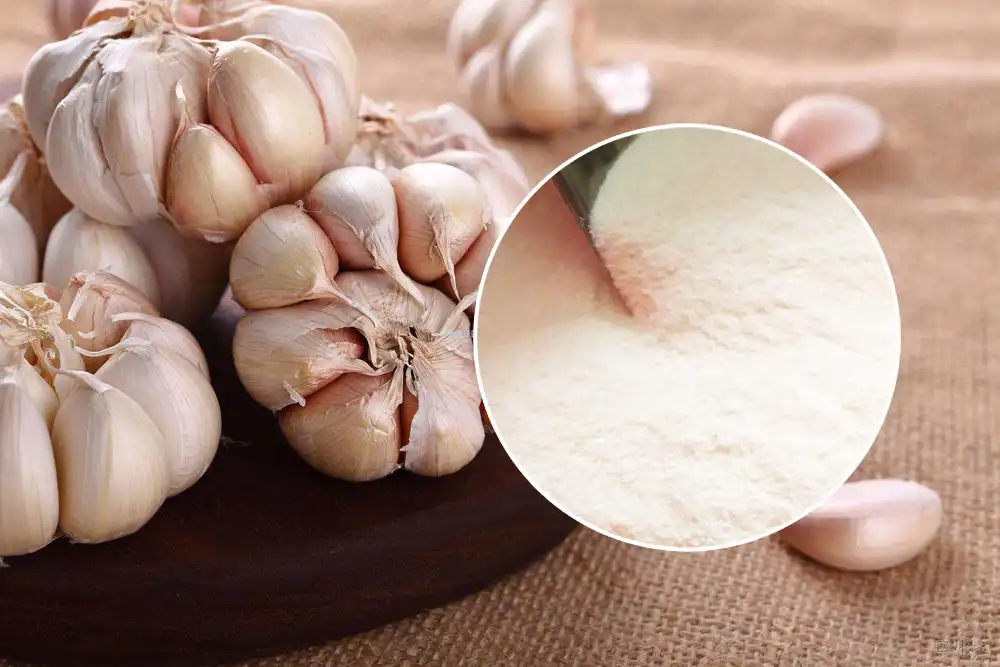
Our white fine powder version of Allium sativum extract goes through strict testing procedures that are backed up by ISO 22000, HACCP, BRC, HALAL, KOSHER, and USDA organic certificates. Each batch has all the paperwork needed to support regulatory applications in markets in North America, Europe, and the Middle East. With the CAS number 539-86-6 registration, our product works perfectly in pharmaceutical-grade mixtures that need to be able to identify each ingredient very precisely.
Technical Expertise and Customization Capabilities
Our R&D team works with more than thirty medical research partners to create formulations that are specifically designed for each purpose and meet the needs of each product. Our technical help makes sure that the best performance of your ingredients, whether you're making enteric-coated capsules for targeted release in the intestines or microencapsulated versions that can withstand high temperatures. Minimum order amounts that are flexible and fast prototyping services make it possible for both new brands and established companies to increase production.
Supply Chain Reliability
We keep our inventory always available because we use state-of-the-art buildings that can produce more than 1,000 tons of goods every year. This is a huge benefit when demand goes up or raw materials become scarce. Our global distribution network covers more than 280 places, so we can guarantee on-time delivery no matter how many orders we have. Procurement managers appreciate how clear our communication is about output plans and how quickly we let them know about any agricultural factors that might affect supply.
Conclusion
Nutraceutical companies that are willing to think ahead can take advantage of the growing demand for natural immune system boosters and the changing rules for doing business with other businesses. Bioactive compounds that come from garlic have benefits that have been proven by science and meet both governmental needs and market standards. Partnering with suppliers who can show professional know-how, a wide range of certifications, and practical dependability is key to success in this environment. By using stable, standardized plant ingredients in their formulation strategies, brands can set their products apart in crowded markets and make their supply chains more resistant to changes around the world.
FAQ
How does standardized allicin content improve formulation consistency?
In contrast to raw garlic recipes, where enzyme activity can vary, garlic extract powder made by professionals is guaranteed to be effective by HPLC-verified test results. This standardization gets rid of differences between batches, making sure that every production run meets the claims on the label—this is required by FDA Good Manufacturing Practices.
What distinguishes microencapsulated versions from standard powder forms?
Microencapsulation technology wraps active substances in safe frameworks, which makes them more stable during storage and processing. This improvement is very important for situations where the product needs to be exposed to heat or has a longer shelf life. It keeps over 90% of its strength compared to formulas that aren't protected.
Can this ingredient support antibiotic-free claims in nutraceutical marketing?
The compound's broad-spectrum antibacterial qualities work in a way that is different from how pharmaceutical antibiotics work. They target bacterial enzyme systems without making them more resistant. Because of this, brands can market their goods as natural options, which appeals to people who want health solutions that don't use antibiotics and are backed by peer-reviewed research.
Partner with Avans for Superior Allicin Powder Supply
The success of your recipe depends on working with ingredient partners who can give you both quality and dependability. Avans NutriHealth blends 20 years of excellent production with full regulatory support to make sure that your immune supplement lines stand out in the market. We keep natural 99% Allicin Powder in stock, and it is certified by HALAL, ISO, USDA, and FSSC22000. This powder is the basis for new product creation. Get in touch with our expert team at Lillian@avansnutri.com to talk about unique formulations, get access to full specs, and find out how our Allicin Powder supplier services can help you save time and money while making your products work better.
References
1. Borlinghaus, J., Albrecht, F., Gruhlke, M.C., Nwachukwu, I.D., & Slusarenko, A.J. (2014). Allicin: Chemistry and Biological Properties. Molecules, 19(8), 12591-12618.
2. Lawson, L.D., & Hunsaker, S.M. (2018). Allicin Bioavailability and Bioequivalence from Garlic Supplements and Garlic Foods. Nutrients, 10(7), 812.
3.Reiter, J., Levina, N., van der Linden, M., Gruhlke, M., Martin, C., & Slusarenko, A.J. (2017). Diallylthiosulfinate (Allicin), a Volatile Antimicrobial from Garlic (Allium sativum), Kills Human Lung Pathogenic Bacteria. Molecules, 22(10), 1711.
4.Ankri, S., & Mirelman, D. (1999). Antimicrobial Properties of Allicin from Garlic. Microbes and Infection, 1(2), 125-129.
5. Sendl, A. (1995). Allium sativum and Allium ursinum: Part 1 Chemistry, Analysis, History, Botany. Phytomedicine, 1(4), 323-339.
6. Shang, A., Cao, S.Y., Xu, X.Y., Gan, R.Y., Tang, G.Y., Corke, H., Mavumengwana, V., & Li, H.B. (2019). Bioactive Compounds and Biological Functions of Garlic (Allium sativum L.). Foods, 8(7), 246.