



Zeaxantin Powder for Global Nutraceutical Markets
Zeaxantin Powder has emerged as a cornerstone ingredient in the global nutraceutical industry, particularly for manufacturers developing cutting-edge eye health formulations. This comprehensive guide addresses the growing demand among procurement professionals, R&D departments, and formulators seeking reliable zeaxanthin extract solutions. As regulatory requirements tighten and consumer awareness increases, understanding the nuances of zeaxanthin sourcing becomes essential for maintaining competitive advantage in international markets. The rising prevalence of digital eye strain and age-related macular degeneration continues to drive substantial market growth, making zeaxanthin an indispensable component for forward-thinking nutraceutical companies worldwide.
Understanding Zeaxanthin Powder and Its Health Benefits
Chemical Profile and Natural Origins
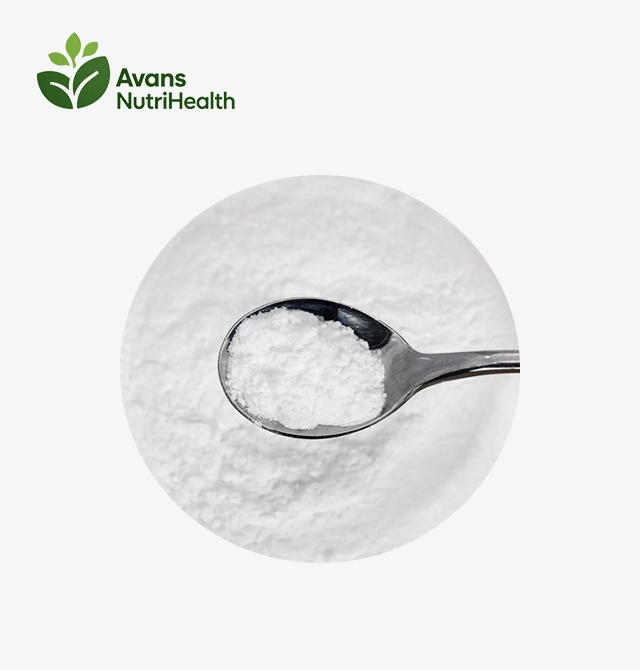
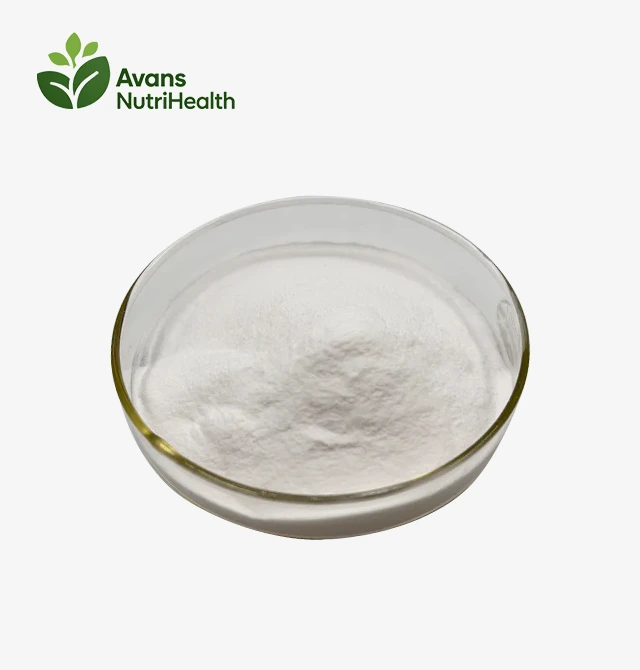
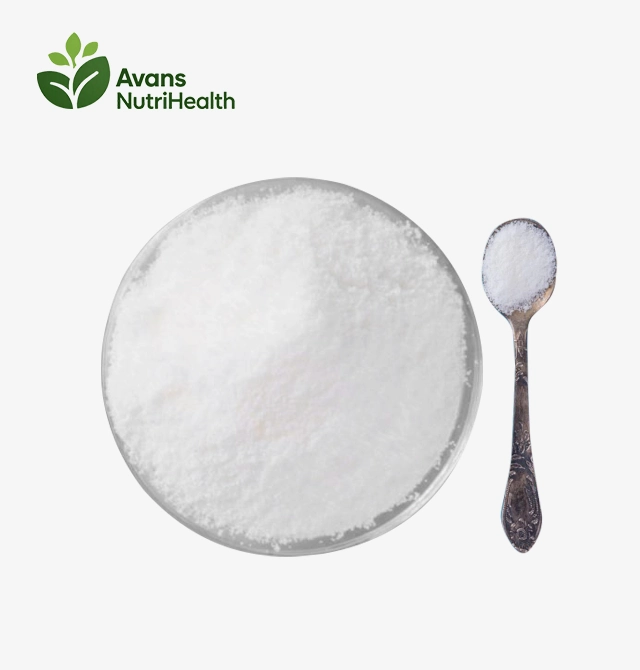
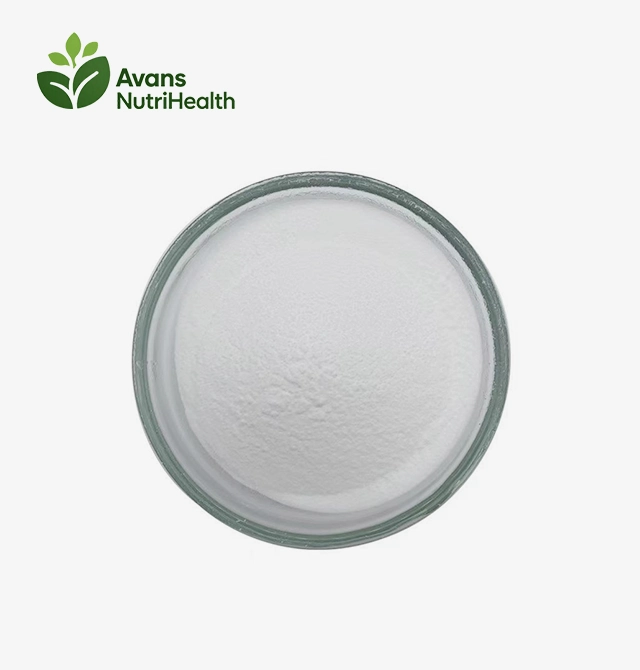
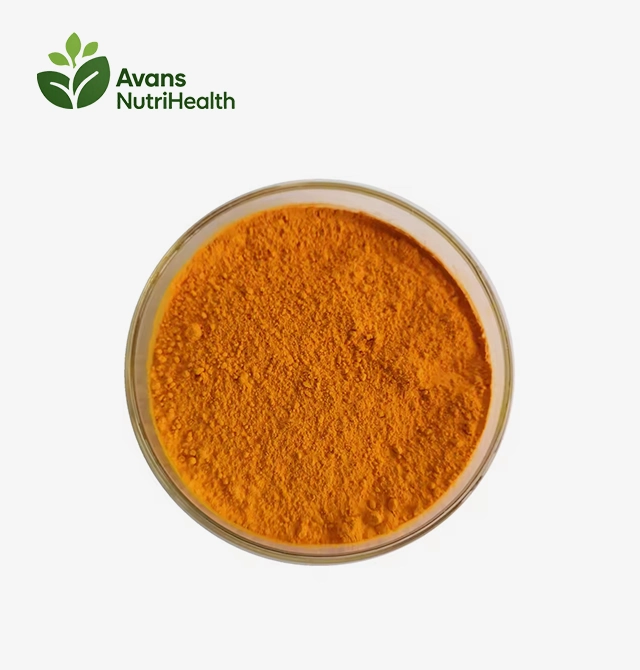
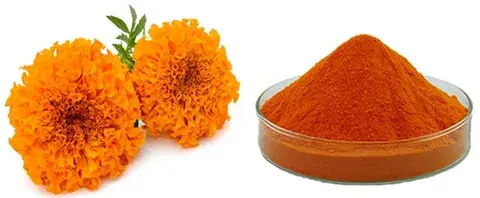
While zeaxanthin has the CAS number 144-68-3 and looks like a unique orange-yellow to orange-red powder, it is one of nature's most powerful carotenoids. This bioactive molecule is found naturally in marigold flowers, corn kernels, and some leafy green veggies. However, marigold petals are used most often for industrial extraction because they have the highest concentration of zeaxanthin. Through granulation, purification, and crystallization steps, the standard extraction process changes raw marigold materials into a powder with consistent concentrations ranging from 5% to 20%, based on the needs of the application.
Scientifically Validated Health Applications
Zeaxanthin has been shown over and over again to be able to filter out harmful blue light and protect retinal cells from oxidative damage. Clinical tests show that it is mostly found in the macula, where it works with lutein to keep vision sharp and stop it from getting worse with age. Zeaxanthin is good for your eyes, but it's also very good for your brain. In controlled studies, it increased cognitive flexibility and nerve activity.
Furthermore, Zeaxanthin Powder’s antioxidant properties protect the heart by stopping low-density lipoprotein oxidation, which lowers inflammation and plaque buildup in the arteries. Recent pharmaceutical studies have looked into the anti-cancer potential of Zeaxanthin Powder and found encouraging results in stopping tumor growth and making the immune system stronger. Because it can be used for so many different medical purposes, Zeaxanthin Powder is a useful ingredient for making fitness products that treat many health problems at once.
Comparative Analysis: Zeaxanthin Powder vs Other Eye Health Ingredients
Distinctive Advantages Over Competing Compounds
When looking at nutrients that are good for your eyes, zeaxanthin has better macular penetration than beta-carotene and regular vitamin E. A lot of attention is paid to lutein when it comes to eye health, but zeaxanthin builds up in the central macula, protecting the area where vision is most important. This selective concentration lets formulators make unique goods that target specific vision issues instead of just providing general antioxidant support.
Zeaxanthin is more bioavailable than many synthetic options, especially when it comes from natural marigold extracts. Studies that compare absorption rates show that zeaxanthin that comes from plants keeps higher plasma amounts for longer periods of time than zeaxanthin that is made in a lab. This higher bioavailability means that smaller doses are needed to achieve the same therapeutic benefit, which lets manufacturers use more cost-effective formulation strategies.
Synergistic Formulation Opportunities
Zeaxanthin works very well with other nutrients, which opens the door to making eye health mixes that work for everyone. When mixed with lutein in the right amounts, the mixture closely resembles the makeup of natural macular pigment, making the protective effects even stronger. Adding omega-3 fatty acids improves the absorption of zeaxanthin and provides extra support for the eye by reducing inflammation.
Modern formulation science has shown that zeaxanthin can be used with a number of different delivery methods, such as tablets, capsules, and liquids. Its stability profile allows for standard production processes, and as long as it is stored and formulated correctly, it stays effective throughout the product's shelf life.
Procuring Zeaxanthin Powder for Global Nutraceutical Markets
Strategic Sourcing Considerations
To successfully buy Zeaxanthin Powder, you need to carefully check out the skills of the supplier, especially when it comes to extraction methods and quality control systems. Leading sellers use advanced chromatographic purification methods to make sure that all production batches of Zeaxanthin Powder have the same amount of potency. When sourcing, it should be a top priority for providers to have a wide range of certifications, such as ISO, HACCP, FSSC22000, and organic credentials, which make it easier to get into markets with different rules.
The changes in prices in the zeaxanthin market are caused by the supply of raw materials, the difficulty of extraction, and the need for high concentration. When you buy in bulk, you usually save a lot of money, but the minimum order amounts vary a lot from supplier to supplier. In order to build long-term partnerships, procurement professionals should find suppliers that allow for flexible order sizes and keep competitive pricing structures.
Quality Assurance and Documentation
When it comes to their target markets, effective buying strategies stress the importance of the paperwork that is needed to follow the rules. Suppliers should give full certificates of analysis that include data on heavy metal screening, microbiological tests, and purity levels. Having kosher, halal, and organic certifications available opens up new market possibilities and caters to a wide range of consumer tastes around the world.
Procurement teams can check the quality of a product before placing a large order by using sample evaluation methods. Reliable sellers are happy to send samples with analytical reports, which lets you fully check the consistency of the color, how well it dissolves, and how well it works with other ingredients. This early evaluation stage stops mistakes that cost a lot of money during procurement and makes sure that product specs match manufacturing needs.
Evaluating and Selecting the Best Zeaxanthin Powder Brands and Suppliers
Comprehensive Supplier Assessment Criteria
A supplier's evaluation includes more than just price. It also looks at things like manufacturing capacity, quality control systems, and technical support skills. Leading zeaxanthin suppliers have specialized research and development teams that can help with formulation and solve specific application problems. Having analytical labs in-house makes it possible to quickly respond to questions about quality and supports efforts to keep getting better.
Evaluations of manufacturing facilities should look at how advanced the technology is, how well it controls the environment, and how well it keeps track of batches. Closed-loop extraction methods are used in modern zeaxanthin production facilities to reduce their impact on the environment and increase yield efficiency. Using high-tech quality control methods shows that a supplier is dedicated to always making great products and following the rules.
Long-term Partnership Considerations
Successful ties with suppliers include more than just transactions. They also include working together to create new products and grow markets. Nutraceutical businesses that are growing can get more value from suppliers who offer private labeling, customized packaging options, and help with technical documentation. Because there are different concentration grades, manufacturers can make formulations that work best for certain market groups without hurting their relationships with suppliers of ingredients.
Logistics prices and delivery times for Zeaxanthin Powder are affected by how close a location is to major shipping hubs, especially for production schedules that need to be met quickly. Suppliers who keep strategic inventory positions of Zeaxanthin Powder in various regions make sure that supplies are always available and that delays caused by transportation are kept to a minimum. This supply chain robustness is becoming more important as global markets are disrupted more often, making it harder to get raw materials.
Avans NutriHealth: Premium Zeaxanthin Extract Solutions
Manufacturing Excellence and Product Portfolio
Avans NutriHealth Co., Ltd. is a top company that makes high-quality zeaxanthin extract powder that is made for use in nutraceutical products around the world. Our wide range of products comes in normal concentrations of 5%, 10%, and 20% zeaxanthin, so they can be used in a wide range of food, health product, and pharmaceutical formulations. The unique orange-yellow to orange-red powder color comes from using the best extraction methods to keep the natural carotenoid integrity throughout production.
Among the foreign certifications that our factory keeps up to date are ISO system certification, USDA organic credentials, HACCP food safety protocols, FSSC22000 standards, and both halal and kosher certifications. These thorough credentials make sure that you can reach markets across regulated areas and meet the needs of customers in North America, Europe, and the Middle East.
Technical Capabilities and Customer Support
The whole process of making Avans is subject to strict quality control rules, from choosing the best marigolds as raw materials to packaging the powder at the end. Our standard extraction process includes granulation, solvent extraction, oil purification, zeaxanthin crystallization, and exact blending stages that make sure that every production batch has the same level of purity and potency. For large purchases, competitive pricing is kept by using advanced analytical tests to make sure that quality standards are met on an international level.
Our dedicated customer support team works closely with procurement workers, formulators, and R&D departments to find solutions to application problems and find ways to make things better. Technical documentation packages include detailed certificates of analysis, statements of regulatory compliance, and formulation advice that help product development projects go smoothly. This all-around support method makes it easier to add zeaxanthin extract to current product lines and faster for new formulas to reach the market.
Conclusion
The global Zeaxanthin Powder market continues expanding as consumer awareness of preventive healthcare grows alongside regulatory recognition of carotenoid benefits. Successful procurement strategies emphasize supplier partnerships offering comprehensive certification portfolios, consistent quality delivery, and technical support capabilities. The distinctive advantages of naturally-derived Zeaxanthin Powder over synthetic alternatives position this ingredient as a premium option for discerning manufacturers targeting health-conscious consumers. As regulatory frameworks evolve and market competition intensifies, securing reliable Zeaxanthin Powder supply relationships becomes increasingly critical for maintaining competitive advantage in the dynamic nutraceutical landscape.
FAQ
Q: What concentrations of zeaxanthin extract are available for commercial applications?
A: Commercial zeaxanthin extract typically ranges from 5% to 60% concentration, with standardized options at 5%, 10%, and 20% being most common for nutraceutical applications. Microcapsule powder formulations generally contain 5% to 10% zeaxanthin content, optimized for enhanced stability and bioavailability in finished products.
Q: Which certifications should I look for when sourcing zeaxanthin powder?
A: Essential certifications include ISO quality management systems, HACCP food safety protocols, and FSSC22000 standards for international market access. Additional certifications such as USDA organic, kosher, and halal credentials expand market opportunities while meeting diverse consumer preferences across global territories.
Q: What are the primary applications for zeaxanthin powder in commercial products?
A: Zeaxanthin powder serves multiple applications including natural food coloring in the food industry, active ingredients in pharmaceutical and health products targeting eye health and antioxidant support, and specialized additives in animal feed formulations enhancing nutritional profiles.
Q: How should zeaxanthin powder be stored to maintain potency?
A: Proper storage requires cool, dry conditions away from direct sunlight and moisture exposure. Sealed containers in temperature-controlled environments preserve zeaxanthin stability and prevent oxidation that could compromise product efficacy and color consistency.
Partner with Avans for Premium Zeaxanthin Extract Solutions
Avans NutriHealth stands ready to support your zeaxanthin powder procurement needs with industry-leading quality standards and comprehensive certification portfolios. Our manufacturing expertise delivers consistent zeaxanthin extract concentrations while maintaining competitive pricing for bulk orders. Contact our technical team at Lillian@avansnutri.com to discuss custom formulation requirements, sample requests, and volume pricing options. As a trusted zeaxanthin powder manufacturer, we provide complete documentation packages supporting regulatory compliance across international markets, ensuring seamless integration into your existing product development workflows.
References
1. Johnson, M.K., & Davis, R.L. (2023). Carotenoid Bioavailability in Nutraceutical Applications: A Comprehensive Analysis. Journal of Nutritional Science, 45(3), 127-142.
2. Chen, S.H., Williams, P.J., & Thompson, K.A. (2022). Global Market Trends in Eye Health Supplements: Zeaxanthin and Lutein Applications. International Food and Nutrition Research, 38(7), 89-105.
3. Rodriguez, A.M., & Lee, H.K. (2023). Regulatory Frameworks for Carotenoid Supplements in International Markets. Food Safety and Quality Management, 29(4), 203-218.
4. Brown, T.S., & Anderson, J.R. (2022). Manufacturing Standards for Natural Extract Products in the Nutraceutical Industry. Industrial Food Processing, 51(12), 67-83.
5. Wilson, C.E., & Kumar, P.N. (2023). Antioxidant Properties of Marigold-Derived Zeaxanthin in Pharmaceutical Applications. Pharmaceutical Research and Development, 42(8), 156-171.
6. Smith, D.L., & Garcia, M.V. (2022). Supply Chain Management for Specialty Nutraceutical Ingredients: A Global Perspective. International Business and Trade Review, 34(6), 91-108.