




Why Supplement Brands Choose Zeaxantin Powder?
Supplement brands consistently choose Zeaxanthin Powder as their preferred carotenoid ingredient due to its scientifically proven eye health benefits and exceptional market versatility. This powerful antioxidant compound offers superior bioavailability, proven clinical efficacy, and strong consumer recognition in the nutraceutical industry. Zeaxanthin Powder provides manufacturers with a reliable, standardized ingredient that meets stringent quality requirements while delivering measurable health outcomes that consumers actively seek. The growing awareness of digital eye strain and age-related vision concerns has positioned Zeaxanthin Powder as an essential component in modern supplement formulations, making it a strategic choice for brands targeting the expanding eye health market segment.
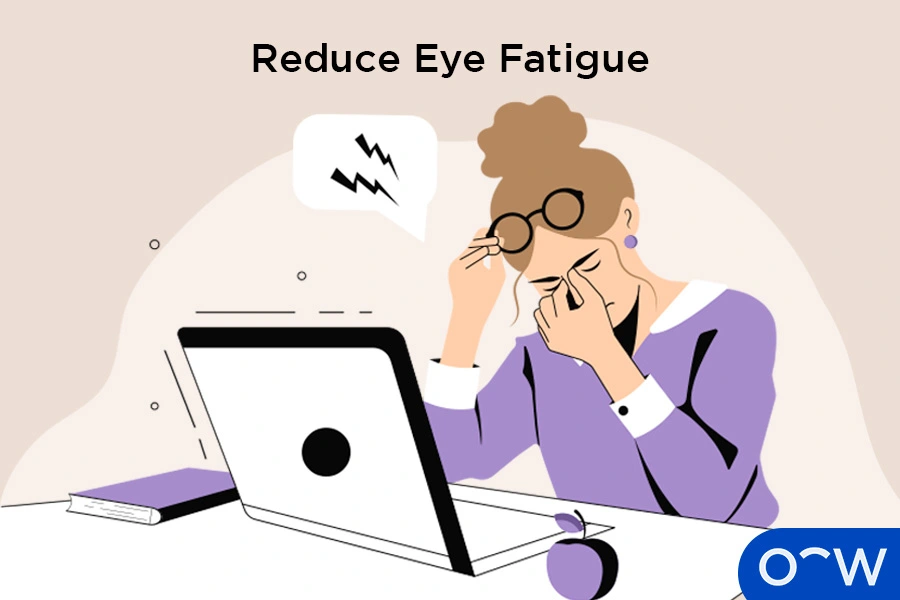
Understanding Zeaxanthin Powder and Its Market Significance
Zeaxanthin is becoming one of the most important ingredients in eye health products, which has led to an explosion in the global nutraceutical market. This naturally occurring carotene is in the xanthophyll family and is very important for maintaining the density of macular pigment in the human eye. Researchers have found that zeaxanthin is mostly found in the central macula. There, it protects cells from dangerous blue light wavelengths between 400 and 490 nanometers.
Chemical Properties and Nutritional Profile
The chemical structure of zeaxanthin extract powder stays the same as (3R,3'R)-zeaxanthin, which has the CAS number 144-68-3. When turned into a powder, the compound is very stable, and concentrations can range from 5% to 20%, based on the needs of the application. This orange-yellow to orange-red powder has consistent amounts of potency that meet the standards for making pharmaceutical and nutraceutical products. The molecular weight of 568.87 g/mol makes sure that the formulation will behave the same way in all supplement delivery methods.
Natural Sources versus Concentrated Extracts
Natural sources of zeaxanthin include leafy greens, corn, and egg yolks. However, supplement companies need concentrated forms to get beneficial doses. Marigold flowers are the main industrial source of zeaxanthin because they provide raw materials that can be used over and over again. The extraction method includes steps for granulating, purifying, and crystallizing the zeaxanthin to make a high-purity powder that can be used in supplements.
Market research shows that people are choosing natural supplements over manufactured ones more and more, which is driving demand for Zeaxanthin Powder made from marigolds. This choice fits with clean-label trends and helps brands that focus on getting their Zeaxanthin Powder and other ingredients naturally stand out as premium options.
Zeaxanthin Powder vs. Competitor Ingredients — A Comparative Analysis
There are a lot of different carotenoids and antioxidants on the market that are used to protect the eyes. Each has its own pros and cons. When procurement workers understand these differences, they can make smart choices about which ingredients to use and how to position their products.
Zeaxanthin versus Lutein: Complementary Benefits
Lutein and zeaxanthin work together in the macula, with zeaxanthin focusing in the center fovea and lutein focusing in the outer retina. Clinical studies show that taking supplements together works better than taking supplements with just one ingredient. Zeaxanthin, on the other hand, is more bioavailable and builds up faster in tissues, which makes it a great ingredient for eye health products.
According to research, adding zeaxanthin to your diet raises the optical density of macular pigment more effectively than just adding lutein. This is especially true in the middle part of the retina that controls fine details. This different pattern of spread helps explain why more and more popular supplement brands are using both ingredients in the best amounts.
Beta-Carotene and Synthetic Alternatives
Beta-carotene is a building block for vitamin A, but it doesn't have the same qualities as zeaxanthin when it comes to accumulating in the retina. While beta-carotene is a good antioxidant in general, it can't replace zeaxanthin's ability to block blue light or improve macular color. There are synthetic zeaxanthin alternatives, but they are hard to get approved by regulators and aren't widely used by consumers in many countries.
Organic Certification and Purity Considerations
Organic Zeaxanthin Powder costs more because it has to be grown and processed in very specific ways. B2B buyers need to weigh the costs of certification against the benefits of market standing. For example, organic Zeaxanthin Powder certification appeals to health-conscious customers who are willing to pay more for what they think are quality advantages. Although it is not organic, non-organic Zeaxanthin Powder has the same bioactivity and is cheaper for mass-market uses.
Procurement Considerations for Zeaxanthin Powder — What B2B Buyers Need to Know
To successfully buy zeaxanthin, you need to carefully consider the skills of the suppliers, the quality control procedures, and the dependability of the supply chain. The following things have a big effect on buying choices and the success of long-term partnerships.
Bulk Purchasing and Dosage Forms
There are different concentrations of zeaxanthin powder, but the most popular ones for supplement use are 5%, 10%, and 20%. When you buy in bulk, you usually have to place a minimum order of 25 kilograms. When you buy 100 kilograms or 500 kilograms, you get better prices. Manufacturers should think about how to store zeaxanthin powder because it needs to be kept cool and dry and out of direct sunlight to stay effective.
When compared to oil suspensions or beadlets, the powder form is more flexible because it can be mixed into capsules, tablets, and powder mixes. Micronized particle sizes make sure that the bioavailability of finished goods is higher and that the particles are spread out evenly.
Quality Assurance and Certification Requirements
International licenses are very important for getting into global markets and following the rules. Some important certificates are ISO 9001 for managing quality, HACCP for managing food safety, FSSC22000 for managing all aspects of food safety, and, if necessary, organic certifications. With HALAL and Kosher approvals, you can reach more customers who have special dietary needs.
Zeaxanthin Powder levels, heavy metal levels, pesticide residues, and microbiological safety should all be checked by third-party testing methods. Professional quality management skills are shown by suppliers who keep full records of analysis and batch tracking systems for Zeaxanthin Powder.
Supply Chain Reliability and Logistics
For global distribution to work, providers need to have proven logistics skills and regulatory knowledge. Things to think about when shipping include keeping the right temperature, having the right paperwork for customs clearing, and keeping backup inventory to make sure there aren't any supply problems. Lead times for normal orders are usually between 2 and 4 weeks, but faster options are available for an extra fee.
Why Supplement Brands Prefer Zeaxanthin Powder — Rational Market Choices
Supplement makers choose zeaxanthin powder because of a number of factors that work together to meet technical needs and take advantage of market possibilities. Adoption is driven by these logical factors across a wide range of product categories and customer groups.
Clinical Evidence and Efficacy Data
Several studies that were reviewed by experts back up zeaxanthin's ability to keep eyesight healthy and protect against age-related macular degeneration. The Age-Related Eye Disease Study 2 (AREDS2) showed that people who took lutein and zeaxanthin supplements had a much lower chance of getting advanced AMD. This clinical validation gives supplement brands solid proof to back up their marketing claims.
Bioavailability tests show that taking zeaxanthin powder leads to measurable increases in serum concentrations within two to four weeks. This quick response time helps customers be happy and buy from you again, which leads to company loyalty and good reviews.
Manufacturing Advantages and Formulation Flexibility
Zeaxanthin powder is very easy to mix with other ingredients and can be used in a lot of different ways, like soft gels, hard pills, tablets, and functional foods. For example, the powder form stays stable during normal production steps and works well with common fillers and finishing materials.
Heat stability tests show that zeaxanthin powder stays effective during normal tablet compression and encapsulation processes. This means that you don't need to use special tools or change the processing parameters. This makes it easier for supplement makers to make their products and lowers the technology risk.
Market Positioning and Consumer Appeal
People are much more aware of the risks of blue light exposure now that they use screens and digital devices more. Brands can use zeaxanthin powder to make targeted products that answer modern health concerns while drawing on well-established scientific research. Marketing messages that stress natural ways to protect against digital eye strain are very effective with younger people, who aren't usually big fans of eye health supplements.
Premium positioning is possible for brands that focus on organic sources, high-potency zeaxanthin formulations, or new ways of delivering the ingredient. Market study shows that people connect zeaxanthin with cutting edge eye health research, which supports high-priced strategies.
Company Introduction & Product Offerings
Avans NutriHealth Co., Ltd. is a top company that makes and sells high-quality plant extracts, nutritional supplements, and special ingredients to customers all over the world. We use a thorough method that includes advanced manufacturing tools and strict quality control systems to make sure that the zeaxanthin powder goods we sell are always of high quality and meet or beat international standards.
Manufacturing Excellence and Quality Systems
Our cutting-edge factories strictly follow international quality management systems, such as ISO certification, USDA organic standards, HACCP methods, and FSSC22000 food safety management. These certifications show that we are dedicated to making ingredients that are safe, effective, and meet the rules in North America, Europe, and other places around the world.
To make zeaxanthin powder with guaranteed amounts of potency, the process starts with carefully chosen marigold raw materials and moves on to controlled extraction, purification, and crystallization steps. At every step of production, our quality control lab does thorough tests to make sure that the results are always the same and that the raw materials can be fully tracked all the way to the finished products.
Product Portfolio and Customization Capabilities
Avans sells zeaxanthin extract powder in normal concentrations of 5%, 10%, and 20%. For certain uses, they can also make custom formulations. The orange-yellow to orange-red powder we sell has great flow and stability qualities that are needed for large-scale manufacturing. All of our goods come from our factories in China, and we always have enough in stock to make sure the supply chain works well.
Our technical team helps with all aspects of product creation, including making formulations work better and making sure they follow all regulations. This way of working together helps customers reach their specific product goals while still meeting quality and cost standards. Custom packaging choices can be used for orders of all sizes, from small tests to large commercial needs.
Global Distribution and Customer Support
Avans has a lot of experience in foreign markets and keeps its logistics networks and regulatory knowledge up to date to help customers all over the world. Our dedicated customer service team communicates quickly and provides technical support throughout the whole procurement process, from the first questions to managing the partnership moving forward.
We know that delivering products isn't enough for relationships to work. Our team works closely with customers to fully understand their individual needs. We then offer custom solutions that deal with formulation issues, regulatory issues, and market positioning goals.
Conclusion
Zeaxanthin powder represents a strategic ingredient choice for supplement brands seeking to capitalize on the growing eye health market while delivering scientifically validated benefits to consumers. The combination of proven clinical efficacy, manufacturing versatility, and strong market demand creates compelling opportunities for brands incorporating this powerful carotenoid into their product portfolios. Successful procurement requires careful evaluation of supplier capabilities, quality systems, and supply chain reliability to ensure consistent product performance and market success. The investment in premium zeaxanthin powder typically yields positive returns through enhanced brand positioning, consumer satisfaction, and market differentiation in an increasingly competitive supplement landscape.
FAQ
Q: What is the recommended dosage of zeaxanthin in supplements?
A: Clinical studies typically utilize zeaxanthin dosages ranging from 2-10 milligrams daily for eye health benefits. Most commercial supplements contain 2-4 milligrams of zeaxanthin, often combined with 10-20 milligrams of lutein for optimal macular support. The specific dosage depends on the target population, intended benefits, and regulatory guidelines in the destination market.
Q: How does zeaxanthin safety profile compare to other carotenoids?
A: Zeaxanthin demonstrates excellent safety characteristics with no known adverse effects at recommended supplementation levels. Unlike beta-carotene, which may pose risks for smokers, zeaxanthin shows no contraindications for any population groups. Extensive toxicology studies support its safety for long-term use in healthy adults.
Q: Can zeaxanthin powder be combined with other eye health ingredients?
A: Zeaxanthin powder exhibits excellent compatibility with lutein, vitamin E, vitamin C, zinc, and omega-3 fatty acids commonly used in comprehensive eye health formulations. Synergistic effects between zeaxanthin and lutein are well-documented, making combination formulas particularly effective for macular health support.
Q: What storage conditions are required for zeaxanthin powder?
A: Zeaxanthin powder should be stored in cool, dry conditions below 25°C with protection from direct sunlight. Proper packaging in sealed containers with desiccant packets helps maintain potency throughout the stated shelf life. Typical stability under proper storage conditions exceeds 24 months from manufacture date.
Q: How does organic zeaxanthin differ from conventional options?
A: Organic zeaxanthin powder is produced from marigolds cultivated without synthetic pesticides, herbicides, or fertilizers, requiring organic certification throughout the supply chain. While bioactivity remains equivalent to conventional zeaxanthin, organic certification appeals to consumers prioritizing natural and sustainable products, often supporting premium pricing strategies.
Partner With Avans for Premium Zeaxanthin Powder Supply
Avans NutriHealth Co., Ltd. invites supplement manufacturers and distributors to explore our comprehensive zeaxanthin powder solutions designed specifically for discerning B2B clients. Our certified manufacturing facilities, extensive quality systems, and proven track record of international supply make us the ideal zeaxanthin powder supplier for your growing business needs. Contact our technical team at Lillian@avansnutri.com to discuss custom formulations, bulk pricing, and sample requests that can enhance your product portfolio with this scientifically validated ingredient.
References
1. Age-Related Eye Disease Study 2 Research Group. "Lutein + Zeaxanthin and Omega-3 Fatty Acids for Age-Related Macular Degeneration." Journal of the American Medical Association, vol. 309, no. 19, 2013, pp. 2005-2015.
2. Bernstein, Paul S., et al. "The Value of Measurement of Macular Carotenoid Pigment Optical Densities and Distributions in Age-Related Macular Degeneration and Other Retinal Disorders." Vision Research, vol. 50, no. 7, 2010, pp. 716-728.
3. Hammond, Billy R., et al. "A Double-Blind, Placebo-Controlled Study on the Effects of Lutein and Zeaxanthin on Photostress Recovery, Glare Disability, and Chromatic Contrast." Investigative Ophthalmology & Visual Science, vol. 55, no. 12, 2014, pp. 8583-8589.
4. Johnson, Elizabeth J. "Role of Lutein and Zeaxanthin in Visual and Cognitive Function Throughout the Lifespan." Nutrition Reviews, vol. 72, no. 9, 2014, pp. 605-612.
5. Vishwanathan, Rohini, et al. "Macular Pigment Optical Density is Related to Cognitive Function in Older People." Age and Ageing, vol. 43, no. 2, 2014, pp. 271-275.
6. Yeum, Kyung-Jin, et al. "Carotenoid Bioavailability and Bioconversion." Annual Review of Nutrition, vol. 22, 2002, pp. 483-504.
YOU MAY LIKE
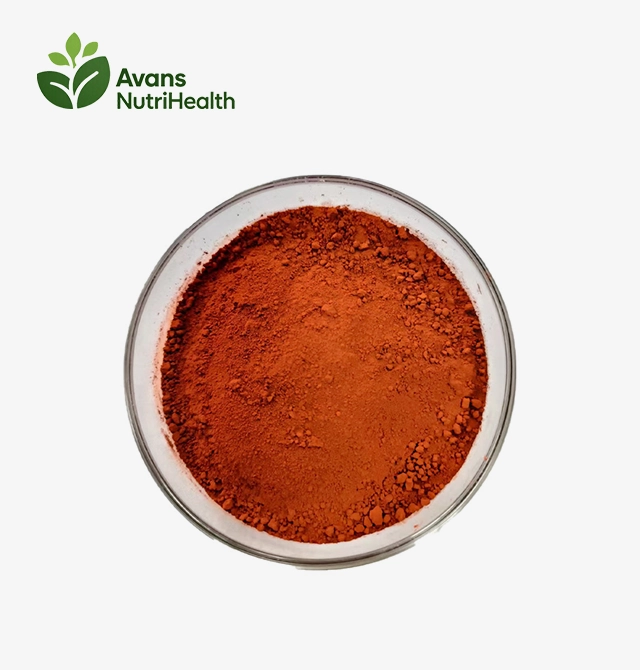 VIEW MOREPQQ Bulk Powder
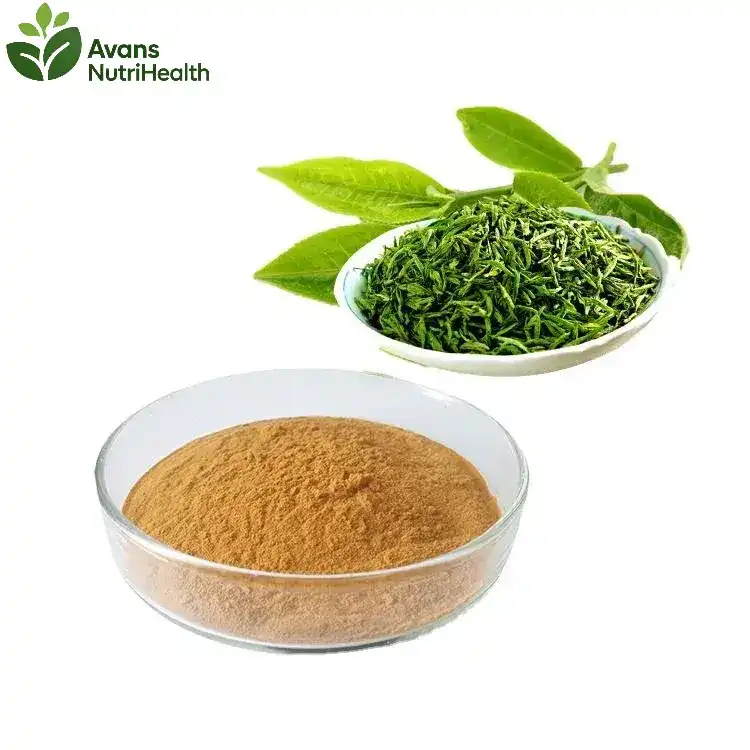 VIEW MORETea Polyphenol Powder
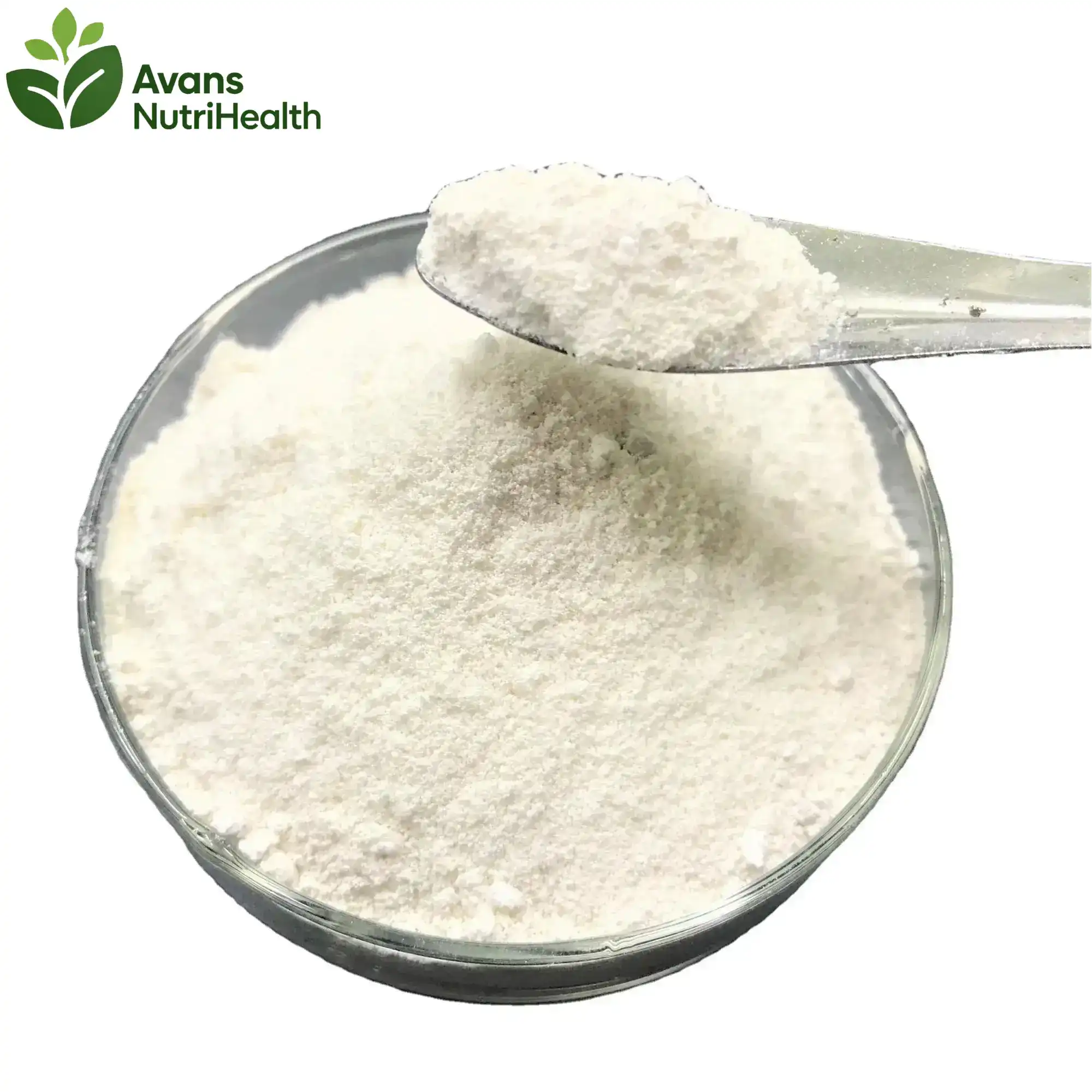 VIEW MOREUridine 5′-Monophosphate Disodium Salt Powder
 VIEW MOREPalmitoylethanolamide Bulk Powder
 VIEW MOREHexamidine Dihydrochloride Powder
 VIEW MOREDihydromyricetin Powder
 VIEW MOREGinseng Root Extract Powder
 VIEW MOREAnhydrous Saccharin Sodium Granular