




Why Is Curcumin Extract Powder Used in Herbal Formulas?
Curcumin Extract Powder is now an important part of plant mixtures used in the pharmaceutical, beauty, and nutraceutical industries. This is because it provides concentrated, standardized bioactive compounds that raw turmeric can't match. This bright yellow fine powder comes from improved methods of extracting Curcuma longa roots. It has a constant curcuminoid content, usually standardized to 95%, which means that therapeutic results can be predicted. Whole turmeric only has about 2 to 5 percent curcuminoids. The extract, on the other hand, makes sure that supplement, skin care product, and food formulators get the exact anti-inflammatory, antioxidant, and colorant effects they want. This makes it the best choice for B2B clients who want effectiveness, regulatory compliance, and batch-to-batch reliability.
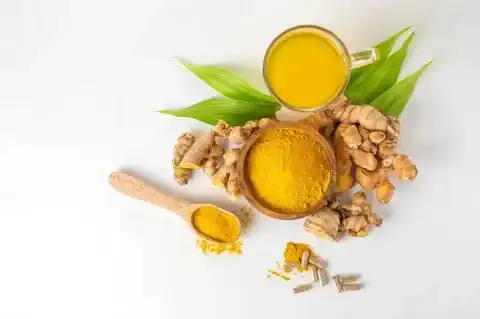
Understanding Curcumin Extract Powder and Its Herbal Uses
Making herbal products requires accuracy. That's where controlled plant extracts really shine, and turmeric root-based products that are high in curcumin are some of the best examples of this.
What Distinguishes Curcumin Extract from Raw Turmeric?
The three main curcuminoids—curcumin, demethoxycurcumin (DMC), and bisdemethoxycurcumin (BDMC)—are concentrated into a strong solid powder using solvent-based extraction methods. People around the world value raw turmeric powder, but it only has a few active chemicals and some volatile oils, fibers, and carbs. Professionals in procurement know that standardized extracts give consistent results across production runs. This is very important when making supplements for joint health, brain support, or managing inflammatory responses.
Avans NutriHealth Co., Ltd. makes high-quality Curcuma longa extract as a fine yellow powder. The powder is measured using HPLC analysis to make sure the accuracy of the test. Our extraction method keeps the beneficial parts of the plant while getting rid of the inactive parts. This makes a product that can be encapsulated, tableted, or mixed into complex herbal structures. Our factory in China follows strict quality controls from getting the raw materials to the final packing. They are certified by ISO 22000, HACCP, BRC, HALAL, and USDA Organic.
Primary Applications Across Multiple Industries
There are many business uses for turmeric powder extract that show how versatile it is. It comes in softgels with absorption boosters in food supplements to deal with problems with bioavailability. Because it stops tyrosinase from working and gets rid of reactive oxygen species, cosmetic formulators use it in anti-aging serums and whitening creams. Food makers use it as a natural colorant, E100, in drinks, dairy products, and sweets, where it gives them bright yellow colors and health benefits.
Our product works just as well in the food, medicine, and health care fields. The orange-yellow crystalline structure has a melting point of 183°C and stays stable at high temperatures. During formation, it needs to be kept away from light and alkaline surroundings. R&D teams can improve a product's stability, shelf life, and appeal to customers by understanding these technical qualities.
Key Benefits of Curcumin Extract Powder Driving Its Use in Herbal Products
Researchers have written a lot about the pharmacological makeup of curcuminoids, which gives businesses a strong scientific basis for using them.
Anti-Inflammatory and Antioxidant Properties
The chemical changes in Curcumin Extract Powder affect inflammatory pathways by stopping NF-κB signaling and lowering the production of cytokines that cause inflammation. Clinical findings show benefits for managing osteoarthritis, reducing inflammation after surgery, and improving overall musculoskeletal ease. Its high ORAC values show that it is an antioxidant that protects cells from reactive stress. This helps skin health and brain function.
Medical studies show benefits such as lowering lipids, lowering cholesterol, fighting tumors, and protecting cells from damage. Scientists have recently found possible uses for this technology in treating drug-resistant tuberculosis. This opens up new treatment options beyond its usual uses. These known benefits are one reason why nutrition companies are looking for more evidence-based ingredients to make their products stand out.
Addressing the Bioavailability Challenge
Natural curcuminoids are not well absorbed because they are broken down quickly and flushed out of the body. Formulators get around this problem in several ways, such as by mixing with piperine (black pepper extract) to boost absorption by up to 2000%, creating phospholipid complexes (phytosomes), or using nano-emulsification technologies. When creating goods, B2B clients need to think about these ways to improve bioavailability, which has a direct effect on clinical effectiveness and customer happiness.
Our technology team works with more than 30 hospital research partners to make formulation science better. This method, which is based on research, helps buying managers understand why standardized, high-purity extracts delivered in the right way do better in the market and with customers than cheaper options.
Comparison and Selection: Choosing the Right Curcumin Extract Powder for Your Herbal Formulas
Choosing the right raw parts is what makes a product successful. Formulators have to make a lot of choices about the specs of the extract, its organic state, and how well it works with other formats.
Extract Concentration Versus Whole Herb
Turmeric powder has a wide range of phytochemicals, but standardized extracts have the concentrated strength needed for therapeutic doses in small sizes. A 500 mg tablet with 95% curcuminoid extract has more bioactives than several grams of the whole plant. This makes it easier for patients to take their medicine as prescribed and gives formulators more options. This concentration benefit is especially useful in combination recipes where limited space limits the amount of ingredients that can be used.
Organic Certification Considerations
More and more people want to buy organic foods, which makes procurement teams look at approved organic choices. Organic approval (USDA, EU) makes sure that crops are grown without using manmade fertilizers or pesticides, which appeals to people who care about their health. But organic materials usually cost more than other materials. When choosing between organic and traditional sources, procurement strategies need to take into account customer tastes, legal requirements across target markets, and profit margins.
Avans has both traditional and organically approved production lines, so they can meet the needs of a wide range of customers. Our HALAL and KOSHER certifications give us even more market access to religious and cultural groups in North America, Europe, and the Middle East.
Powder, Capsule, and Liquid Extract Formats
While raw powder gives you the most options for formulation, it can be hard to handle because it has a low bulk density, a bright color that stains tools, and it doesn't dissolve well in water. Pre-encapsulated forms make it easier, but they make it harder to make changes. Solubility problems can be fixed by dissolving liquid extracts in glycerin or oil bases, but this adds more preservation and stability concerns.
Professional buying teams weigh these format trade-offs against the ability to manufacture, the specs of the final product, and the purposes for which it will be used. With our customization services, we can make sure that the particle sizes, moisture levels, and packaging styles meet the unique needs of each client's production.
Procurement Insights: Sourcing High-Quality Curcumin Extract Powder for B2B Clients
To make sure consistent quality, legal compliance, and operating dependability, global supply chains require suppliers to go through a lot of testing. How to Find High-Quality Curcumin Extract Powder for Business-to-Business Clients requires attention to specific industry markers.
Critical Quality Assurance Standards
Suppliers you can trust give you a lot of paperwork, like Certificates of Analysis (COA) with HPLC test results, heavy metal screening, microbial testing, and pesticide residue analysis. Certifications like ISO 22000, HACCP, and BRC show that quality control is done in a planned way. Traceability documentation connecting finished extract to specific raw material lots enables rapid response should quality issues emerge.
Carbon-14 testing is the best way to tell the difference between natural and artificial origin. This radioisotope is not found in synthetic curcumin made from petrochemicals, so C14 research is the only way to be sure of its origin. Professionals in charge of buying things should ask for these tests to be done, especially when they are buying from new sources or entering controlled markets with strict rules about natural ingredients.
Bulk Purchasing and Logistics Considerations
Depending on the supplier's production size, the minimum order quantity is usually between 25 kg and 1000 kg. Offering discounts based on volume is possible, but you need to think about the costs of keeping supplies and how long a product will last before you decide to buy it. When kept in sealed, opaque cases below 25°C, the powder stays stable for 24 months, which gives you enough time to restock.
When sending goods across international borders, you need to be aware of customs paperwork, import permits for plants, and temperature-controlled operations in places where extreme weather can damage goods. Avans keeps ready stock in China and can send to more than 280 places around the world. This guarantees reliable supply times that support just-in-time manufacturing schedules.
Supplier Selection Criteria
In addition to certifications and prices, you should also look at the supplier's professional help, the chance to work together on R&D, and how quickly they respond to communications. Established companies with specialist application scientists can help with formulating problems, giving advice on stability tests, and helping with regulatory paperwork. Our team has worked with medical foods and plant extracts for more than 15 years, which makes us more of a strategic partner than a transactional seller.
Practical Guidelines: How to Effectively Use Curcumin Extract Powder in Herbal Formulas
Paying attention to dosing, formulation chemistry, and safety rules is necessary to turn raw material specifications into successful market goods.
Recommended Dosage Guidelines
Depending on the goals of the therapy, clinical studies usually use 500 mg to 2000 mg of pure extract every day. For joint health, 1000–1500 mg is often split into two or more doses, and for cognitive support, 400–800 mg may be mixed with boosters. Topical uses use 0.5 to 5% amounts in cream bases, which balances the ability to work with the risk of staining the skin at higher levels.
Safety Considerations and Side Effects
At normal supplement doses, Curcumin Extract Powder curcuminoids have great safety ratings. Mild stomach pain is one of the possible side effects at very high doses. Curcumin has mild antiplatelet activity, so it's important to pay attention to how it interacts with other drugs, especially blood thinners. Safety Data Sheets (SDS) that sellers give out explain how to handle the product safely, what to do in an emergency, and how it is classified by regulators.
Our quality control methods make sure that every batch of products we make meets very high safety standards. Regulatory submissions are supported by documents given by the supplier. This makes it easy for products to be approved in places where botanical ingredient standards are different.
Case Studies in Successful Product Development
Boswellia, hyaluronic acid, and our standardized extract were all put together in a premium joint health product by a North American nutritional brand. The recipe got a lot of attention in the market because it consistently worked and was backed up by third-party tests. A European beauty business used our material in a stable emulsion method to make an award-winning anti-aging serum that made people look brighter in tests with real people.
These examples show how using good raw materials and carefully planning the recipe can lead to business success. Buying decisions about ingredients have effects on how well a product works, how well it follows the rules, and how well the brand is known. Because of this, it's important to be careful when choosing suppliers and building partnerships.
Conclusion
Curcumin Extract Powder has become an important part of plant medicines because it works well, can be used in many different ways, and is supported by more and more scientific evidence. People who work in procurement in the nutraceutical, pharmaceutical, cosmetic, and functional food industries can do their jobs better if they know the technical differences between standardized extracts and commodity materials, how to improve bioavailability, and how to spot a reliable supplier. As companies deal with changing global rules and rising customer demand for natural ingredients backed by evidence, working with certified, research-focused providers turns into a strategic asset instead of just a transaction.
FAQ
What makes curcumin extract superior to regular turmeric in supplements?
Standardized extracts concentrate curcuminoids to 95% purity, whereas whole turmeric only has 2-5% purity. This means that medicinal doses can be given in smaller pills. With this percentage, each batch will be the same, and the clinical results will be known, which is something that raw herbs can't do.
How do I verify the quality of curcumin extract powder from suppliers?
Request HPLC test results that prove the amount of curcuminoid, Carbon-14 testing to make sure the product is natural, heavy metal screening, and certificates such as ISO 22000 or BRC. Traceability evidence that links excerpts to source material gives you even more confidence in your Curcumin Extract Powder sourcing.
Can curcumin extract be used in food products?
Of course. As the natural colorant E100, it can be found in candy, drinks, and dairy products. But because of pH sensitivity and light decay, microencapsulation or careful formulation is needed to keep the color stable and the useful qualities intact throughout the shelf life.
What absorption enhancers work best with curcumin formulations?
Bioavailability is greatly improved by piperine, which is found in black pepper extract. Nano-emulsification and phospholipid clusters (phytosomes) are two other tools that help the body absorb things better. The choice is based on the type of goods, the target audience, and the cost.
Are there regulatory differences for curcumin across markets?
Regulatory categories are different. It is generally thought to be safe for use in food and as an ingredient in health supplements in the United States. Food ingredient guidelines control it on the European market. Regulatory decisions go more smoothly when suppliers provide proof of planned use.
Partner with Avans for Premium Curcumin Extract Powder Supply
Avans NutriHealth Co., Ltd. is ready to be your reliable Curcumin Extract Powder maker. They offer pharmaceutical-grade Curcuma longa extract and have a lot of certifications to back them up, such as ISO 22000, HACCP, BRC, HALAL, and USDA Organic. Our yellow fine powder is standardized using HPLC analysis and kept in stock at our plant in China. It is used consistently for high-quality food, health care goods, and medicines. We can produce more than 1,000 tons of goods every year, have more than 100 skilled techs, and work with more than 30 research institutions. This means that we can give global B2B clients the technical support, customization options, and dependable supply chains they need. Get in touch with Lillian@avansnutri.com to talk about your manufacturing needs and find out how our knowledge can help you make your plant product line better.
References
1. Aggarwal, B.B., and Harikumar, K.B. (2009). "Potential Therapeutic Effects of Curcumin, the Anti-inflammatory Agent, Against Neurodegenerative, Cardiovascular, Pulmonary, Metabolic, Autoimmune and Neoplastic Diseases." International Journal of Biochemistry & Cell Biology, 41(1), 40-59.
2. Hewlings, S.J., and Kalman, D.S. (2017). "Curcumin: A Review of Its Effects on Human Health." Foods, 6(10), 92.
3. Prasad, S., Gupta, S.C., Tyagi, A.K., and Aggarwal, B.B. (2014). "Curcumin, a Component of Golden Spice: From Bedside to Bench and Back." Biotechnology Advances, 32(6), 1053-1064.
4. Shoba, G., Joy, D., Joseph, T., Majeed, M., Rajendran, R., and Srinivas, P.S. (1998). "Influence of Piperine on the Pharmacokinetics of Curcumin in Animals and Human Volunteers." Planta Médica, 64(4), 353-356.
5. Menon, V.P., and Sudheer, A.R. (2007). "Antioxidant and Anti-inflammatory Properties of Curcumin." Advances in Experimental Medicine and Biology, 595, 105-125.
6. Gupta, S.C., Patchva, S., and Aggarwal, B.B. (2013). "Therapeutic Roles of Curcumin: Lessons Learned from Clinical Trials." AAPS Journal, 15(1), 195-218.