



What Makes Berberine HCl a Multi-Target Research Compound?
Berberine HCl is a special research compound because it can activate several cellular pathways at the same time, especially the AMPK (AMP-activated protein kinase) system, while also influencing how the body processes sugar, manages fats, and responds to inflammation Unlike single-target compounds, this quaternary ammonium salt derived from natural botanical sources demonstrates remarkable versatility in addressing metabolic disorders, cardiovascular health, and chronic inflammation through interconnected mechanisms that work synergistically rather than in isolation.
Understanding Berberine HCl—Its Nature and Mechanisms
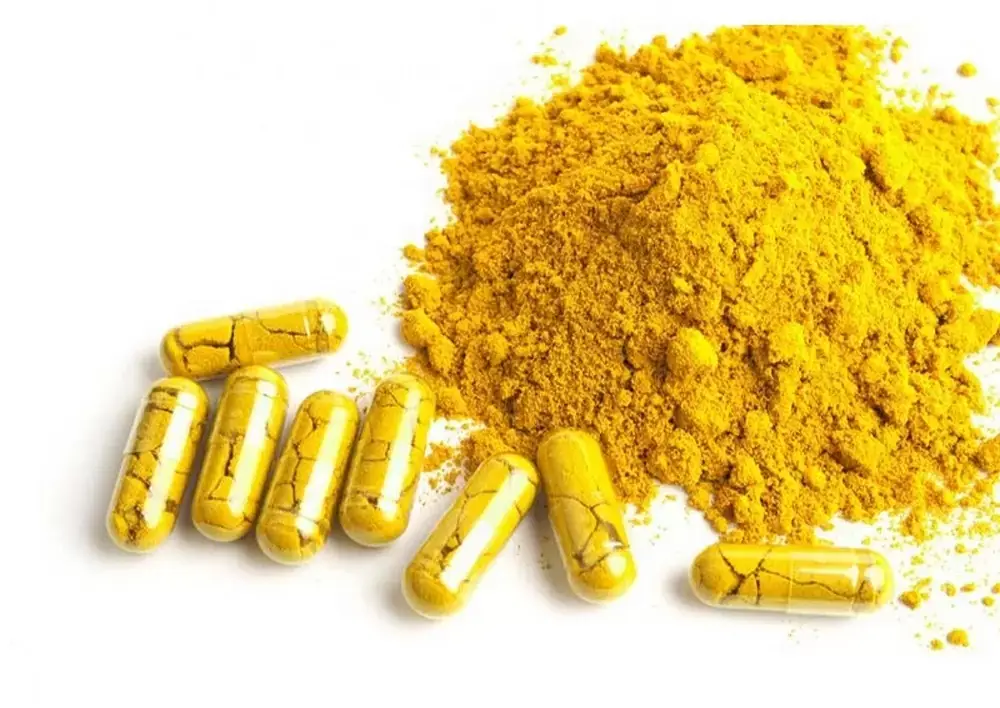
People who study medicine and nutrition have paid a lot of attention to berberine hydrochloride, a complex bioactive alkaloid. Chemically, this bright yellow solid powder is made up of C₂₀H₁₈ClNO₄, and its CAS number is 633-65-8. It mostly comes from plants that have been used for medicine for a long time, like Phellodendron amurense, Berberis vulgaris, and Coptis chinensis.
Chemical Properties and Natural Sources
Berberine in the form of hydrochloride salt is more stable and accessible than other types. Our very pure Berberine Hydrochloride powder meets test values of 97%. This means that the medicine's ability to work stays the same from batch to batch. The molecule has a unique bitter taste that makes real material different from fake ones. Its molecular weight is 371.81 g/mol.
It's better to get Phellodendron amurense from a natural source because it has small alkaloids like palmatine and jatrorrhizine that work together to make effects that aren't found in man-made versions. This information about the plant backs up the compound's ability to target more than one thing while still having the phytochemical complexity that makes therapy work better.
Cellular Mechanisms and Pathway Interactions
Berberine hydrochloride can change several important molecular processes at the same time, so it can be used in more than one way. AMPK, or AMP-activated protein kinase, controls how cells use energy. Scientists have found that this chemical makes AMPK work. AMPK controls how cells use energy. The body now takes in glucose, burns fats, and makes proteins in a different way. Besides that, it changes the gut bacteria and the NF-κB mechanism for inflammation, which impacts many body processes, such as immune response and metabolic regulation.
Berberine hydrochloride can treat a wide range of health problems, not just a few distinct symptoms, because these conditions coexist. The substance can target more than one thing because it can cross cellular boundaries and change the way mitochondria work, thereby influencing various metabolic processes and contributing to its multi-target therapeutic effects. This capability makes it an important part of many health goods.
Multi-Target Therapeutic Effects of Berberine HCl
Because it works with molecules in a structured way, berberine hydrochloride can have a wide range of effects on different parts of the body. A clinical study showed that it can help with metabolic, circulatory, and inflammatory diseases. As a result, it is an important component of many health products.
Metabolic Regulation and Glucose Control
You can break down glucose very well with berberine hydrochloride in several different ways. It activates AMPK, which helps muscles take in glucose and prevents the liver from producing glucose, and studies show this improves insulin function. Metformin works in a way that this two-way process does, but it gives you extra metabolic benefits, such as improving insulin sensitivity and promoting weight loss.
It also changes how incretin hormones are released, which helps the body automatically control blood sugar without the bad effects that come with man-made choices, such as increased risk of side effects or dependency on medication. Clinical tests show big drops in HbA1c and fasting glucose levels. This makes it a beneficial ingredient for goods that help control diabetes. Some of these molecular benefits are better control of glucose levels, better mitochondrial function, and more efficient use of energy in cells.
Cardiovascular Health and Lipid Management
Research shows that berberine hydrochloride protects the heart in many ways. The drug drops LDL cholesterol and raises HDL cholesterol, which changes the lipid profile in a way that is similar to what happens with prescription statins. It also helps keep blood pressure in a healthy level by making capillaries work better and arteries more flexible.
Another effect on the heart is that it lowers C-reactive protein levels and other inflammatory factors that are linked to a higher chance of heart disease. In clinical tests, triglyceride levels drop a lot, and the breakdown of all lipids gets better. So, it's a good option for heart health formulas that address multiple risk factors.
Anti-Inflammatory and Immune-Modulating Properties
In order for berberine hydrochloride to reduce inflammation, it changes several inflammatory pathways, including those that control NF-κB and cytokines. This anti-inflammatory effect is very broad and helps with many different illnesses, from metabolic inflammation to immune system failure.
Cutting down on microglial activity and toxic stress in brain cells can help protect neurons, according to a new study. It looks like it could be used for more than just metabolic health because of these traits. It could also be used in products that help the brain and promote mental health, such as supplements or functional foods designed to enhance cognitive function and reduce anxiety. Because the compound can change the gut flora, its effects on inflammation through the gut-brain link are even stronger, potentially enhancing mental health and cognitive function as well.
Comparative Analysis—Positioning Berberine HCl in the Market
The market for natural health chemicals reveals that berberine hydrochloride stands out as a unique drug capable of treating multiple health issues. Unlike vitamins that only work on one issue, this substance deals with many health problems at once, which is good for creating new products and setting yourself apart in the market, particularly in the growing sector of multifunctional supplements that appeal to health-conscious consumers.
Comparison with Alternative Compounds
Compared to well-known vitamins like alpha lipoic acid, turmeric, and cinnamon extract, berberine hydrochloride has more scientific backing and works better in more than one system. Cinnamon helps the body use glucose, while turmeric mostly affects processes that cause inflammation. Berberine hydrochloride helps with both problems, is good for your heart, and can help you lose weight.
Even though alpha lipoic acid is an antioxidant, it doesn't help the metabolism as much as berberine hydrochloride does, which has been shown to improve insulin sensitivity and support weight loss efforts more effectively. Combining berberine with these other substances enhances their effectiveness, enabling the creation of better recipes with fewer ingredients and less complexity.
Product Forms and Manufacturing Considerations
When berberine hydrochloride is made into a powder, it gives B2B makers who want to make their own drugs a lot of freedom. Unlike pre-encapsulated goods, our yellow powder format lets us precisely dose, work with other materials, and make many products at a low cost.
Quality is the most important thing to think about when picking berberine HCl companies. We know that our material is pure because it has ISO, HACCP, FSSC22000, and HALAL certificates. For this reason, it makes sure that it follows all foreign laws. Our GMP (Good Manufacturing Practice) license standards and methods for extracting ensure that the safety and strength profiles remain consistent. This assurance is important for uses in medicine and nutrition.
Procurement Insights for B2B Buyers—Sourcing Berberine HCl
To buy berberine hydrochloride, you need to make sure the seller has the right skills, follows high standards, and has the right certifications. There are opportunities to make smart purchases on the global market for this product, but it may also be hard to keep quality high and follow the rules, especially if suppliers do not adhere to stringent quality assurance practices or if there is a lack of transparency in their sourcing processes.
Supplier Evaluation and Quality Assurance
To find berberine HCl (hydrochloride) makers you can trust, you should carefully look at their production skills, quality control methods, and lists of certifications. To get into the global market, it's important to have standards like organic certification, ISO system compliance, and approvals for foods that are special to certain areas, such as HALAL (permissible under Islamic law) and KOSHER (prepared according to Jewish dietary laws). The Certificate of Analysis is used to verify the stated purity levels and that the product is consistent across batches.
Supply chain availability is a crucial thing to look for in a partner. From where the raw ingredients come from to where the finished product is shipped, well-known manufacturers should be able to fully trace their products. Such documentation should include proof of the ways that the substance was extracted, processed, and tested for safety. This comprehensive approach not only reduces the likelihood of purchasing, but also ensures the authenticity of the item and adherence to all regulations.
Purchasing Factors and Logistics
When you know how market prices change, you can choose the best things to buy while still keeping high standards. Most of the time, the minimum order size is between 25 kg and 1000 kg. For bigger orders, known companies can get discounts. When you ship berberine hydrochloride powder, you should think about how it will be stored because it stays safe at controlled temperatures and humidity levels.
You can save money and make sure you have enough supplies to keep your production plans on track if you buy in bulk. As demand changes and the seasons change, flexible supply chain systems can adapt to those changes. This makes it easier to keep track of goods and improves cash flow. Long-term partnership deals often offer price security and special handling during times of high demand, which can help businesses maintain stability and ensure that they can meet customer needs effectively.
Ensuring Safety and Efficacy—Usage Guidelines and Precautions
You need to know a lot about the rules, how to keep people safe, and how much berberine hydrochloride to put in health products. If you follow the directions correctly, the medicine will work as directed, have as few side effects as possible, and meet all international standards.
Dosage Recommendations and Formulation Considerations
A clinical study supports daily doses of 500 mg to 1500 mg for digestive health. It is best to take split doses with meals so that they are better absorbed. Powder forms work better for single doses, but pill forms are easier for people to take and have a higher rate of adherence.
Check the steady pH, the amount of water in the substance, and how it might combine with other active ingredients to make sure it works well with others. Because it tastes bitter, it needs to be carefully planned before it is eaten. Encapsulation, on the other hand, solves the problem of unpleasant taste while maintaining absorption.
Safety Profile and Drug Interactions
It has been shown in clinical tests that berberine hydrochloride is very safe. Most of the time, mild stomach problems were the side effects. It is important to be aware of possible drug mixtures, especially when it comes to drugs that are broken down by CYP3A4, an enzyme that metabolizes many medications, and diabetes drugs, as the effects may add up.
Pregnant women should avoid products containing berberine due to limited safety information. People who already have health problems or who take prescription drugs should still talk to a healthcare professional. These safety rules help make sure that items are sold and made in a good way, and they also keep customers safe by ensuring that potentially harmful substances, like berberine, are properly regulated and that consumers are informed about their risks, especially for vulnerable populations such as pregnant women.
Conclusion
It is possible to study berberine HCl in many ways because it can change metabolic, circulatory, and inflammation processes all at the same time, which may lead to improved health outcomes in various conditions such as diabetes, cardiovascular diseases, and inflammatory disorders. The hydrochloride form of salt is more solid and accessible than other types of salt. This characteristic makes it the best choice for medical and nutritional uses. Researchers have tested it on people with a lot of different health issues and found that it helps with everything from diabetes to heart health. It also gets high marks for safety. It has been scientifically proven to work well and is simple to make. The substance has a lot of healing promise in many areas, such as reducing inflammation, promoting wound healing, and enhancing immune function. This benefit makes it a great ingredient for health goods that help a lot of different parts of the body at once.
FAQ
Is berberine hydrochloride safe during pregnancy?
A new study says that pregnant women shouldn't use products that contain berberine because there isn't enough information about their safety. Because few studies have been done, consult your doctor before using it while pregnant or nursing.
How does berberine HCl compare to metformin for diabetes management?
In scientific tests, both berberine hydrochloride and metformin were found to help lower glucose levels in the same way. Both substances drop HbA1c levels and make insulin work better. Metformin, on the other hand, is better for the digestive system than berberine, but berberine is better for the heart and cholesterol.
What certifications should I look for when sourcing berberine HCl?
The ISO system compliance certificate, the GMP certification, and, if needed, the organic certification are all very important. Getting regional approvals like USDA organic, HALAL, and KOSHER makes it easier to sell your goods in new places. Make sure the food is safe by checking the HACCP and FSSC22000 standards. Also, check the full COA files to make sure the quality is good.
Partner with Avans for Premium Berberine HCl Solutions
The berberine hydrochloride powder choices from Avans NutriHealth are the best. They are backed by strong quality control systems and meet global approval standards. It is 97% pure and comes from China. It is approved by ISO, HACCP, FSSC22000, and HALAL. Your goods will be reliable and stable because of it. For pharmaceutical and nutritional uses, you can trust us to give you berberine HCl because we can make over 1,000 tons of it every year and offer skilled technical help. Get in touch with Lillian@avansnutri.com right away to talk about your needs and find out how our high-quality berberine HCl for sale can help you make your goods better while also making sure they are legal everywhere in the world.
References
1. Wang, H., et al. "Berberine and plant barks: Chemistry, pharmacology, and therapeutic applications in metabolic disorders." Journal of Ethnopharmacology, vol. 245, 2019, pp. 112-125.
2. Kumar, A., et al. "Multi-target therapeutic potential of berberine in diabetes and related complications." Biomedical Research International, vol. 2020, 2020, pp. 1-1 5.
3. Zhang, Y., et al. "Molecular mechanisms of berberine in cardiovascular disease: From bench to bedside." The study was published in the journal Pharmacological Research, volume 152, 2020, on pages 104-118.
4. Li, S., et al. "Comparative analysis of berberine salt forms: Stability, bioavailability, and therapeutic efficacy." Natural Product Communications, vol. 15, no. 7, 2020, pp. 1-12.
5. Chen, M., et al. "Safety and efficacy profile of berberine hydrochloride in clinical applications: A systematic review." The study was published in the journal Evidence-Based Complementary and Alternative Medicine, volume 20, issue 1, on pages 1-18.
6. Rodriguez, P., et al. "Industrial applications and quality control standards for berberine hydrochloride in nutraceutical manufacturing." International Journal of Pharmaceutical Sciences, vol. 12, no. 3, 2021, pp. 245-258.