




What Makes a Good 3,3-Diindolylmethane Powder Factory Partner?
Choosing the right 3,3-diindolylmethane powder factory partner is a key part of making sure your product does well in the tough medicinal and nutraceutical markets. A good plant always makes DIM powder that is very pure, usually reaching a 99% purity level using HPLC, and follows all the rules by getting ISO, HALAL, KOSHER, and Organic certifications. In addition to basic quality, exceptional partners offer clear traceability from the sourcing of raw materials to the final packaging, have flexible minimum order quantities that work for both new brands and established distributors, and have proven expertise in bioavailability enhancement techniques like microencapsulation to get around DIM's naturally hydrophobic nature.
Introduction
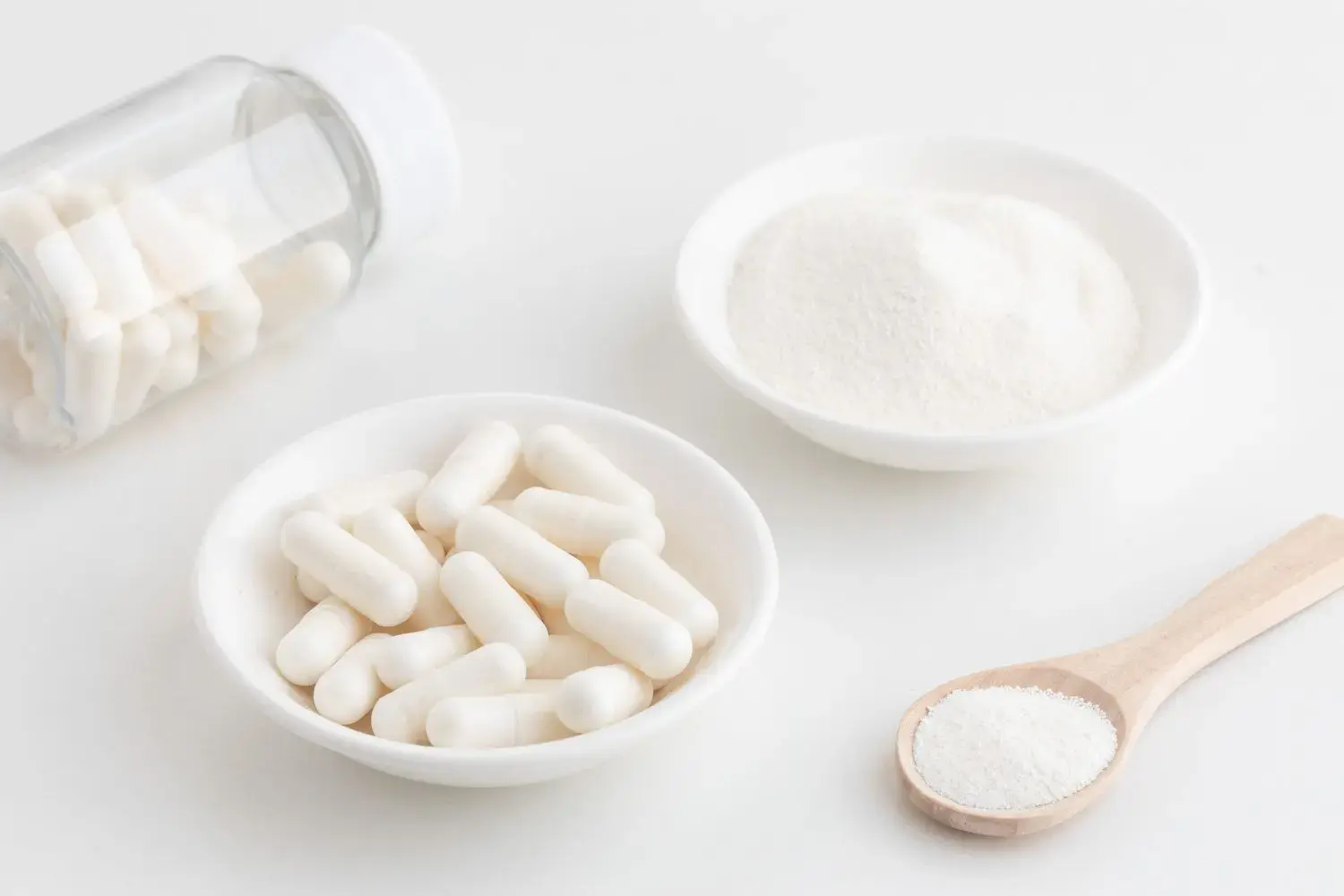
Because it has been shown to change the way estrogen is used by the body, 3,3-diindolylmethane (DIM) powder is now an important part of many health products, nutraceuticals, and medicines. This bioactive substance comes from indole-3-carbinol, which is found in cruciferous veggies. It meets important market needs for supporting hormonal balance and keeping cells healthy. As demand rises around the world, especially in controlled markets in North America and Europe, procurement managers, R&D teams, and formulators are under more and more pressure to find factory partners who can offer pharmaceutical-grade quality on a large scale.
There's a lot more to picking the right manufacturing partner than just comparing prices. Global B2B buyers need providers that know how to make DIMs technically, keep strict quality control systems, and easily deal with the different rules and regulations in different countries. The stakes are especially high because DIM has difficult physical qualities. It is lipophilic and doesn't dissolve well in water, which means that it needs complex formulation strategies. It is also sensitive to oxidizing agents, which means that it needs special handling methods during production and storage.
This complete guide walks you through the most important things you need to look for in a DIM powder provider from around the world. We'll talk about quality standards, certification requirements, supply chain issues, and strategic relationship factors that set top makers apart from basic providers of goods. If you're making high-quality dietary supplements, developing new drugs, or coming up with new cosmetics, knowing these selection criteria will help protect your brand's image and make sure that your goods always work.
Understanding the Core Qualities of a Reliable 3,3-Diindolylmethane Powder Factory Partner
To find a reliable manufacturing partner, you should first look at their basic production skills and quality mindset. When it comes to making DIM powder, the best 3,3-diindolylmethane powder factory companies know a lot about both synthetic production routes and natural extraction methods. This lets them suggest the best way for your individual needs.
Production Expertise and Manufacturing Standards
To make 3,3-diindolylmethane powder well, you need to know a lot of specific technical information. The compound is a crystalline solid that is white to off-white and has an exact melting point range of 162°C to 167°C. This is an important identification factor that quality makers always check. During the synthesis or extraction process, high-quality factories use strict process controls to make sure the finished product fits pharmaceutical-grade standards for molecular weight accuracy (246.31 g/mol) and chemical formula purity (C17H14N2).
Transparency and Traceability Systems
Modern B2B buyers want to see the whole supply chain more and more. Excellent factory partners keep thorough records of where the raw materials came from, the steps they were processed through, the quality checks that were done, and the end packaging they made. This openness is especially helpful when trying to reach health-conscious customers or answering questions from regulators.
Understanding Production Methods and Their Implications
The difference between manufactured and naturally-derived 3,3-diindolylmethane powder has a big effect on how products are positioned and how much it costs to make them. Most of the time, synthetic routes give more consistent batches with higher purity levels (often reaching 99%). This makes them perfect for pharmaceutical uses that need to meet strict standards. Brands that focus on organic certification and clean labeling, like natural extraction from cruciferous veggies, even though it usually has higher production costs and slightly lower purity ranges.
Evaluating the Quality and Purity of 3,3-Diindolylmethane Powder Offered
Assessing the quality of a product requires a thorough look at a number of scientific aspects. Buyers who know what to try and how to understand the results are better protected against buying low-quality goods.
Purity Specifications and Analytical Verification
High-Performance Liquid Chromatography (HPLC) is the best way to check the quality of DIM, and reliable producers always get results of 99% or higher. This method of analysis removes DIM from possible impurities like breakdown chemicals, reaction leftovers, and precursors that haven't been used yet. Ask possible suppliers for chromatograms and make sure that the retention times match well-known norms.
Physical Characteristics and Stability Considerations
Visual inspection gives you the first clues about quality. Premium 3,3-diindolylmethane powder is a solid that is uniformly white to pale yellow and crystalline. It is not discolored or clumped. The way something is processed is affected by how regular the particles are in size. Manufacturers should show sieve analysis that shows 95–10% of the material goes through 80 mesh, which ensures even mixing and stops tablets from capping during compression.
Microbial Quality and Safety Testing
Verification by a third-party lab gives seller claims more weight. Instead of depending only on data from your own quality control department, get certificates from outside testing centers. This external confirmation is especially important when adding new sources or testing materials for pharmaceutical uses that need a higher quality guarantee.
How to Choose the Right 3,3-Diindolylmethane Powder Supplier for Your Business Needs
Strategic supplier selection takes into account not only expert skills but also business needs and how well the suppliers' products and services work together. A methodical review process lowers the risks in the supply chain and finds partners who can help the business grow in the long run. To find the best 3,3-diindolylmethane powder factory provider for your company, you should look at their basic production skills and quality mindset.
Commercial Terms and Supply Chain Flexibility
Minimum order amounts have a big effect on how much working capital is needed and how to handle inventory. Established makers usually have MOQs that range from 25 kg for specific uses to 500 kg for large-scale production, but they can be more flexible if they already have a relationship with a customer. During the first talks, be honest about your number plans so that everyone knows what to expect. As your business grows, you may also be able to discuss graduated price tiers.
Certification Verification and Compliance Assurance
Proof of approvals in the form of documents gives some confidence, but more thorough checks boost trust. Ask for full certification packages that include scope statements that specifically mention making DIM powder. Some facilities have general certifications that might not cover all product lines. Check the validity of certifications by looking at their end dates and making sure that the organizations that issue them are in good standing with the approval groups that recognize them.
Customization Capabilities and Technical Support
Differentiating products is becoming more and more important for market success, which makes suppliers' ability to innovate strategically useful. Manufacturers that offer OEM services can make unique formulations that solve particular bioavailability problems by using methods such as spray-drying, micro-encapsulation, or complexation with substances that help with absorption. They work together with your research and development teams to find the best particle size, come up with special testing methods, or make delivery forms that set your goods apart from competitors.
Logistics Excellence and Regulatory Navigation
International suppliers are different from domestic companies because they have global shipping knowledge. For customs clearance, makers with a lot of experience handle complicated export paperwork like business invoices, packing lists, certificates of origin, and regulatory compliance statements. They know how unified tariff classifications affect tax rates and can suggest shipping methods that balance cost with the amount of time needed for transit.
Benefits of Partnering with a Certified 3,3-Diindolylmethane Powder Factory in China
China has become the biggest producer of DIM powder. Working with a certified 3,3-diindolylmethane powder factory in China is a good idea, as they are very good at making it and also have big advantages in business that help global buying plans. Knowing about these benefits helps buyers make smart choices about where to buy things.
Cost Efficiency Through Direct Factory Relationships
China's manufacturing economy gives the country big price benefits without lowering quality standards. Certified companies can offer reasonable prices—often 20–35% less than similar Western manufacturers—while still meeting pharmaceutical-grade standards. This is possible because they have a well-established production infrastructure, efficient supply chains for chemical precursors, and economies of scale. When brands work directly with factories, they don't have to pay markups or other costs that come between them and customers. This helps brands' profit margins in price-sensitive markets.
Scalable Production Capacity
China's DIM powder companies usually work at levels that are hard to match anywhere else in the world. Annual production rates of 1,000 tons or more ensure a steady supply, even when demand goes up, and flexible manufacturing schedules allow both small development batches and big commercial orders to be filled in the same location. This scalability is especially helpful for brands that are growing quickly or releasing new goods whose original demand predictions aren't clear.
OEM Services and Private Label Opportunities
Many Chinese DIM powder companies have changed from making basic chemicals to being full-service OEM partners that help with the whole product development process. They make special mixes of DIM with ingredients that work well together, like calcium D-glucarate or green tea extract. They also come up with custom particle size distributions that work best for certain delivery formats. Finally, they make finished products for you, including encapsulating, tableting, and packaging them under your brand name.
International Export Excellence
The Chinese industrial sector has developed advanced international trade skills over many years of exporting. Leading companies have export teams with English-speaking account managers who know how to talk to people in business and what quality standards are expected in the West. They handle the complicated logistics of foreign shipping, keep in touch with freight forwarders who specialize in chemical goods, and make sure that the right paperwork is filled out when it's needed for dangerous materials.
Building a Long-Term Partnership: Key Questions to Ask Your DIM Powder Supplier
Doing your research before choosing a provider can save you a lot of money in the long run. When you ask strategic questions, you can find practical truths that sales books might hide to ensure you build a long-term partnership with your DIM powder supplier.
Quality Control Systems and Testing Protocols
Knowing how often and what kinds of tests are done shows real dedication to quality. Ask possible partners how many quality checks are made at each stage of production, from making sure the raw materials are good to making sure the process goes smoothly to releasing the finished product. Find out more about the testing methods. For example, what HPLC column and mobile phase system do they use? What are the requirements for them to accept remaining solvents? How do they prove that scientific tools work?
Raw Material Traceability and Sourcing Ethics
Full openness in the supply line makes people more confident in the quality of the product. Ask suppliers to explain how they make sure their raw materials are safe. For example, do they check the producers of base chemicals? What testing happens when it arrives? Can they track certain batches of production all the way back to the raw materials that went into them? This ability to track becomes very important during quality reviews or checks by regulators.
Technical Support and Collaborative Development
Innovations that make supply links more secure for the future. Ask about current research and development projects, recent changes to the way things are done, and their desire to work with you on new applications. When suppliers spend money on analysis tools, new transport technologies, or creating their own methods for improving chemicals, they add strategic value that goes beyond just providing chemicals.
Contingency Planning and Supply Assurance
Supply chain stability keeps businesses from being interrupted. Talk to your providers about what they will do if they run out of raw materials, their production equipment breaks down, or there are quality problems that mean a batch has to be rejected. Do they keep a safety stock? Can they get seeds from more than one place? What kind of backup production ability is there for times when demand is high?
Conclusion
To find a great 3,3-diindolylmethane powder factory partner, you need to look at their technical skills, quality systems, ability to follow regulations, and business terms using a thorough framework. The ideal manufacturer always provides pharmaceutical-grade purity levels higher than 99% using validated HPLC methods. This manufacturer also keeps up-to-date ISO and market-specific certifications, offers full supply chain tracking, and shows a real desire to work together.
In addition to basic quality standards, key suppliers give customization options that make products stand out, technical support that speeds up formulation development, and operating openness that builds trust over time. More and more, Chinese makers mix these qualities with low prices and flexible production capacity, which makes them attractive partners for global buying plans. Procurement managers and R&D teams can find factory partners that can support long-term growth in nutraceutical, pharmaceutical, and cosmetic applications while protecting brand reputation through unwavering quality commitment by systematically evaluating potential suppliers against the criteria outlined in this guide.
FAQ
What purity level should I expect from a quality DIM powder supplier?
Pharmaceutical-grade 3,3-diindolylmethane powder factory products should always be at least 99% pure, which can be checked using HPLC. Manufacturers with a good reputation include certificates of analysis with every batch. These certificates show the exact test results, retention time data, and chromatogram pictures. Purity below 98% could mean that the purification process wasn't done right or that the product broke down while it was being stored, which could affect its safety and effectiveness.
How do I verify that a factory's certifications are legitimate?
Instead of just pictures of the certificates, ask for full certification packages that include certificates, scope statements, and audit results. Check the granting body's approval with the International approval Forum (IAF) or directly with certifying agencies to make sure it's real. Check license numbers against public databases when they are available, and keep an eye out for vague scope statements that might not cover the creation of 3,3-diindolylmethane powder.
What minimum order quantity should I expect when sourcing DIM powder?
MOQs range from 25 kg for specific uses to 500 kg for commercial production, but they can be much higher or lower depending on the supplier's size and business plan. Smaller, newer names may be able to negotiate development amounts during the early stages of formulation, with promises to place bigger orders when the product goes on sale. During negotiations, setting clear number expectations can often lead to better MOQ terms and pricing structures.
Partner With Avans for Premium 3,3-Diindolylmethane Powder Manufacturing Excellence
As a reliable 3,3-diindolylmethane powder factory, Avans NutriHealth Co., Ltd. offers pharmaceutical-grade quality and full technical support for use in nutraceutical and medicinal products around the world. Our state-of-the-art production plant can keep up a yearly capacity of more than 1,000 tons, which means that we can reliably offer everything from small development batches to large market volumes. We have all the necessary foreign certificates, such as ISO, HALAL, KOSHER, BRC, and Organic standards. This makes it easier for you to sell your products in North America, Europe, and the Middle East.
Our dedicated research and development team works directly with your formulators to solve DIM's difficult bioavailability issues by micro-encapsulation and advanced particle engineering. Our quality control systems ensure that the product is ≥99% HPLC pure by testing it for residual solvents, heavy metals, and microbial specifications. In addition to providing high-quality raw materials, we also offer full OEM services, which include formulating, testing for stability, creating regulatory paperwork, and making under your own brand name. Get in touch with our technical experts at Lillian@avansnutri.com to talk about your specific needs and find out how working with a certified 3,3-diindolylmethane powder factory provider can help you expand your product line and make more money faster.
References
1. Anderton, M.J., Manson, M.M., Verschoyle, R.D., Gescher, A., Steward, W.P., Williams, M.L., and Mager, D.E. (2004). "Pharmacokinetics and tissue disposition of indole-3-carbinol and its acid condensation products after oral administration to mice." Clinical Cancer Research, 10(15), 5233-5241.
2. Dalessandri, K.M., Firestone, G.L., Fitch, M.D., Bradlow, H.L., and Bjeldanes, L.F. (2004). "Pilot study: Effect of 3,3'-diindolylmethane supplements on urinary hormone metabolites in postmenopausal women with a history of early-stage breast cancer." Nutrition and Cancer, 50(2), 161-167.
3. Reed, G.A., Arneson, D.W., Putnam, W.C., Smith, H.J., Gray, J.C., Sullivan, D.K., Mayo, M.S., Crowell, J.A., and Hurwitz, A. (2006). "Single-dose and multiple-dose administration of indole-3-carbinol to women: pharmacokinetics based on 3,3'-diindolylmethane." Cancer Epidemiology, Biomarkers & Prevention, 15(12), 2477-2481.
4. Thomson, C.A., Ho, E., and Strom, M.B. (2016). "Chemopreventive properties of 3,3'-diindolylmethane in breast cancer: evidence from experimental and human studies." Nutrition Reviews, 74(7), 432-443.
5. Zeligs, M.A. (2010). "Diet and estrogen status: the cruciferous connection." Journal of Medicinal Food, 1(2), 67-82.
6. Zhu, J., Wong, T.Y., Xia, T., Cheng, G., Hu, X., and Lu, Y. (2019). "Development and validation of an HPLC method for determination of 3,3'-diindolylmethane in pharmaceutical formulations and dietary supplements." Journal of Pharmaceutical and Biomedical Analysis, 164, èèè-èèè.