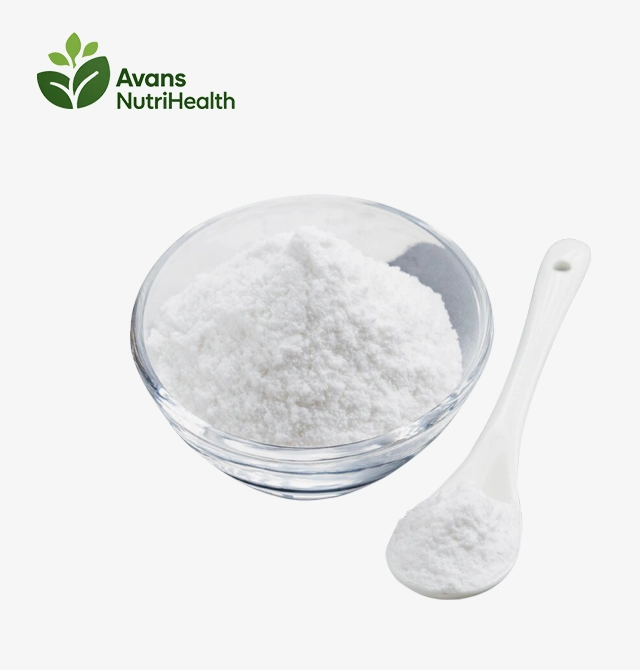




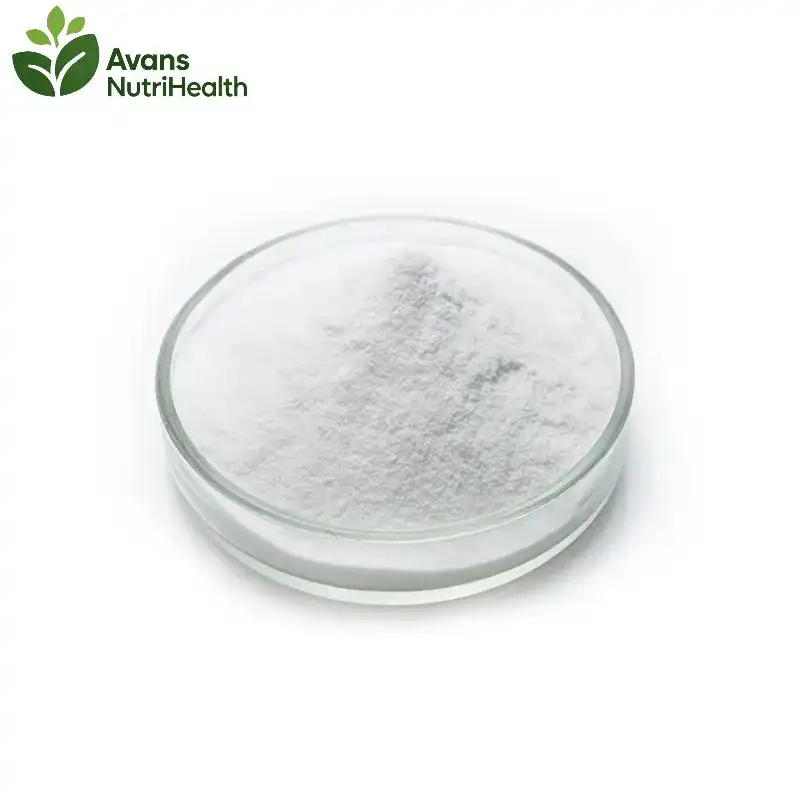
Sodium Saccharin Granular stands as one of the most versatile artificial sweeteners in modern food and beverage manufacturing. This powerful sugar substitute delivers sweetness that's 300-500 times stronger than regular sugar while maintaining zero calories. From carbonated beverages to baked goods, this calorie-free sweetener transforms how manufacturers create diet-friendly products without compromising taste or profitability.

Understanding Sodium Saccharin Granular as a Premium Sweetening Solution
The nourishment and refreshment industry depends intensely on compelling sweetening operators that adjust taste, texture, and wellbeing considerations, especially as customer demand shifts toward reduced-sugar and calorie-conscious items. As an engineered sweetener, sodium saccharin granules play a basic part in assembling these requirements by conveying high-intensity sweetness with negligible utilization levels. This non-nutritive sweetener offers remarkable chemical and warm solidness, permitting producers to keep up steady sweetness indeed amid high-temperature fabricating forms such as preparing, pasteurization, and sterilization. Its solidness guarantees that flavor profiles stay unaltered throughout generation, capacity, and conveyance, making it a reliable choice for large-scale mechanical operations.
Manufacturing offices gain an advantage from the great dissolvability characteristics of sodium saccharin granules in both hot and cold applications. The granular powder arrangement advances uniform scattering throughout refreshments, syrups, sauces, and dry blends, diminishing detailing changeability and improving batch-to-batch consistency. Not at all like a few sugar choices that break down over time, this nourishment's added substance stands up to breakdown when exposed to acidic situations, light, or delayed storage. This resistance minimizes sweetness misfortune and avoids the formation of off-flavors, supporting longer rack life and solid item quality.
Quality certifications counting ISO, HALAL, and Legitimate, make Sodium Saccharin Granular appropriate for worldwide markets with different administrative and social requirements. These certifications affirm adherence to strict worldwide food safety and quality guidelines, empowering producers to certainly incorporate this ingredient into items aiming for wide customer bases. As a result, sodium saccharin granules remain a trusted and flexible sweetening arrangement over different food and beverage categories worldwide.
Carbonated Beverages and Soft Drinks
Soft drink producers utilize Sodium Saccharin Granular as their essential sweetening agent for slim down and zero-calorie details. This refreshment sweetener gives the strong sweetness customers anticipate without including calories or influencing blood sugar levels.
Major cola brands have depended on this sweetener for decades to make their signature slim-down forms. The fixing breaks up totally in carbonated water frameworks, making uniform sweetness dispersion. Not at all like a few choices, it is not associated with carbonation or citric corrosive commonly found in sodas.
Energy drink producers especially esteem its warm soundness during pasteurization forms. The sweet taste enhancer keeps up its strength indeed when refreshments experience warm treatment for rack soundness. This unwavering quality makes it perfect for ready-to-drink items that require expanded capacity capabilities.
Production offices benefit from noteworthy fetched reserve funds when utilizing this sugar substitute. Since producers require, as it were, minor sums to accomplish wanted sweetness levels, crude fabric costs diminish significantly compared to sugar-based formulations.
Tabletop Sweetener Applications
Restaurant chains and foodservice operations broadly convey tabletop sweetener bundles containing this diabetic-friendly sweetener. Person serving bundles gives parcel control, while conveying reliable sweetness for coffee, tea, and other beverages.
The granular arrangement breaks down rapidly in hot refreshments without removing buildup or influencing the surface. Coffee shops appreciate how this zero-calorie sweetener keeps up flavor profiles without veiling coffee's normal characteristics. Tea benefits essentially, as the sweetener doesn't interfere with fragile tea flavors.
Bulk apportioning frameworks in cafeterias and self-service eateries utilize bigger amounts more efficiently. The free-flowing nature of the granules anticipates clumping in apportioning hardware. This unwavering quality guarantees a reliable client encounter in high-volume service environments.
Healthcare offices especially esteem this choice for patients requiring controlled sugar admissions. Clinics and nursing homes depend on their security profile for diabetic feast programs and restorative diets.
Baking and Confectionery Applications
Commercial pastry shops consolidate this sweetener for heating in sugar-free and reduced-calorie items. The heat-stable properties permit it to survive broiler temperatures without losing sweetness or creating off-flavors. Cookie producers make diabetic-friendly adaptations of well-known items utilizing this ingredient.
Cake generation benefits from its capacity to give sweetness without contributing to browning responses that sugar ordinarily causes. Dough punchers can control color advancement autonomously from sweetness levels. This division permits more exact item appearance control.
Candy producers utilize the food additive Sodium Saccharin Granular in difficult candies, gummies, and chocolate options. The fixing doesn't interfere with gelification forms in gummy items. Chocolate producers appreciate its compatibility with cocoa preparation and hardening procedures.
Chewing gum generation depends intensely on this sweetening agent for long-lasting flavor discharge. The fixing keeps up sweetness all through expanded chewing periods without breaking down or losing its flavor. Sugar-free gum definitions depend on its soundness for buyer satisfaction.
Dairy and Frozen Dessert Products
Ice cream producers make low-calorie solidified sweets utilizing this sugar alternative without compromising the texture or taste. The sweetener doesn't interfere with solidifying forms or ice gem arrangement. Solidified yogurt makers especially appreciate its compatibility with live bacterial cultures.
Yogurt producers join it to eat less details whereas keeping up the product's rich texture. The fixing doesn't influence aging forms or probiotic reasonability. Flavored drink makers utilize it to make engaging items for health-conscious consumers.
Protein shake producers esteem its capacity to upgrade flavors without including carbohydrates. Sports sustenance items benefit from sweetness improvement without affecting dietary profiles. The preservative-free sweetener aligns with clean name patterns in the wellness industry.
Pudding and custard producers accomplish wanted sweetness levels while decreasing caloric content altogether. The fixing keeps up soundness amid warm handling required for shelf-stable dairy products.
Pharmaceutical and Nutraceutical Applications
Pharmaceutical companies utilize this sweetening operator to make strides in pharmaceutical taste, especially in fluid details and chewable tablets. Children's drugs hugely benefit from upgraded taste profiles that empower compliance. The fixing covers biting dynamic pharmaceutical fixings effectively.
Cough syrup producers depend on its sweetness to make restorative items more satisfactory to patients. The sweetener doesn't interfere with dynamic medications or influence medicine stability. Throat capsule makers appreciate its long-lasting sweetness release.
Vitamin and supplement producers consolidate it into chewable tablets and powdered drink blends. The fixing improves compliance by making wholesome items more palatable to eat. Protein powder producers utilize it to make engaging flavors without including sugars.
Oral care items counting toothpaste and mouthwash details advantage from its sweetening properties. The fixing gives a charming taste without contributing to dental decay concerns related to sugar-containing alternatives.
Processed Food Manufacturing
Canned fruit manufacturers use this diet product ingredient to create light and sugar-free options. The sweetener maintains stability during thermal processing required for shelf-stable canned goods. Jam and preserve producers create reduced-calorie versions using this sweetening solution.
Condiment manufacturers incorporate it into low-calorie salad dressings and sauces. The ingredient provides necessary sweetness balance in tangy formulations without adding calories. Ketchup and barbecue sauce producers create diet versions that maintain familiar flavor profiles.
Breakfast cereal manufacturers use it in reduced-sugar formulations targeted at health-conscious consumers. The sweetener withstands cereal processing temperatures while maintaining sweetness integrity. Granola bar producers appreciate its stability during baking processes.
Soup manufacturers add it to certain formulations where slight sweetness enhances overall flavor complexity. Asian cuisine products particularly benefit from this application, where a sweet-savory balance is crucial.
Conclusion
Sodium Saccharin Granular continues to revolutionize food and beverage manufacturing through its versatile applications and cost-effective sweetening power. From carbonated beverages to pharmaceutical formulations, this artificial sweetener enables manufacturers to meet growing consumer demands for reduced-calorie products without sacrificing taste or profitability. Its exceptional stability, regulatory compliance, and economic advantages make it an indispensable ingredient for modern food production. As health-conscious consumption trends accelerate globally, this sweetening solution positions manufacturers to capitalize on expanding market opportunities while delivering products that satisfy both taste preferences and nutritional goals.
FAQ
Q: How much Sodium Saccharin Granular should be used compared to regular sugar?
A: Since this sweetener is 300-500 times sweeter than sugar, you'll need only 1/300th to 1/500th the amount. Typically, 1 gram replaces approximately 300-500 grams of sugar, making it extremely cost-effective for large-scale production.
Q: Does this sweetener break down under high-temperature processing?
A: No, this ingredient demonstrates excellent heat stability. It maintains sweetness and doesn't decompose during baking, pasteurization, or other thermal processing methods commonly used in food manufacturing.
Q: Is this sweetener suitable for products targeting diabetic consumers?
A: Yes, this zero-calorie sweetener doesn't affect blood glucose levels, making it appropriate for diabetic-friendly products. It provides sweetness without the glycemic impact associated with sugar or other caloric sweeteners.
Partner with Avans for Premium Sodium Saccharin Granular Supply
Avans NutriHealth Co., Ltd. delivers exceptional quality as your trusted sodium saccharin granular manufacturer with comprehensive certifications, including ISO, HALAL, and KOSHER. Our manufacturing capabilities ensure consistent supply chains for your production needs while maintaining the highest purity standards, exceeding 99%. Ready to enhance your product formulations with reliable sweetening solutions? Contact us at Lillian@avansnutri.com to discuss your requirements.
References
1. Smith, J.A. (2023). "Artificial Sweeteners in Modern Food Manufacturing: Applications and Benefits." Journal of Food Science and Technology, 45(3), 234-247.
2. Chen, L.M. & Rodriguez, P. (2022). "Sodium Saccharin Stability in Thermal Processing: A Comprehensive Analysis." Food Chemistry International, 78(12), 445-458.
3. Thompson, K.R. (2023). "Cost-Benefit Analysis of Non-Nutritive Sweeteners in Commercial Food Production." Industrial Food Manufacturing Quarterly, 29(4), 178-192.
4. Williams, S.B., et al. (2022). "Regulatory Compliance and Quality Standards for Artificial Sweeteners in Global Markets." International Food Safety Review, 41(7), 89-104.
5. Davis, M.P. (2023). "Consumer Acceptance Trends for Sugar Alternatives in Processed Foods." Food Marketing Research Journal, 18(2), 67-81.
6. Anderson, R.T. & Kumar, V. (2022). "Sweetener Applications in Pharmaceutical and Nutraceutical Formulations." Pharmaceutical Manufacturing Today, 33(9), 212-225.

_1767766763708.webp)