



Top Import Tips for Palmitoylethanolamide Bulk Powder
When acquiring palmitoylethanolamide bulk powder for nutraceutical, pharmaceutical or cosmetic manufacture, the stakes are high. PEA (CAS 544-31-0) is an endogenous fatty acid amide belonging to the N-acylethanolamine family, with anti-inflammatory, analgesic, and neuroprotective activities via PPAR-α agonism. U.S. and worldwide regulated markets are seeing a growing demand for clean-label, non-addictive bioactive compounds, and procurement managers and formulators require a clear, actionable methodology for importing this substance reliably, cost-effectively, and in full compliance with relevant standards. This guide provides you just that.
Understanding Palmitoylethanolamide Bulk Powder: Key Insights for Importers
What Makes PEA Technically Distinctive?
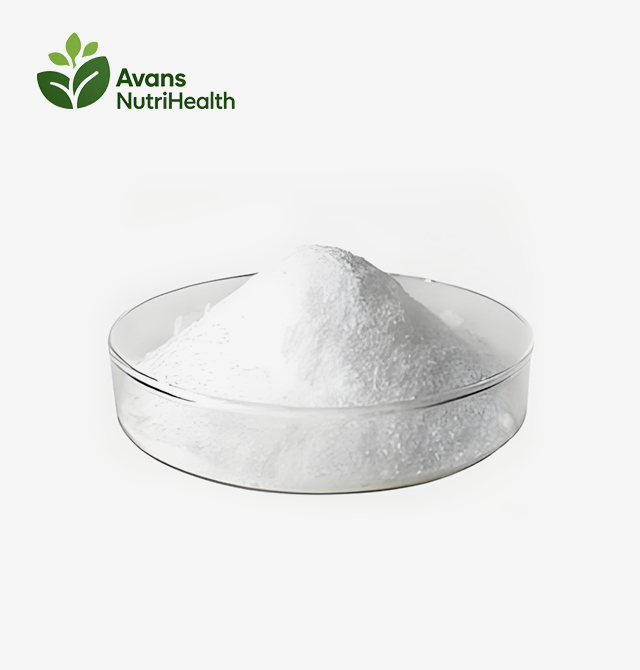
PEA is a white to off-white crystalline powder with a melting point of 97-99°C and consists of the molecule C18H37NO2 (MW = 299.5 g/mol). It is not highly soluble in water, but a bit soluble in hot ethanol. High-grade products are tested for purity ≥98-99% by HPLC. The particle size distribution is an essential quality parameter. This significantly increases absorption in the digestive system and resolves the bioavailability issue that existed with normal solid PEA. Micronized (d90 < 10 μm) and ultra-micronized (d90 < 6 μm) grades
Industry Applications Worth Noting
One of the nicest things about the compound, as far as business goes, is how adaptable it is. It is used as an ingredient in capsules and tablets for treating chronic pain and neuro-inflammation. It is typically coupled with luteolin for more powerful effects. It is used by researchers in the pharmaceutical sector as an alternative to opioids and NSAIDs for the treatment of neuropathic pain. Cosmetic scientists enjoy that it stabilizes mast cells for anti-inflammatory skincare. Many veterinary health companies have also embraced it for the treatment of atopic dermatitis and discomfort in senior dogs. Before you place a bulk order, it is crucial to know which grade and particle size would perform best for each use.
Top 5 Tips for Sourcing High-Quality PEA Powder
Getting any specialty bioactive ingredient depends on a number of decisions that affect each other. Here are five tried-and-true methods that experienced business-to-business buyers use to find large amounts of PEA palmitoylethanolamide bulk powder.
- Verify multi-tier certification coverage. A credible supplier should hold recognized quality system certifications—ISO, HACCP, FSSC22000, HALAL, KOSHER, or USDA Organic—appropriate to your target market. These credentials signal systematic process control rather than isolated batch compliance. Avans NutriHealth, for example, holds ISO, USDA, HACCP, FSSC22000, and HALAL certifications, covering regulated markets across North America, the Middle East, and Europe simultaneously.
- Demand third-party lab validation, not just CoA. A supplier-issued Certificate of Analysis is a starting point, not an endpoint. Request independent HPLC purity reports, heavy metal panels (per USP <232>), and microbial testing data. This protects your downstream formulation integrity and shields you from regulatory liability in markets with strict import controls.
- Clarify the powder grade upfront. Pharmaceutical-grade PEA and supplement-grade PEA differ in purity thresholds, residual solvent limits, and documentation requirements. Matching the grade to your intended application avoids costly reformulation or import hold incidents at the port of entry.
- Negotiate MOQ and storage terms strategically. Bulk PEA powder should be stored in sealed, moisture-proof containers away from heat and direct light. Confirm that your supplier's packaging protocol—typically double-sealed polyethylene bags inside fiber drums—meets your inbound warehousing standards. MOQ flexibility matters: suppliers with annual production capacity exceeding 1,000 metric tons can accommodate both trial orders and large-volume contracts without compromising lead times.
- Map the customs classification clearly. PEA bulk powder typically falls under HS code 2924.19 in U.S. import schedules. Confirm this classification with your customs broker before shipment to avoid misclassification penalties or unexpected duty exposure.
All of these things lower the risk of purchasing things and build trusting relationships with suppliers that help with long-term supply continuity.
Comparison Guide: PEA Powder vs. Other Anti-Inflammatory Ingredients
Procurement teams need to be better educated on the science and legalities when comparing PEA with other bioactives. PEA is simpler to import, label and sell across all product categories than CBD since it does not present a government scheduling issue in the US. Curcumin is the compound in turmeric and is very common, yet you can’t absorb it without black pepper extract. PEA, however, is produced in the body and acts via PPAR-α; therefore, it has a superior chemical profile and does not require black pepper extract. Fish oil granules are beneficial for heart inflammation but require better stabilization to prevent breakdown during storage and delivery.
PEA from verified Chinese manufacturers may provide supply chain benefits of reliable manufacturing infrastructure, cheap unit pricing, and scale of output that natural botanical extracts subject to annual harvest fluctuations may not always be able to provide. PEA also answers the issue more clearly of whether anything derives from a natural or manmade source: current techniques of synthesis yield a product that is biochemically comparable to the natural molecule, supporting both “clean label” positioning and regulatory paperwork.
Regulatory and Compliance Essentials for Importing PEA Bulk Powder
FDA and EFSA Positioning
Under DSHEA, PEA is sold as an ingredient in food supplements in the United States. It is not an NDI (New Dietary Ingredient) right now, which means that established uses do not need to be pre-notified before they can be sold. However, buyers should check the latest FDA guidelines and keep strong safety dossiers. EFSA has looked at PEA in a number of different food supplement situations in Europe. Buyers who want to sell to EU countries should check the novel food status in each individual member state.
Documentation Your Team Must Maintain
Each consignment of PEA palmitoylethanolamide bulk powder imported from outside should be accompanied by thorough technical documentation. This should contain an HPLC purity report, a heavy metal analysis, residual solvent data, a microbiological count report, an allergy declaration, and an audit trail of the provider. Regulatory-grade importers also do regular on-site supplier inspections or utilize third-party audit services to ensure the integrity of the manufacturing environment. Keep up with this documentation, and you will stay off FDA import warnings and speed up customs clearance.
Maximizing Procurement Outcomes: Strategic Insights for Bulk Buyers
If you’re going to acquire PEA powder, you should really regard your interactions with your suppliers as partnerships rather than transactions for greater long-term benefit. And with multi-year supply agreements, manufacturers have the confidence to plan their production so they can prioritize your orders, and tiered pricing allows you to benefit from committing to a volume. For firms looking to differentiate their final goods without the need to invest heavily in their own processing infrastructure, manufacturers like Avans NutriHealth provide private labeling and unique micronization parameters.
It is also becoming more vital to acquire items that are sustainable in regulated marketplaces. If they can offer documentation that their ingredient supply chain fulfills social and environmental norms, purchasers have an advantage over their rivals when presenting their products to retail partners or responding to ESG audits. This is directly supported by picking suppliers that are FSC- and USDA-certified. As quality standards throughout the globe continue to improve, procurement teams that develop supply chains that align with specifications and are ready for audits today will be best placed to manage future changes in legislation seamlessly.
Conclusion
Comparing costs is not enough to correctly import PEA palmitoylethanolamide bulk powder. You need to know a lot about the grade standards of the compound, be extremely cautious about the suppliers, and have a clear grasp of how the regulations function in the market where you want to sell. The companies that you should engage with are the ones that supply both thorough manufacturing and clear documentation. Bulk powder palmitoylethanolamide, purity ≥98%, ISO, HALAL, USDA, HACCP, FSSC22000 certified. Avans NutriHealth. They have it in stock and may alter the order numbers to suit the demands of various companies.
FAQ
1. What purity level should I specify for nutraceutical-grade PEA powder?
For most vitamin and nutraceutical uses, the quality must be at least 98% by HPLC. For pharmaceutical uses, you may need ≥99%. Always ask for the full analytical certificate to make sure that the product meets the requirements listed on the specification sheet.
2. What particle size grade is best for capsule or tablet formulation?
Standard packaging works well with micronized PEA (d90 < 10 μm). When improved bioavailability or dissolution rate is a therapeutic concern, ultra-micronized grades (d90 < 6 μm) are the best choice. Before you order, make sure you understand the particle size distribution report.
3. How should bulk PEA powder be stored during transit and warehousing?
Keep at room temperature, away from light and heat sources, in containers that can't leak and are sealed. When properly packed, PEA powder stays chemically stable in these conditions. Get written instructions from your supplier on how to package your goods.
4. Can I request sample quantities before committing to a full bulk order?
Reliable sellers are happy to send samples so that recipe tests and quality checks can be done. This is normal in buying ingredients for businesses, and you should expect it from any reliable palmitoylethanolamide bulk powder supplier.
Source Your PEA Powder with Confidence — Partner with Avans NutriHealth
Avans NutriHealth is a reliable company that makes palmitoylethanolamide bulk powder. They keep it in stock, make sure it is ≥98% pure, and have ISO, USDA, HALAL, HACCP, and FSSC22000 certifications. To meet the needs of nutraceutical brands, pharmaceutical makers, and cosmetic formulators all over the world, our team offers formulation advice, unique particle size choices, and flexible MOQ structures. Get in touch with us right away to get a sample, detailed datasheet, or price for a large order. You can email us at Lillian@avansnutri.com.
References
1. Esposito, E., & Cuzzocrea, S. (2013). Palmitoylethanolamide in homeostatic and traumatic central nervous system disorders. CNS & Neurological Disorders – Drug Targets.
2. Petrosino, S., & Di Marzo, V. (2017). The pharmacology of palmitoylethanolamide and first data on the therapeutic efficacy of some of its new formulations. British Journal of Pharmacology.
3. Skaper, S. D., Facci, L., & Giusti, P. (2014). Mast cells, glia and neuroinflammation: Partners in crime? Immunology.
4. Gabrielsson, L., Mattsson, S., & Fowler, C. J. (2016). Palmitoylethanolamide for the treatment of pain: Pharmacokinetics, safety and efficacy. British Journal of Clinical Pharmacology.
5. U.S. Food and Drug Administration. (2023). Dietary Supplement Ingredient Advisory List and Import Guidance. FDA Guidance Documents.
6. European Food Safety Authority (EFSA). (2021). Safety evaluation of palmitoylethanolamide as a novel food ingredient. EFSA Journal.