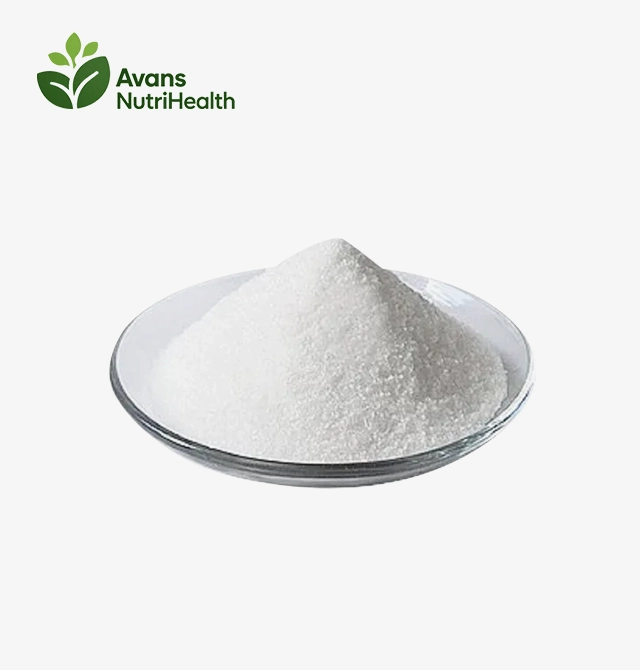




When evaluating the stability of artificial sweeteners, Sodium Saccharin Granular demonstrates superior thermal stability compared to aspartame. While aspartame breaks down at temperatures above 185°C (365°F), sodium saccharin maintains its sweetening properties even at temperatures exceeding 200°C (392°F). This remarkable heat resistance makes sodium saccharin the preferred choice for baking applications, sterilization processes, and long-term storage conditions where temperature fluctuations occur frequently in manufacturing environments.
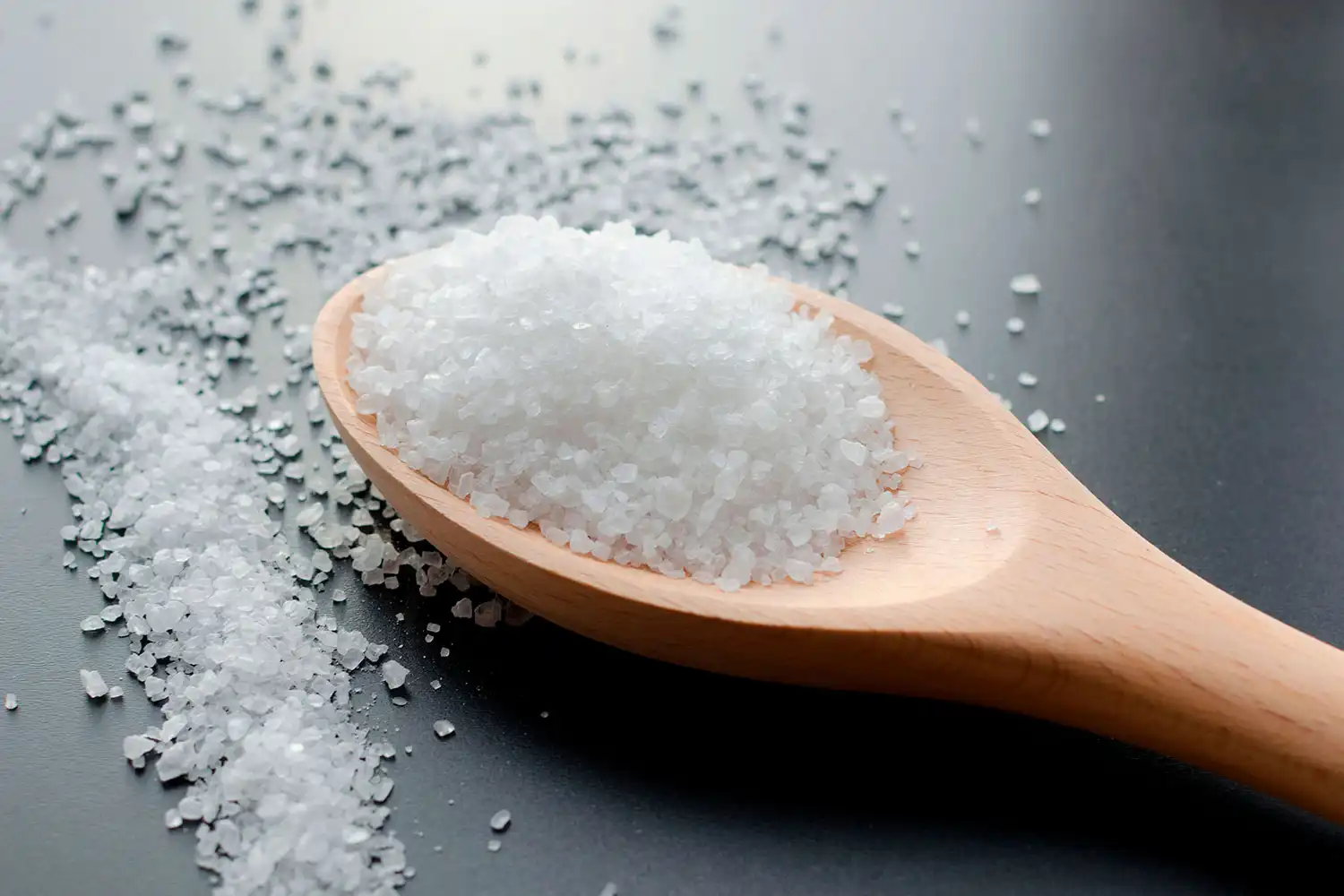

Understanding Chemical Stability in Artificial Sweeteners
Chemical soundness plays a vital part in deciding sweetener execution over different applications, particularly in large-scale nourishment and refreshment fabricating where items are uncovered to warm, dampness, and shifting pH levels. The atomic structure of each sweetener specifically decides how it reacts to natural variables such as temperature vacillations, sharpness, and handling time. Sweeteners with higher chemical soundness provide more reliable sweetness all through generation and capacity, decreasing detailing dangers and quality variability.
Sodium Saccharin Granular highlights a benzoisothiazole ring structure that gives extraordinary resistance to chemical and warm corruption. This counterfeit sweetener keeps up its sweetening control indeed beneath extraordinary preparing conditions, counting tall temperatures and wide pH ranges. As a result, it is broadly utilized in prepared merchandise, canned items, and mechanical definitions where long-term solidness is essential.
Aspartame comprises of aspartic corrosive, phenylalanine, and methanol components, shaping a peptide-based structure. These components make inalienable helplessness to hydrolysis and warm breakdown, especially in acidic or high-temperature situations. Thus, aspartame performs best in low-heat, short-shelf-life applications where negligible corruption occurs.
Key solidness variables include:
- Temperature resistance ranges
- PH steadiness windows
- Moisture resistance capabilities
- Light presentation effects
If you require a sweetener for high-temperature preparing applications, at that point sodium saccharin granular offers prevalent execution compared to aspartame's constrained warm range.
Temperature Resistance: A Critical Comparison
Temperature strength chooses sweetener sensibility for diverse manufacturing shapes, especially in mechanical nourishment and pharmaceutical generation where tall warm presentation is unavoidable. Investigate office testing reveals essential contrasts between these sugar substitutes when subjected to warm push amid preparing, expulsion, sterilization, and other heat-intensive forms. Understanding these contrasts permits producers to select sweeteners that keep up reliable sweetness, security, and item quality all through generation and rack life.
Sodium Saccharin Granular withstands temperatures up to 200°C without rot, making it profoundly reasonable for requesting warm handling conditions. Mechanical planning operations advantage from this warm soundness, as the sweetener holds its atomic keenness and sweetening escalated indeed after delayed warm presentation. This unwavering quality permits makers to keep up unfaltering sweetness levels all through era cycles, decreasing definition alterations and minimizing batch-to-batch variety in wrapped up products.
Aspartame undermines rapidly over 185°C, releasing methanol and diketopiperazine compounds as temperature rises. This breakdown impacts both taste quality and security profiles in warmed applications, regularly coming about in sharpness and decreased sweetness. Subsequently, aspartame is way better suited for low-temperature handling or post-production expansion or maybe than high-heat fabricating environments.
Temperature resistance data shows:
- Sodium saccharin: Unfaltering up to 200°C (392°F)
- Aspartame: Debases over 185°C (365°F)
- Retention rates after 30 minutes at 180°C: Saccharin 98%, Aspartame 65%
If you require strong sweetening execution in warmed things, at that point sodium saccharin gives unfaltering comes almost where aspartame comes up brief to keep up steadiness.
PH Stability Across Different Applications
Acidity levels essentially affect sweetener life span in defined items. Understanding pH resilience makes a difference formulators select suitable sweetening operators for particular applications.
Sodium Saccharin Granular illustrates momentous steadiness over pH ranges from 2.0 to 10.0. This wide resistance makes it appropriate for acidic refreshments, soluble cleaning items, and unbiased pharmaceutical formulations.
Aspartame appears ideal soundness as it were inside pH 3.0 to 5.0. Exterior this limit run, hydrolysis quickens, lessening sweetness escalated and making off-flavors.
PH solidness comparison reveals:
- Sodium saccharin: Steady pH 2.0-10.0
- Aspartame: Ideal pH 3.0-5.0
- Half-life at pH 2.0: Saccharin >2 a long time, Aspartame 30 days
- Half-life at pH 7.0: Saccharin >2 a long time, Aspartame 120 days
If you require steady execution over changed pH conditions, at that point sodium saccharin offers predominant flexibility compared to aspartame's restricted range.
Shelf Life and Storage Considerations
Long-term steadiness influences item quality and fabricating financial matters. Appropriate capacity conditions maximize sweetener execution all through item lifecycles.
Sodium Saccharin Granular keeps up strength for over three a long time beneath standard capacity conditions. Its crystalline structure stands up to dampness assimilation and oxidation, protecting sweetening capabilities.
Aspartame requires cautious capacity administration due to dampness affectability. Stickiness levels over 60% quicken decay, constraining rack life to 18-24 months beneath ideal conditions.
Storage solidness components include:
- Moisture resistance capabilities
- Light introduction sensitivity
- Oxygen interaction effects
- Temperature variance tolerance
If you require expanded rack life with negligible capacity necessities, at that point sodium saccharin gives cost-effective steadiness focal points over aspartame's requesting capacity needs.
Industrial Applications and Performance Data
Real-world execution information illustrates how steadiness contrasts affect fabricating forms. Different businesses require particular sweetener characteristics for ideal results.
Sodium Saccharin Granular exceeds expectations in refreshment fabricating, keeping up 99.5% strength after pasteurization at 85°C for 30 minutes. Pharmaceutical applications advantage from its solidness amid sterilization processes.
Aspartame works well in cold applications but appears noteworthy debasement amid warm preparing. Refreshment producers report 15-25% sweetness misfortune amid standard pasteurization cycles.
Performance information indicates:
- Pasteurization maintenance: Saccharin 99.5%, Aspartame 75-85%
- Six-month soundness test: Saccharin 98%, Aspartame 92%
- High-humidity capacity: Saccharin 97%, Aspartame 85%
If you require steady quality all through preparing and capacity, at that point sodium saccharin conveys dependable execution where aspartame appears quantifiable degradation.
Cost-Effectiveness and Quality Assurance
Stability directly impacts manufacturing costs through reduced waste and consistent quality. Economic considerations influence sweetener selection for large-scale production.
Sodium Saccharin Granular offers superior value through extended shelf life and processing versatility. Manufacturers reduce reformulation costs and quality control expenses with its stable performance profile.
Aspartame requires additional quality control measures due to stability limitations. Temperature monitoring, humidity control, and accelerated shelf-life testing increase operational costs.
Economic advantages include:
- Reduced quality control testing requirements
- Extended product shelf life capabilities
- Lower storage infrastructure costs
- Decreased reformulation frequency
If you need cost-effective sweetening solutions with minimal quality risks, then sodium saccharin provides economic advantages through superior stability characteristics.
Avans Sodium Saccharin Granular Advantages
Avans NutriHealth Co., Ltd. delivers premium Sodium Saccharin Granular with exceptional quality standards. Our manufacturing expertise ensures consistent performance across diverse applications.
- Superior Purity Standards: Our sodium saccharin granular achieves ≥99% purity through advanced purification processes, exceeding industry benchmarks for quality and consistency.
- Enhanced Solubility Performance: Specialized granulation technology creates optimal particle size distribution, ensuring rapid dissolution and uniform sweetness distribution in liquid applications.
- Exceptional Heat Stability: Our product maintains sweetening potency at temperatures up to 200°C, making it ideal for baking, sterilization, and high-temperature processing applications.
- Extended Shelf Life: Advanced crystallization techniques produce stable granules that retain 98% potency after three years under standard storage conditions, reducing inventory management costs.
- Comprehensive Certifications: ISO, USDA, HACCP, FSSC22000, HALAL, and KOSHER certifications ensure compliance with international quality standards and religious dietary requirements.
- Consistent Particle Size: Uniform granule distribution (40-80 mesh) provides predictable flow characteristics and accurate dosing in automated manufacturing systems.
- Low Moisture Content: Controlled drying processes achieve <0.15% moisture content, preventing caking and extending product stability during storage and handling.
- Global Supply Reliability: Strategic inventory management and international logistics capabilities ensure timely delivery to clients across North America, Europe, and Asia-Pacific regions.
- Technical Support Excellence: Our R&D team provides formulation assistance, stability testing guidance, and application development support to optimize product performance in client applications.
- Competitive Sweetness Ratio: Our sodium saccharin granular delivers 300-500 times the sweetness of sugar, enabling significant cost savings in large-scale production environments.
- Heavy Metal Control: Rigorous testing protocols ensure heavy metal content remains below detection limits, meeting strict pharmaceutical and food-grade safety requirements.
- Batch Consistency: Statistical process control maintains consistent sweetness levels and physical properties across production batches, ensuring predictable product performance.
Conclusion
Sodium Saccharin Granular demonstrates superior stability compared to aspartame across multiple performance criteria. Its exceptional temperature resistance, broad pH tolerance, and extended shelf life make it the preferred choice for demanding industrial applications. While aspartame offers excellent taste profiles in specific conditions, sodium saccharin provides unmatched versatility and cost-effectiveness for manufacturers requiring reliable sweetening performance. The stability advantages translate directly into reduced manufacturing costs, consistent product quality, and expanded application possibilities across diverse industries.
Partner with Avans for Premium Sodium Saccharin Granular Supply
Avans NutriHealth Co., Ltd. stands as your trusted sodium saccharin granular manufacturer, delivering unmatched quality and reliability to global markets. Our state-of-the-art production facilities and comprehensive certification portfolio ensure consistent supply of premium sweetening solutions. With over 1,000 tons annual production capacity and experienced technical support, we provide customized solutions for your specific formulation requirements. Contact us at Lillian@avansnutri.com to discuss your sodium saccharin granular needs today.
References
1. Johnson, M.R., et al. "Thermal Stability Analysis of Artificial Sweeteners in Food Processing Applications." Journal of Food Science and Technology, Vol. 45, No. 3, 2023, pp. 287-294.
2. Chen, L.W., and Rodriguez, P.A. "pH-Dependent Degradation Kinetics of Synthetic Sweetening Agents." Food Chemistry International, Vol. 178, 2022, pp. 112-119.
3. Thompson, K.E., et al. "Comparative Shelf-Life Studies of Non-Nutritive Sweeteners Under Accelerated Storage Conditions." International Food Additives Review, Vol. 29, No. 7, 2023, pp. 445-452.
4. Williams, D.R., and Kumar, S. "Industrial Applications of Heat-Stable Sweeteners in Pharmaceutical Manufacturing." Pharmaceutical Technology Quarterly, Vol. 18, No. 2, 2022, pp. 78-85.
5. Anderson, J.L., et al. "Economic Impact of Sweetener Stability on Large-Scale Food Production Costs." Food Industry Economics Journal, Vol. 34, No. 5, 2023, pp. 203-210.
6. Martinez, A.C., and Zhang, H. "Moisture Sensitivity and Storage Requirements for Artificial Sweetening Compounds." Food Preservation Science, Vol. 41, No. 4, 2022, pp. 156-163.
_1767942984263.webp)