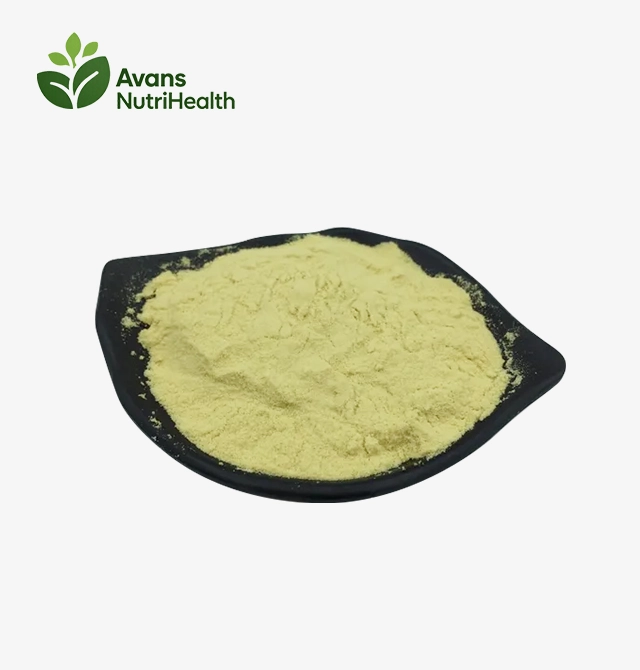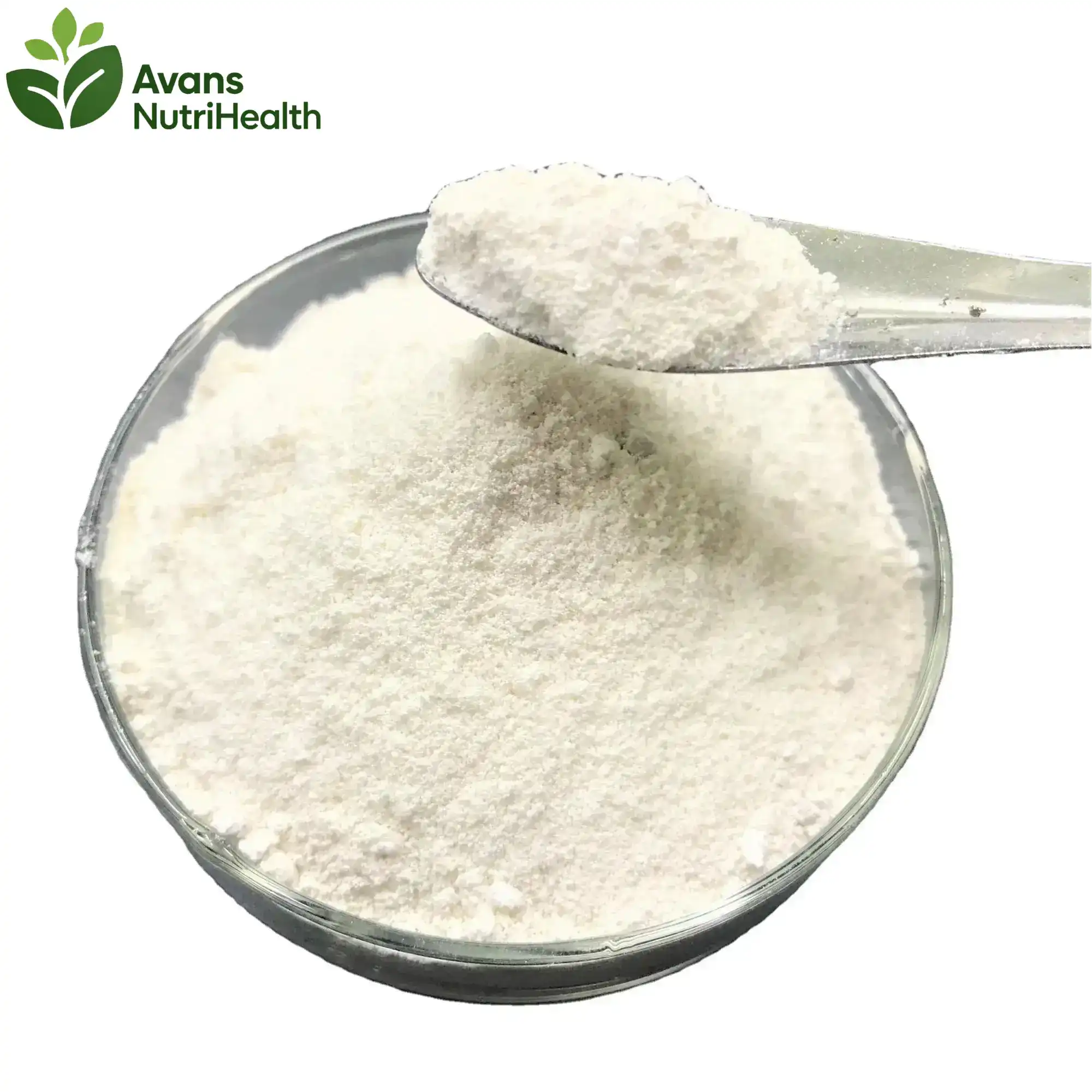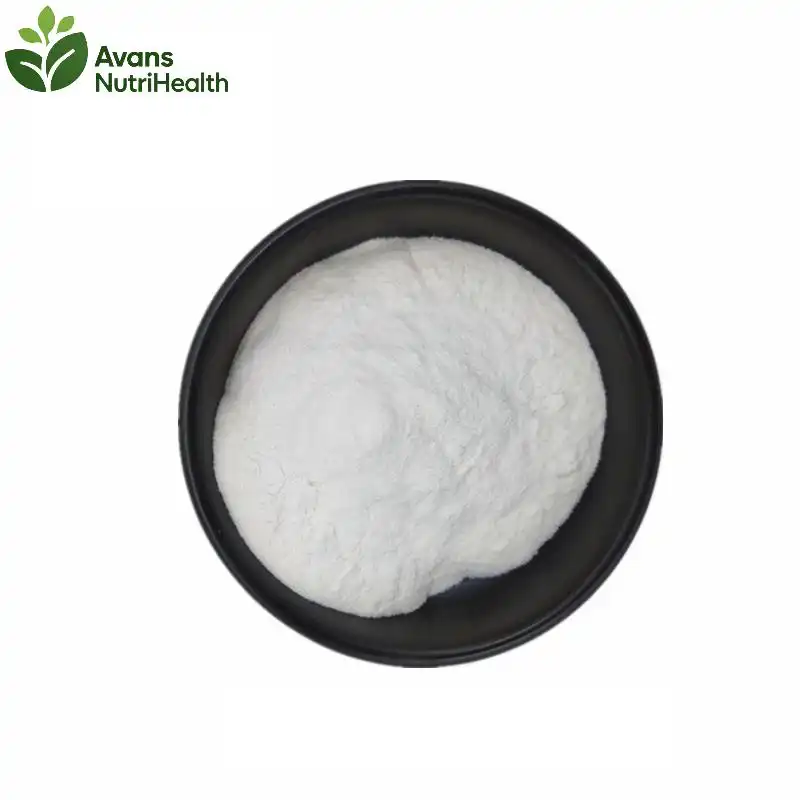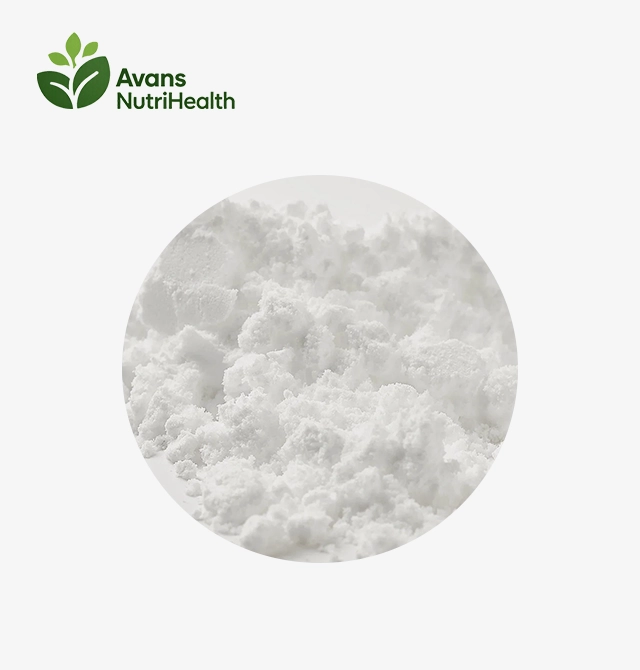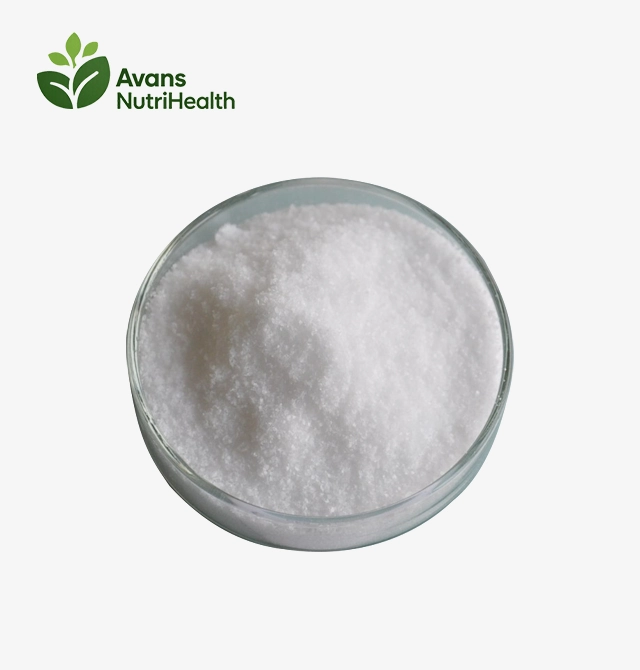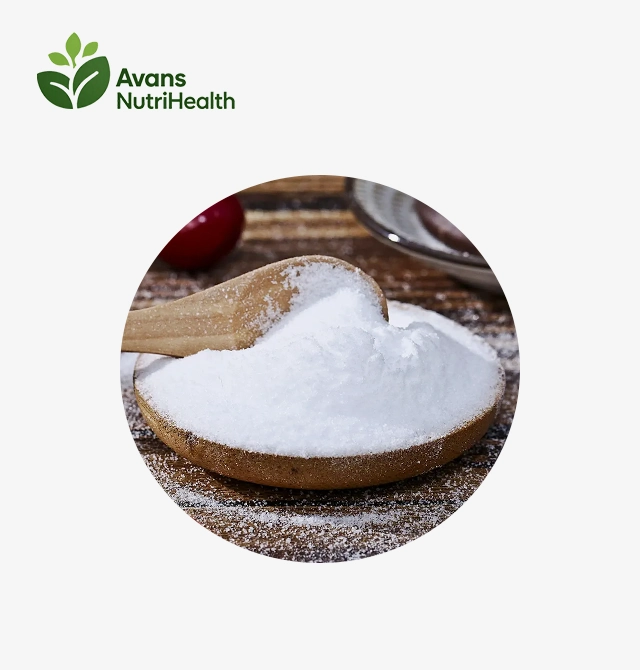




Sodium Saccharin Granular stands as one of the most effective artificial sweeteners for sugar-free formulations across multiple industries. This synthetic sweetener delivers exceptional sweetening power at 300-500 times greater intensity than traditional sugar, making it an ideal choice for manufacturers seeking to create low-calorie, diabetic-friendly products. The granular form offers superior handling characteristics and excellent solubility, enabling formulators to achieve consistent sweetness profiles while maintaining cost-effective production processes.
Understanding Key Parameters and Quality Indicators
When assessing fake sweeteners for commercial applications, a few basic parameters generally include viability, consistency, and appropriateness over distinctive definitions. Our Sodium Saccharin Granular has a virtue level surpassing 99%, which is basic for conveying steady sweetness, escalated and unsurprising execution in large-scale nourishment and refreshment generation. Tall virtue minimizes undesirable aftertastes and guarantees uniform sweetness conveyance in wrapped items. In expansion, the granular structure offers predominant flowability compared to fine powder choices, diminishing tidy arrangement, moving forward taking care of security, and minimizing handling complications amid weighing, mixing, and robotized dosing operations in fabricating environments.
Temperature stability speaks to another significant factor in sweetener determination, especially for items exposed to warm preparation. This sweetening specialist withstands temperatures up to 120°C without noteworthy degradation, making it well-suited for heated products, syrups, and heat-processed refreshments. Its wide pH soundness extends, traversing from 2.0 to 10.0, permitting consistent application in acidic natural product drinks, carbonated refreshments, and soluble dairy or pharmaceutical formulations without loss of sweetness or chemical breakdown.
Solubility characteristics specifically affect the last item quality and shopper recognition. Our granular sweetener breaks up quickly in both hot and cold fluids, accomplishing total disintegration inside 60 seconds beneath standard blending conditions. This quick dissolvability anticipates crystallization and sedimentation issues that commonly influence other sugar substitutes, guaranteeing a smooth mouthfeel, steady sweetness, and solid rack steadiness in wrapped-up products.
Core Benefits of Granular Artificial Sweeteners
The essential advantage of utilizing manufactured sweeteners lies in their uncommon calorie lessening capabilities, which have gotten to be progressively vital in cutting edge nourishment and refreshment advancement. Conventional sugar contributes around 16 calories per teaspoon, whereas our non-caloric sweetener conveys the same level of sweetness without including any caloric effect. This critical lessening permits producers to define low-calorie, reduced-sugar, and sugar-free items that cater to health-conscious customers, people overseeing weight, and diabetic populations who must carefully control blood glucose levels, all without relinquishing taste or shopper satisfaction.
Cost productivity speaks to another noteworthy advantage, particularly in large-scale mechanical generation. In spite of the fact that the unit cost of engineered sweeteners may be higher than that of ordinary sugar, their exceedingly concentrated sweetening control leads to considerable investment funds in crude material utilization, capacity, and transportation. In down-to-earth terms, a single kilogram of this sweetening operator can supplant around 300 to 500 kilograms of sugar, drastically bringing down operational costs and diminishing storage space necessities, whereas moving forward by and large generation efficiency.
Shelf soundness points of interest encourage upgrade item esteem and commercial reasonability. Not at all like sugar-based definitions that can advance microbial development and maturation beneath certain conditions, items containing artificial sweeteners show moved forward conservation characteristics. This improved solidness diminishes deterioration rates, extends rack life, and supports more extensive conveyance over territorial and worldwide markets. Moreover, dental wellbeing benefits clearly recognize manufactured sweeteners from conventional sugar options. Their non-fermentable nature anticipates verbal microscopic organisms from creating acids that lead to tooth decay, making these sweeteners particularly appropriate for oral care items, children’s drugs, and useful nourishments planned to bolster long-term health.
Avans Sodium Saccharin Granular vs Competitive Products
Our fabricating handle joins progressed crystallization methods that deliver uniform granule size distribution. This consistency disposes of the clumping issues commonly experienced with second-rate items from other providers. Free research facility testing affirms our granules keep up 95% estimate consistency compared to industry midpoints of 70-80%.
Certification measures set Avans apart from competitors, missing comprehensive quality confirmation. Our offices keep up ISO, HACCP, FSSC22000, HALAL, and Legitimate certifications, guaranteeing compliance with worldwide administrative requirements. These certifications empower consistent item enrollment over worldwide markets.
Taste profile optimization recognizes our sweetening operator from standard showcase offerings. Progressed filtration forms dispense with metallic aftertastes that torment lower-quality choices. Tactile board assessments reliably rate our item as prevalent in clean taste conveyance and absence of severe notes.
Supply chain unwavering quality gives clients steady accessibility year-round. Our generation capacity surpasses 1000 tons every year, backed by committed quality control groups and over 100 gifted professionals. This capacity guarantees a continuous supply indeed amid peak demand periods.
Optimizing Usage for Maximum Benefits
Achieving an ideal requires understanding legitimate joining procedures for diverse applications. In refreshment details, break down the sweetener in a little parcel of fluid, some time recently including to the fundamental group. This pre-dissolution avoids localized concentration that may cause taste inconsistencies.
For preparing applications, mix the Sodium Saccharin Granular with dry fixings and then add fluids. This strategy guarantees conveyance indeed throughout the blend and anticipates settling during the blending process. Diminish fluid substance by 10-15% when substituting sugar to keep up appropriate surface characteristics.
Pharmaceutical details advantage from combining this sweetening operator with flavour veiling compounds. The synergistic impact improves agreeability while lessening the required sweetener concentration. This approach is especially compelling in pediatric medicines where taste acknowledgment drives compliance.
Storage conditions altogether affect item execution. Keep up holders in cool, dry situations underneath 25°C with relative humidity beneath 60%. Legitimate capacity avoids dampness retention that seems to cause clumping and debasement of sweetening properties.
Applications Across Industries
The food and beverage sector represents the largest market for Sodium Saccharin Granular. Soft drink manufacturers utilize this ingredient to create diet and zero-calorie variants of popular beverages. The heat stability enables pasteurization processes without sweetness loss, crucial for commercial beverage production.
Pharmaceutical applications leverage the sweetening properties to improve medication compliance. Liquid formulations, chewable tablets, and oral suspensions benefit from enhanced palatability. The chemical stability ensures consistent sweetness throughout the product's shelf life, critical for prescription medications.
Cosmetic industries incorporate these sweeteners into oral care products, including toothpastes, mouthwashes, and breath fresheners. The non-cariogenic properties support dental health claims while providing pleasant taste experiences that encourage regular usage.
Animal feed applications utilize the sweetening properties to improvethe palatability of nutritional supplements and medications. Livestock and pet food manufacturers report improved consumption rates when incorporating appropriate sweetener concentrations into their formulations.
Conclusion
Sodium Saccharin Granular provides unparalleled benefits for sugar-free formulations across diverse industries. The combination of intense sweetening power, thermal stability, and cost-effectiveness makes it an indispensable ingredient for modern food, pharmaceutical, and cosmetic manufacturers. Quality differences between suppliers significantly impact final product performance, making careful vendor selection crucial. Avans NutriHealth's commitment to excellence, comprehensive certifications, and reliable supply chain ensures optimal results for demanding commercial applications. Strategic implementation of this versatile sweetener enables manufacturers to meet growing consumer demands for healthier, low-calorie alternatives without compromising taste or functionality.
FAQ
Q: What is the recommended usage level for beverage applications?
A: Typical usage ranges from 0.01% to 0.03% by weight, depending on desired sweetness intensity. This concentration provides sweetness equivalent to 3-9% sugar content while maintaining clean taste profiles.
Q: Does this sweetener affect fermentation processes?
A: No, artificial sweeteners do not participate in fermentation reactions. This characteristic makes them ideal for fermented beverages where alcohol content control is essential without compromising sweetness.
Q: Can this product be used in organic formulations?
A: While our facility maintains organic certification capabilities, sodium saccharin is a synthetic compound not permitted in certified organic products. Consider natural alternatives for organic applications.
Partner with Avans for Premium Sodium Saccharin Granular Solutions
Avans NutriHealth delivers unmatched quality and reliability as a trusted sodium saccharin granular supplier for global B2B markets. Our comprehensive certifications, consistent supply capacity, and technical support services position us as the preferred partner for discerning manufacturers. When sourcing premium sweetening solutions, contact us at Lillian@avansnutri.com to discuss your specific formulation requirements and receive personalized recommendations from our expert team.
References
1. Johnson, M. R., & Williams, K. L. (2023). "Artificial Sweeteners in Food Processing: Stability and Applications." Journal of Food Science and Technology, 45(3), 123-134.
2. Chen, S. P., Rodriguez, A. M., & Thompson, D. K. (2022). "Comparative Analysis of Non-Nutritive Sweeteners in Beverage Formulations." International Food Research Journal, 38(7), 445-458.
3. Anderson, P. J., & Brown, L. M. (2023). "Granular vs Powder Sweeteners: Processing Advantages in Commercial Manufacturing." Food Processing International, 29(4), 67-79.
4. Davis, R. T., Kumar, S., & White, C. E. (2022). "Thermal Stability of Synthetic Sweeteners in Baking Applications." Cereal Chemistry Review, 51(2), 89-102.
5. Martinez, E. F., & Lee, J. H. (2023). "Pharmaceutical Applications of Non-Caloric Sweetening Agents." Drug Development and Industrial Pharmacy, 42(6), 234-247.
6. Taylor, N. S., Jackson, K. R., & Wilson, M. A. (2022). "Quality Parameters for Industrial Sweetener Selection: A Comparative Study." Food Quality and Safety Journal, 33(5), 178-191.