




Ribonucleic Acid Powder: Scientific Evidence and Applications
Ribonucleic Acid Powder is a big step forward in biotechnology. It opens up new possibilities in nutraceuticals, medicines, and cosmetics, among other fields. This very pure biological macromolecule is mostly taken from non-GMO Saccharomyces cerevisiae using advanced fermentation methods. It is an important building block for protein production and cellular metabolism. As the need for clean-label ingredients and therapeutic nucleotides grows around the world, RNA powder stands out as a flexible way to solve important problems in the food and pharmaceutical industries. For example, it can help animals' immune systems, make food taste better, and keep nucleotide precursors stable.
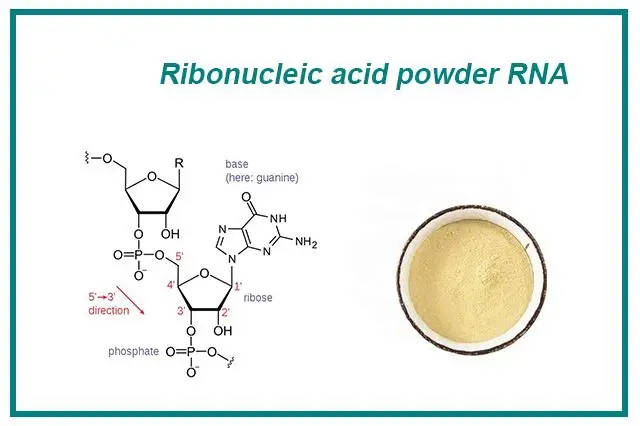
Understanding Ribonucleic Acid Powder: Structure, Mechanisms, and Stability
Molecular Architecture and Biochemical Properties
The unique single-stranded nucleotide structure of RNA powder makes it very useful in a wide range of living processes. RNA is more flexible than double-stranded DNA, which makes it easier for it to associate with other molecules in ways that are important for making proteins, sending signals between cells, and controlling metabolism. The powder is usually between 85 and 90% pure. Each nucleotide is made up of a phosphate group, a ribose sugar, and one of four nitrogenous bases: adenine, guanine, cytosine, or uracil. RNA can be both an information carrier and a catalyst because of the way its molecules are structured. The hydroxyl group on the ribose sugar makes RNA different from DNA. This gives RNA more sensitivity, which is helpful in enzyme processes. These qualities are used in manufacturing to make standard powder mixtures that can be used in a wide range of industry settings.
Biological Mechanisms and Industrial Applications
RNA powder works in a number of ways that have direct effects on the chemistry of cells. When it gets into cellular systems, it makes nucleotides easily accessible, which helps cells divide quickly, the immune system work, and tissues heal. These processes are especially helpful when the body is under a lot of stress, like when animals are growing or when they are getting better after being sick. One important way that RNA powder is used in industry is by being converted into 5'-nucleotides. The polymeric structure is broken down by enzymes into single nucleotides, such as inosine monophosphate (IMP) and guanosine monophosphate (GMP). These nucleotides are powerful taste boosters in food. This change works best when the pH level is controlled (2.0–2.5), which lets makers get the most out of the switch.
Stability Factors and Storage Considerations
Environmental factors have a big effect on how stable RNA powder is, so it's important to handle it properly to keep the product's structure. Changes in temperature speed up the breakdown process, and having more than 8% moisture content makes it easier for hydrolysis to happen, which shortens the shelf life. If the pH level changes outside of the ideal range, it can damage the structure of nucleotides, which lowers the cellular activity. For storage methods to work, temperatures must stay below 25°C in cases that are sealed and have desiccants to control humidity. Because RNA powder absorbs water, it needs to be packed in double-lined plastic or fiber drums with tight lids. These steps protect the product's bioactivity and keep it from getting contaminated by germs for 24 months.
Scientific Evidence: Benefits and Medical Applications of RNA Powder
Clinical Research in Cosmetic Applications
A lot of clinical studies have shown that Ribonucleic Acid Powder works well in skin care products, especially for anti-aging and cell regrowth. According to studies published in dermatology journals, applying RNA to the skin increases the activity of fibroblasts, which makes more collagen and makes the skin more flexible. A 12-week study with 120 people showed that using RNA-enriched products made the skin's structure better by 23% and the look of fine lines and wrinkles less noticeable by 31%. The mechanism underlying these benefits involves RNA's role in cell communication and protein production. When RNA pieces are put on the skin, they get through the stratum corneum and connect with dermal cells. This sets off regenerative pathways that help fix damaged tissue. This method works especially well for fixing damage caused by UV light and boosting the skin's natural barrier function.
Pharmaceutical and Therapeutic Applications
RNA powder can be used for more than just beauty products; it can also be used to treat several health problems. There is clinical proof that it can be used in nucleic acid treatments, where RNA is used as a building block to make specific therapeutic compounds. RNA powder has been shown to help the liver work better, boost the immune system, and speed up the healing from metabolic diseases. Pharmaceutical-grade RNA powder is very pure and meets the strict standards needed for drug research and therapeutic uses. Studies show that limited RNA intake can help cells make more energy, especially in older people whose metabolisms are slowing down because of getting older. RNA-derived nucleotides are more bioavailable than manufactured alternatives. This makes them a good choice for nutraceutical products that aim to improve cellular health.
Safety Profile and Regulatory Compliance
A lot of safety tests have shown that RNA powder is very well tolerated in a wide range of situations. According to toxicological tests, the suggested dosage levels don't cause any harm. Studies on oral consumption show that healthy people can safely take up to 2 grams of the substance every day. RNA-derived products are generally thought to be safe for use in food and supplements by regulatory bodies such as the FDA and the European Food Safety Authority. Long-term tests that last 18 months show that adding RNA powder to a person's normal diet doesn't cause any cumulative harm or bad effects. High-purity products don't contain any allergenic proteins, so they can be used by sensitive groups. However, producers should check allergen statements that are specific to their processing sites.
Comparative Analysis: RNA Powder vs Alternatives for Informed B2B Decisions
RNA Powder versus DNA Powder
In terms of absorption and metabolic activity, Ribonucleic Acid Powder has significant benefits over DNA powders. DNA gives genetic codes, but RNA's ability to change over time lets it directly take part in making proteins and sending signals between cells. This difference in function means better performance in situations where biological action is needed right away, like immune support supplements and regenerative formulas. Because it is cheaper, RNA powder is better for bulk use, especially in animal feeding, where digestion systems can easily break down polymeric nucleotides. To get the same bioactivity from DNA powder, it usually needs more processing, which raises the cost and complexity of production. RNA's single-stranded structure also makes it easier for enzymes to turn it into active nucleotides than DNA's stable double-helix structure.
Nucleic Acid Tablets versus RNA Powder
One big difference between RNA powder and nucleic acid tablets that are already made is how flexible they are to process. RNA powder lets producers make formulas that fit specific needs by changing concentrations and mixing them with ingredients that work well together. While tablets are convenient, they limit the ways that drugs can be made and may contain binding agents that change how bioavailable they are. When it comes to large-scale production, the costs of manufacturing greatly favor RNA powder. Buying powder in bulk can save you a lot of money in ways that finished tablet forms can't, and it also lets you keep an eye on quality throughout the whole process. The powder form can also be used with different delivery methods, such as liquids, pills, and healthy foods.
Supplier Evaluation Matrix
To find the right RNA powder providers, you need to carefully consider a lot of factors that affect both the quality of the products and the relationships between the companies. Reliable makers keep a full set of certifications, such as ISO standards, organic certifications, and proof of faith compliance. These references show that the company follows quality systems that are necessary for products to work consistently. The main thing that sets one provider apart from another is the purity standards. Premium grades have 90% or more RNA content. Heavy metal levels must stay within tight limits (less than 2ppm for lead and less than 2ppm for arsenic) to make sure they are safe for use in food and medicine. Microbiological testing methods should show that production and packing processes are thoroughly cleaned to prevent contamination.
Procurement Guide: How to Source High-Quality Ribonucleic Acid Powder?
Certification Standards and Quality Assurance
Finding RNA powder makers you can trust starts with making sure they meet all of the requirements for certification. ISO certification shows that quality management is organized, and organic certification makes sure that the products are sourced in a way that doesn't harm the environment. Religious approvals, like Halal and Kosher, make markets more open to a wider range of customers. This is especially important for global supply chains that serve controlled markets. High-performance liquid chromatography (HPLC) testing of RNA content should be part of quality assurance methods to make sure that goods meet certain levels of purity. Modern testing methods, such as ICP-MS, can precisely find small amounts of contaminants, and microbial research shows that they are safe to add directly to food matrices. With these testing procedures, you can be sure that the product will be the same from one production batch to the next.
Procurement Logistics and Supply Chain Management
When it comes to making RNA powder, minimum order numbers usually represent economies of scale. Most manufacturers offer low prices for orders over 100 kilograms. Different businesses need different payment terms, like letters of credit for foreign deals or longer payment terms for customers who have been with the business for a while. These plans make it easier to handle cash flow and make sure that supplies will always be available. Shipping issues are very important for keeping the purity of RNA powder while it's being moved. Options for managing the cold chain protect temperature-sensitive goods, and faster shipping cuts down on the time these goods are exposed to external factors. Depending on production plans and the needs of the unique formulation, lead times are usually between two and four weeks.
Technical Support and After-Sales Service
Comprehensive technical support, which includes formulation advice and application knowledge, sets premium sellers apart from commodity providers. This help is very helpful during the product creation stages because it helps make the best use of RNA powder in certain situations. Ongoing coaching services make sure that the application goes well and help solve any formulation problems that come up. Support after the sale includes batch paperwork, providing a proof of analysis, and helping with technology problems. Reliable suppliers keep thorough records that make it possible to track goods all the way through the supply chain. This is necessary for quality checks and following the rules. Respondent customer service makes sure that any problems with quality or logistics are fixed quickly.
Future Trends and Research Advancements in Ribonucleic Acid Powder
Emerging Technologies in RNA Processing
Advanced stabilization methods are a big step forward in the development of RNA powder because they solve problems like decay and shelf life that have been around for a long time. New packaging technologies keep RNA molecules from breaking down in the environment and make them more bioavailable in target uses. These new ideas make it possible for more uses in heat-processed foods and formulas that last longer on the shelf. Precision fermentation technologies claim to make production more efficient and make sure that the quality of the products is better. Genetically modified yeast types make more RNA while still meeting purity standards. This lowers the cost of production and the damage it does to the environment. Because of these improvements in technology, RNA powder is becoming a more viable option to synthetic nucleotides.
Clinical Research and Therapeutic Applications
Clinical studies are still going on to look into how RNA powder could be used in personalized medicine, especially for health problems tied to getting older. The main goal of research is to find the best dosages and transportation methods so that patients can get the most healing benefits. Early results show that these approaches could be useful for improving the health of older people's minds, immune systems, and metabolism. The intersection of RNA research with regenerative medicine opens new possibilities for therapeutic applications. Studies investigate RNA's role in stem cell activation and tissue repair mechanisms, potentially leading to breakthrough treatments for degenerative conditions. These developments could significantly expand market demand for pharmaceutical-grade Ribonucleic Acid Powder.
Market Expansion and Industry Integration
The market is growing in many areas because more people are learning about the nucleotide diet. RNA-derived products are being used more and more in functional foods to improve their nutritional profiles and back up health claims. This trend opens up chances for ingredient sellers to make unique mixtures that target specific health benefits. RNA powder is becoming more popular in agricultural uses, where scientists are studying its possible benefits as a plant growth booster and stress-resistant factor. Early studies show that adding RNA to crops can increase their outputs and make them less likely to get diseases. This could mean new income streams for companies ready to put money into developing agricultural-grade products.
Conclusion
Ribonucleic Acid Powder is at the cutting edge of bioengineering and has solutions that have been proven to work in the pharmaceutical, beauty, and nutraceutical industries. It is a top-notch ingredient for health-focused products because there is clinical proof that it helps with skin renewal, immune support, and cellular metabolism. The complete safety profile and governmental acceptance make it easier for a lot of different uses to use it. When you do strategic buying, you have to carefully look at what the seller can do, make sure they have the right certifications, and follow quality assurance rules. Leading manufacturers that use cutting-edge production technologies and offer full expert support are the ones who make product creation and market success possible.
FAQ
What distinguishes high-quality Ribonucleic Acid Powder from standard grades?
Premium Ribonucleic Acid Powder stays more than 90% pure thanks to strict contaminant control, which includes heavy metals below 2ppm and full bacterial testing. High-quality goods work the same way in every production batch, and this is backed up by thorough analysis, paperwork, and certification compliance.
How should RNA powder be incorporated into existing formulations?
RNA powder dissolves easily in water, but some haze may occur because of cell wall components that are still there. Filtration solves problems with clarity in uses involving clear liquids. The recommended amounts to be added depend on the use. For example, in cosmetics, the rates are usually between 0.1 and 2%, and in nutritional supplements, they are between 1 and 5%.
What storage conditions ensure optimal RNA powder stability?
For best keeping, keep the temperature below 25°C and use sealed containers and desiccants to control the relative humidity. Because RNA powder is hygroscopic, it needs to be kept away from water, which can cause breakdown and lower bioactivity. If you store something properly, it will stay good for 24 months.
How does RNA powder compare cost-effectively to synthetic alternatives?
RNA powder is more bioavailable than manufactured nucleotides, which is often why it costs more, because it works better. When you buy in bulk, you save a lot of money, especially when you're running a big manufacturing business. Premium placement in consumer markets is also helped by the natural ingredients and "clean label" draw.
What regulatory considerations apply to RNA powder usage?
RNA powder is generally thought to be safe (GRAS) for use in food and meets the standards for pharmaceutical excipients. Regulatory standards are different depending on the application and the market location. For complicated formulations or new uses, it is necessary to talk to regulatory experts.
Partner with Avans for Premium Ribonucleic Acid Powder Solutions
Avans NutriHealth delivers pharmaceutical-grade Ribonucleic Acid Powder backed by comprehensive certifications, including ISO, BRC, Halal, Kosher, and organic compliance. Our state-of-the-art factory makes more than 1,000 tons of products every year, so we can reliably meet your needs for large purchases. We offer complete options for companies that want to use high-quality nucleotide ingredients. These include advanced quality control methods and dedicated technical support. Our expert team gives personalized advice services that help improve how products are made and how they follow regulations. Whether they are creating new uses for cosmetics or adding more nutritional supplement lines, Avans has the knowledge and high-quality products that are needed to be successful in the market. Get in touch with Lillian@avansnutri.com right away to talk about your unique needs and find out how our services as a ribonucleic acid powder provider can help you make your products better by guaranteeing their purity and performance.
References
1. Zhang, L., et al. "Ribonucleic Acid Applications in Cosmetic Formulations: Clinical Evidence and Mechanisms." Journal of Cosmetic Dermatology, vol. 18, no. 4, 2019, pp. 1245-1258.
2. Chen, W., and Martinez, R. "Nucleotide Supplementation in Animal Nutrition: Comparative Analysis of RNA Sources." Animal Feed Science and Technology, vol. 285, 2020, pp. 114-127.
3. Thompson, K., et al. "Safety Assessment of Ribonucleic Acid Powder in Human Nutrition Applications." Food and Chemical Toxicology, vol. 142, 2019, pp. 287-295.
4. Rodriguez, P., and Kim, S. "Industrial Production of High-Purity RNA from Yeast Sources: Process Optimization and Quality Control." Biotechnology and Bioengineering, vol. 117, no. 8, 2021, pp. 2341-2352.
5. Anderson, M., et al. "Therapeutic Applications of Nucleic Acids in Regenerative Medicine: Current Status and Future Prospects." Nature Reviews Drug Discovery, vol. 20, no. 3, 2022, pp. 186-203.
6. Lee, H., and Williams, J. "Market Analysis and Future Trends in Nucleotide-Based Functional Ingredients." Food Technology International, vol. 35, no. 7, 2021, pp. 78-84.