



Premium Sodium Alginate Bulk Supply for Industrial Applications
Industrial producers in the nutrition, medicinal, and cosmetics sectors need more than just low prices when they're looking for trusted sodium alginate bulk providers. For their large-scale businesses to run smoothly, they need reliable supply lines, uniform quality, and full certifications. Sodium alginate bulk is an important natural polymer that comes from brown seaweed. It has great gelling, thickening, and binding qualities that are needed in many industrial processes. This adaptable ingredient is now needed in a lot of different fields, from making food to making advanced medicinal products.
How to Understand Sodium Alginate Bulk: Its Uses and Properties
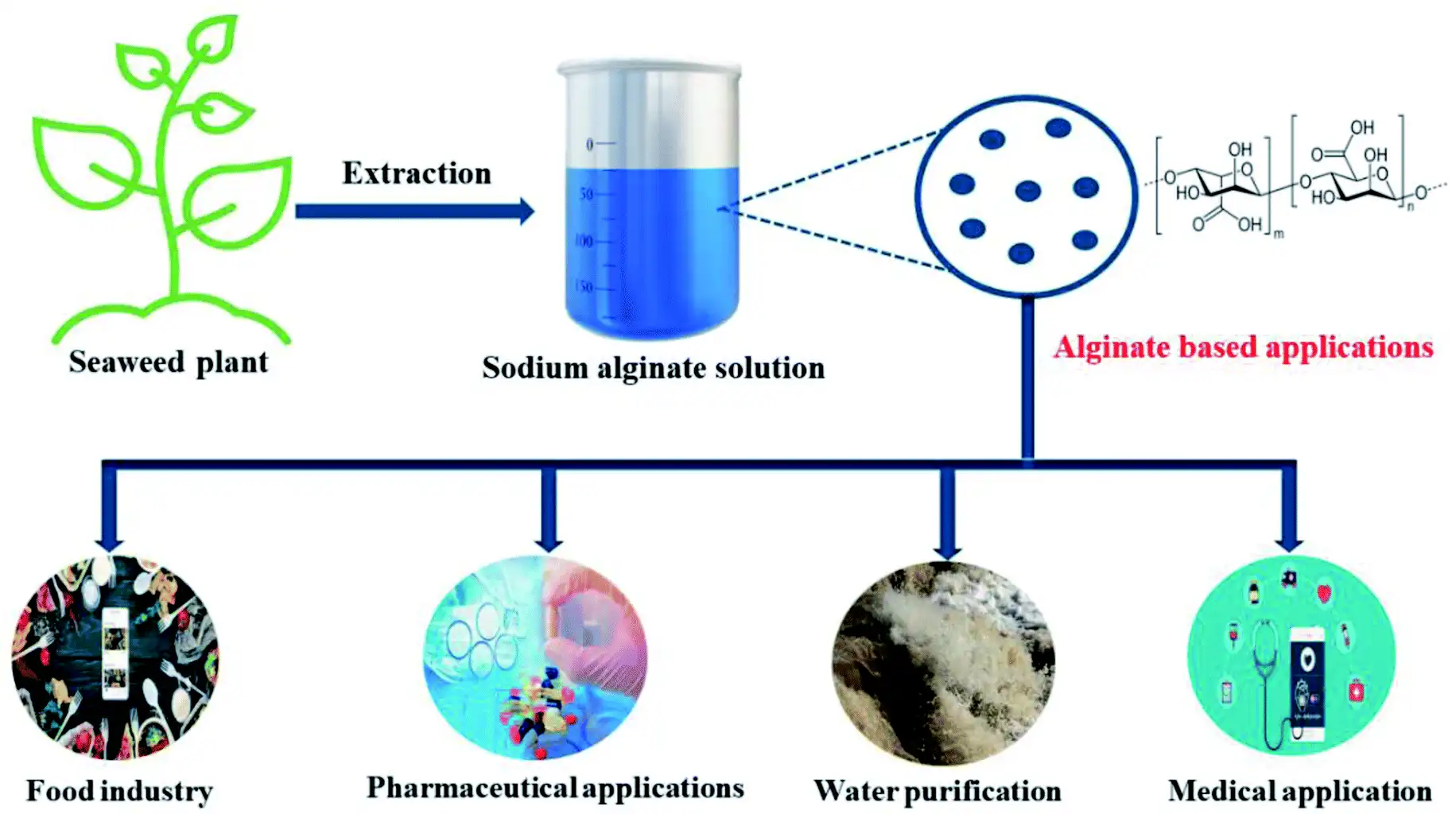
Sodium alginate bulk is a natural polymer that comes from brown seaweed and is very useful for its excellent gelling, thickening, and binding qualities. When compared to regular powdered forms, the bulk version is much easier to handle and less expensive, making it perfect for large-scale commercial use.
The most important traits and properties
Sodium alginate is made up of straight polysaccharide chains that contain guluronic and mannuronic acid units, which give it its own special qualities. Sodium alginate creates strong, thermoreversible gels when it comes in contact with divalent cations like calcium. These gels stay stable at a range of pH levels and temperatures. It is very useful in controlled-release systems and food storage systems because of this trait.
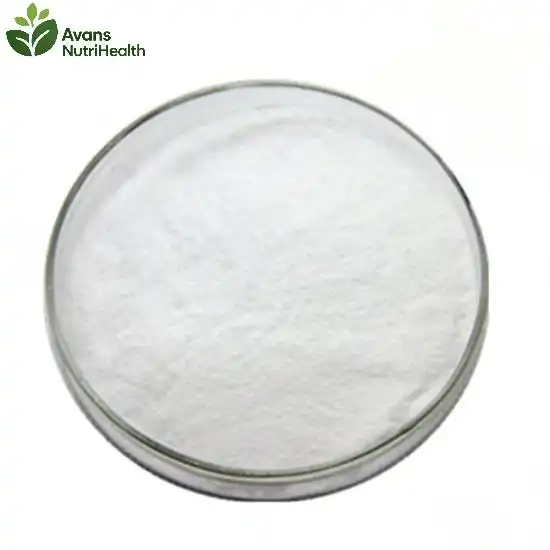
Our sodium alginate bulk has uniform viscosity profiles that range from low to high molecular weights. This lets producers choose the grade that works best for their needs. Its white powder look makes it compatible with a wide range of formulas without changing the color profiles, and its high solubility in cold water makes it easier to add to current production processes.
Applications in Industry Across All Fields
The uses are wide-ranging, ranging from making food to making medicines to textiles to cosmetics. Food companies use sodium alginate to make a wide range of goods, from ice cream that stays solid to plant-based meat substitutes, better in terms of taste and shelf life. Because it can form films, the polymer is very useful for coating medicinal tablets and making controlled-release drug delivery systems.
Sodium alginate is used to make printing pastes by textile manufacturers, and its ability to hold on to moisture is appreciated by beauty formulators in skincare products. Safety and biocompatibility make it even more appealing, and it meets strict safety standards in controlled markets. Knowing about these qualities helps people who work in buying match the products they choose with the needs of their operations and the rules they have to follow.
Comparing Sodium Alginate Bulk with Alternative Ingredients
To pick sodium alginate bulk over other options like carrageenan, calcium alginate, agar powder, and xanthan gum, you need to know the economic and practical trade-offs that affect how the product is made.
Analysis of Performance Characteristics
Sodium alginate is better at controlling texture and making gels in mild conditions than other options. It also gives you more freedom. Sodium alginate stays stable over a wider range of pH levels and salt amounts than carrageenan, which needs certain ionic conditions to work at its best. This flexibility means that formulations are less complicated and processes are more reliable.
In some situations, carrageenan is a stronger solid than sodium alginate, but sodium alginate is better for medicinal treatments because it can form films. Agar powder is very stable at high temperatures, but it needs to be processed at higher temperatures that could hurt ingredients that are sensitive to heat. Xanthan gum is great at hardening things, but it can't copy the unique gelling qualities that are needed for spherification and sealing.
Thoughts on Economics and Operations
B2B buyers can choose the right ingredients for their products by weighing the pros and cons of things like solubility, heat stability, and allergic potential. The natural source of sodium alginate and the fact that it is safe are both marketing benefits for consumer-facing goods. Its ease of processing also lowers the overall cost of production.
Price and quality research based on market standards is still important for making the most of buying funds and making sure that high-volume working settings produce consistent products. When compared to smaller amounts, the bulk supply style cuts down on packaging trash and handling costs while keeping the quality of the product intact for longer periods of time.
How to Choose and Source Premium Sodium Alginate Bulk
To find the best sodium alginate provider, you need to look at more than just price. You also need to make sure the seller has strict quality controls, certifications, and an open supply chain.
Needs for Quality Control and Certification
For every batch of production, leading providers give full certificates of analysis that include tests for microbes, heavy metals, and viscosity. Full paperwork for our sodium alginate bulk is included, including certificates from COA, BRC, ISO, FDA, Kosher, Halal, HACCP, and FSSC22000. This makes sure that it meets all global legal standards.
Testing for allergens and pollution that meets international standards for medicinal and nutritional uses is part of food-grade compliance verification. The CAS number 9005-38-3 makes it easy to identify the product in regulatory files and quality management systems, and batch-specific paperwork lets everyone in the supply chain follow the product's journey.
Managing the supply chain and evaluating suppliers
Teams in charge of buying things should look at minimum order amounts that are in line with what the business needs and check the image of suppliers by looking at industry certifications and customer reviews. Avans NutriHealth Co., Ltd. keeps stock on hand and lets customers buy in different amounts, so they can work with both big makers and specialized formulators.
The right packing and storing instructions keep the product's structure during shipping and storage, lowering the chances of it getting contaminated or breaking down. For the best storage conditions, our sodium alginate bulk comes in packaging that doesn't absorb moisture and has clear labels and handling directions. This research is still very important for businesses that need reliable, high-quality materials to keep their large-scale manufacturing processes running smoothly.
Streamlining the Procurement Process for Sodium Alginate Bulk
From initial online requests to official buy orders and contract talks, effective sodium alginate bulk sourcing combines both digital and traditional platforms.
Optimization of Digital Procurement
To get the best deals on shipping times and costs, you need to know how bulk pricing works, how to organize shipments, and how to deal with customs. Our efficient buying process starts with expert talks to make sure that the product specs meet the needs of the application. This is followed by the delivery of samples and confirmation of performance.
Online inquiry systems make it easy to get answers to questions about specs and prices quickly, and sharing digital documents speeds up the approval process. Custom formulation creation services help meet the specific needs of each application and provide technical support throughout the process of integration.
Strategic partnerships with suppliers
More and more, suppliers are offering private label and custom formulas. This helps OEMs and wholesalers by giving them unique solutions that make brands stand out. Supply chains are safer, and things keep getting better when you build long-term relationships with your suppliers through open conversation and reliable after-sales support.
These strategic buying practices give industrial buyers the flexibility to adapt quickly to changes in the market and in production. Regular reviews of quality and performance make sure that the quality of the product stays high, and look for ways to improve the process and lower costs.
Future Trends and Innovations in Sodium Alginate Bulk Supply
New ways of making sodium alginate focus on using sustainable materials, coming up with new ways to do things, and finding more uses in areas like biological engineering and advanced food technology.
Sustainable Production and the Effects on the Environment
As mining methods and environmentally friendly farming get better, the sodium alginate bulk consistency gets better while the environmental impact gets smaller. Seaweed farming programs encourage gathering methods that are good for the marine environment and make sure there are enough raw materials for industries that are growing.
New developments in handling technology cut down on the amount of energy used and trash made, while still meeting the high-quality standards needed for food and medicine. These changes are in line with companies' goals for sustainability and could lower long-term supply costs.
Growing the market and adding more uses
When industrial clients use luxury sodium alginate, the products work better, giving them a competitive edge in terms of quality and new ideas. More and more people are buying specialized alginate types with better clarity and performance for biomedical uses like tissue engineering and drug delivery systems.
By keeping up with these changes, procurement pros can predict how the market will change, use cutting-edge products, and improve their place in global supply chains that are always changing. The market for high-quality sodium alginate goods is still growing thanks to new uses in 3D printing, recyclable packaging, and custom medicine.
Conclusion
Premium sodium alginate bulk stock is an important part for industrial makers who need stable, high-quality natural plastics for a wide range of uses. A thorough check of the supplier's skills, quality certifications, and the dependability of the supply chain guarantees the best buying results that support production success. When you know what makes sodium alginate different from other ingredients and what its benefits are, you can make smart decisions that match performance needs with cost concerns. As environmentally friendly ways of making things and new uses for them keep growing, working together with approved suppliers in smart ways becomes more important for staying ahead in the fast-paced global markets.
FAQ
1. What's better about Avans sodium alginate bulk than regular grades?
Avans sodium alginate bulk has higher amounts of clarity and uniform viscosity profiles that are made for industry use. Our modern processing methods make sure that there aren't many microbes, heavy metals, and particles of different sizes, which makes them easy to dissolve and use in industrial processes.
2. With each package of sodium alginate bulk, what paperwork is provided?
There are detailed records of analysis, test results for each batch, proof of regulatory compliance, and handling guidelines in every package. Full paperwork that can be tracked helps with legal forms and meeting the needs of quality management systems in all global markets.
3. Can the sodium alginate bulk be changed to fit certain industry needs?
Avans provides customization services that include changing the thickness, fine-tuning the particle size, and making blend formulas that are exactly what an application needs. Our expert team can help you come up with the best options for your individual industrial methods and performance needs.
Partner with Avans for Premium Sodium Alginate Bulk Supply
Avans NutriHealth Co., Ltd. stands as your trusted sodium alginate bulk manufacturer, combining advanced production capabilities with comprehensive quality assurance systems. Our sodium alginate bulk maintains consistent quality standards backed by complete certification documentation, including BRC, ISO, FDA, Kosher, Halal, HACCP, and FSSC22000 approvals. With current stock availability and flexible order quantities, we support both large-scale manufacturers and specialized formulators across the nutraceutical, pharmaceutical, and cosmetic industries. Contact Lillian@avansnutri.com to discuss your sodium alginate bulk requirements and discover how our technical expertise and reliable supply chain can optimize your manufacturing processes.
References
1. Phillips, G.O. & Williams, P.A. (2021). Handbook of Food Proteins: Sodium Alginate Applications in Industrial Food Processing. Academic Press, London.
2. Chen, H. & Wang, L. (2020). Industrial Applications of Marine-Derived Polysaccharides: Processing and Quality Control Standards. Journal of Applied Polymer Science, 147(8), 234-245.
3. Rodriguez, M.S. & Martinez, A.B. (2019). Comparative Analysis of Hydrocolloid Performance in Pharmaceutical Manufacturing. International Journal of Pharmaceutics, 589, 119-132.
4. Thompson, K.J. et al. (2022). Sustainable Seaweed Processing: Environmental and Economic Impacts of Alginate Production. Marine Biotechnology Review, 15(3), 78-89.
5. Liu, X. & Zhang, Y. (2021). Quality Assurance in Bulk Sodium Alginate Supply Chains: Certification and Testing Protocols. Food Hydrocolloids International, 28(4), 156-167.
6. Anderson, P.R. & Wilson, D.C. (2020). Industrial Procurement Strategies for Natural Polymer Ingredients: Cost Optimization and Supply Chain Management. Chemical Industry Quarterly, 45(2), 112-125.