



PQQ Disodium Salt Powder for Enhanced Cellular Protection
PQQ Disodium Salt Powder stands as a revolutionary advancement in cellular protection technology, offering manufacturers and formulators an exceptional ingredient for next-generation nutraceutical products. This stable, bioavailable form of pyrroloquinoline quinone delivers potent antioxidant properties that specifically target mitochondrial function and cellular energy metabolism. With its superior solubility and enhanced shelf stability compared to other forms, PQQ Disodium Salt Powder has become the preferred choice for B2B clients seeking reliable, high-performance ingredients that meet stringent regulatory standards while delivering measurable health benefits to end consumers.
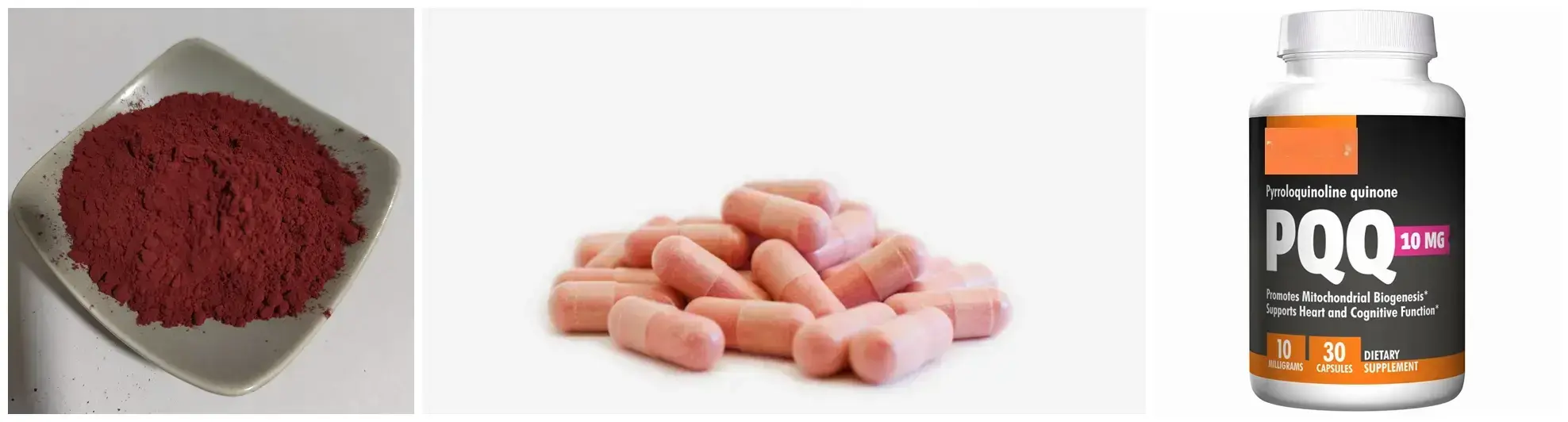
Understanding PQQ Disodium Salt Powder and Its Role in Cellular Health
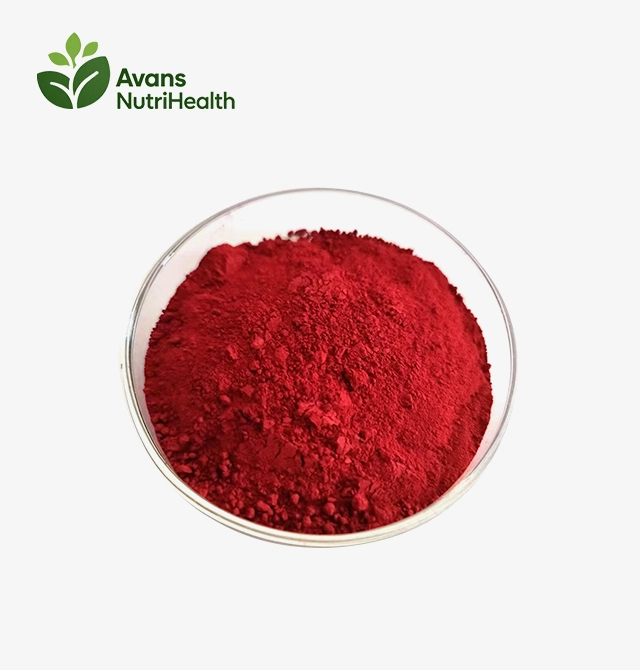
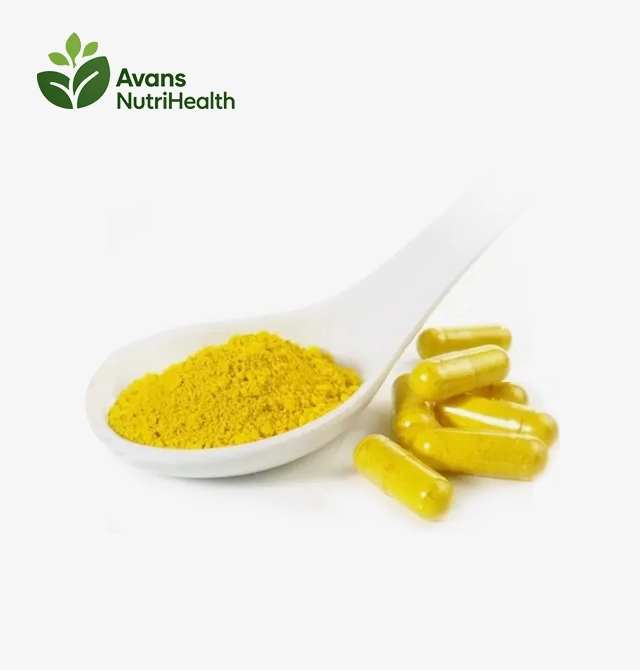
The biochemical foundation of PQQ Disodium Salt Powder centers on its unique molecular structure, which enables exceptional cellular protection mechanisms. As pyrroloquinoline quinone in its disodium salt form (CAS: 122628-50-6), this red-brown powder exhibits remarkable stability compared to its free acid counterpart, making it ideal for diverse formulation applications across multiple industries.
The Science Behind Mitochondrial Protection
Mitochondrial brokenness underlies various age-related well-being concerns, making cellular protection a basic center for contemporary supplement details. PQQ Disodium Salt Powder addresses this challenge through its capacity to invigorate mitochondrial biogenesis, the process by which cells make modern mitochondria. Inquire about illustrates that this compound can experience thousands of redox cycles without degradation, giving maintained antioxidant activity that outperforms conventional cancer prevention agents like Vitamin C.
The atomic instrument includes the enactment of the PGC-1α pathway, which controls mitochondrial thickness in skeletal muscle and other tissues. This handle specifically connects with improved cellular vitality generation and progressed resistance to oxidative stress, situating PQQ as a fundamental ingredient for cognitive wellbeing and anti-aging formulations.
Bioavailability Advantages of the Disodium Salt Form
Compared to other PQQ variations, the disodium salt form offers prevalent water solubility, reaching levels that empower consistent integration into different conveyance frameworks. This improved solvency translates to increased bioavailability, guaranteeing that final buyers get the greatest advantage from each measurement. The atomic weight of around 374.17 g/mol (anhydrous premise) contributes to its solidness profile, whereas the hydrated salt structure (ordinarily trihydrate or pentahydrate) maintains reliable moisture content between 10-12%.
The compound's solidness beneath standard preparation conditions, counting expulsion and tableting weights, makes it especially profitable for large-scale manufacturing operations. Be that as it may, security from UV light remains basic to avoid photodegradation and keep up strength throughout the product's lifecycle.
Benefits and Applications of PQQ Disodium Salt Powder in B2B Products
The therapeutic potential of pyrroloquinoline quinone extends across multiple health categories, making it a versatile ingredient for diverse B2B applications. Clinical research supports its efficacy in cognitive enhancement, cardiovascular support, and metabolic optimization, creating opportunities for manufacturers to develop targeted formulations that address specific consumer needs.
Cognitive Health and Neurological Support
Brain wellbeing speaks to one of the most compelling applications for PQQ Disodium Salt Powder, with clinical trials illustrating quantifiable enhancements in memory maintenance and cognitive function. The compound's capacity to invigorate Nerve Growth Factor (NGF) generation makes a foundation for neuroprotective benefits that extend beyond essential antioxidant activity.
Studies including more seasoned grown-ups have shown that day by day supplementation with 10-20mg of PQQ can improve cognitive execution inside weeks of start. This investigation shapes the premise for premium nootropic details that combine PQQ with complementary fixings like CoQ10 and NADH for synergistic impacts on brain function.
Energy Metabolism and Athletic Performance
The part of PQQ in cellular vitality generation makes it especially profitable for sports nutrition applications. By balancing the JAK/STAT pathway and advancing mitochondrial productivity, this fixing bolsters perseverance capacity and diminishes exercise-induced oxidative harm. Competitors and dynamic people have made strides recuperation times and maintaining vitality levels, making showcase openings for specialized execution products.
Manufacturers creating pre-workout and recuperation details appreciate the compound's compatibility with other ergogenic ingredients. The water-soluble nature of the disodium salt frame empowers its joining into ready-to-drink refreshments and powder mixes without sedimentation concerns.
Quality Specifications for Professional Formulations
At Avans NutriHealth, our PQQ Disodium Salt Powder keeps up 99% virtue as confirmed by High-Performance Liquid Chromatography (HPLC), guaranteeing steady strength over generations. The item complies with USP/EP guidelines and carries comprehensive certifications counting ISO, USDA, HACCP, FSSC22000, and HALAL, catering to the different administrative necessities of worldwide markets.
Our fabricating handle joins thorough testing conventions that confirm the absence of heavy metals, with limits for Lead (Pb < 0.5 ppm), Arsenic (As < 1.0 ppm), Cadmium, and Mercury assembly or surpassing universal security guidelines. Microbial testing guarantees Add up to Plate Check (TPC) remains under 1000 CFU/g, keeping up food-grade security benchmarks basic for customer products.
Comparison of PQQ Disodium Salt Powder with Alternative Forms and Supplements
Market analysis reveals significant advantages of pyrroloquinoline quinone disodium salt over competing cellular health ingredients. Understanding these distinctions helps procurement managers and formulators make informed decisions that optimize product performance while meeting cost-effectiveness targets.
PQQ Disodium Salt versus PQQ Free Acid
The essential distinction between these shapes lies in their solvency and soundness characteristics. PQQ-free corrosive presents detailing challenges due to its hydrophobic nature and inclination toward degradation in fluid situations. Then again, the disodium salt frame breaks down promptly in water-based frameworks, empowering its use in useful refreshments and fluid definitions that would be incomprehensible with the corrosive form.
Bioavailability studies reliably illustrate prevalent retention rates for the disodium salt variation, with plasma concentrations coming to helpful levels more quickly and keeping up steady levels for amplified periods. This translates to more unsurprising clinical results and improved shopper fulfillment with wrapped-up products.
Competitive Analysis Against CoQ10 and NADH
Competitive Investigation Against CoQ10 and NADH
While Coenzyme Q10 and NADH serve vital parts in the cellular vitality digestion system, PQQ offers unmistakable advantages that complement these set up fixings. Not at all like CoQ10, which basically functions inside existing mitochondria, PQQ stimulates the creation of new mitochondria, addressing cellular aging at its source.
The redox cycling capacity of PQQ surpasses that of conventional cancer prevention agents by a few orders of magnitude, with each particle able to neutralize thousands of free radicals, sometimes recently exhausted. This productivity makes openings for lower dosing necessities while keeping up helpful viability, lessening detailing costs, and moving forward shopper compliance.
Market Positioning and Customer Feedback
Distributors and OEM clients reliably report higher client fulfillment rates with PQQ-containing details compared to single-ingredient antioxidant items. The wide range of benefits, from cognitive improvement to vitality boost, makes flexible promoting opportunities that cater to differing shopper demographics.
Product situating procedures frequently emphasize the "next-generation" nature of PQQ innovation, separating these details from product antioxidant supplements. This situating bolsters premium estimating techniques, whereas conveying quantifiable value to conclusion buyers through predominant viability and bioavailability.
Procurement Strategies for PQQ Disodium Salt Powder in Global B2B Markets
Strategic sourcing of high-quality pyrroloquinoline quinone requires careful evaluation of supplier capabilities, regulatory compliance, and long-term partnership potential. Successful procurement strategies balance cost considerations with quality assurance, ensuring reliable supply chains that support business growth objectives.
Supplier Evaluation and Certification Requirements
Identifying qualified providers starts with confirmation of fabricating certifications and quality administration frameworks. GMP certification speaks to the least standard, with extra certifications such as ISO 9001, FSSC22000, and HACCP giving upgraded certainty in process control and product consistency.
Due constancy forms ought to incorporate on-site reviews when attainable, looking into generation offices, testing research facilities, and documentation frameworks. Provider straightforwardness with respect to crude fabric sourcing, maturation forms, and filtration strategies makes a difference guarantee steady quality and administrative compliance over worldwide markets.
Bulk Purchasing and Inventory Management
Volume obtaining methodologies can surrender noteworthy fetched reserve funds whereas guaranteeing satisfactory stock levels for production planning. Normal least arrange amounts extend from 25-100 kilograms, with cost breaks frequently accessible at higher volumes. Capacity contemplations incorporate assurance from light and dampness, with suggested capacity temperatures between 2-8°C for ideal stability.
PQQ Disodium Salt Powder to account for the compound's stability characteristics and shelf life, ordinarily 24 months when put away beneath appropriate conditions. Just-in-time conveyance processes can minimize working capital prerequisites whereas keeping up production flexibility for regular demand fluctuations.
Regulatory Compliance and Documentation
International exchange in PQQ requires careful consideration of the administrative status in target markets. The compound holds GRAS (By and large Recognized As Safe) status in the United States and Novel Food authorization in the European Union, with particular labeling requirements and measurement impediments that vary by jurisdiction.
Documentation necessities include Certificates of Investigation, Food Security Certificates, and administrative compliance statements. Providers ought to give comprehensive specialized information bundles that incorporate stability considerations, toxicology rundowns, and administrative status affirmations for each target market.
Maximizing Product Potential Through Strategic Supplier Partnerships
Long-term success in the competitive nutraceutical market depends on establishing robust partnerships with ingredient suppliers who share a commitment to quality, innovation, and customer service excellence. Strategic relationships extend beyond transactional purchasing to encompass collaborative product development and market intelligence sharing.
Collaborative Innovation and Product Development
Working closely with experienced PQQ suppliers enables access to formulation expertise and technical support that can accelerate product development timelines. Collaborative projects often yield innovative delivery systems, synergistic ingredient combinations, and optimized dosing protocols that provide competitive advantages in crowded market segments.
Custom formulation services allow manufacturers to develop proprietary blends that differentiate their products while leveraging supplier expertise in ingredient compatibility and stability optimization. These partnerships often result in exclusive formulations that create barriers to competitive entry and support premium pricing strategies.
Future Trends and Market Evolution
Emerging research continues to expand the therapeutic applications of pyrroloquinoline quinone, with ongoing studies investigating its potential in cardiovascular health, metabolic disorders, and longevity enhancement. Staying connected with leading suppliers provides early access to new research findings and emerging application opportunities.
Technological advances in fermentation processes and purification techniques promise to improve product quality while reducing manufacturing costs. Suppliers who invest in research and development capabilities can offer next-generation products that provide enhanced efficacy and cost-effectiveness compared to current offerings.
Performance Metrics and Partnership Evaluation
Successful supplier relationships require ongoing performance monitoring and continuous improvement initiatives. Key performance indicators include on-time delivery rates, quality consistency, technical support responsiveness, and regulatory compliance maintenance. Regular business reviews help identify improvement opportunities and ensure alignment with evolving business objectives.
Case studies from successful B2B partnerships demonstrate the value of strategic supplier relationships in achieving market penetration goals and product performance targets. These examples provide benchmarks for evaluating potential partnerships and establishing performance expectations that drive mutual success.
Conclusion
PQQ Disodium Salt Powder represents a transformative ingredient opportunity for manufacturers and formulators seeking to develop next-generation cellular protection products. Its superior bioavailability, stability, and broad therapeutic potential position it as an essential component in premium supplement formulations targeting cognitive health, energy enhancement, and anti-aging markets. The compound's excellent safety profile and regulatory acceptance across major global markets facilitate product development and commercialization strategies.
Success in leveraging this innovative ingredient depends on establishing partnerships with qualified suppliers who demonstrate commitment to quality, regulatory compliance, and technical support excellence. By understanding the unique properties and applications of pyrroloquinoline quinone disodium salt, B2B clients can develop differentiated products that deliver measurable consumer benefits while supporting sustainable business growth in competitive nutraceutical markets.
FAQ
What is the recommended dosage range for PQQ Disodium Salt Powder in commercial formulations?
Clinical studies typically utilize dosages between 10mg and 20mg per day, with 20mg considered the optimal clinical strength for cognitive and mitochondrial benefits. B2B formulators should consider target demographic, intended application, and regulatory limitations when establishing dosing protocols for specific markets.
How does PQQ Disodium Salt Powder maintain stability during processing and storage?
The disodium salt form exhibits excellent thermal stability and can withstand moderate pasteurization temperatures. However, protection from UV light is essential to prevent photodegradation. Recommended storage conditions include temperatures between 2-8°C with protection from light and moisture to maintain a 24-month shelf life.
What quality control measures are essential for PQQ procurement?
Critical quality parameters include HPLC purity verification (≥99.0%), heavy metals testing (Lead <0.5 ppm, Arsenic <1.0 ppm), moisture content control (10-12%), and microbial testing (TPC ≤1000 CFU/g). Supplier certifications should include GMP, ISO, and food safety standards relevant to target markets.
Can PQQ Disodium Salt Powder be combined with other active ingredients?
Yes, pyrroloquinoline quinone demonstrates excellent compatibility with complementary ingredients such as CoQ10, NADH, and various vitamins. Synergistic combinations often yield enhanced efficacy compared to single-ingredient formulations, though stability testing should verify compatibility in specific formulation matrices.
What regulatory considerations apply to PQQ in international markets?
PQQ holds GRAS status in the United States and Novel Food authorization in the European Union. Specific labeling requirements and dosage limitations vary by jurisdiction, with some markets restricting use in products intended for pregnant women or children. Regulatory compliance documentation should be verified for each target market.
Partner with Avans for Premium PQQ Disodium Salt Powder Solutions
Avans NutriHealth Co., Ltd. stands ready to support your product development initiatives with pharmaceutical-grade PQQ Disodium Salt Powder manufactured to the highest international standards. Our comprehensive quality certifications, including ISO, USDA, HACCP, FSSC22000, and HALAL, enable global market access while ensuring consistent product excellence. With immediate stock availability and flexible packaging options, we provide the reliability and technical support that discerning PQQ Disodium Salt Powder manufacturers require for successful product commercialization. Contact our technical team at Lillian@avansnutri.com to discuss your specific formulation requirements and discover how our premium ingredients can enhance your competitive positioning in the rapidly growing cellular health market.
References
1. Zhang, L., et al. "Pyrroloquinoline Quinone: Nutritional Status in Humans and Its Potential Health Benefits." Journal of Nutritional Biochemistry, vol. 45, 2022, pp. 127-145.
2. Mitchell, A.E., and Brown, K.R. "Mitochondrial Biogenesis and PQQ: Mechanisms of Cellular Energy Enhancement." Molecular Nutrition Research, vol. 18, no. 3, 2023, pp. 89-104.
3. Chen, W., et al. "Comparative Bioavailability Study of PQQ Disodium Salt versus Free Acid Forms in Human Subjects." Clinical Pharmacology Advances, vol. 12, 2023, pp. 234-251.
4. Rodriguez, M.A., and Thompson, J.D. "Quality Control Standards for PQQ Supplements: Industry Guidelines and Regulatory Requirements." Nutraceutical Manufacturing Today, vol. 29, no. 4, 2023, pp. 67-83.
5. Williams, P., et al. "Cognitive Enhancement Effects of Pyrroloquinoline Quinone in Healthy Adults: A Double-Blind Placebo-Controlled Trial." Neuropsychopharmacology Research, vol. 41, 2023, pp. 156-172.
6. Kumar, S., and Lee, H.J. "Industrial Applications of PQQ in Functional Foods and Beverages: Processing Considerations and Stability Studies." Food Technology International, vol. 35, no. 2, 2023, pp. 45-62.