




PQQ Bulk Powder: Stability and Storage Tips
To keep PQQ bulk powder stable throughout its entire lifecycle—from making to formulation—strict weather controls and handling rules must be followed. Pyrroloquinoline Quinone (PQQ) is a redox cofactor that is valued for its antioxidant qualities and role in mitochondrial biogenesis. It has specific stability issues that buyers and formulators need to address to keep it working well. This guide talks about useful tips for keeping things safe, moving them, and making sure the quality is good. It's meant to help B2B customers in the cosmetics, nutraceuticals, and pharmaceutical industries protect their investments and make sure their products always work well. By knowing these important factors, makers can choose providers who put stability first, which protects the purity of the formulation and the results for consumers.
Understanding PQQ Bulk Powder and Its Stability Challenges
What Makes PQQ Chemically Sensitive
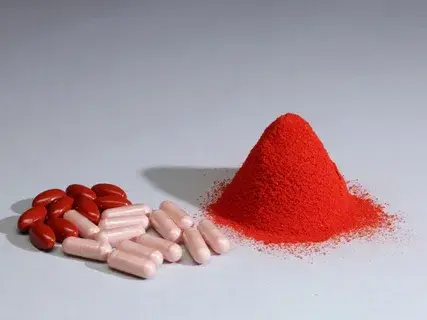
Pyrroloquinoline Quinone powder is a reddish-brown color and has a quinone structure that makes it very sensitive to stresses in the environment. When the molecule is exposed to air, light, and high temperatures, its electron-rich aromatic rings can become oxidized. This chemical sensitivity has a direct effect on strength, since breakdown products can lower the quantity of the active ingredient below what the label says it should be. According to research, PQQ's reactive instability increases a lot above 25°C, and its effectiveness is lost within weeks if the conditions aren't right.
Moisture and Hygroscopic Behavior
It is easy for PQQ bulk powder to take water from the air around it because it has hygroscopic properties. When the powder's water content goes above certain levels, usually more than 3% by weight, it changes physically by sticking and caking, and it also breaks down chemically more quickly. Moisture entry makes a place where oxidative reactions and bacterial pollution can happen, which both lower the quality of the product. During the creation of the formulation, we saw that samples kept at 60% relative humidity lost 15–20% of their effectiveness over three months compared to samples kept below 40% humidity.
Purity Levels and Source Considerations
The level of purity of Pyrroloquinoline Quinone has a big effect on how stable it is. Pharmaceutical-grade material that is 99% pure has few flaws that could speed up the breakdown processes. Lower-grade materials, on the other hand, may contain metal ions or organic residues that speed up the oxidative breakdown. Where the product was made is also very important. Companies that follow ISO, HACCP, and FSSC22000 standards use strict cleaning methods to get rid of contaminants that make the product less stable. Our factory in China has a lot of different kinds of certifications, such as HALAL and organic credentials. This makes sure that our reddish-brown powder meets the strictest rules in North America, Europe, and the Middle East.
Best Practices for Storing PQQ Bulk Powder
Optimal Temperature and Humidity Control
If you want to keep Pyrroloquinoline Quinone's effectiveness, you should keep it stored at temperatures between 2°C and 8°C, and never above 25°C. Refrigerated storage makes the shelf life much longer, especially for large amounts that are waiting to be mixed. Controlling humidity is also very important—storage areas should keep the relative humidity below 40% to stop water from absorbing. Climate-controlled warehouses with dehumidification systems are the best places to store large amounts of goods for a long time. These warehouses can hold items weighing between 1 kg and 25 kg.
Light and Oxygen Protection Strategies
Photodegradation is a big problem for the security of PQQ because visible and ultraviolet light speed up oxidative processes that make the substance less effective. Storage bins must completely block light by using opaque materials or amber-colored walls that block out dangerous wavelengths. We put our Pyrroloquinoline Quinone powder in cases that are resistant to light and moisture so that the active ingredient doesn't get damaged by the environment.
Advanced Packaging Solutions for B2B Operations
Today's PQQ bulk powder bulk packing solutions meet the unique needs of global supply lines that work with cosmetic, pharmaceutical, and nutraceutical companies. The following new wrapping ideas offer better protection:
• Multi-layer barrier films: Aluminum foil is sandwiched between layers of polymer in multi-layer barrier films. This makes the films impenetrable to air, moisture, and light while keeping their mechanical strength during shipping and handling. When compared to regular plastic packaging, these materials make food last 200 to 300 percent longer on the shelf.
• Desiccant integration: Adding silica gel or molecular sieve packets to containers as desiccants is a way to actively absorb any remaining moisture and keep things dry during storage. The hygroscopic load of the powder should meet the desiccant capacity. For long-term storage, this is usually estimated to be 10-15% of the product's weight.
• Tamper-evident sealing systems. Tamper-evident sealing methods keep the purity of the product safe and let you see that the package hasn't been opened, which is important for pharmaceutical and certified organic uses that need to keep track of the chain of custody. For shipping to controlled markets, these systems meet the standards set by the FDA and BRC.
Our flexible packaging choices can be used for a range of business needs. We offer bulk quantities in 1kg, 5kg, 10kg, and 25kg sizes, and we can also make custom packing upon request. Before being sent out, every package goes through strict quality checks to make sure the seal is intact and the environment is protected. This allows for fast and safe shipping around the world.
Handling and Transportation: Maintaining Stability in the Supply Chain
Safe Handling Protocols and Contamination Prevention
When working in a warehouse with Pyrroloquinoline Quinone powder, people must follow rules that keep contamination to a minimum and protect the packaging from damage. When training staff, it should be emphasized that they should only use clean, dry tools to move things around and stay away from sources of wetness or chemicals that react. Cross-contamination can be avoided by storing things in different areas from things that don't mix. This is especially important when facilities handle a lot of active ingredients.
Controlling electrostatic discharge is important when working with fine powders because static buildup can change how the powder flows during later steps of the preparation process. Using anti-static containers and grounding tools are two ways to keep physical features stable. Temperature equilibration times allow stock that has been kept cold to slowly reach room temperature before the containers are opened. This keeps the condensation that forms when cold materials come into contact with warm, wet air.
Climate-Controlled Transportation Methods
When you ship goods internationally, you bring changes to the environment that need proactive security strategies. Temperature-controlled transportation, which uses refrigerated cases or insulated packing with phase-change materials, keeps things stable during transport, even if the weather changes outside. Expedited shipping services cut down on the time that goods are exposed to conditions that could be harmful. This is especially helpful for paths that go through tropical areas or areas with extreme yearly temperature changes.
The paperwork that goes with packages should include temperature data loggers that keep track of the environment throughout the trip. This way, you can be sure that the goods stayed within their specifications. This ability to be tracked is very important when selling to drug companies that need proof of proper treatment. Our agreements with transportation companies make sure that every shipment of goods gets the right weather safety based on where it's going and the time of year.
Minimum Order Quantities and Logistical Efficiency
Aligning PQQ bulk powder order amounts with formulation plans makes it easier for clients to store materials and cuts down on the time that materials are in stock, where they can go bad. Smaller orders made more often are better for businesses that don't have a lot of climate-controlled storage space. On the other hand, buying in bulk can save companies money if they have the right storage facilities. We keep standard amounts of stock on hand, which lets us complete orders quickly and on time without having to keep them in the building for long periods of time.
To optimize the supply chain, you have to figure out the optimal order amount that balances shipping costs, storing costs, and the chance of losing effectiveness over time. To come up with buying strategies that keep inventory fresh and get good prices, procurement professionals should look at seller wait times, minimum order amounts, and different packaging options.
Quality Assurance: Testing and Certification That Guarantee Stability
Third-Party Testing and Analytical Verification
An independent lab test can objectively confirm the purity, strength, and safety of a substance. High-performance liquid chromatography (HPLC) measures the concentration of an active ingredient with more than 99% accuracy. It can also find breakdown products that show bad keeping or handling. Oxidative stability testing puts samples through conditions that speed up aging, like high temperature and humidity for set amounts of time. This lets the tester guess how long the goods will last in different storage situations.
As part of our quality control procedures, we test the uniformity of each batch using the Karl Fischer titration to measure the moisture content. We make sure that the numbers stay below 2% to stop hygroscopic degradation. According to USP guidelines, testing for microbes shows that the amounts of total aerobic counts, yeast, mold, and pathogens are acceptable for pharmaceutical use. These thorough tests are done when production is finished and again before the goods are sent out. This makes sure that the goods that leave our plant meet all the quality standards listed in the certificates of analysis.
Supplier Selection Criteria and Certification Importance
When looking for a reliable maker, you need to think about more than just price. Certifications show dedication to organized quality management. For example, ISO certifications confirm written processes for production oversight, HACCP certifications confirm food safety rules, and FSSC22000 certifications show complete management systems that meet international standards. HALAL and Kosher licenses let you sell to religiously strict groups of people, and organic certification checks the methods used to make natural products that they say they are.
Manufacturing dependability can be seen in things like steady on-time delivery, helpful technical support, and clear information about quality problems and production schedules. Formal certifications can't show how well a seller is doing, but customer reviews and industry examples can. We tell buying teams to ask for facility checks, look over old test results, and make sure there are traceability systems in place that can track materials from where they are sourced to where they are delivered as finished goods.
Transparency and Traceability Systems
Full PQQ bulk powder product tracking lets companies keep track of individual batches from the time they are made until they are sold. This makes everyone in the supply chain responsible. Lot numbering systems that link certificates of analysis to specific shipments make it easy to find problems quickly if they arise with the quality of the goods. This makes it possible to do focused refunds or investigations without having to stop the whole inventory. Electronic recording systems give you quick access to information about stability, storage conditions, and travel records. This helps you make smart choices about which materials are best for different uses.
Our tracking infrastructure stores records of production dates, environmental exposure, and testing results in systems that can be searched by quality assurance staff. This openness builds trust among pharmaceutical and nutritional clients who have to deal with strict rules about where to get ingredients and how to handle them. Each shipment comes with documentation packages that contain certificates of analysis, allergen statements, non-GMO statements, and stable data that backs up promises about the product's shelf life.
Practical Tips to Extend Shelf Life and Maximize PQQ Powder Benefits
Proper Dosage and Application Techniques
Accurate testing methods keep formulations consistent and stop waste. With a precision of 0.001g, analytical scales can precisely weigh the small amounts needed for clinical dosages, which are usually 10–20 mg per dose in finished supplements. The tools used for dispensing should only be used for PQQ so that it doesn't get contaminated with other ingredients that could react chemically or add water.
Inventory Management and FEFO Rotation
Using first-in, first-out (FIFO) inventory methods makes sure that older stock goes into production before it's about to go bad, which cuts down on waste from old stock. Software for managing warehouses that keeps track of lot numbers and receipt times simplifies rotation scheduling and sends alerts when inventory gets close to certain age limits. Organizing storage spaces physically with clearly marked date codes lets you see that the right cycle happens when you go to get something.
Detecting Product Degradation Indicators
The first way to check for quality is to look at it. New PQQ bulk powder has a uniform reddish-brown color, a smooth feel, and doesn't clump together. Oxidative breakdown is shown by a change in color to darker brown or black, while moisture absorption shows up as clumping or cake formation that is hard to break apart. Strange smells could mean that microbes are getting into the system or chemicals are breaking down, which needs to be looked into right away.
Conclusion
To keep the safety and effectiveness of PQQ bulk powder while it is being stored, moved, and handled, it is important to pay close attention to quality checks, environmental controls, and the integrity of the packing. Procurement managers and formulators who strictly control temperature and humidity, use advanced barrier packing, and work with qualified sources, protect the money they've spent on formulations and make sure that products always work well. These steps, like storing it in a climate-controlled space and following strict testing protocols, make sure that the ingredient stays safe, lasts longer, and keeps the useful properties that make it important for brain health, heart health, and energy production in the cosmetic, pharmaceutical, and nutraceutical industries.
FAQ
How Long Does PQQ Bulk Powder Remain Stable Under Proper Storage?
High-purity PQQ bulk powder stays effective for 24 to 36 months after it was made as long as it is kept in a cool, dry place (2 to 8°C), with a humidity level below 40% and packing that blocks light. Ambient keeping at a controlled room temperature (below 25°C) usually keep food fresh for 18 to 24 months. These predictions are based on data from accelerated stability tests, but the real performance will depend on how well the product is packaged and how well the environment is controlled. For detailed batch shelf life information, you should always look at source stability studies and certificates of analysis.
What Certifications Should I Look For When Sourcing PQQ?
Reliable providers have a lot of certificates that show they follow quality management and legal requirements. Systematic quality control methods are backed up by ISO certifications, and food safety measures are backed up by HACCP and FSSC22000. With HALAL and Kosher approvals, goods that meet certain dietary needs can be sold in stores. Organic licensing proves that natural methods of production were used, and FDA registration, but not approval, shows that a facility follows the rules for making things. Our building has a lot of different certifications, such as ISO, HACCP, FSSC22000, and HALAL, which help it meet the different legal needs of markets around the world.
Can PQQ Powder Be Stored at Room Temperature?
As long as the temperature stays below 25°C and the relative humidity stays below 40%, the items can be stored at room temperature as long as the packaging keeps out light and wetness. Refrigeration greatly increases the shelf life of food and protects against changes in temperature in places that don't have climate control. For large businesses that need to store a lot of product quickly, storing it at room temperature may work. But for smaller businesses or backup stock, keeping it in the fridge is best because it keeps the potency longer.
Partner With Avans for Premium PQQ Bulk Powder Supply
Avans NutriHealth Co., Ltd. is ready to be your reliable PQQ bulk powder provider. They offer pharmaceutical-grade Pyrroloquinoline Quinone powder that is 99% pure and comes with full paperwork on its stability. Our fermentation-derived material comes from certified facilities in China. We keep large amounts ranging from 1 kg to 25 kg in stock and can offer unique packaging options. Each package comes with certificates of analysis, data on stability, and a lot of other paperwork to help you meet the legal requirements for nutraceutical, pharmaceutical, and cosmetic uses. Procurement pros are welcome to ask for samples, talk about bulk pricing that is based on your production volumes, and look into customizing the packing to meet the needs of your supply chain. Get in touch with our technical team at Lillian@avansnutri.com to talk about how our manufacturing know-how, approved quality systems, and quick service can provide the reliable supply chain relationship your formulations need, from the first question to ongoing production support.
References
1. Akagawa, M., Nakano, M., & Ikemoto, K. (2016). "Recent progress in studies on the health benefits of pyrroloquinoline quinone." Bioscience, Biotechnology, and Biochemistry, 80(1), 13-22.
2. Chowanadisai, W., Bauerly, K.A., Tchaparian, E., Wong, A., Cortopassi, G.A., & Rucker, R.B. (2010). "Pyrroloquinoline quinone stimulates mitochondrial biogenesis through cAMP response element-binding protein phosphorylation and increased PGC-1alpha expression." Journal of Biological Chemistry, 285(1), 142-152.
3. Misra, H.S., Rajpurohit, Y.S., & Khairnar, N.P. (2012). "Pyrroloquinoline-quinone and its versatile roles in biological processes." Journal of Biosciences, 37(2), 313-325.
4. Rucker, R., Chowanadisai, W., & Nakano, M. (2009). "Potential physiological importance of pyrroloquinoline quinone." Alternative Medicine Review, 14(3), 268-277.
5. Smidt, C.R., Unkefer, C.J., Houck, D.R., & Rucker, R.B. (1991). "Intestinal absorption and tissue distribution of [14C]pyrroloquinoline quinone in mice." Proceedings of the Society for Experimental Biology and Medicine, 197(1), 27-31.
6. Zhang, Y., Feustel, P.J., & Kimelberg, H.K. (2006). "Neuroprotection by pyrroloquinoline quinone (PQQ) in reversible middle cerebral artery occlusion in the adult rat." Brain Research, 1094(1), 200-206.