




Polyphenol Powder Benefits: Why Is It So Popular?
In the global B2B market today, polyphenol powder has become one of the most sought-after natural products. Green tea, apples, berries, and other plants high in polyphenols are used to make this pure herbal extract. It contains powerful antioxidants. Its rising success is because it has been scientifically proven to be good for you, can be used in a lot of different industries, and more and more people want pure, functional ingredients. Purchasing managers and formulators know that adding high-quality polyphenol extracts meets important market needs like antioxidant protection, metabolic support, anti-aging qualities, and natural storage abilities. For makers looking to gain a competitive edge in nutraceutical, cosmetic, and functional food formulations, polyphenol powder is a crucial ingredient due to its potent mix of usefulness, safety, and customer appeal.
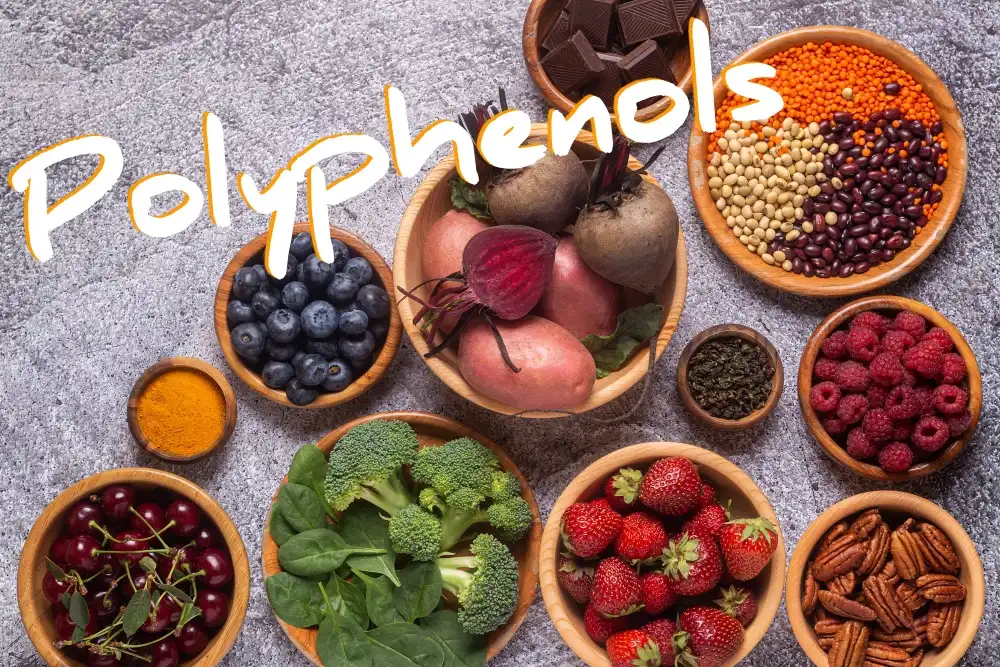
Understanding Polyphenol Powder: Composition and Sources
In order to make polyphenol powder, bioactive chemicals from carefully chosen plant sources are concentrated using complex extraction methods. Green tea leaves are used to make tea polyphenol powder, which is one of the most researched types. It has a lot of catechins, especially Epigallocatechin Gallate (EGCG). Apple polyphenol powder has a unique makeup because it contains more Oligomeric Procyanidins (OPCs), Chlorogenic Acid, Phloridzin, and Phloretin. Based on UV spectroscopy and HPLC measurement, these concentrated liquids usually reach standard levels of between 50% and 80% total polyphenols.
Primary Botanical Sources and Their Unique Profiles
The best place to get catechin-rich polyphenols is from green tea, which has ORAC values that are much higher than those of regular antioxidants and is great at getting rid of free radicals. Apple extracts contain substances that help control metabolism and are especially good at reducing abdominal fat and keeping blood sugar in check.
Chemical Classification and Bioactive Mechanisms
Polyphenols are broken down into several categories that determine how biologically active they are. Flavonoids, which include flavonols, flavones, flavanones, and anthocyanins, make up the biggest group. Phenolic acids, like gallic acid and chlorogenic acid, work with antioxidants in a balanced way. Stilbenes, like resveratrol, have special effects on the heart and help people live longer.
Comparative Analysis with Other Antioxidant Ingredients
When compared to vitamin C, vitamin E, and man-made antioxidants, polyphenol powder is more stable in some situations and works in a wider range of ways. Unlike vitamin C, which dissolves in water, and vitamin E, which dissolves in fat, polyphenols are amphipathic, which means they can work in both water and fat. Compared to resveratrol by itself, polyphenol blends work better by working with more than one route. This multifunctional profile makes formulations easier to make and more effective at the same time.
Proven Health Benefits of Polyphenol Powder
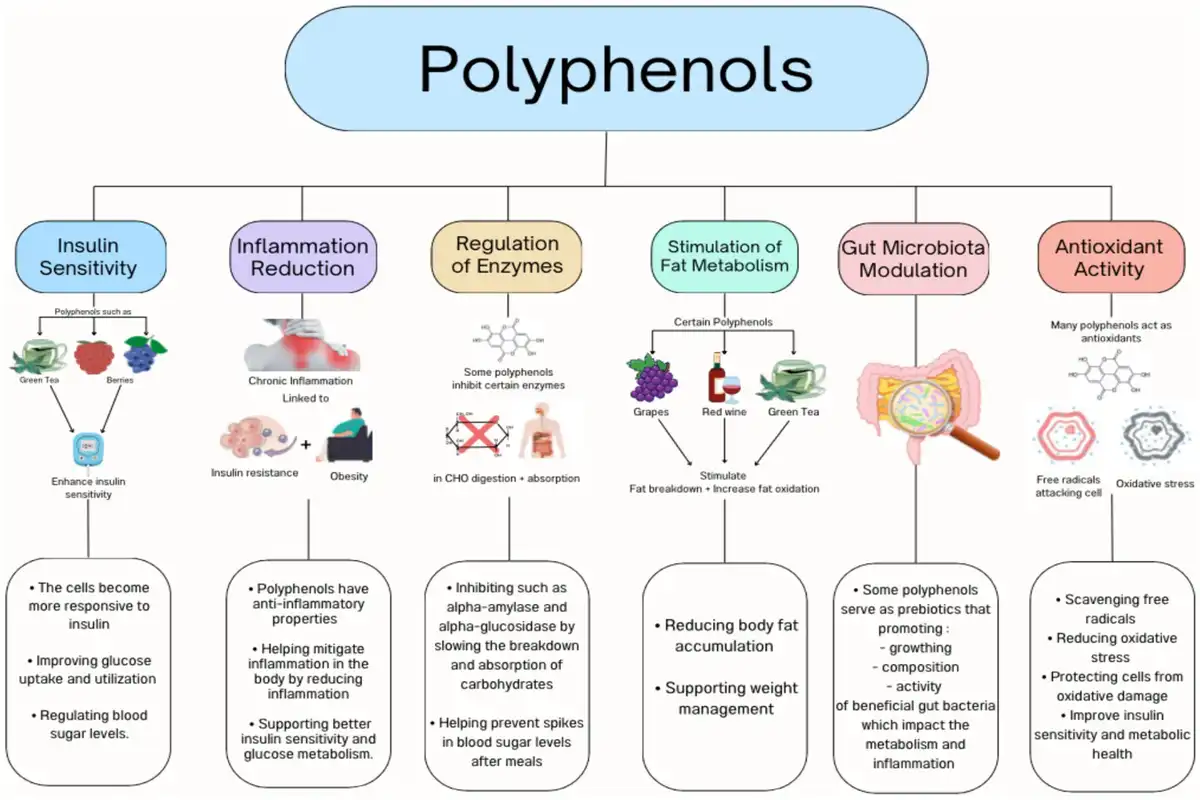
Clinical studies have built a strong body of evidence that polyphenol supplements are good for your health in many ways. According to studies in reputable journals, when polyphenol intake hits therapeutic levels, there are measurable changes in a number of health indices. These benefits have been proven by science and can be used to support health claims in regulated markets. This makes polyphenol powder very useful for companies that want to place their products in a way that is based on proof.
Skin Protection and Anti-Aging Properties
In several ways, polyphenols protect the skin's structures. They take in UV light, which lowers photodamage and stops reactive oxygen species from being made, which speeds up the breakdown of collagen. The antioxidants in tea work as tyrosinase inhibitors to help even out skin tone and reduce discoloration. Research shows that using polyphenol-rich products on the skin can reduce the depth of wrinkles by up to 18% over 12 weeks.
Metabolic Support and Weight Management
Metabolic parameters are changed in a way that is clinically significant by apple polyphenol powder. Studies have shown that taking 600 mg of apple polyphenols every day can lower the amount of abdominal fat that builds up in the body. This is done by increasing the rate at which fat is burned and changing the release of adipokines. A substance found only in apple products called phloridzin affects how glucose is transported, which helps keep blood sugar levels healthy. Green tea polyphenols boost thermogenesis and make you burn more calories, which can help you lose weight. There is a growing need in the market for natural alternatives to synthetic metabolism boosters. These metabolic benefits offer formulators clean-label options with scientific backing.
Cardiovascular and Anti-Inflammatory Benefits
Polyphenols are good for your heart health because they improve endothelial function, balance out your cholesterol makeup, and change your blood pressure. A review of multiple clinical studies shows that regular polyphenol consumption lowers systolic blood pressure by 3–4 mmHg and increases flow-mediated relaxation by 2–3%. NF-κB pathway inhibition and cytokine regulation are two of the anti-inflammatory strategies that lower chronic inflammation markers linked to metabolic syndrome.
Immune Enhancement and Cellular Protection
Polyphenols have more immunomodulatory effects than just being antioxidants. They change defense communication pathways, boost the activity of natural killer cells, and protect the mucosa. Taking 500–1000 mg of polyphenols every day can help your immune system deal with seasonal problems. It also shortens and weakens infections. At the molecular level, polyphenols turn on antioxidant response elements, which boost natural defense systems like glutathione and superoxide dismutase.
How to Use Polyphenol Powder Effectively in B2B Settings
To successfully use polyphenol powder, you need to know how to optimize the amount, keep it stable, and make formulations that are specifically designed for your purpose. Procurement teams have to find a mix between the need for effectiveness and the need to keep costs low, all while making sure that all target markets follow the rules. If you want to use polyphenol extracts in business products in several different areas, the following suggestions will help you do that.
Recommended Dosages by Application Category
Each dose of a dietary supplement usually has between 200 mg and 600 mg of standardized polyphenol extract. Green tea extracts are usually standardized to contain between 50 and 80% polyphenols and 30 to 50 mg of EGCG. Because it is naturally bitter, functional drinks add 50–200 mg per dose, matching how well it works with taste concerns. In cosmetics, 0.5 to 3% polyphenol powder is used in the end product. Encapsulated types are best for stability in emulsion systems. 0.01-0.1%, depending on the amount of fat, is used to keep food fresh. Higher levels are used in fried oils and meat items where oxidative stability is important. The dose levels shown here show both the clinical effectiveness boundaries and the sensory acceptance limits.
Quality Assurance and Storage Requirements
Because polyphenols are sensitive to light, oxygen, and wetness, they need to be stored in a controlled way to keep their effectiveness. Because high-quality polyphenol powder absorbs water, it needs to be stored in packaging that keeps moisture out and uses desiccants. Temperature control is very important, and covered packages should be kept between 15°C and 25°C. Light speeds up oxidative breakdown, especially for catechins, so packing materials need to be dark or amber. Application Methods Across Industry Sectors
Certification and Compliance Considerations
When buying from other businesses in controlled markets, you need to show a lot of certification paperwork. Organic approval makes sure that the products are grown and processed without using pesticides. These products cost more, but they let you buy more organic products. Halal and Kosher licenses let you sell your goods in the Middle Eastern and Jewish groups, which are big markets. BRC approval shows that food safety management rules are being followed, which is important for big food stores and food producers. People in North America and Europe are worried about GMOs, and non-GMO proof helps ease those worries. Suppliers who keep these licenses lower the risk of buying things and speed up the time it takes to get legal products on the market.
Choosing the Right Polyphenol Powder Supplier: A B2B Procurement Guide
Supplier choice affects the quality of the product, the dependability of the supply chain, and, in the end, the success in the market. A thorough evaluation based on several factors safeguards buying investments and forms relationships that can support long-term growth goals. Because polyphenol powder extraction and standards are so complicated, suppliers must have the right professional skills.
Technical Specifications and Purity Standards
High-quality polyphenol providers give full analysis certificates that show the total polyphenol content by the Folin-Ciocalteu method, as well as individual chemical profiles via HPLC, heavy metal tests, microbiological screening, and pesticide residue analysis. Standardization makes sure that the formulation is reliable across runs, and trustworthy makers keep the coefficient of variation for key marker chemicals below 5%. Low caffeine level (below 0.5%) is important for decaffeinated uses and a wider range of market appeal.
Certification Portfolio and Regulatory Compliance
Leading providers keep a full portfolio of certifications that show they are committed to quality processes and market access. Getting ISO 9001 certification means that your quality management system is mature. ISO 22000 or FSSC 22000 certification, on the other hand, is more focused on food safety. Organic approvals from the USDA, the EU, or similar organizations make sure that the whole supply chain is organically sound. Access to faith-based markets is possible with Halal certification from well-known Islamic officials and Kosher approval from rabbinical organizations. These qualifications should be up-to-date and focused on the particular goods and facilities used to make the materials that were provided.
Pricing Structures and Minimum Order Quantities
The price of polyphenol powder depends a lot on where it comes from, how standardized it is, and what kind of proof it has. Green tea leaves that are standardized to contain 50% polyphenols usually cost between 15 and 30 USD per kilogram when bought in bulk. Prices go up for higher levels of standardization or organic certification. Apple polyphenol powder is very expensive, especially when it is measured for procyanidin level. Minimum order amounts range from 25 to 500 kilograms, based on the size of the seller and the type of product being sold. When you buy more than 500 kilograms, you can get big savings.
Logistics and After-Sales Support
Reliable sellers offer a range of shipping choices to meet the needs of different buyers and budgets. Express air freight is best for pressing needs or small test amounts, while ocean freight saves money on big orders. Cold-chain transportation means investing in infrastructure to keep temperature-sensitive goods safe. After-sales support, such as expert service for formulation problems, help with stability testing, and help with regulatory paperwork, sets great providers apart.
Market Trends and Future Outlook for Polyphenol Powder
The global polyphenol chemicals market is growing quickly thanks to new technologies and customer trends that are coming together. According to market studies, the market will grow at rates of 7–9% per year until 2030, when it will be worth more than 1.8 billion USD. By understanding these trends, buying strategies can plan for changes in demand and spot new possibilities.
Growing Demand Across Health and Wellness Sectors
As more people learn about the health benefits of antioxidants, polyphenols are being added to more goods than just pills. More and more functional drinks, like ready-to-drink teas, improved waters, and sports nutrition items, are fortified with polyphenols. Beauty-from-within ideas cross the lines between makeup and nutraceuticals, making hybrid product categories where polyphenols play two roles. These days, personalized nutrition trends like clear ingredient lists and accurate measurements of bioactive compounds.
Innovation in Extraction and Formulation Technologies
New methods of extraction, like ultrasound-assisted extraction, enzyme-assisted extraction, and supercritical fluid extraction, increase yield and selectivity while decreasing solvent leftovers. These improvements allow for more pure goods and more environmentally friendly ways to make them. Formulation improvements get around problems that have existed in the past with stability and absorption.
Sustainability and Organic Sourcing Priorities
More and more, environmental concerns are affecting business-to-business purchasing decisions, and sustainability standards affect the choice of seller. Organic farming methods are better for the earth and meet customer demands for pesticide-free goods. Upcycling projects that get polyphenols from farm waste like apple pomace or grape marc are better for the environment and might even lower the cost of raw materials. Cutting down on carbon emissions by using local materials and handling them more efficiently is in line with the environmental goals of the company.
Future Application Development and Market Expansion
Research pipelines point to growing applications beyond their current common uses. Polyphenols are being used more and more in sports diet to help with healing from exercise and to improve performance. Polyphenols have neuroprotective qualities that are used in cognitive health goods for older people and the cognitive wellness market.
Conclusion
Polyphenol powder is one of the few natural ingredients that combines science support, market demand, and a wide range of technical uses. Antioxidant protection, metabolic support, circulatory health, and anti-aging qualities are just a few of the health benefits that have been proven. These properties make them a solid base for product development in the nutraceutical, cosmetic, and functional food categories. To be good at buying, you need to know about the differences between botanical sources, the need for standardization, formulation methods that are specific to each application, and criteria for evaluating suppliers. Market trends show steady growth, fueled by consumers' concerns about health, new technologies, and environmental concerns. Manufacturers and sourcing workers who build relationships with reliable suppliers and learn more about how polyphenols can be used will be in a good position to take advantage of the growing possibilities in this fast-paced ingredients market.
FAQ
What are the potential side effects of polyphenol powder?
At the suggested doses, polyphenol powder has great safety ratings. Very high doses, more than 800 mg every day on an empty stomach, may cause mild stomach problems like sickness or stomach pain. Green tea leaves that contain caffeine may make sensitive people have trouble sleeping or feel jittery. When polyphenols are eaten with meals, iron intake may be briefly slowed down, but this rarely has clinical significance. People who take blood thinners should talk to their doctors before taking high-dose flavonoid supplements, because they might change how blood clots. To keep risks to a minimum, responsible makers give clear dose instructions and information on when not to use the product.
How does polyphenol powder compare to vitamin C and resveratrol?
When compared to single-compound antioxidants, polyphenol powder has a wider range of mechanisms. Polyphenols can work in both water and lipid phases, while vitamin C mostly works in water or lipid phases. Resveratrol is very strong, but it only contains one stilbene compound. Polyphenol extracts, on the other hand, contain many beneficial compounds that work well together. In real-life situations, clinical studies show that mixed polyphenol mixtures often work better than isolated chemicals. There are also differences in how stable they are. For example, some polyphenols are more resistant to heat than vitamin C, which makes them better for use in thermal processing.
What criteria matter most when selecting a polyphenol powder supplier?
Give more weight to sellers who can provide full analytical paperwork, such as data on batch uniformity, purity testing, and standardization proof. Having certification packages that show organic, Halal, Kosher, and food safety system compliance lowers the risk of breaking the law. Technical support skills, such as helping with formulation and providing stable advice, set special sellers apart from commodity providers. Even when demand goes up, production ability and the resilience of the supply chain keep things running smoothly. Clear information about where the materials come from, how they're processed, and how they're checked for quality builds trust in long-term relationships, which is important for a product's long-term success.
Partner with Avans for Premium Polyphenol Powder Solutions
Avans NutriHealth Co., Ltd. sells high-quality polyphenol powder that has been certified by a number of organizations, such as ISO, Halal, Kosher, BRC, and organic. Our factory makes more than 1,000 tons of it every year, so you can always get what you need for your formulations. We are experts in making tea polyphenol powder and apple polyphenol powder that have standardization levels of between 50% and 80% total polyphenols, which have been proven by a thorough HPLC analysis. Our specialized research and development (R&D) team is here to help you with technical issues at all stages of the product creation process, from the initial formulation to stability testing and regulatory documentation. As an experienced manufacturer of polyphenol powder who can also do direct production, we can offer you affordable prices, flexible minimum order numbers, and solutions that are made to fit your exact needs. Email Lillian, our procurement expert, at Lillian@avansnutri.com to talk about buying in bulk, getting certificates of analysis, or setting up a review of a sample. Avans helps you succeed in the nutrition, cosmetic, and functional food markets by combining high-quality production with personalized service.
References
1. Scalbert, A., Manach, C., Morand, C., Rémésy, C., & Jiménez, L. (2005). Dietary polyphenols and the prevention of diseases. Critical Reviews in Food Science and Nutrition, 45(4), 287-306.
2. Pandey, K. B., & Rizvi, S. I. (2009). Plant polyphenols as dietary antioxidants in human health and disease. Oxidative Medicine and Cellular Longevity, 2(5), 270-278.
3.Del Rio, D., Rodriguez-Mateos, A., Spencer, J. P., Tognolini, M., Borges, G., & Crozier, A. (2013). Dietary (poly) phenolics in human health: structures, bioavailability, and evidence of protective effects against chronic diseases. Antioxidants & Redox Signaling, 18(14), 1818-1892.
4. Tsao, R. (2010). Chemistry and biochemistry of dietary polyphenols. Nutrients, 2(12), 1231-1246.
5. Fraga, C. G., Croft, K. D., Kennedy, D. O., & Tomás-Barberán, F. A. (2019). The effects of polyphenols and other bioactives on human health. Food & Function, 10(2), 514-528.
6. Manach, C., Scalbert, A., Morand, C., Rémésy, C., & Jiménez, L. (2004). Polyphenols: food sources and bioavailability. American Journal of Clinical Nutrition, 79(5), 727-747.