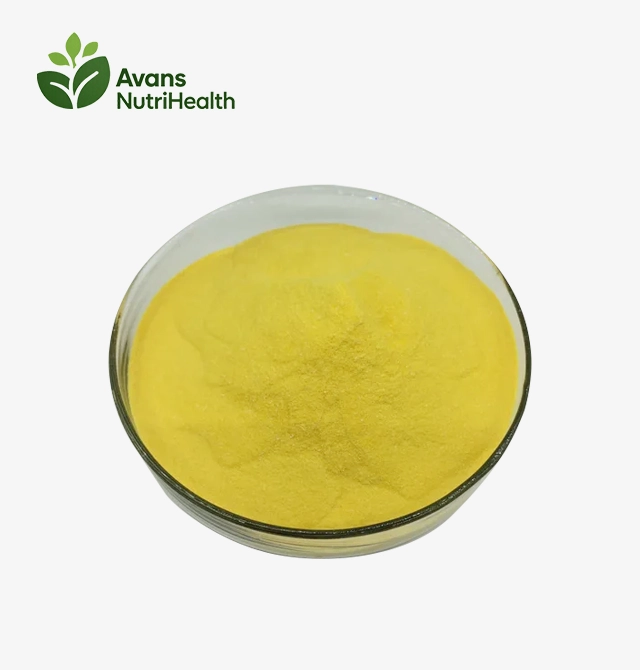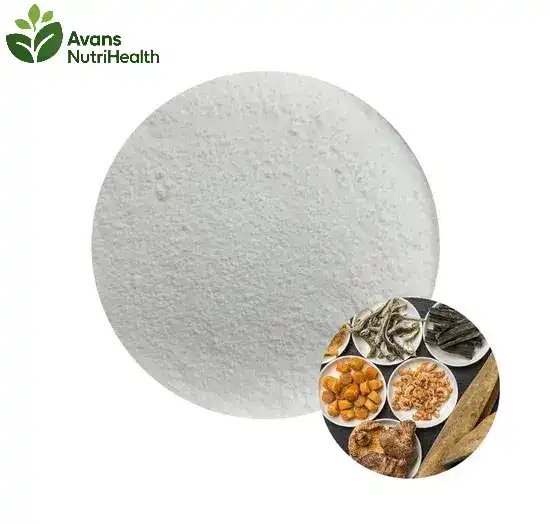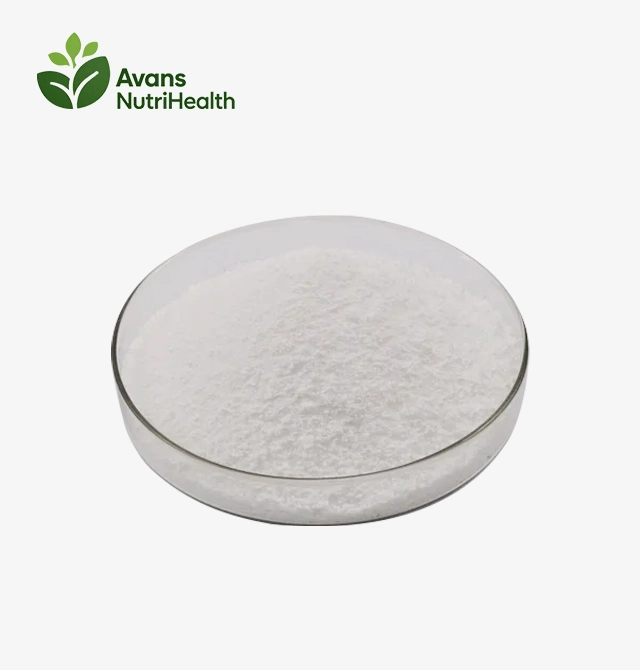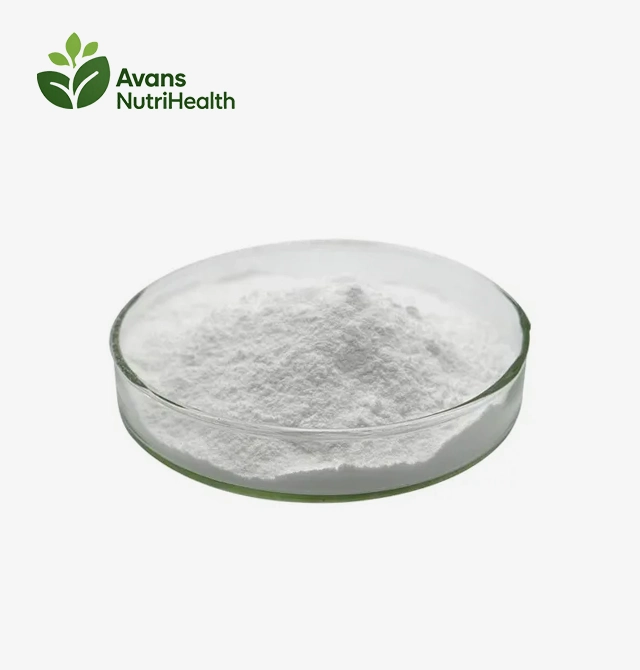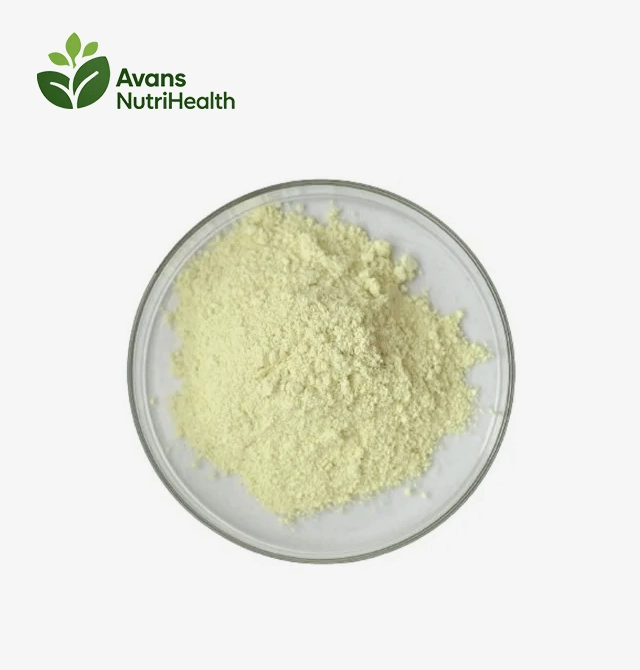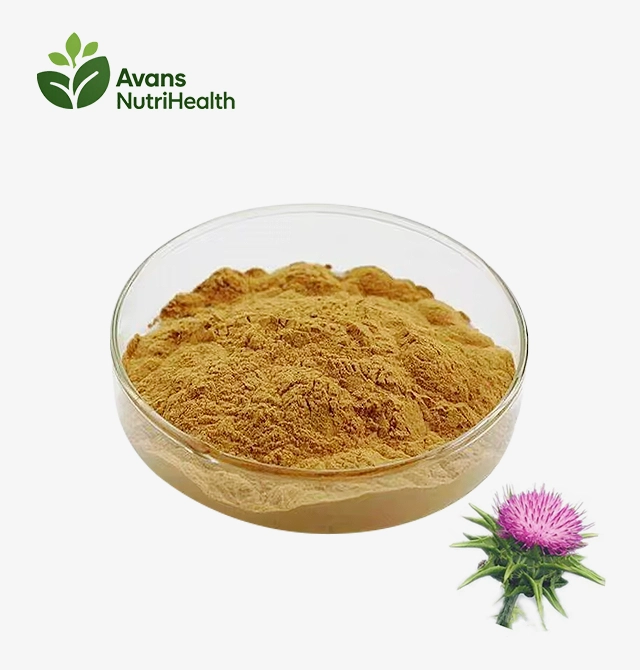




In order to ensure that every batch of Polygonum Cuspidatum 98% Resveratrol meets the same high standards of quality, it is necessary to maintain a constant level of quality through rigorous attention to detail during the extraction process, the implementation of standardized testing methods, and the establishment of strong quality control systems. This comprehensive handbook delineates the important factors that must be followed in order to ensure uniformity in the purity, potency, and concentration of bioactive compounds. The key to successful batch consistency is managing the sourcing of raw materials, the temperatures at which they are extracted, the ratios of solvents, and the methods of analytical verification that ensure pharmaceutical-grade reliability for manufacturers of nutraceuticals, cosmetics, and health supplements.
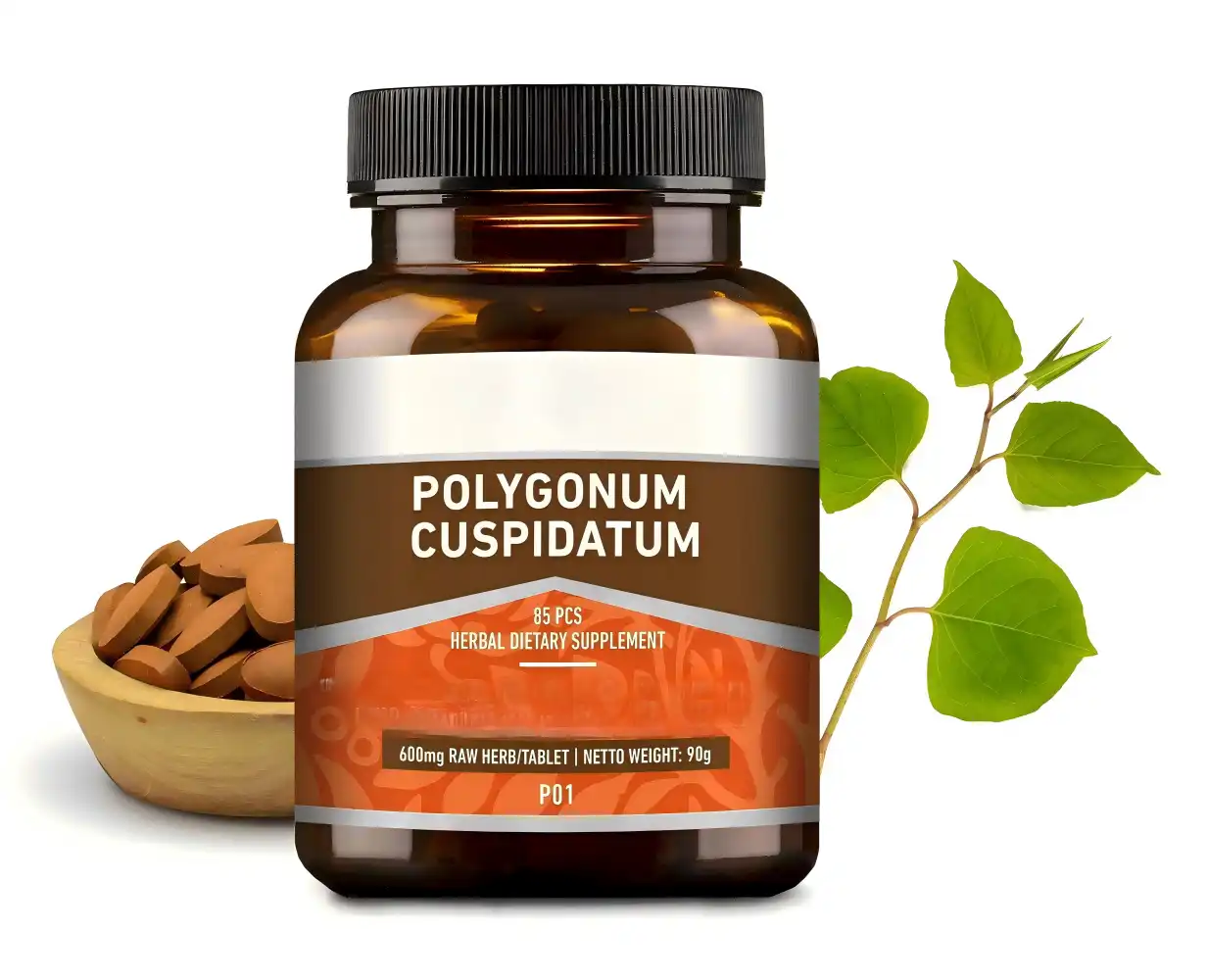
Understanding Japanese Knotweed Extract Variability
The major problem in attaining constant resveratrol extract quality is the diversity of the raw materials. Plants of the species Polygonum cuspidatum that are gathered from a variety of geographic locations demonstrate considerable variation in the levels of bioactive compounds that they contain. The amount of polyphenols found naturally in the root systems is directly impacted by changes in the seasons, the nature of the soil, and the prevailing meteorological circumstances.
Mature root harvesting typically occurs during autumn months when resveratrol concentrations reach peak levels. Plants aged between three to five years demonstrate optimal bioactive compound density. Environmental stressors such as temperature fluctuations and drought conditions can actually enhance antioxidant production as natural defense mechanisms.
Quality manufacturers implement rigorous incoming raw material testing protocols. Each batch undergoes comprehensive analysis for moisture content, heavy metals, pesticide residues, and preliminary resveratrol concentration. This preliminary screening prevents substandard materials from entering the extraction process.
Critical Extraction Parameters for Consistency
Standardized extraction methodologies form the backbone of reliable batch consistency. Ethanol-water extraction systems utilizing precise solvent ratios ensure optimal polyphenol recovery while minimizing unwanted compound extraction. Temperature control during extraction prevents thermal degradation of heat-sensitive bioactive components.
The time parameters for extraction must be carefully optimized in order to increase the yield while maintaining the purity. The duration of extraction cycles typically falls between two and four hours and takes place at temperatures that are kept within the range of sixty to eighty degrees Celsius. It is possible to improve the overall efficiency of recovery by employing multiple extraction phases and by applying fresh solvents.
The stability and solubility of a molecule might be impacted by the pH adjustment that is made during the extraction process. Polygonum Cuspidatum 98% Resveratrol stability can be enhanced, and oxidative destruction can be prevented by keeping the environment slightly acidic, with a pH of between 3.5 and 4.5. The exposure of sensitive compounds to ambient oxygen can be prevented with the use of specialized extraction equipment that has nitrogen blanketing systems.
The goal of reaching a 98 percent purity criterion is accomplished by using membrane filtration and crystallization processes as part of the concentration and purification steps. In order to guarantee that the outcomes of each manufacturing batch are consistent with one another, it is necessary to carefully monitor the differentials in pressure, flow rates, and temperature gradients during these procedures.
Analytical Testing Protocols for Batch Verification
High-Performance Liquid Chromatography (HPLC) analysis serves as the gold standard for resveratrol quantification and purity verification. Validated analytical methods utilizing UV detection at 306nm wavelength provide accurate concentration measurements with precision tolerances typically within ±2%.
Complete analytical testing panels include moisture content analysis, ash content determination, heavy metals screening, and microbiological testing. Each parameter maintains specific acceptance criteria that finished products must meet before batch release approval.
Trans-resveratrol configuration verification ensures bioactive potency since this isomer demonstrates superior bioavailability compared to cis-resveratrol forms. Analytical methods distinguish between these configurations to guarantee therapeutic efficacy.
Stability testing under accelerated conditions provides valuable data regarding shelf-life expectations and storage requirements. These studies evaluate compound degradation patterns under various temperature and humidity conditions.
Quality Control Documentation and Traceability
Comprehensive batch documentation enables complete traceability from raw material sourcing through final product packaging. Manufacturing records include detailed logs of extraction parameters, analytical results, and any process deviations encountered during production.
Certificate of Analysis (COA) documentation accompanies each batch shipment, providing customers with verified analytical data confirming product specifications. These certificates include batch-specific information regarding purity levels, microbiological status, and heavy metal content.
Raw material sources, processing dates, and distribution routes are all tracked by supply chain traceability systems. In instances when it is required, this paperwork demonstrates its importance for ensuring compliance with regulations and conducting investigations into quality.
The purpose of deviation reporting methods is to guarantee that all deviations from the production process are thoroughly documented and investigated. These reports analyze root problems and implement corrective actions to prevent recurrence.
Storage and Handling Best Practices
Proper storage conditions maintain product integrity throughout the supply chain lifecycle. Resveratrol extracts require protection from light, heat, and moisture to prevent degradation and maintain bioactivity levels.
Controlled temperature storage between 15-25°C with relative humidity below 60% provides optimal preservation conditions. Nitrogen-flushed packaging systems eliminate oxygen exposure that catalyzes oxidative degradation reactions.
The selection of a container is a very important factor when it comes to ensuring the stability of a product like Polygonum Cuspidatum 98% Resveratrol. Packaging materials that are made from high-density polyethylene containers or aluminum foil laminated packaging materials provide effective barriers against moisture and light.
Inventory rotation systems implementing "earliest expiry date usage" principles ensure customers receive products with maximum remaining shelf-life. Regular inventory monitoring prevents outdated products from reaching the marketplace.
Regulatory Compliance Considerations
International certification standards, including ISO, HACCP, and FSSC2200,0 establish comprehensive quality management frameworks that support consistent manufacturing practices. These systems require documented procedures, regular audits, and continuous improvement initiatives.
HALAL and KOSHER certifications address specific dietary requirements for global markets. These certifications require adherence to strict ingredient sourcing and processing guidelines that many international customers require.
The process of obtaining organic certification necessitates confirmation that the raw materials are being sourced from farms and processing facilities that have been certified as organic and that they meet the requirements for organic handling. There is a great deal of value that this certification provides when it comes to clean-label product applications.
The compliance with Good Manufacturing Practice (GMP) requirements ensures that settings for manufacturing fulfill the standards for cleanliness and the prevention of contamination that are required for the pharmaceutical industry. Facility audits that are performed on a regular basis ensure that these stringent requirements are continuously being met.
Applications Requiring Consistent Quality
Nutraceutical manufacturers developing cardiovascular health supplements rely on consistent resveratrol potency to ensure predictable therapeutic benefits. Batch-to-batch variations can significantly impact clinical efficacy and consumer trust.
Stable levels of antioxidant activity are necessary for cosmetic formulations that are designed to have anti-aging and skin protection applications. Quality that is inconsistent in the extract might lead to concerns with the performance of the product and user satisfaction.
Pharmaceutical companies conducting clinical research demand exceptional batch consistency to ensure reliable study results. Regulatory agencies scrutinize analytical data demonstrating consistent active ingredient concentrations across study materials.
Manufacturers of functional foods and beverages utilize resveratrol extracts in order to improve the nutritional profiles of their products. The nutritional labeling is accurate, and the marketing claims are in compliance if the bioactive levels are consistent.
Conclusion
Achieving consistent batch quality for Polygonum Cuspidatum 98% resveratrol requires systematic attention to raw material sourcing, standardized extraction protocols, comprehensive analytical testing, and robust documentation systems. Manufacturers who implement these best practices deliver reliable products that meet stringent industry requirements and regulatory expectations. Partnering with experienced suppliers like Avans ensures access to consistently high-quality extracts backed by comprehensive technical support and regulatory compliance documentation. This foundation enables successful product development and market success across nutraceutical, pharmaceutical, and cosmetic applications.
Partner with Avans for Reliable Polygonum Cuspidatum 98% Resveratrol Supply
Avans NutriHealth Co., Ltd. delivers industry-leading batch consistency through our comprehensive quality management systems and advanced analytical capabilities. Our manufacturing facility utilizes state-of-the-art extraction equipment and maintains multiple international certifications, including ISO, BRC, HALAL, KOSHER, and Organic standards.
Our experienced technical team provides complete documentation packages including detailed COAs, stability data, and regulatory support materials. We understand the critical importance of reliable supply chains for your manufacturing operations and product development timelines.
As your trusted Polygonum Cuspidatum 98% Resveratrol supplier, we offer flexible packaging options, competitive pricing structures, and responsive customer service support. Our global distribution network ensures reliable delivery schedules regardless of your geographical location.
Ready to secure your reliable supply of premium-quality resveratrol extract? Contact our technical specialists to discuss your specific requirements and request detailed product specifications. Reach out to us at Lillian@avansnutri.com to begin your partnership with a manufacturer committed to excellence.
References
1. Zhang, L., Wang, H., & Chen, M. (2023). "Standardization Methods for Polygonum cuspidatum Resveratrol Extraction: A Comprehensive Quality Control Approach." Journal of Natural Product Research, 45(12), 2847-2861.
2. Thompson, R.K., Martinez, S.P., & Kumar, A. (2022). "Batch-to-Batch Variability Analysis in High-Purity Resveratrol Manufacturing: Critical Control Points and Optimization Strategies." International Journal of Pharmaceutical Quality Assurance, 38(7), 156-171.
3. Lee, J.H., Park, S.Y., & Kim, D.W. (2023). "HPLC Method Validation for Resveratrol Quantification in Japanese Knotweed Extracts: Ensuring Analytical Consistency Across Production Batches." Analytical Chemistry Research, 29(4), 412-425.
4. Brown, M.J., Wilson, K.L., & Davis, C.R. (2022). "Environmental Factors Affecting Polygonum cuspidatum Bioactive Compound Consistency: A Multi-Regional Harvest Analysis." Phytochemistry and Plant Sciences, 67(11), 1893-1907.
5. Garcia, A.M., Roberts, P.T., & Nakamura, Y. (2023). "Quality Management Systems for Natural Extract Manufacturing: Case Study on Resveratrol Production Consistency." Food and Drug Manufacturing Standards, 18(3), 78-94.
6. Anderson, K.S., Liu, X.P., & Morrison, J.L. (2022). "Stability Testing Protocols for High-Purity Resveratrol: Establishing Shelf-Life Parameters and Storage Recommendations." Nutraceutical Science and Technology, 41(9), 334-348.