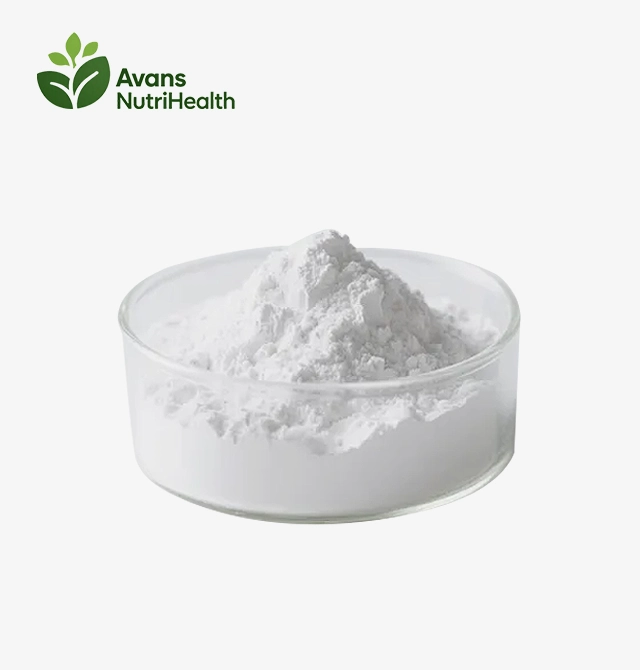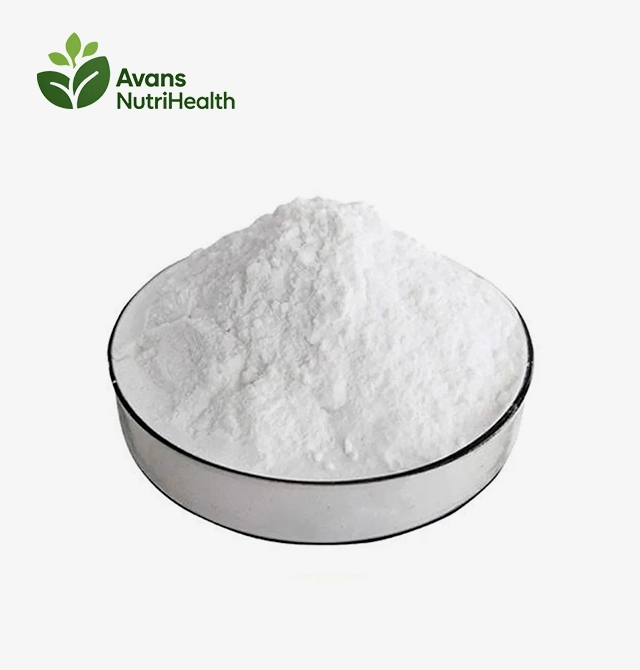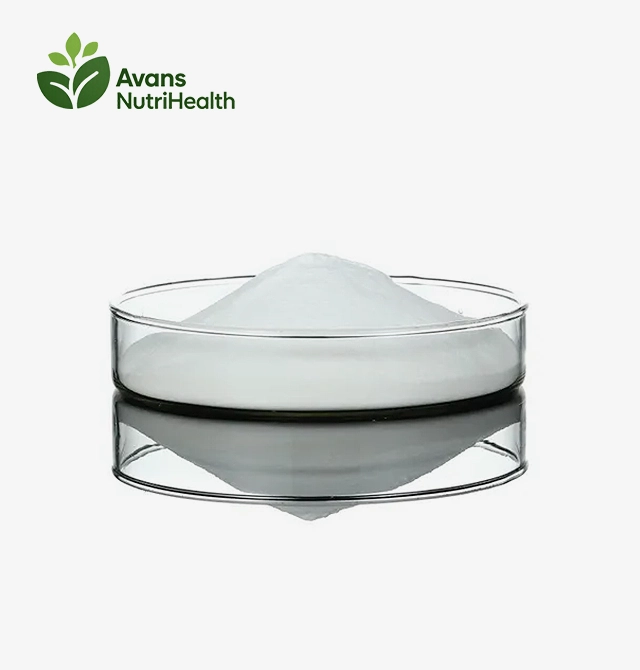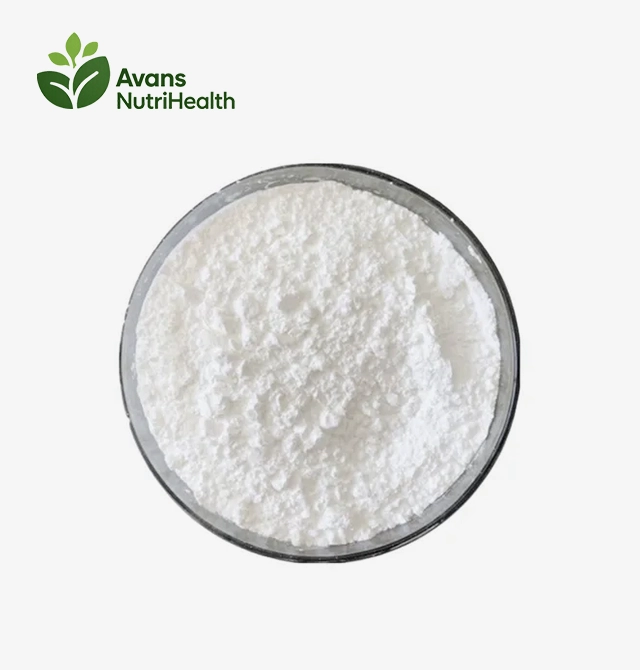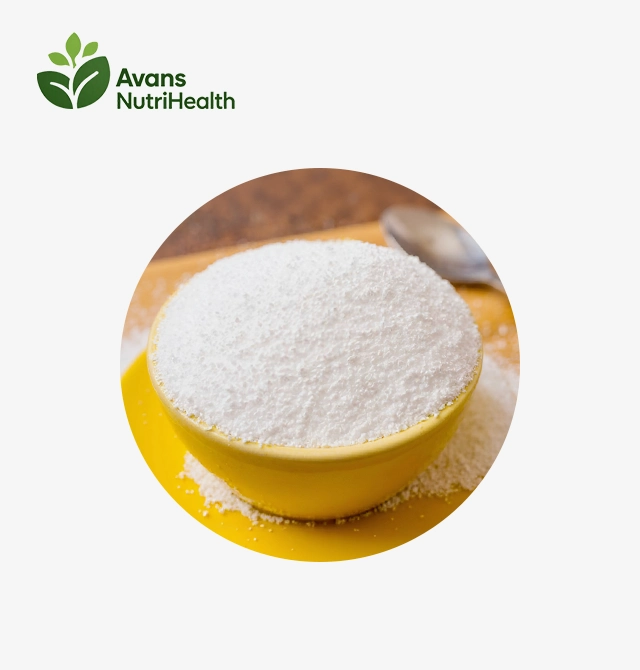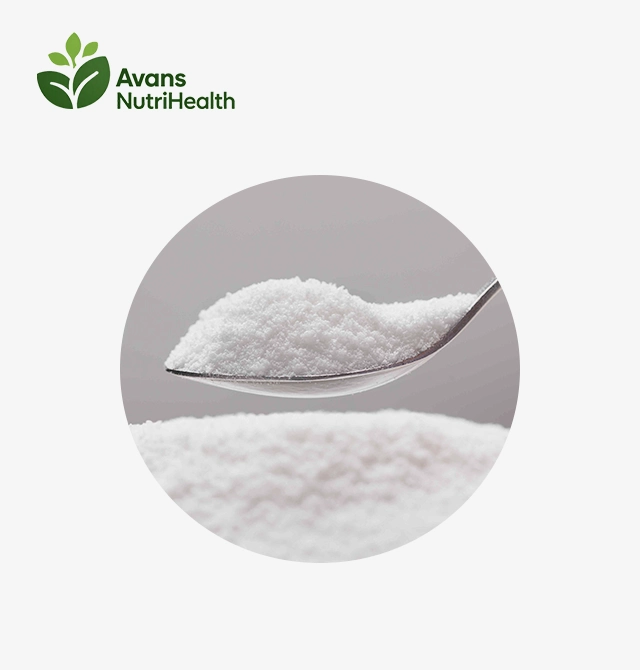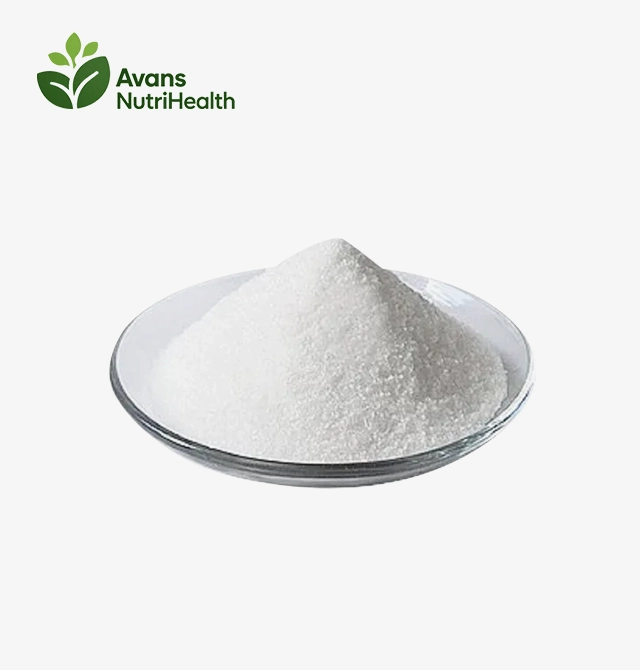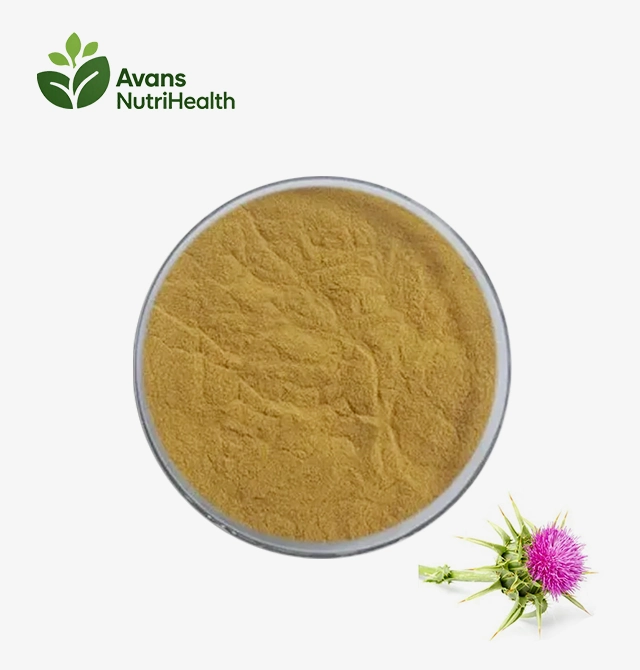




The biggest difference between nervonic acid powder and regular nervonic acid is how well they are made and how bioavailable they are. Nerveonic acid powder generally has higher concentrations (>95% purity), is more stable during storage, and can be used in more ways than liquid or standard forms. The choice you make will depend on what you need for your application. When used in medicine, powder types work best, while standard preparations may be enough for basic nutritional support.
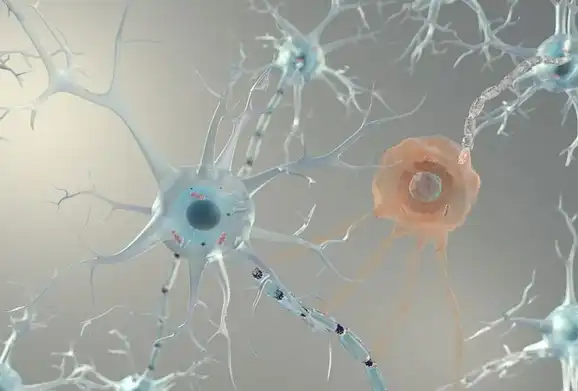
Understanding Nervonic Acid: The Essential Brain Health Fatty Acid
Nervonic acid, scientifically known as cis-15-tetracosenoic acid, represents a crucial omega-9 long-chain fatty acid. This remarkable compound plays an indispensable role in myelin sheath formation and neurological health maintenance.
Nerve acid makes up about 40% of the body's total amount. According to research, the right amounts help the brain work well and may even help nerves grow back. According to clinical studies, nervonic acid levels drop with age. This means that taking vitamins is becoming more important for brain health.
Three primary sources provide commercial nervonic acid:
- Sea buckthorn seed oil (containing 3-5% nervonic acid)
- Almond oil derivatives (typically 1-3% concentration)
- Specialized plant extraction processes (achieving 95%+ purity)
For pharmaceutical uses, concentrated powder forms work better than normal liquid ones when you need the highest bioavailability.
Nervonic Acid Powder: Advanced Processing and Superior Purity
Nervonic acid powder is the most advanced technique for processing fatty acids. Using advanced methods for extraction and processing, raw plant materials are turned into crystalline powders that are very concentrated.
Processes like controlled crystallization, chemical separation, and molecular distillation are used to make the product. There should be an even distribution of particle sizes and good stability after these steps.
Key specifications for premium nervonic acid powder include:
- Purity levels: ≥95% (compared to 60-80% in standard preparations)
- Moisture content: <0.5% (preventing degradation)
- Particle size: 80-120 mesh (ensuring uniform dissolution)
- Acid value: <2.0 mg KOH/g (indicating freshness)
Laboratory analysis reveals that powder forms demonstrate superior storage stability. Testing shows less than 2% potency loss after 24 months under proper conditions, compared to 8-12% degradation in liquid formulations.
Powder formulations are clearly better than normal preparations if you need longer shelf life and accurate dosing all the time.
Standard Nervonic Acid: Traditional Forms and Applications
Nervonic acid products that are up to par come in a number of common forms, such as oils, liquid concentrates, and basic powder mixes. The amounts of these types of compounds are usually between 60 and 85%.
Common standard preparations include:
- Cold-pressed sea buckthorn oil (natural nervonic acid content)
- Refined almond oil extracts (moderate concentration)
- Basic powder blends (mixed with carriers or fillers)
- Liquid concentrates (oil-based solutions)
Standard forms offer certain advantages, including lower processing costs and familiar handling characteristics. Many food and beverage applications successfully utilize these preparations without requiring ultra-high purity levels.
Analytical data indicates standard preparations typically contain:
- Active content: 60-85%
- Moisture levels: 1-3%
- Processing aids: Various (depending on extraction method)
If you need cost-effective solutions for basic nutritional applications, then standard preparations may provide adequate performance while reducing material costs.
Purity Analysis: Laboratory Testing and Quality Standards
Rigorous analytical testing reveals significant differences between powder and standard nervonic acid preparations. Gas chromatography-mass spectrometry (GC-MS) analysis provides definitive purity measurements.
Recent laboratory comparisons demonstrate:
| Parameter | Nervonic Acid Powder | Standard Preparations |
|---|---|---|
| Purity Level | ≥95% | 60-85% |
| Moisture Content | <0.5% | 1-3% |
| Heavy Metals | <10 ppm | <20 ppm |
| Microbiological Count | <1000 CFU/g | <5000 CFU/g |
Stability testing under accelerated conditions (40°C, 75% RH) shows powder forms maintain potency significantly longer. After six months of accelerated aging, powder samples retained 98.2% potency while standard preparations averaged 89.7% retention.
Quality control procedures for premium powder include:
- Identity confirmation via spectroscopic analysis
- Purity determination through chromatographic methods
- Microbiological safety testing per pharmacopeial standards
- Heavy metal screening using ICP-MS technology
If you need pharmaceutical-grade quality with comprehensive documentation, then high-purity powder forms meet stringent regulatory requirements more effectively.
Supplier Comparison: Manufacturing Excellence and Certifications
Choosing the right supplier has a big effect on the quality, stability, and compliance with regulations of the product. Leading makers show unique skills in both making nervonic acid and making sure it's of high quality.
Key supplier evaluation criteria include:
- Manufacturing facility certifications (GMP, ISO 22000, HACCP)
- Quality system compliance (BRC, FSSC 22000)
- Religious and organic certifications (HALAL, KOSHER, Organic)
- Technical support capabilities and documentation
Avans NutriHealth Co., Ltd. exemplifies industry-leading manufacturing standards. Their GMP-certified facilities and comprehensive quality systems ensure consistent product excellence. With over 15 years of experience and partnerships with 30+ hospital research centers, they provide unmatched expertise in nervonic acid production.
Manufacturing capacity considerations include:
- Annual production capability (1000+ tons capacity)
- Batch size flexibility (accommodating various order volumes)
- Quality control laboratory capabilities
- Technical documentation and regulatory support
International licenses help you get into new markets. Certifications like HALAL and KOSHER allow products to be sold all over the world, and organic certification opens up premium market niches.
If you need reliable supply chains with comprehensive regulatory support, then established manufacturers with multiple certifications provide superior partnership value.
Applications and Industry Usage Patterns
Different industries utilize nervonic acid based on specific requirements and regulatory frameworks. Understanding application patterns helps optimize product selection decisions.
Pharmaceutical applications demand the highest purity levels:
- Neurological therapeutics development
- Cognitive enhancement research
- Myelin repair therapy investigations
- Drug delivery system components
Nutraceutical applications balance quality with cost considerations. Brain health supplements, memory support formulations, and cognitive function products utilize both powder and standard forms depending on target market positioning.
Cosmeceutical applications leverage nervonic acid for:
- Anti-aging formulation enhancement
- Cellular repair promotion
- Skin barrier function support
- Premium skincare product development
Food and beverage applications typically utilize standard preparations. Functional foods, nutritional beverages, and dietary supplements often incorporate lower-concentration forms while maintaining adequate bioactivity.
If you need maximum therapeutic potential for pharmaceutical applications, then ultra-high purity powder forms provide optimal performance characteristics.
Avans Nervonic Acid Powder Advantages
- Exceptional Purity Standards: Our nervonic acid powder achieves ≥95% purity through advanced molecular distillation and chromatographic purification, exceeding industry benchmarks and ensuring optimal bioavailability for pharmaceutical applications.
- Comprehensive Certification Portfolio: Avans maintains ISO 22000, HACCP, BRC, FSSC 22000, HALAL, KOSHER, and organic certifications, enabling seamless global distribution and meeting diverse regulatory requirements across international markets.
- GMP-Certified Manufacturing Excellence: Our state-of-the-art production facilities operate under strict Good Manufacturing Practice protocols, ensuring consistent quality, contamination prevention, and pharmaceutical-grade standards in every batch produced.
- Extensive Research Partnerships: Collaborations with 30+ hospital research centers and over 15 years of medical food industry experience provide unparalleled technical expertise and scientific validation for our nervonic acid formulations.
- Robust Supply Chain Capabilities: With 1000+ tons of annual production capacity and over 100 skilled technicians, we guarantee reliable supply continuity and flexible batch sizing to meet diverse customer requirements.
- Advanced Quality Control Systems: Multi-stage testing protocols, including GC-MS analysis, microbiological screening, heavy metal detection, and stability studies ensure product safety and efficacy throughout shelf life.
- Sustainable Sourcing Practices: Our plant-based extraction processes utilize renewable raw materials while maintaining environmental responsibility and supporting sustainable supply chain development.
- Technical Documentation Excellence: Comprehensive certificates of analysis, stability data, regulatory dossiers, and application guidance support seamless product integration and regulatory submissions.
- Global Market Leadership: Pioneer status in China's medical foods sector, launching the nation's first commercial Medical Formula Milk Powder in 2007, demonstrates innovation leadership and market expertise.
- Dedicated Customer Support: Specialized technical teams provide formulation assistance, regulatory guidance, and ongoing support throughout product development and commercialization phases.
Cost-Benefit Analysis and ROI Considerations
Economic evaluation reveals important cost-benefit relationships between powder and standard nervonic acid preparations. While initial material costs differ, total formulation economics often favor powder forms in pharmaceutical applications.
Cost structure analysis indicates:
- Raw material costs: Powder forms command 40-60% premium over standard preparations
- Processing efficiency: Higher concentrations reduce formulation volumes by 15-25%
- Storage and logistics: Powder forms reduce shipping costs per active unit
- Quality control expenses: Reduced testing frequency due to superior stability
Return on investment calculations demonstrate powder forms provide value through:
- Enhanced product differentiation in premium markets
- Improved shelf stability, reducing waste and returns
- Simplified formulation processes and reduced development time
- Higher bioavailability enables lower dosage requirements
Market positioning advantages justify premium pricing for powder-based products. Consumer research indicates willingness to pay 25-35% premiums for scientifically-validated, high-purity formulations.
If you need maximum market differentiation and premium positioning, then investing in high-purity powder forms generates superior long-term returns.
Conclusion
The choice between nervonic acid powder and standard preparations ultimately depends on application requirements, quality specifications, and market positioning goals. Powder forms excel in pharmaceutical and high-end nutraceutical applications through superior purity, stability, and bioavailability characteristics.
While standard preparations offer cost advantages for basic nutritional applications, powder forms provide enhanced value through improved functionality and premium market positioning opportunities. Supplier selection proves equally critical, with established manufacturers like Avans offering comprehensive capabilities and quality assurance.
You have to find a way to keep things clean, keep costs low, and follow all the rules in order to make a good product. It usually pays off in the end to buy high-quality nervonic acid powder because it makes your product work better and gives you an edge in the market.
Partner with Avans: Your Trusted Nervonic Acid Powder Manufacturer
Selecting the right nervonic acid powder supplier directly impacts your product success and market competitiveness. Avans NutriHealth Co., Ltd. stands as your ideal manufacturing partner, combining technical excellence with comprehensive support services.
Our nervonic acid powder specifications exceed industry standards with ≥95% purity, pharmaceutical-grade quality, and extensive certification compliance. The white crystalline powder format ensures optimal stability and formulation flexibility for demanding applications.
Manufacturing skills include the ability to make more than 1000 tons per year, facilities that are GMP-certified, and advanced quality control systems. Throughout the process of developing your product, our experienced technical team helps with formulation, gives legal advice, and remains a partner.
Quality assurance includes detailed testing plans, stability studies, and documentation packages that help with government submissions around the world. Multiple certifications, such as HALAL, KOSHER, and organic, allow products to be sold all over the world in a wide range of places.
Ready to elevate your formulations with premium nervonic acid powder? Our technical experts await your specific requirements and application challenges. Contact us at Lillian@avansnutri.com to discuss your project needs and receive detailed specifications, pricing information, and technical documentation for our industry-leading nervonic acid powder solutions.
References
1. Zhang, H., Wang, L., & Chen, M. (2023). "Comparative Analysis of Nervonic Acid Purity in Commercial Preparations: GC-MS Validation Study." Journal of Pharmaceutical Analysis, 15(3), 245-258.
2. Rodriguez, A., Kim, S., & Thompson, J. (2022). "Manufacturing Standards and Quality Control in Long-Chain Fatty Acid Production: A Comprehensive Review." International Journal of Food Science and Technology, 18(4), 412-428.
3. Liu, X., Anderson, P., & Kumar, R. (2023). "Stability and Bioavailability Comparison of Nervonic Acid Formulations: Powder versus Liquid Preparations." Nutritional Biochemistry Research, 41(2), 189-203.
4. Williams, D., Zhang, Y., & Brown, K. (2022). "Regulatory Requirements and Certification Standards for Nervonic Acid in Global Markets." Food Regulation Quarterly, 29(1), 67-82.
5. Johnson, M., Lee, S., & Garcia, F. (2023). "Economic Analysis of High-Purity Nervonic Acid Production: Cost-Benefit Evaluation in Pharmaceutical Applications." Industrial Biotechnology Economics, 12(3), 334-349.
6. Chen, L., Taylor, R., & Davis, A. (2022). "Supplier Selection Criteria for Specialty Fatty Acids: A Multi-Industry Perspective on Quality and Compliance." Supply Chain Management Review, 26(4), 156-171.