




Nervonic Acid Powder Suppliers: How to Verify Quality?
Start with proof instead of claims to check the quality of nervonic acid powder suppliers. Ask for a batch-specific COA, make sure it is cis-15-tetracosenoic acid (CAS 506-37-6), and look at the full fatty acid profile by GC-FID, which should include erucic acid. Compare the oxidation values, heavy metals, residual solvents, and microbiology to the rules of the market you want to reach. Then, make sure the seller is the real manufacturer, look at the company's certifications, and test a sample in your own lab or a lab that is not affiliated with the seller before placing a bulk order. That way, your team can be sure that they're okaying a supplier after reading this guide.
Why Supplier Verification Matters for Nervonic Acid Powder
What Buyers Must Verify Before Requesting Quotations
Price and purity claims tell you only half the story. “The issues I discuss with procurement managers and formulators are the same. It’s not clear who the product is, the fatty acid profile is missing, and the COAs don’t match the shipped lot. Before you ask for quotes, make sure you have documented your intended use, required grade, dosage form, target market, packaging, annual volume, regulatory needs, etc. All suppliers start from the same point when they read a specification. The answers are easy to compare. It also lessens the chance of import delays, since your team can match the paperwork with the goods before the ship departs port.
Who Needs a Structured Supplier Review
A structured review is helpful for many types of buyers. Nutraceutical and supplement companies need to make sure that every capsule or sachet has the same amount of active ingredient. For audits, people who make medicines and cosmetics need records that can be tracked. Food, drink, and animal feed companies need to make sure that the additives they use follow the rules of the market they are going to. People who work as distributors or OEM clients also answer questions from their own customers about quality. The review should fit the project since each group faces different risks. For a pilot test, you might only need a short checklist, but for a long-term supply contract, you should have a full qualification file and a written quality agreement.
What Nervonic Acid Powder Is and Why Quality Varies
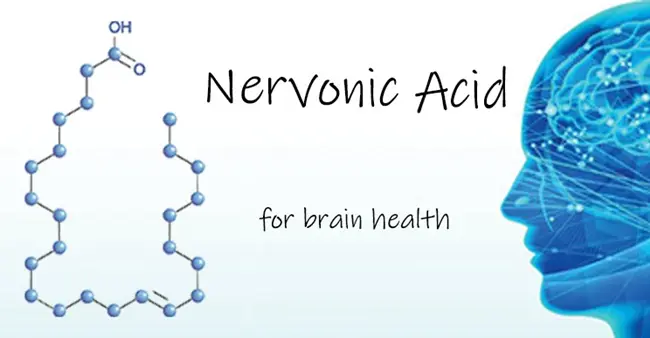
Nervonic acid is a very long-chain omega-9 fatty acid with 24 carbons. It is designated as C24:1 n-9. The chemical is C₂₄H₄₆O₂, with CAS number 506-37-6. Neurological nutritionists have studied it for many years because it is part of the sphingolipids in the myelin sheath. According to technical sources, nervonic acid powder is a white to off-white crystalline solid with a melting point of about 42–43°C. It is soluble in fats and organic solvents but insoluble in water. Quality varies because different producers use different sources, purification steps, and carriers. These differences affect the purity of the final lot, its resistance to oxidation, and the types of contaminants that might be present.
Confirm Identity, Purity, and Documents for Nervonic Acid Powder
Confirm the Identity and Chemical Specification
First, make sure you know exactly what the supplier is selling. The compound mentioned in the quote is cis-15-tetracosenoic acid (CAS 506-37-6). Then ask if the product is pure crystals or a powder mixed with a carrier, an excipient, an antioxidant, or an encapsulation matrix. This is important because a carrier alters the label statement and the active dose per gram. Our specification details our item as a white crystalline powder with a minimum purity of 95%. Ensure the clear language you request from each supplier meets your needs—whether you’re making capsules, tablets, dry blends, functional foods, or research.
Evaluate Purity and the Fatty Acid Profile
One good "high purity" number doesn't make it good. Separate the results for total powder purity, nervonic acid assay, and dry basis first. Then read the full fatty acid profile. Erucic oleic palmitic stearic All related compounds that can alter performance and compliance. Pay special attention to erucic acid (C22:1). In edible rapeseed (canola) oil, it cannot be more than 2%. People purchasing oils should be very careful about C22:1. Ask for GC-FID data or data from some other reliable method. Make sure that the chromatogram is from the lot you will receive. For more important projects, send a sample to a separate lab and compare the results before shipping.
Review the COA, SDS, and Supporting Documents.
Documents show if a company can meet the needs of both businesses and government agencies. Each batch shall have a COA, which includes the product name, batch number, test dates, specifications, actual results, methods, and approval status. A generic COA that is identical from lot to lot is a red flag. The SDS and technical data sheet should contain information on how to handle, store, and view the product and how long the product will last. In some markets, you may also need to keep records of allergens, non-GMOs, heavy metals, pesticides, residual solvents, microbes, and the country the food originated from. Full paperwork helps US imports clear customs and customer audits and keeps your team from requesting documents at the last minute.
Verify Testing, Origin, and Stability of Nervonic Acid Powder
Verify Testing Methods and Laboratory Credibility
The results are only as good as the lab and the method used.” Make sure that the method can distinguish nervonic acid from other fatty acids of a similar type. For example, when sourcing from a nervonic acid factory china, check also the sample preparation, calibration, reference standards, and basis for the report. Ask whether testing is done in-house, at a licensed outside laboratory, or both. If you are not sure how to do a method, you can refer to ICH Q2(R2) for guidance. This describes how to validate analytical procedures. A good plan includes qualification-sample testing, first-batch release testing, regular independent checks, and a written process for out-of-specification results. Your quality team can also do a better job of verifying the numbers if they can see the raw chromatograms.
Assess Raw Material Origin and Manufacturing Process
Source and process are what determine purity, consistency, long-term use, and cost. Determine if the nervonic acid is from plant oils, microbes, or other living organisms, or is a laboratory-made synthetic product. Modern plant routes in the business world. Then, esterification and molecular distillation are done on seed oils such as Malanisia oleifera and Acer truncatum. Please clarify the steps involved in extraction, concentration, purification, stabilization, drying, and powder making, step by step. Look for added carriers, antioxidants, or processing aids. If solvent use is involved, residual solvent levels should be compared to ICH Q3C and USP < 467 >. The historical batch data is consistent, and the manufacturer’s change control procedures show how they control changes in raw materials.
Check Stability, Storage, Packaging, and Transport
Long-chain fatty acids can be modified by oxygen, water, heat, and light. Request stability data. Check to be sure that peroxide and anisidine values are being tracked. Technical sources usually give a peroxide value of less than 2.0 meq/kg for this material. Look for packaging that incorporates nitrogen flushing, oxygen barriers, light protection, and moisture control. Check the proposed temperature, humidity, and shelf life after opening and resealing. Check the integrity of the containers, look for signs of tampering, check the layout of the pallets, check the labels, and check the conditions during long storage when shipping goods by sea or air to US ports. These details keep the powder safe from the factory floor to your line of work.
Compare Suppliers and Qualify the Best Fit
Compare Suppliers and Product Formats
Not just the price per kilogram, but also the format, source, quality risk, and total delivered value of the product. Powder works well in capsules, tablets, sachets, and dry mixes. Oil, on the other hand, can be used in liquid or oil-based mixes. Check to see if a carrier changes your label or how you calculate the dose. Chemical identity and the full fatty acid profile can help you tell the difference between nervonic acid and erucic acid. With a weighted scorecard, the comparison stays fair. You can give each category a score based on its importance to the project's risk and size. The scores should include identity, documentation, manufacturing quality, stability, logistics, commercial terms, and technical support. Numbers are then used to make the decision instead of what someone says on a sales call.
Assess Supplier Capability, Capacity, and Service
A good product is useless if the supply runs out. Determine whether the company is a genuine manufacturer, an authorized factory, or a trading company. The quality is determined by: Get to know the site capacity, MOQ, lead time, payment terms, Incoterms, and export experience. Compare active content prices and delivered cost. Inquire about custom packaging, documentation, application support, and their response time to technical questions for OEM, private-label, or formulation projects. If a provider is quick to respond to quality questions during samples, they probably will be after the contract is signed.
Follow a Step-by-Step Qualification Process
If the process is well run, the likelihood of the wrong supplier being approved is reduced. Start with the requirements: active ingredient, grade, carrier limits, packaging, shelf life, contaminant limits, and final destination rules. Second, check the manufacturing status, certifications, export experience, and batch documents of the suppliers before hiring. 3. Test typical samples and compare the data of the supplier and inside or outside of the company. Fourth, review business terms, quality agreements, complaint procedures, change control responsibility, and capacity. After you have written down all your needs, you should approve the supplier. Then you should batch review, requalify based on performance, and regularly test. Write down each step when the auditors ask to see it.
Avoid Common Mistakes and Plan Long-Term Supply
Common Mistakes When Buying Nervonic Acid Powder
Most problems arise when comparisons are not made all the way. Calculate the price per gram of the active ingredient in a kilogram of nervonic acid. If you’re sourcing from a nervonic acid factory china, remember that the lowest price per kilogram may hide a lower active concentration or more carrier. A generic COA cannot be substituted for a batch-specific certificate, and a certification cannot be substituted for testing the product. Different sources also have different dispersibility, clumping, sedimentation, taste, and texture, so powder behavior also needs to be tested. Finally, set change-control terms covering raw materials, carriers, processing methods, packaging, and locations where the goods are manufactured. If there are any changes made in these areas, it will slow things down, and you should be aware of this before the first changed lot is shipped.
How a Qualified Supplier Supports Long-Term Procurement
A good supplier will give you consistent batches, clear documents, and quick answers to technical questions. Guarantees consistency in quality over time through limitations on microbiology, oxidation, moisture, active content, and fatty acid profile. Traceability should connect raw materials, production records, lab results, retained samples, and shipments. The right supplier will also be able to provide pilot orders, standard wholesale orders, OEM production, private label packaging, and specifications created just for you. Practical tips for working with powder, capsule filling, dry ingredient mixing, storage, and choosing between powder and oil to save development time and ensure product claims are true.
How Avans NutriHealth Supports Your Verification
Avans NutriHealth Co., Ltd. is a China-based manufacturer of plant extracts, nutritional supplements, and fillers. Our nervonic acid powder is a white crystalline powder (CAS 506-37-6) in stock with purity ≥95% for medicine, healthcare, and food. The item is certified by ISO, HACCP, FSSC22000, and HALAL. Our facility is also certified as BRC, Kosher, and organic. Our factory can produce 1000 tons of goods every year. We have more than 100 technicians in our factory. For more than 15 years, we have been producing medical foods, and in 2007 we introduced the first commercial medical formula milk powder in China. We also have partnerships with more than 30 hospital research centers. Send us your list, and our team will contact you with the details and paperwork you need.
Conclusion
It's best to follow a written, step-by-step process when checking out nervonic acid powder suppliers. People who want to buy cis-15-tetracosenoic acid should make sure it is what it says it is, read the full fatty acid profile, which includes erucic acid, and ask for batch-specific COAs and other proof. Quality is affected by how the product is tested, how reliable the lab is, where the raw materials come from, the steps used to make it, how oxidation is controlled, and how it is packaged. When comparing suppliers, you should look at their active content, delivered cost, capacity, and technical support. A weighted scorecard helps you keep this comparison objective. People often make mistakes like judging by the price per kilogram, accepting generic COAs, and skipping change-control terms. A qualification process that includes testing samples before approving the whole order is a good way for the procurement and quality teams to make sure that sourcing is consistent, legal, and cost-effective.
FAQ
Q: Which documents should I request from a supplier?
A: Ask for a COA, SDS, technical data sheet, product specification, source statement, allergen declaration, and any other certifications that are needed and specific to the batch. The full fatty acid profile, carrier level, moisture, and analytical method should all be looked at along with the active content.
Q: How should I verify a sample?
A: Check the supplier's COA against a result from a separate GC-FID. Then, compare the oxidation values, heavy metals, heavy solvents, and microbiology to what your market needs.
Q: Is nervonic acid powder soluble in water?
A: No, technical sources say it doesn't dissolve in water but does dissolve in fats and organic solvents. Solubility also depends on the chemical form and the technology used to make it, so do an application test before going big.
Q: What should an RFQ include?
A: Describe the use, grade, purity, amount, packaging, final destination, delivery date, and any paperwork that is needed. Prices, lead time, and minimum order quantity (MOQ) depend on the purity, packaging, source, and order volume.
Request a Nervonic Acid Powder Sample or Quotation from Avans NutriHealth.
Looking for a reliable company that makes nervonic acid powder? Avans NutriHealth has ≥95% pure white crystalline nervonic acid powder in stock and has certificates for ISO, HACCP, FSSC22000, and HALAL. Send your application, quantity, packaging needs, and destination to Lillian@avansnutri.com. Our team will get back to you with a sample and a quote. Check out our selection of plant extracts and nutritional ingredients at https://www.avansnutri.com/.
References
1. Sargent J.R., Coupland K., Wilson R. Nervonic acid and demyelinating disease. Medical Hypotheses, 1994.
2. Taylor D.C. et al. Molecular cloning and characterization of a KCS gene from Cardamine graeca and its heterologous expression in Brassica oilseeds to engineer high nervonic acid oils. Plant Biotechnology Journal, 2009.
3. Keppley L.J.W. et al. Nervonic acid limits weight gain in a mouse model of diet-induced obesity. FASEB Journal, 2020.
4. ICH Q3C(R8) Guideline for Residual Solvents. International Council for Harmonisation, 2021.
5. ICH Q2(R2) Validation of Analytical Procedures. International Council for Harmonisation, 2023.
6. Code of Federal Regulations, Title 21, Section 184.1555, Rapeseed oil. U.S. Food and Drug Administration, 2023.