




Need Green Tea Extract Powder Bulk with COA Reports?
Yes, it is not only a good idea but also a requirement for makers in the nutraceutical, pharmaceutical, and skincare industries to secure green tea extract powder bulk with thorough Certificate of Analysis (COA) reports. These papers show that your raw material meets strict quality standards for things like polyphenol levels, bacterial safety, heavy metal limits, and liquid content that is still present. Without checked COA paperwork, procurement teams run the risk of not following the rules, having batches thrown out, and having the quality of the final product compromised, which could hurt the brand's image in global markets that are very competitive.
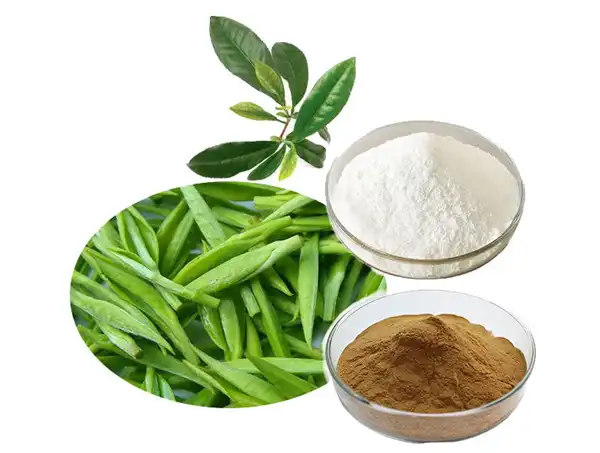
Understanding Green Tea Extract Powder Bulk and the Importance of COA Reports
Green tea extract powder bulk is a controlled, industrial-grade form of medicinal polyphenols that comes from Camellia sinensis leaves. Unlike regular tea bags or consumer-grade matcha, this ultra-pure powder is designed to be used on a big scale in the production of food supplements, functional drinks, and anti-aging cosmetics. By making sure that catechin profiles, especially Epigallocatechin Gallate (EGCG) levels, and L-theanine levels are the same, the extraction process gets rid of the absorption variability that comes with raw farming materials. The process starts with picking young tea leaves, then enzymes are used to stop them from oxidizing, and finally water or ethanol is used in several steps to remove the tea. Spray-drying or freeze-drying the concentrate produces a fine powder with a controlled moisture level below 5%, which prevents microbes from growing. This way of making things solves the problem of solubility vs. strength that people who make drinks often face by giving them clear solutions that don't settle like ground leaf material does.
Why COA Reports Are Non-Negotiable in B2B Procurement?
Certificate of Analysis reports are like a road map for quality control; they list important factors that have a direct effect on the success of the product and approval by the regulatory body. These reports confirm the total polyphenol content, which can be anywhere from 50% to 98% using UV spectroscopy; the specific EGCG concentrations that can be measured using High-Performance Liquid Chromatography (HPLC); and the caffeine levels, which can be anywhere from less than 0.5% in decaffeinated versions to 10% in natural energy versions. Along with checking the active ingredient, the COA also makes sure the product is microbiologically safe by checking the total plate count, the amounts of yeast and mold, and the disease screening for Salmonella and E. coli. Heavy metal tests for arsenic, cadmium, mercury, and lead make sure that FDA limits and European Pharmacopoeia guidelines are met. Foreign purchasing managers must take extra quality control steps, including pesticide screening and residual solvent analysis, to get BRC, HALAL, KOSHER, and Organic approvals.
The Technical Advantage of Bulk Powder Form
When you need to scale up output, bulk powder formulas clearly outperform capsules or liquid extracts. Standardized particle size—95% of them fit through an 80-mesh sieve—ensures even mixing when tablets are compressed or enclosed. The powder's bulk density is between 0.3 and 0.5 g/ml, which makes it ideal for capsule fill weight while keeping dose accuracy. The longer shelf life of 24 to 36 months when stored properly (cool, dry, and out of direct light) helps with global inventory management issues that raw tea leaves can't handle because they break down quickly due to enzymes.
Essential Quality Dimensions for Procuring Green Tea Extract Powder Bulk
Antioxidant strength is the most important thing to look at when judging the quality of an extract seller. The percentage of EGCG directly affects its medicinal effectiveness and market positioning. For example, Oxygen Radical Absorbance Capacity (ORAC) numbers indicate that EGCG levels between 45 and 60% offer the best antioxidant capacity. To ensure that catechin profiles are correct, procurement teams should ask for both HPLC chromatograms and COA reports. This is because total polyphenol content alone can't tell the difference between active EGCG and less potent catechin derivatives.
Organic Versus Conventional: Strategic Considerations
The difference between organic and standard varieties isn't just about marketing appeal; it also depends on how the crops are grown, how much approval costs, and how complicated the supply chain is. Some organic standards, like USDA Organic or EU Organic, need proof that the powder came from a farm and was made without using pesticides. This proof can come in the form of records about how the land was managed and pesticide tests. Organic varieties usually cost 20–35% more than regular varieties, but they give you access to niche markets like certified organic supplement lines and clean-label makeup formulas. Not only do cultivation methods affect licensing status, but they also affect the amount of polyphenols present at the start. Studies indicate that tea plants grown in managed shade have higher levels of catechins. The amount of caffeine in tea depends on when it is picked. If a buyer is making a line of high-end products, they should check to see how open the seller is about farming methods, since these affect the consistency between batches, which is important for approved production processes.
Safety Profiles and Dosage Considerations
Knowing the safe dosage limits helps R&D teams make products that are legal and reduce the risk of side effects. The clinical literature states that the daily intake of EGCG should remain below 800 mg to avoid possible hepatotoxicity issues. However, most studies show that doses between 200 and 500 mg per serve are very safe. Caffeine content needs extra attention for supplements used at night or for people who are sensitive to caffeine. Asking for low-caffeine or decaffeinated grades gets around these manufacturing problems. For use in anti-aging serums and creams, technical grades need to have little effect on color and be easily dissolved in emulsion systems to keep colors from changing due to oxidation. The extract's ability to stop collagenase and elastase enzymes from working has been shown to work in clinical studies, backing up claims that it can make skin more stretchy and reduce wrinkles when applied topically at a concentration of 2 to 5 percent.
Comparison of Green Tea Extract Powder Bulk Products: Making the Right Choice
When buying, teams look at different suppliers; they need to look at more than just the prices they offer. Which extract specs meet your production needs depends on the unique needs of the application. For companies that make ready-to-drink drinks, cold-water-soluble grades designed for clarity in acidic matrices (pH 3–4) work best. For companies that make capsules, preferred granular forms improve flowability in high-speed packaging equipment and prevent capping problems during tablet compression.
Supplier Evaluation Framework
Checking manufacturing certifications like ISO 9001 for quality management systems, FSSC 22000 for food safety, and industry-specific standards like NSF approval for dietary supplement makers is the first step in judging a company's reputation. Having third-party testing results from reputable labs increases trust in the accuracy of the COA. Suppliers who are willing to provide batch-specific testing results from approved facilities demonstrate their commitment to being open and honest. Reviewing records and customer feedback can help procurement managers figure out how reliable a seller is, but they should also check this directly with current customers in similar industries. When making custom formulations or packaging for a specific brand, private labeling is crucial. This is because OEM service providers can make your supply chain more efficient by handling recipe development, encapsulation, and packing all under one contract.
Price-Quality Analysis for Strategic Sourcing
A full cost analysis looks at more than just the price per kilogram. It also looks at minimum order amounts, bulk discount structures, and payment terms that have an effect on managing cash flow. MOQs usually run from 25 kg to 500 kg, based on the specifications of the extract. Orders over 1,000 kg can receive discounts of 10-15%. To accurately compare domestic and foreign providers, you need to figure out the total landing cost, which includes freight, customs fees, and storage costs. Quality-adjusted price takes into account the fact that higher polyphenol concentrations mean more active compounds per gram, which could mean a lower dosage is needed and lower total formulation costs. When you figure out the cost-per-dose for finished goods, a 95% polyphenol extract at $85/kg might be a better deal than a 50% extract at $45/kg. This is especially true for high-end supplement lines that claim to work, so they can spend more on ingredients.
Strategic Procurement Considerations for Green Tea Extract Powder Bulk
To do foreign buying right, you need to know how suppliers set their MOQs and how to use large orders to get better terms. Many manufacturers use tiered pricing to reward customers who stick with them. For example, making an annual supply deal can lower the cost per unit while guaranteeing priority during times of high demand. Payment options like letter of credit, net 30-60 terms for established accounts, and milestone-based payments for big orders make it easier to plan your finances. These payment options help with operating capital.
Supply Chain Logistics for Botanical Powders
Logistics management that works well considers how sensitive plant products are to changes in the environment while they are being shipped. For long-distance shipping, you need to control the temperature, especially when you go through warm areas where heat can break down phenolic content. For foreign suppliers, lead times usually run from 4 to 8 weeks, which includes production, quality testing, and ocean freight. Air freight options shorten delivery to 7 to 10 days but cost 200 to 400% more. If you know the rules for customs, you can avoid expensive waits at the port of entry. For U.S. imports, botanical products may need phytosanitary certificates, proof of treatment, and an FDA Prior Notice filing. Working with customs agents who know about nutritional ingredients accelerates the clearance process, and using the correct Harmonized Tariff Schedule classification makes sure that duty is calculated correctly. By keeping a buffer inventory equal to 1.5 times the average wait time, you can protect against supply problems without tying up too much capital in warehouse stock.
Optimizing Supplier Communication
Specification sheets with needed polyphenol percentages, EGCG concentrations, caffeine levels, and any special processing needs, like radiation cleaning or organic certification, should be the first step in any good question process. By asking for COA templates during the first talks, you can find out what the supplier's paperwork standards are before you commit to trial orders. Misunderstandings that cause batches to be rejected can be avoided by being clear about testing processes, such as how to do polyphenol analysis, microbial testing, and heavy metal screening.
Ensuring Long-Term Supply and Quality in Your Green Tea Extract Bulk Sourcing
To make supply lines more stable, you need to go beyond just buying things and form strategic partnerships with sellers that you've checked out. Private label and OEM solutions let you make your product stand out by using custom formulas, unique catechin ratios, or special blends that mix green tea extract powder bulk with plants that work well together. As part of these relationships, suppliers' R&D teams often help with formulation and stability tests to make sure the product has a long shelf life and help with legal paperwork for FDA GRAS notifications or EU Novel Food applications. To keep quality high over long-term supply agreements, we need systematic verification procedures. Using batch tests as soon as you get the materials—even if you accept the COAs from the suppliers—catches problems before the materials are used in production. Random testing by a third party at an independent lab gives neutral quality proof, while trending analysis of COA parameters across multiple shipments shows slow quality drift that needs to be talked over with the seller.
Digital traceability tools make the supply chain more open by using blockchain to record information, keeping track of goods in real time, and sending out automatic quality alerts when COA factors aren't within certain ranges. When you're selling to controlled markets that require full proof of ownership from the tea garden to the finished product, these technologies are very useful.
In the future, buying tactics will need to change to keep up with how the market is changing. Demand for organic certification continues to rise at a rate of 12–15% per year. This is because consumers want clean-label goods, and regulators are putting pressure on companies to use fewer man-made additives. Early users can gain a competitive edge by using new technologies like microencapsulated extracts for controlled-release vitamins and water-dispersible grades for functional beverage clarity.
Conclusion
Green tea extract powder bulk purchase with verified COA reports is a basic condition, not an extra quality check. The paperwork provides you with important information about the safety limits, polyphenol potency, and regulation compliance. This keeps your brand's image safe and makes sure that your products always work well. Strategic source selection balances cost with quality, security, the number of certifications, and the ability to form partnerships that help a business grow over the long run. Procurement teams build strong supply chains that can adapt to changing market needs while keeping the highest product standards in nutraceutical, pharmaceutical, and cosmetic applications. They do this by putting in place systematic verification protocols, keeping buffer stocks, and working together with suppliers.
FAQ
How do I verify green tea extract authenticity through COA examination?
Real COA reports should have specific tests done on each batch within 90 days of production, with method references like "EGCG by HPLC according to USP method" instead of general claims. Check that the lab that did the tests is ISO 17025 certified, and then compare the results to what is usually found. For example, total polyphenols should be between 50 and 98%, and EGCG should be between 20 and 60%, based on the grade. For high-value orders, you should ask a third party to test them to make sure the supplier's paperwork is correct.
What is the typical shelf life of green tea extract powder under optimal storage?
Green tea extract powder stays stable for 24 to 36 months if it is kept below 25°C in airtight containers and out of direct sunlight. Under controlled settings, stability tests show that polyphenol degradation stays below 10% during this time. The shelf life of food stored in the fridge is longer, but the food needs to come to room temperature before it can be opened to avoid moisture condensation.
Do COA reports satisfy regulatory requirements in European and American markets?
COA reports are needed and are part of the necessary paperwork, but they are not enough to show that you are following the rules. According to FDA rules, companies must keep certificates of analysis files that show the names, quality, and makeup of their ingredients. Novel Food rules in Europe require more safety checks and a list of approved suppliers for European markets. COA reports help with regulatory entries like facility registrations and product alerts, but they don't replace them.
Partner with Avans for Premium Green Tea Extract Powder Bulk Supply
At Avans NutriHealth Co., Ltd., we offer pharmaceutical-grade green tea extract powder in bulk, along with full COA paperwork that complies with international approval standards such as ISO, HALAL, KOSHER, BRC, and Organic. With more than 100 workshop operation experts and a yearly production capacity of more than 1,000 tons, we provide a reliable supply that procurement managers can count on to keep manufacturing plans on track.
Avans mixes manufacturing knowledge with technical help throughout the whole procurement process, from coming up with the original specifications to improving formulations and creating private label solutions that fit your market position. Our quality control procedures include HPLC testing for each batch, third-party confirmation, and full tracking paperwork that meets the strictest legal needs for medicinal, nutraceutical, and cosmetic uses.
Email our team at Lillian@avansnutri.com to talk about your unique needs with a dedicated account manager who knows how hard it is to find plant extracts. We offer personalized price quotes, sample packages with full COA reports, and advice on how to best formulate our premium green tea extract powder bulk products so that they work as medicine as much as possible. We make sure that quality and openness are maintained at every step of the supply chain as a reliable green tea extract powder bulk producer.
References
1. Lambert, J.D., & Yang, C.S. (2020). Mechanisms of cancer prevention by tea constituents. Journal of Nutrition, 150(8), 1817-1824.
2. Chacko, S.M., Thambi, P.T., Kuttan, R., & Nishigaki, I. (2019). Beneficial effects of green tea: A literature review. Chinese Medicine, 5(1), 13-28.
3. Gan, R.Y., Li, H.B., Sui, Z.Q., & Corke, H. (2018). Absorption, metabolism, anti-cancer effect, and molecular targets of epigallocatechin gallate: An updated review. Critical Reviews in Food Science and Nutrition, 58(6), 924-941.
4. Rains, T.M., Agarwal, S., & Maki, K.C. (2021). Antiobesity effects of green tea catechins: A mechanistic review. Journal of Nutritional Biochemistry, 82, 108401-108415.
5. European Food Safety Authority Panel on Food Additives and Nutrient Sources. (2018). Scientific opinion on the safety of green tea catechins. EFSA Journal, 16(4), 5239-5267.
6. United States Pharmacopeial Convention. (2022). Green Tea Extract Monograph. USP-NF Official Monographs, 45th edition, 3421-3425.