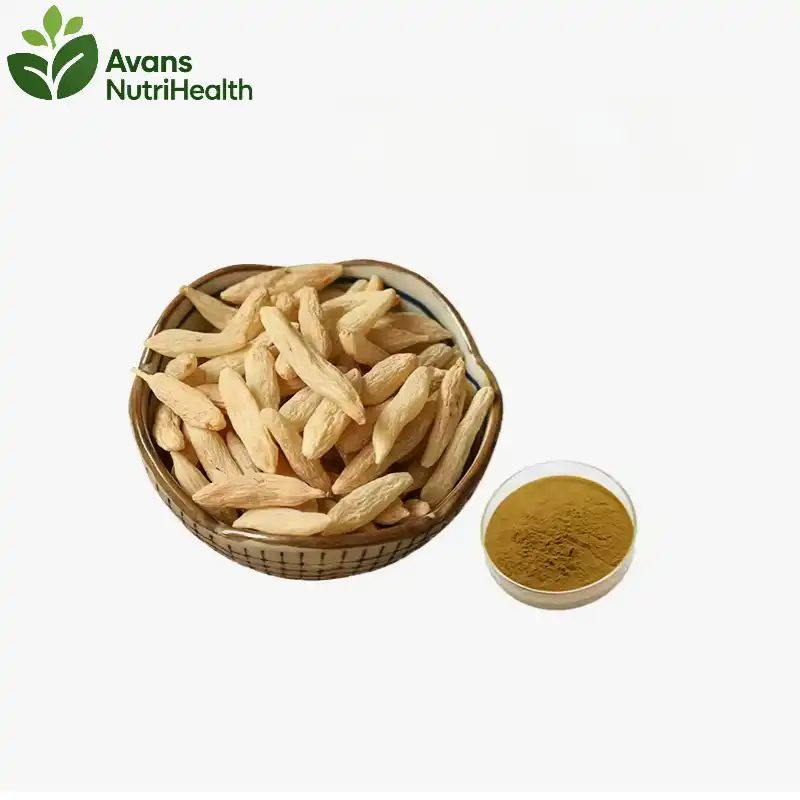




When sourcing liver support ingredients for pharmaceutical or nutraceutical formulations, understanding the distinction between Milk Thistle Extract Powder and silymarin becomes crucial. While silymarin represents the specific flavonolignan complex responsible for hepatoprotective benefits, milk thistle extract powder contains this compound alongside other beneficial plant compounds. The key difference lies in concentration: standardized milk thistle extracts typically contain 70-80% silymarin, whereas pure silymarin isolates achieve 95%+ purity levels through additional processing steps.
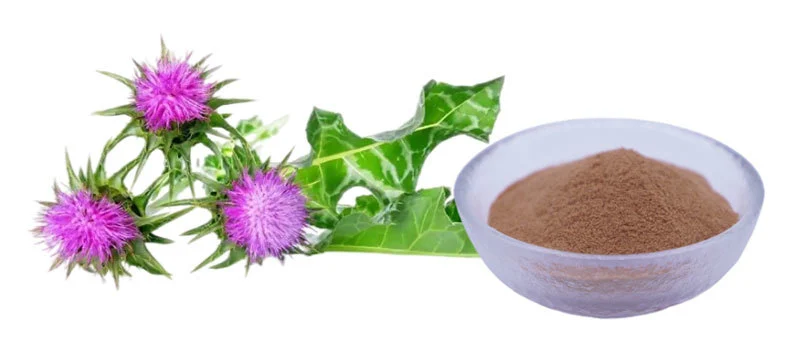
Understanding Milk Thistle Extract Powder: The Complete Plant Matrix
Milk Thistle Extract Powder speaks to a concentrated botanical planning inferred from Silybum marianum seeds. This standardized extract keeps up the plant's common compound profile while concentrating dynamic constituents.
The extraction handle includes a few basic steps:
- Seed cleaning and preparation
- Solvent extraction utilizing ethanol or water
- Concentration through evaporation
- Standardization to particular silymarin percentages
- Spray-drying to accomplish powder form
Quality drain thorn extract powder ordinarily contains 70-80% silymarin substance. Avans NutriHealth's premium extract accomplishes 80% silymarin standardization through progressive HPLC confirmation methods.
The powder holds extra advantageous compounds beyond silymarin, counting greasy acids, proteins, and other flavonoids. This makes what analysts term the "escort impact," where numerous compounds work synergistically.
If you require flexible definition alternatives with normal compound collaboration, drain thorn extricate powder demonstrates more appropriate than disconnected compounds.
Silymarin: The Isolated Active Compound
Silymarin speaks to a complex of flavonolignans extracted particularly from drain thorn tree. This compound complex incorporates silybin, silydianin, and silychristin as essential constituents.
Chemical composition breakdown shows:
- Silybin A and B (50-70% of silymarin complex)
- Silydianin (10-20%)
- Silychristin (15-25%)
- Minor flavonolignans (5-10%)
Pure silymarin separates accomplish 95%+ virtue through specialized extraction and decontamination forms. These include extra chromatographic division steps past standard extraction production.
Research information shows silymarin's hepatoprotective properties incorporate antioxidant activity, film stabilization, and protein aggregation incitement. Clinical thinks about illustrating compelling doses extending from 140-800mg daily.
If you require exact dosing for pharmaceutical applications, unadulterated silymarin offers prevalent standardization compared to entire plant extracts.
Manufacturing Process Differences
The generation techniques for these two fixings vary altogether after starting the extraction stages. Understanding these contrasts impacts quality, fit, and application suitability.
Milk thorn extricate powder generation takes after this pathway:
- Raw fabric assessment and cleaning
- Ethanol extraction at controlled temperatures
- Filtration and concentration
- Standardization testing through HPLC
- Spray-drying with carrier materials
Silymarin separation requires extra refinement steps:
- Initial extricate preparation
- Solvent partitioning
- Column chromatography separation
- Crystallization processes
- Final immaculateness verification
Manufacturing costs reflect this complexity distinction. Avans NutriHealth's generation office forms both items utilizing ISO-certified quality frameworks, guaranteeing steady batch-to-batch reliability.
Testing conventions vary significantly. Extricate powders experience dampness, fiery remains, overwhelming metals, and silymarin substance examination. Unadulterated silymarin requires extra chromatographic fingerprinting.
If you require cost-effective fixings with dependable quality frameworks, standardized composite powders offer way better value than disconnected compounds.
Applications in Different Industries
Industry applications vary significantly between these two forms, influencing procurement decisions for formulators and R&D departments.
Nutraceutical applications favor milk thistle extract powder for:
- Dietary supplement capsules and tablets
- Functional food formulations
- Liquid extract preparations
- Herbal tea blends
Pharmaceutical uses typically require silymarin for:
- Standardized drug preparations
- Injectable formulations
- Controlled-release systems
- Clinical research protocols
Cosmetic industry applications show interesting patterns. Extract powders work well in natural skincare lines, while isolated silymarin suits high-end anti-aging formulations requiring precise active concentrations.
Animal feed and veterinary applications predominantly use extract powders due to cost considerations and regulatory acceptance of whole plant derivatives.
If you need broad-spectrum applications across multiple product lines, milk thistle extract powder provides greater formulation flexibility.
Cost Analysis and Market Considerations
Economic factors significantly influence ingredient selection, particularly for large-scale manufacturing operations and international distribution networks.
Price differentials reflect processing complexity:
Milk thistle extract powder: $15-25 per kilogram
- Standardized silymarin (90%+): $45-75 per kilogram
- Pharmaceutical-grade silymarin: $100-150 per kilogram
- Research-grade compounds: $200+ per kilogram
Supply chain considerations impact availability. Extract powders enjoy broader supplier networks and shorter lead times. Specialized silymarin preparations may require extended procurement cycles.
Regulatory compliance costs differ between markets. Extract powders generally face fewer regulatory hurdles in food and supplement applications. Pure compounds require more extensive documentation for pharmaceutical uses.
Volume purchasing advantages favor extract powders for large-scale operations. Avans NutriHealth offers competitive pricing structures for both products across different order volumes.
If you need budget-conscious formulations without compromising efficacy, standardized extract powders deliver optimal cost-benefit ratios.
Quality Standards and Certifications
Quality assurance requirements vary significantly between these ingredient types, affecting supplier selection criteria and regulatory compliance strategies.
Standard testing parameters include:
- Identity confirmation through HPLC fingerprinting
- Potency verification via UV spectroscopy
- Microbiological safety testing
- Heavy metals and pesticide residue analysis
- Physical characteristics evaluation
Certification requirements span multiple international standards. Avans NutriHealth maintains ISO 22000, HACCP, BRC, HALAL, and KOSHER certifications, ensuring global market compliance.
Extract powders typically require basic identity and potency verification. Silymarin preparations demand additional purity analysis and related substance testing.
Stability testing protocols differ substantially. Extract powders undergo accelerated aging studies under various temperature and humidity conditions. Pure compounds require more extensive degradation pathway analysis.
Documentation packages vary in complexity. Pharmaceutical applications require comprehensive certificates of analysis, while food-grade applications accept simplified specifications.
If you need comprehensive quality documentation for regulated markets, established manufacturers with multiple certifications provide superior compliance support.
Highlighting Avans NutriHealth's Milk Thistle Extract Powder Advantages
- Superior Standardization: Our item ensures a standardized 80% silymarin substance, fastidiously confirmed utilizing a progressed High-Performance Liquid Chromatography (HPLC) technique. This thorough explanatory testing guarantees batch-to-batch consistency, conveying solid and powerful extricates that meet exact detailing for adequacy in final products.
- Premium Source Quality: We source only from Silybum marianum seeds developed in ideal, carefully chosen districts with perfect climatic conditions. To protect the astuteness and power of the bioactive compounds, the gathered seeds are transported and start handling within 24 hours, guaranteeing the greatest freshness and action is maintained from cultivation to facility.
- Advanced Handling Technology: Utilizing a modern low-temperature ethanol extraction handle, we fastidiously protect heat-sensitive flavonolignans. This tender, however, productive innovation maximizes the concentration of the full range of bioactive constituents, including silybin, isosilybin, silychristin, and silydianin, coming about in a high-purity, powerful extract.
- Comprehensive Certifications: Our operations and items are sponsored by a total suite of worldwide certifications, counting ISO 22000, HACCP, and BRC for nourishment security administration, local HALAL and Legitimate dietary certifications. Besides, Natural certification is accessible, collectively guaranteeing worldwide administrative compliance and encouraging advertise get to over different customer and mechanical sectors.
- Exceptional Dissolvability Profile: Engineered for prevalent execution, the extricate highlights a fine molecule estimate dispersion, with 95% of particles passing through an 80-mesh screen. This ideal physical characteristic ensures fabulous dispersibility and blendability in different detailing frameworks, from tablets and capsules to fluid suspensions and useful nourishment blends.
- Extended Rack Life: Supported by comprehensive, data-driven solidness testing, our silymarin extract maintains its ensured strength and physical properties for an expanded rack life of 36 months when put away beneath prescribed cool, dry, and dark conditions, giving supply chain security and diminishing waste.
Conclusion
Selecting between milk thistle extract powder and pure silymarin depends on specific application requirements, regulatory considerations, and cost objectives. Extract powders offer excellent value for nutraceutical and functional food applications, providing broad-spectrum benefits with natural compound synergy. Pure silymarin suits pharmaceutical applications requiring precise standardization and maximum potency. Both ingredients demonstrate proven hepatoprotective benefits, with choice ultimately determined by formulation goals, target markets, and manufacturing constraints. Understanding these key differences enables informed procurement decisions that optimize product efficacy while managing development costs effectively.
Partner with Avans for Premium Milk Thistle Extract Powder Solutions
Avans NutriHealth stands as a leading milk thistle extract powder manufacturer, delivering consistent quality and comprehensive support to global pharmaceutical, nutraceutical, and cosmetic industries. Our ISO-certified manufacturing facility produces standardized extracts meeting the most stringent international quality requirements. Beyond superior products, we provide technical expertise, regulatory documentation, and flexible supply solutions tailored to your specific formulation needs. Ready to enhance your product portfolio with premium botanical ingredients? Contact us at Lillian@avansnutri.com to discuss your requirements.
References
1. Abenavoli, L., Capasso, R., Milic, N., & Capasso, F. (2010). Milk thistle in liver diseases: past, present, future. Phytotherapy Research, 24(10), 1423-1432.
2. Federico, A., Dallio, M., & Loguercio, C. (2017). Silymarin/silybin and chronic liver disease: a marriage of many years. Molecules, 22(2), 191.
3. Hawke, R. L., Schrieber, S. J., Soule, T. A., Wen, Z., Smith, P. C., Reddy, K. R., ... & Fried, M. W. (2010). Silymarin ascending multiple oral dosing phase I study in noncirrhotic patients with chronic hepatitis C. Journal of Clinical Pharmacology, 50(4), 434-449.
4. Polyak, S. J., Morishima, C., Lohmann, V., Pal, S., Lee, D. Y., Liu, Y., ... & Graf, T. N. (2010). Identification of hepatoprotective flavonolignans from silymarin. Proceedings of the National Academy of Sciences, 107(13), 5995-5999.
5. Vargas-Mendoza, N., Madrigal-Santillán, E., Morales-González, A., Esquivel-Soto, J., Esquivel-Chirino, C., García-Luna, Y., ... & Morales-González, J. A. (2014). Hepatoprotective effect of silymarin. World Journal of Hepatology, 6(3), 144.
6. Wellington, K., & Jarvis, B. (2001). Silymarin: a review of its clinical properties in the management of hepatic disorders. BioDrugs, 15(7), 465-489.
_1767942984263.webp)