




Looking for Reliable Green Tea Extract Powder Suppliers?
Securing a dependable source of high-quality concentrated catechin-rich ingredients is critical to protecting your product integrity and maintaining regulatory compliance across global markets. When searching for trustworthy partners in the nutraceutical and pharmaceutical raw material sectors, identifying manufacturers who demonstrate verifiable production transparency, international certifications, and consistent batch-to-batch quality becomes essential. Green tea extract powder bulk represents a strategic procurement category where supplier selection directly influences formulation stability, bioavailability performance, and end-user safety across dietary supplements, functional beverages, and cosmetic applications. A methodical approach to supplier evaluation ensures your supply chain remains resilient while meeting the demanding specifications of R&D departments and quality assurance teams navigating complex regulatory environments.
Understanding Green Tea Extract Powder Bulk: Key Insights for B2B Buyers
Green tea extract powder bulk is a standard, industrial-grade amount of bioactive polyphenols from Camellia sinensis leaves. It is designed to be used on a big scale in the production of dietary supplements, functional foods, and cosmetics. This concentrated form has constant amounts of potency that can't be found in raw agricultural materials.
What Differentiates Extract Powder from Other Tea Forms?
Unlike green tea leaves or matcha powder, this bulk concentrate is extracted and dried in a planned way to separate the active ingredients. Standardizing the amount of catechin and EGCG in the powder using proven testing methods fixes a major absorption problem that comes up with raw materials. This standardization solves the solubility vs. strength problem that drink formulators were having, making it possible for clear liquid solutions that don't have the sedimentation problems that come with ground leaf material. Furthermore, the right way to extract tea slows down the fast enzymatic oxidation that happens with green tea. This means that it can stay stable for 24 to 36 months in controlled storage conditions, which is a huge benefit for managing global supplies and setting up international distribution networks.
Core Benefits Driving Market Demand
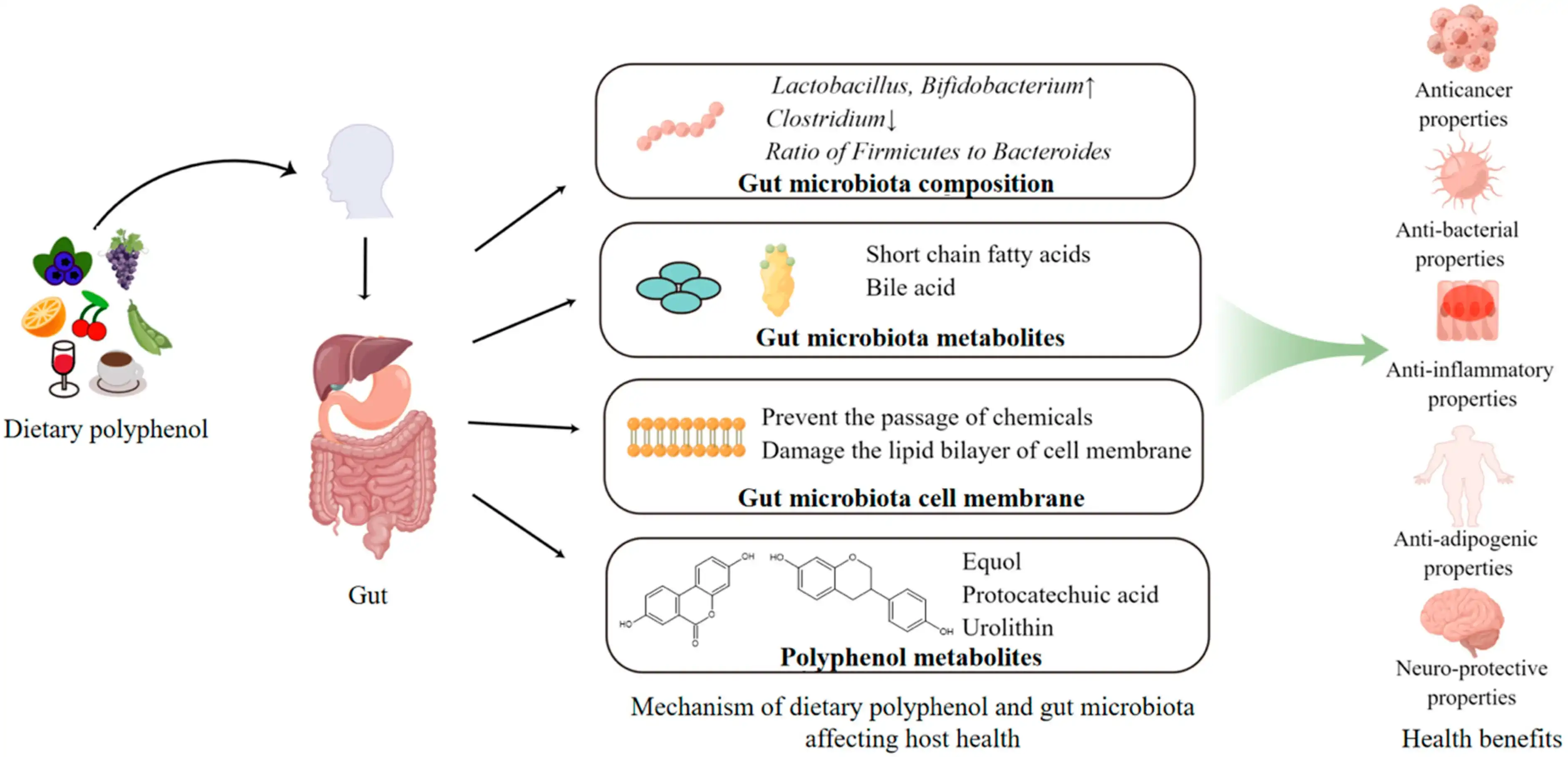
Standards for green tea polyphenols have therapeutic and practical qualities that make them useful in many different fields. Research shows that foods with a lot of antioxidants, especially catechins like EGCG, protect cells from oxidative stress and make them more protective. It has been shown in studies to help protect cells from damage caused by aging and a number of health problems, which makes it useful for nutritional products. Catechin substances may help lower blood pressure and improve lipid profiles, which can help support heart health in functional food uses. People in the study who took standardized extracts had lower blood pressure and better blood cholesterol measurements, which shows that the extracts could be used in cardiovascular medicine.
Neuroprotective qualities have been shown, with bioactive substances protecting neural cells from oxidative stress and helping them remember things. Because of these benefits, the ingredient is a good choice for brain health supplements that are aimed at older people and people who want to improve their performance. The combination of catechins and caffeine may help with weight loss because it may speed up thermogenesis and metabolism. Even though the benefits are small and vary from person to person, controlled studies show that they make a real difference in weight management plans when added to healthy living changes.
Application Environments and Technical Requirements
This pure material can be used in three different types of businesses. When it comes to ready-to-drink healthy drinks with acidic pH levels, EGCG consistency is very important. Using advanced production methods like enzyme debittering and membrane filtration stops tea cream from settling during cooling while keeping the clarity of the drink, which is an important quality factor in today's competitive retail market. Granular extract types that work best with high-speed encapsulation tools are used to make dietary supplements. These special grades make it easier for the tablets to flow and be compressed, which stops problems like capping and sticking that happen during high-volume production runs. Each serving unit also contains at least 500 milligrams of antioxidants.
In cosmetic products, technical grades made for anti-aging serums and creams are used. These grades have qualities that stop collagenase and elastase from working, which is good for skin health. Cosmetic-grade standards need limited color change and better solubility in emulsion systems to stop oxidation-related discoloration that makes the product look bad and loses customer acceptance.
How to Choose the Right Green Tea Extract Powder Bulk Supplier?
To find the right manufacturing partner, you need to carefully look at a lot of different practical and quality factors that have a direct effect on how well your product does in the market and with regulators.
Essential Certification Framework
International licenses build trust in suppliers and make it easier for them to sell their goods in controlled areas. ISO system certification shows that quality management processes and protocols for constant growth have been written down. With HALAL and KOSHER certifications, you can reach religiously restricted customer groups and local areas. BRC certification confirms that food safety management systems are working, which is especially important for markets in Europe and North America. Organic certification, on the other hand, proves that production methods don't use synthetic pesticides or chemical fertilizers, which is something that health-conscious consumers are increasingly looking for.
Process Transparency and Traceability Systems
Professional makers are different from commodity sellers because they know where to get their raw materials, how to extract them, and how to keep track of their batches. Reliable providers keep detailed records of the whole chain of custody, from where the leaves came from to how they are packaged at the end. This openness is important for government checks and customer questions, especially as supply chain accountability becomes more important in corporate responsibility frameworks.
The extraction method used has a big effect on the end product's properties. Phytochemical profiles are different when extracted with water compared to when extracted with ethanol. Bioavailability, stability, and formulation compatibility are all affected by membrane filtration, spray drying factors, and standardization methods. When manufacturers talk about these technical details freely, it shows that they are sure of their production skills and ready to help you with your recipe development needs for green tea extract powder bulk.
Comparing Organic versus Conventional Products
To decide between organic and standard farming, you have to weigh the costs of approval against the needs of the market and the price. Organic approval comes with higher costs, but it sets supplements apart in a crowded market and meets certain store needs. Conventional grades are more cost-effective for uses where being organic doesn't give a big marketing boost. This smart purchasing choice is based on how ready your target market is to pay more for certified organic claims.
Private Label and OEM Capabilities
Manufacturers that give private label services and help with unique formulations add strategic value above and beyond the supply of commodities. With these skills, brands can stand out by using their own mixes, special delivery methods, and custom strength requirements. You can protect your intellectual property and encourage innovation by asking a seller about their minimum order requirements for custom projects, their formulation knowledge, and their desire to sign non-disclosure agreements. After-sales technical support, such as help with stability testing and regulatory paperwork, is a measured value adder, especially for mid-sized brands that don't have a lot of R&D resources in-house.
Market Solutions and Pricing Analysis for Bulk Green Tea Extract Powder
Knowing how the market works, how prices change, and how to get green tea extract powder in bulk to where they need to go helps you make smart purchasing choices that balance the need for quality with the need to stay within your budget.
Format Diversity and Application Matching
The market for concentrated extract comes in a number of different types that are best for different production settings. For even mixing in direct compression tableting, fine powders that pass through 80-mesh screens 95% of the time are used. Granular forms make it easier to fill capsules because they can flow more easily. Instant grades that dissolve in cold water cost more, but they make mixing easier for drinking uses. For certain formulas, encapsulated forms guard against oxidation and allow controlled release. Making sure the physical format fits your production tools and process needs can help you avoid costly reformulation rounds and production delays.
Pricing Structure and Volume Economics
Prices vary a lot depending on the level of flavonoid standardization, the amount of caffeine, and whether the product is organically certified. Extracts for beginners that are standardized to 50% polyphenols usually cost between $15 and $25 per kilogram when bought in bulk of several tons. Premium types with at least 45% EGCG and 98% polyphenol content cost $60 to $95 per kilogram, based on the size of the order and where the seller is located. All strength grades pay an extra $8 to $15 per kilogram for organic approval.
Minimum order amounts have a big effect on the costs of each unit. Lowest prices are available for container loads of 5,000 to 10,000 kilograms, but you need a lot of working cash and stock space. Pallet amounts of 500 to 1,000 kilograms work well for medium-sized businesses that need to balance low costs with quick product turnover. Sample orders and first trial orders of less than 50 kilos cost more, but they let you test your recipe before committing to bigger purchases.
International Logistics and Compliance Considerations
Cross-border buying is more complicated than local sourcing arrangements. Ocean freight is still the most cost-effective way to move large amounts of goods. It usually takes 25 to 35 days to get from Asian production hubs to North American ports. Air freight cuts lead times by a huge amount, to 5 to 7 days, but it also raises landing costs by 200% to 400%, so it's only a good idea for urgent needs or high-value, specialized grades.
For imports to be legal, the right paperwork is needed, such as phytosanitary certificates, certificates of analysis, and customs reports that are in line with unified tariff classifications. Customs delays can be very expensive, so it's best to work with suppliers who know how to export and are happy to provide full paperwork packages. Advanced packing methods, such as nitrogen cleaning, moisture barrier films, and adding desiccant, keep the integrity of the product during long shipping and storage times, keeping your investment safe from environmental damage.
Manufacturing and Quality Assurance: What Buyers Should Know?
The way your product is made and how strict the quality control is will directly affect how consistent the ingredients are and how well you can defend your product in court throughout its lifecycle. Green tea extract powder bulk production requires rigorous oversight to maintain market standards.
Extraction and Processing Technologies
The process of making it starts with choosing leaves from certain types of Camellia sinensis that were grown under controlled conditions. When you use hot water or hydroalcoholic extraction, the target polyphenols dissolve, but the unwanted chemicals stay solid. Modern companies use several steps of extraction with the right amounts of temperature, pressure, and solvents to get the most catechins out of the plant while reducing the amount of caffeine that is extracted at the same time in decaffeinated grades.
The thermal breakdown of sensitive polyphenols can be stopped by concentrating them through evaporation in a vacuum. Spray drying or freeze-drying can turn a liquid mixture into a steady powder. The drying conditions must be carefully managed to keep the bioactivity. Final milling and screening create certain particle size ranges that affect how quickly things dissolve and how the production process is handled.
Laboratory Testing and Quality Verification
Professional manufacturers can be told apart from basic commodity sellers by thorough analytical testing methods. High-performance liquid chromatography accurately measures the amounts of catechin substances like EGCG, ECG, EGC, and EC, proving that promises about their effectiveness are true. Colorimetric methods find out how much caffeine is present, while UV spectrophotometry finds out how many total polyphenols are present. For these tests to work, they need to use approved scientific standards that can be linked to foreign standards.
Contaminant screening keeps end users safe and makes sure that regulations are followed. Inductively coupled plasma mass spectrometry testing for heavy metals shows that amounts of lead, cadmium, mercury, and arsenic are still below what is allowed by law. Microbiological testing makes sure that the overall plate count, yeast, mold, and pathogen levels are below the guidelines set by the pharmaceutical industry. Multi-residue methods for screening pesticide residues find hundreds of possible farming chemicals, which is especially important for non-organic grades.
Custom Formulation and Private Label Services
Manufacturers who can formulate their own products offer strategic relationship possibilities that go beyond just supplying basic ingredients. Custom blending mixes green tea extract with botanicals, vitamins, minerals, or amino acids that work well together. This makes unique mixtures that are covered by intellectual property deals. Customizing particle size, covering technologies, and the creation of controlled-release matrices make it possible for products to work in different ways.
Private label programs take care of the whole process of making a product, from designing the recipe to packaging and marking it. This lets brands get into new markets quickly without having to spend a lot of money on building up factories. For custom projects, the minimum number of pledges is usually between 500 and 2,000 kilograms, based on how complicated the formulation is. It takes between 60 and 90 days from the time the specifications are finalized until the finished goods are delivered.
Mitigating Risks and Ensuring Long-Term Supplier Reliability
Active risk management keeps the supply chain going and upholds high standards that are important for the safety of consumers and the image of the brand. Establishing a consistent source for green tea extract powder bulk is the foundation of this strategy.
Common Mistakes in Buying
In the foreign trade of ingredients, quality disagreements often happen because of wrongly stated potency specifications. Some sellers give the total number of polyphenols without giving the exact amount of EGCG, which is the most bioactive and expensive part. Before signing a purchase deal, it is important to make sure that the claimed specifications are correct by asking for certificates of analysis from independent third-party labs instead of just depending on supplier paperwork.
When performance varies from batch to batch, it leads to recipe problems and customer complaints. By setting acceptance standards with clear tolerances for key parameters and needing sample approval before shipping, you can keep non-conforming material out of your supply chain. Having a backup stock of approved batches on hand helps keep things running smoothly during quality investigations or source changes.
Sometimes, fake organic or HALAL paperwork is used to commit certification theft. Fraudulent claims can be avoided by directly checking the legitimacy of certificates with the organizations that issued them and asking for up-to-date certificates that are still valid. Physical building checks take a lot of time and money, but they are the only way to be sure that a company can really make something and that the approval is real for key supply relationships.
Building Partnership Relationships Based on Openness
Long-term supplier success rests on both parties knowing each other and having incentives that go beyond just buying things. By making your quality standards, application needs, and legal obligations clear, you allow suppliers to find the best production factors that meet your needs. Regular scientific conversations about formulation problems, market trends, and quality observations help people work together to solve problems.
Setting up rules for how to talk about things like managing orders, alerting people about quality issues, and planning supplies stops mistakes that throw off production plans. Setting up key contact people for technical, business, and transportation issues makes it easier for information to move. Regular business reviews that look at performance indicators like on-time delivery, quality compliance, and response find ways to improve things and make partners more committed to the relationship.
Quality Monitoring and Audit Programs
Systematic testing of arriving materials makes sure that suppliers are following the terms of the buy. Every lot that comes in should at least go through identity testing using chromatographic fingerprinting, strength testing of marker chemicals, and microbiological screening. Expanded testing for heavy metals, pesticides, and other contaminants can be done on a risk-based plan that takes into account the past of the provider and how the item is used.
On-site exams are done on a regular basis to check manufacturing practices, quality systems, and the accuracy of paperwork in addition to reviewing certificates. Audit programs should look at where the raw materials come from, how well the production equipment is maintained, the lab's skills, the quality of the cleaning, and the storage conditions. Audit results that are written down and track corrective actions help make objective records of provider performance that support choices about qualifications and efforts to keep improving.
Conclusion
In global markets where competition is high, protecting your formulation's integrity and brand's image means finding makers whose production quality can be checked, who have thorough certifications, and who communicate clearly. In the concentrated tea polyphenol group, suppliers must pass a strict review that looks at their technical skills, quality systems, and ability to handle logistics. A good procurement process weighs up short-term cost concerns against the long-term stability of the supply chain, understanding that trustworthy relationships offer more than just unit price. By carefully looking at licenses, processing technologies, analytical skills, and risk mitigation measures, your business will be able to take advantage of market possibilities while still following the rules and keeping customers' trust. In the fast-paced nutraceutical, pharmaceutical, and cosmetics industries, innovation and difference are made possible by strategic supply relationships based on open communication and shared quality standards.
FAQ
How can I verify the authenticity and purity of green tea extract powder?
For verification, tests must be done in a separate lab using approved scientific methods. Ask for analysis certificates from independent ISO-certified labs that do HPLC analysis for catechin profile and UV spectrophotometry for total polyphenol content. By comparing sample profiles to verified reference standards using chromatographic fingerprinting, the identity of a plant is proven. Also, don't just accept copies of seller certifications; check them directly with the organizations that issued them. Physical supplier checks are the only way to be sure of a company's manufacturing skills and quality system application.
What is the usual minimum order quantity for buying in bulk?
Minimum order amounts are very different depending on the size of the seller and the type of product they offer. Large firms usually need at least 500 to 1,000 kilograms of standard grades. For the best prices, container loads of 5,000 to 10,000 kilos are needed. Custom formulas and private label projects usually need at least 1,000 to 2,000 kilograms of pledges. Specialized providers that work with smaller names may be able to handle orders of 100 to 250 kilograms at a higher cost. Sample sizes of 1 to 5 kilograms allow for recipe development before committing to buying in bulk for business use.
Which certifications should I prioritize when selecting a supplier?
Which certifications are most important to you depends on your target areas and what your customers want. Getting ISO system approval shows that you follow basic quality management principles that can be used in any market. Organic approval lets you get into higher-end markets and meets certain standards for retailers in North America and Europe. With HALAL and KOSHER certifications, you can reach faith groups and businesses in the Middle East. BRC certification verifies food safety systems in a way that big stores in Europe and North America need. Certification priority choices are based on an analysis of your distribution routes and the demographics of your end consumers.
Partner with Avans for Superior Green Tea Extract Powder Bulk Supply
At Avans NutriHealth Co., Ltd., we know that the success of your product relies on reliable, high-quality botanical ingredients, as well as clear communication and full technical support. We have been making plant extracts for nutrition, pharmaceutical, and skincare uses for a long time. We have strict quality standards that are backed up by ISO system certification, HALAL certification, KOSHER certification, BRC certification, and organic certification. Our independent research and development (R&D) and specialized production facilities with more than 100 skilled workers allow us to produce more than 1,000 tons of goods every year, making sure that you can always meet your manufacturing needs. As a reliable green tea extract powder bulk supplier, we encourage procurement managers, formulators, and R&D directors to email our team at Lillian@avansnutri.com to talk about your specific needs, get competitive quotes, request detailed product specifications, or set up sample testing.
References
1. Cabrera, C., Artacho, R., & Giménez, R. (2006). Beneficial effects of green tea—A review. Journal of the American College of Nutrition, 25(2), 79-99.
2. Chacko, S. M., Thambi, P. T., Kuttan, R., & Nishigaki, I. (2010). Beneficial effects of green tea: A literature review. Chinese Medicine, 5, 13-21.
3. Khan, N., & Mukhtar, H. (2019). Tea polyphenols in the promotion of human health. Nutrients, 11(1), 39-58.
4. Suzuki, Y., Miyoshi, N., & Isemura, M. (2012). Health-promoting effects of green tea. Proceedings of the Japan Academy, Series B, 88(3), 88-101.
5. Vuong, Q. V., Bowyer, M. C., & Roach, P. D. (2011). L-Theanine: Properties, synthesis, and isolation from tea. Journal of the Science of Food and Agriculture, 91(11), 1931-1939.
6. Yang, C. S., Lambert, J. D., & Sang, S. (2009). Antioxidative and anti-carcinogenic activities of tea polyphenols. Archives of Toxicology, 83(1), 11-21.