




Is turmeric powder the same as turmeric extract
No is the short answer. You can't mix turmeric powder and turmeric extract, and they are used for different things in business goods. The amount of active curcuminoids in regular turmeric powder is only 2 to 5 percent. On the other hand, Turmeric Extract Powder is a potent form that has been tested and proven to contain up to 95% curcuminoids. This big difference in strength and absorption means that turmeric extract is the best choice for companies that make beauty, medicine, and nutraceuticals, and want to make sure their goods always work well as medicine.
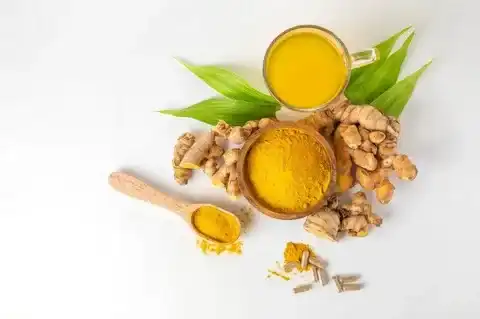
Understanding Turmeric Powder and Turmeric Extract
Business buyers need to know the difference between turmeric powder and turmeric extract to make the right choice. It is important to know these differences so that you can pick the right ingredients for your product. This will directly affect how well it works and where it stands in the market.
Raw Material Processing and Composition
Curcuma longa rhizomes that have been dried are ground into a fine powder to make turmeric powder. There are still all the plant chemicals in this everyday spice, but only a small amount of active curcuminoids—usually between 2% and 5%. The powder also has flammable oils, proteins, carbs, minerals, and other things besides the good chemicals. To make the beneficial chemicals stronger, Turmeric Extract Powder uses ethanol or ethyl acetate in a series of complicated liquid extraction steps. There are at least 95% curcuminoid compounds in this standardized plant extract. Most of them are curcumin (70% to 80%), demethoxycurcumin (15 to 20%), and bisdemethoxycurcumin (3%). Foods grown on farms have differences that are taken out during the extraction process. This leaves behind a pharmaceutical-grade ingredient that can be used in healing settings.
Manufacturing Implications for Product Development
Making things is harder because the makeup changes. When it comes to doses that are good for you, raw turmeric powder needs much larger amounts. This makes capsules hard to make and could mean that people have to eat too much. Extract powder solves the bioavailability-to-mass ratio problem by giving concentrated active ingredients in doses that are easy to handle. Standardized extracts are better for companies than raw farm spices because they have fewer dangerous microbes and heavy metals. The higher quality helps make sure that performance is the same from batch to batch and meets strict rules for medical and nutritional uses.
Health Benefits and Applications of Turmeric Extract Powder
Scientific studies have shown that pure curcuminoid products are very good for many health uses. These perks make it easy for companies that want to sell healthy goods to put their goods in places that people will want to buy them.
Anti-Inflammatory and Antioxidant Properties
Studies have shown that curcuminoids effectively reduce inflammation by stopping the cyclooxygenase-2 (COX-2) and lipoxygenase pathways. The process makes joint pain go away and helps the body's natural defenses against inflammation work well. The protective qualities of Turmeric Extract Powder aid in the fight against free radicals, which damage cells and speed up aging. A study says that standardized curcumin preparations work better than raw turmeric powder at changing biomarkers in inflammation tests. This scientific proof backs up what people say about joint health vitamins and healthy foods that are good for older and busy adults.
Formulation Guidelines and Bioavailability Enhancement
You need to know that curcumin doesn't mix well with water and breaks down quickly to make good products. Adding black pepper extract to turmeric extract is one of the best ways to make it up to 2000% more bioavailable. Liposomal transport systems or phospholipid complexes are used in other ways to improve uptake. It is suggested that you take 500 mg to 1000 mg of standardized extract every day as a food supplement. This gives you therapeutic amounts of curcuminoids that you can't get from regular turmeric powder. These concentrated solutions are good for your health and are simple for people to use and follow.
Safety Considerations and Regulatory Compliance
In clinical tests, Turmeric Extract Powder is safe, with few side effects seen at therapeutic amounts. But drug companies need to think about what might happen when people take their medicines together with medicines that thin the blood, and let people know what to do. Good suppliers give detailed safety information to back up regulatory applications in all foreign markets. It's safer to follow rules set by other countries, like the FDA's rules on dietary supplements, the EU's rules on new foods, and Health Canada's rules on natural health goods. This helps protect customer trust and market access. It is easier for officials to accept new products when extracts are standardized. This is because it is easier to check the strength of the products and keep track of their quality.
Comparing Turmeric Extract Powder with Other Turmeric Forms
Procurement experts need to be able to easily compare the different turmeric ingredients that are out there so that they can make the best recipe decisions. Every form has its own pros and cons that depend on the goods and the people who will be buying it.
Potency and Concentration Analysis
The different types of turmeric work very differently because they are not all the same amount concentrated. Normal turmeric powder doesn't have a lot of curcuminoids, just enough to make it good for cooking, but not enough to say it's good for you. Turmeric Extract Powder contains 20–40 times more active chemicals than turmeric powder, so even smaller doses can still have significant health effects. Full-spectrum products have chemicals that work together, but curcumin powder doesn't. It has 95% or more pure curcumin, but none of the chemicals that work together. Whole turmeric root has a long history, but it's hard to work with and doesn't always work well in a business setting.
Application Suitability Across Industries
In different fields, different kinds of turmeric are used to meet different needs, such as those set by rules and those of customers. Standardized extracts are mostly used in the nutraceutical industry to back up health claims and make sure that healing effects are constant. Extract powder is often used by companies that make functional foods because it adds a lot of health benefits to food without making it taste bad. Extract powder from turmeric is better for makeup than raw turmeric because it doesn't stain as easily. It can still brighten your skin and slow down the aging process, though. The concentrated form lets you use it effectively on the skin with lower inclusion rates. This helps keep the surface of the product looking good and gets customers to accept it.
Organic Certification and Sustainability Considerations
Certified Organic Turmeric Extract Powder is a popular choice among customers because it uses natural ingredients and works well for healing. For farms and companies to get organic certification, they have to follow strict rules that get rid of all chemicals and poisons made by humans along the supply chain. Companies that want to get into high-end markets and build trust with customers can use this license to help them do that. Organic extract powder sells for more money and helps brands stand out in crowded markets where people are interested in environmental issues.
How to Choose and Procure Turmeric Extract Powder for Your Business?
To get good ingredients, you need to carefully check out your suppliers and make smart plans for what you'll buy. Because of these things, quality stays the same, and costs are kept as low as possible, the business will last for a long time.
Quality Certification and Verification Standards
Several badges, like ISO 9001 for quality management, HACCP for food safety, and organic certifications, are kept by companies you can trust. These examples show that the company is committed to making sure that all foreign markets use the same production methods and follow all the rules. An important part of making sure the quality of the product is having independent testing labs check its effectiveness. There should be certificates of analysis (COA) from suppliers that show how much curcuminoid is in their goods. This can be done with HPLC analysis, heavy metal tests, microbe pollution screening, and pesticide residue proof. This information helps with government applications and helps with quality control programs inside the company.
Supplier Reliability Assessment
You can learn a lot about a supplier's skills from how long they've been in business and how well-known they are in the field. A supply chain that works better for companies that have been making plant extracts for a long time is generally better supported by technology than one that is just starting. Comments and case studies from clients show how well a service provider works with different types of clients and applications. When a service provider works with well-known brands and does well, it shows that they can meet high-quality standards, help with product development, and grow the market.
Pricing Strategies and Bulk Purchasing Dynamics
Turmeric Extract Powder costs what it does because of the cost of the raw materials, how hard it is to extract, and the quality standards. A lot of the time, bulk buying deals save a lot of money and make sure that goods are always on hand, even if the market changes. When sellers make long-term deals, prices stay the same, and they have more power when demand is high. Suppliers can plan production more efficiently with the help of volume agreements. These agreements also help suppliers set prices that are reasonable, which helps makers make money and stay competitive in the market.
Future Trends and Market Outlook for Turmeric Extract Powder
The market keeps changing as more people around the world learn about green ways to stay healthy. If you know about these trends, you can make smart buying choices that take advantage of new opportunities while lowering the risk of problems in the supply chain.
Growing Demand for High-Potency Extracts
Because people know more about how well chemicals work, they prefer standardized, high-potency extracts to traditional powder forms. People are willing to pay more for chemicals that have been clinically proven to work and are bioavailable. This trend mostly affects those areas. A study of the market shows that the use of curcumin extract is slowly rising by more than 10% in both Europe and North America. More and more people are becoming aware of the role inflammation plays in long-term health problems and are more willing to use natural drugs instead of ones made by humans.
Innovation in Extraction and Formulation Technologies
Modern methods of extraction, like ultrasonic-assisted extraction and supercritical CO2 processes, boost output while keeping the environment safe. These new ideas make the items better while also cutting down on the costs and damage to the world of making them. Bioavailability issues have made curcumin less useful in general. These issues can be fixed with new transport methods such as nano-emulsions, solid lipid nanoparticles, and cyclodextrin complexes. These changes to technology allow for more uses, help high-end goods stand out, and give users more benefits.
Strategic Sourcing Recommendations
Supply chain management that works needs to have a lot of different relationships with providers and ways to use goods most efficiently. To lower the risk of concentration, it is best to get Turmeric Extract Powder from a number of trustworthy sources in different parts of the world. When buyers know about changes in crop conditions, new rules, and how the competition is doing, they can make smart choices about when to buy and how to handle their goods. You can find out early on if there are problems in the supply chain when you work with your providers. You can also solve problems and explore new ideas together.
Conclusion
Researchers aren't the only ones who find the difference between turmeric powder and turmeric extract interesting. It also has real effects on how well goods work, how quickly they are made, and how well they do in the market. You can cook with traditional turmeric powder or just take it as a vitamin. The concentrated strength of Turmeric Extract Powder, on the other hand, is ideal for medical applications and expensive product branding. When making serious health products, extract powder is the best choice because it improves the amount of active compounds by 20 to 40 times and also makes the products more uniform and bioavailable. When people who work in procurement know about these differences, they can make choices that meet legal standards and customer demands in markets that are getting more and more competitive while also making products work better.
FAQ
Can turmeric powder and extract powder be used interchangeably in product formulations?
Teeth powder and extract powder can't be used together since they are different. Because the extract powder has 20–40 times more curcuminoids, the amount needs to be changed, and the mixture needs to be put together in a different way. For goods made with extract powder to work as well, they would need a lot more regular turmeric powder, which could mess up the taste, color, and production.
What are typical dosage ranges for effective health supplement applications?
Typically, 500 to 1000 mg of standardized Turmeric Extract Powder (95% curcuminoids) per day is sufficient. This gives you the same amount of chemicals that are good for you as eating 10–20 grams of regular turmeric powder. Amounts of extract in this range are usually used in clinical tests that show anti-inflammatory benefits. Piperine is often added to help the body absorb it better.
How can manufacturers verify authenticity and potency when sourcing turmeric extracts?
A third party must test something to make sure it's real. They must use HPLC to look for curcuminoid content, fingerprint chromatography to make sure it's real, and pollution screening to look for heavy metals, pesticides, and bacteria. Reliable sellers keep track of paperwork so that goods can be tracked all the way through the supply chain and send records of analysis with every batch. Being able to trust that things are made well and consistently is even better when you have regular check trips and programs to qualify providers.
Partner with Avans for Premium Turmeric Extract Solutions
You can buy Turmeric Extract Powder from Avans NutriHealth. It is safe to use in drugs. Many groups, like ISO, BRC, HALAL, KOSHER, and Organic standards, have approved their goods. It is our job to make sure that the standard of the products we make for you is always met by our cutting-edge research and development (R&D) and production facilities. We are a trustworthy source for turmeric extract powder, and we can help you make unique formulas, offer low bulk prices, and use our scientific knowledge to help you do better in the market faster. Our trained workers know the problems that nutrition and functional food makers face and can provide answers that are just right for you. Email Lillian@avansnutri.com to talk about what you need to buy and how our relationship model can help your company grow over time.
References
1. Aggarwal, B. B., & Harikumar, K. B. (2009). Potential therapeutic effects of curcumin, the anti-inflammatory agent, against neurodegenerative, cardiovascular, pulmonary, metabolic, autoimmune, and neoplastic diseases. International Journal of Biochemistry & Cell Biology, 41(1), 40-59.
2. Anand, P., Kunnumakkara, A. B., Newman, R. A., & Aggarwal, B. B. (2007). Bioavailability of curcumin: problems and promises. Molecular Pharmaceutics, 4(6), 807-818.
3. Hewlings, S. J., & Kalman, D. S. (2017). Curcumin: A review of its effects on human health. Foods, 6(10), 92.
4. Prasad, S., Tyagi, A. K., & Aggarwal, B. B. (2014). Recent developments in delivery, bioavailability, absorption and metabolism of curcumin: the golden pigment from golden spice. Cancer Research and Treatment, 46(1), 2-18.
5. Pulido-Moran, M., Moreno-Fernandez, J., Ramirez-Tortosa, C., & Ramirez-Tortosa, M. (2016). Curcumin and health. Molecules, 21(3), 264.
6. Shoba, G., Joy, D., Joseph, T., Majeed, M., Rajendran, R., & Srinivas, P. S. (1998). Influence of piperine on the pharmacokinetics of curcumin in animals and human volunteers. Planta Medica, 64(04), 353-356.