




Is Sodium Saccharin Granular the Right Choice for Sugar-Free Products?
Sodium Saccharin Granular represents a strategic solution for manufacturers navigating the sugar-free product landscape. As a high-intensity sweetener offering 300-500 times the sweetness of sugar with zero calories, this crystalline sweetener addresses cost efficiency and formulation stability challenges that procurement teams face daily. Its excellent thermal resistance and extended shelf life make it particularly valuable for B2B clients in nutraceutical, pharmaceutical, and food sectors seeking reliable sugar alternatives that maintain product integrity throughout manufacturing processes.
Introduction
As people around the world try to eat healthier, manufacturers are under more pressure than ever to change the way their products taste and cost without lowering quality. Artificial sugar Sodium Saccharin Granular has become very popular because it is very sweet and doesn't have any calories. This gives companies a useful way to meet market needs.
There's more to choosing the right sweetener than just matching tastes. Procurement professionals and R&D teams have to look at how stable the material is at high temperatures during processing, how well it dissolves in different types of media, how well it follows regulations in all target markets, and how cost-effective it is at production scale. This blog post talks about Sodium Saccharin Granular's features, benefits, safety profile, source options, and market importance in detail, which helps B2B purchase clients make smart choices.
Readers will learn about its technical uses, the rules that guide its use, and useful buying strategies that strike a balance between quality promises and budget limitations. If you're making nutraceutical goods, building beverage lines, or formulating drugs, this analysis gives you the confidence to decide if this sweetener fits with your product lines and business goals.
Understanding Sodium Saccharin Granular: Properties and Applications
Chemical Composition and Physical Characteristics
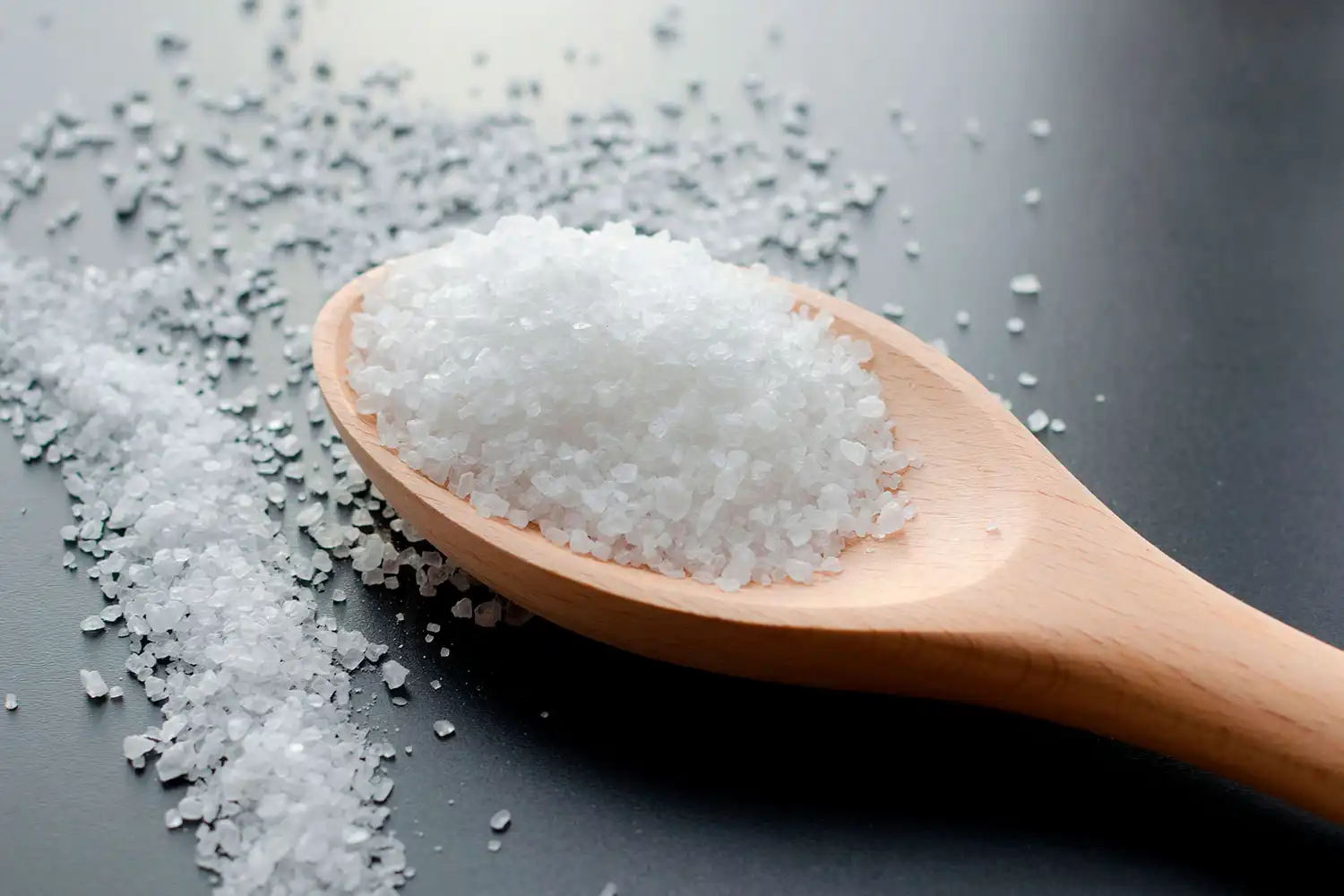
Sodium Saccharin (C7H4NNaO3S) is a chemical that looks like white solid pellets and is very stable. The granular form is very different from the powder forms in how it can be handled. It creates less dust during manufacturing, which is very important in medicinal and food production settings. With purity levels of ≥99%, this sweetener works the same way in all batches, which is important for manufacturers who need to know exactly what will happen with their formulations.
The granular structure affects how quickly the particles dissolve and how they mix. Fine powders dissolve quickly in cold liquids, but granules let you control how much sweetness comes out and are easier to work with when dry mixing. This structural benefit lowers concerns about airborne particles and raises worker safety in factories.
Sweetening Power and Functional Benefits
The sweetness of this substance is 300 to 500 times stronger than sucrose, so producers can get the sweetness levels they want with very little volume. This concentration directly leads to lower shipping costs, smaller storage areas, and longer inventory lifecycles, all of which have a big effect on the total cost of ownership for buying departments.
Because it has no calories, it can be made in diet-conscious shops without having to go through a lot of changes. It doesn't add to the glycaemic load like nutritive sweeteners do, so it can be used in diabetic-friendly products and ketogenic recipes. The compound dissolves easily in water (about 1g per 1.5ml), which makes it easy to spread evenly in liquids like pharmaceutical syrups and carbonated drinks.
Industrial Applications Across Sectors
The technical qualities of this sweetener are used by manufacturers in a wide range of fields to solve specific manufacturing problems. Knowing about these uses helps procurement teams decide if it fits with their product development plans:
- Food and Beverage Manufacturing: Sodium Saccharin Granular is used by soft drink makers because it stays stable at temperatures above 225°C during the pasteurisation process. Manufacturers of baked goods like that its sweetness level stays the same after being exposed to high temperatures, unlike some heat-sensitive options. Its long shelf life makes it useful in confectionery because it keeps the sweetness of products that take longer to get to customers.
- Pharmaceutical Formulations: This sweetener is used by tablet makers to hide the taste of bitter active medicinal ingredients. This is especially useful for children's medicines, where the patient's willingness to take them depends on how well they taste. Because it stays stable in high-moisture areas, it's perfect for syrups that need to stay stable on the shelf for a long time without cooling.
- Nutraceutical Products: For vitamin and supplement companies that have trouble with bitter active ingredients, this chemical works well to hide the bitter taste while keeping the purity of the product. It works well with many different excipients, which makes it easier to make complicated products with many ingredients.
- Cosmetic and Personal Care: Toothpaste and mouthwash makers use its sweetness to make their products more appealing without adding fermentable sugars that could harm oral health. It can be used in a variety of formulations because it is stable in both water-based and glycerin-based ones.
These flexible uses show why B2B buyers in all fields still choose this sweetener over younger ones, even though they are available. When you combine the technical flexibility with well-known governmental approvals, you get a less risky way for manufacturers to buy things when they want to start or grow in the sugar-free market.
Comparing Sodium Saccharin Granular with Other Sweeteners
Sweetness Intensity and Taste Profile Evaluation
Understanding the differences in sweetness helps procurement teams make choices based on facts that are in line with product specs and what customers want. The sweetness of Sodium Saccharin is 300–500 times that of sucrose. This puts it between aspartame (200 times) and sucralose (600 times). This middle strength gives formulators a lot of options—it's strong enough to save money without losing control, and it's also mild enough to target specific levels of sweetness.
How people taste different artificial sweeteners is very different, which affects how many people accept them. At high amounts, saccharin has a characteristic slightly bitter or metallic aftertaste. This effect is not as strong in grainy forms compared to powder forms. It is often mixed with acesulfame-K or other sweeteners in the formulation process to create synergistic taste profiles that minimise aftertaste while lowering total sweetener costs. This is a common strategy used by beverage makers who are trying to make ends meet while dealing with tight margins.
Thermal Stability Comparison
Resistance to heat during processing is a key technical differentiator. Sodium Saccharin keeps its shape and sweetness at temperatures above 225°C, which means it can be used in baking, cooking, and other high-temperature processes. On the other hand, aspartame breaks down at temperatures above 150°C, which means it can't be used in goods that have been heated up. Sucralose is about as stable in heat as xylitol, but it costs a lot more, which makes it harder for large manufacturers to figure out the cost-benefit ratio.
This temperature benefit is especially useful for compressing pharmaceutical tablets and sterilising beverages that can be kept on the shelf for a long time. Manufacturers find that this stability trait lowers technical risk by keeping them from having to deal with problems related to reformulation during process scale-up.
Cost-Effectiveness Analysis
Pricing changes have a big effect on which sweeteners cost-conscious buying teams choose. The sweetness equivalent unit of Sodium Saccharin Granular is usually 40–60% less than that of sucralose and 30–50% less than that of high-purity stevia extracts. When figuring out the real cost-per-batch sweetness delivery, these differences get a lot bigger when a lot of products are being made.
Strategies for buying in bulk make cost benefits even bigger. When you buy from certified manufacturers like Avans NutriHealth Co., Ltd. directly, you avoid having to pay markups to distributors and can see the whole supply chain. When you make a deal to buy a lot of something, the price usually stays stable. This is very important because other sweeteners made from farming feedstocks are affected by volatile product markets.
Granular Versus Powder Form Considerations
The physical form affects how well it can be processed and how safely it can be handled. Granular forms are better at flowing through automatic dosing systems, which means that equipment doesn't need to be calibrated as often and the production line isn't shut down as much. Powder forms dissolve more quickly, but they cause dust problems that need better ventilation systems and personal safety equipment. These are costs for infrastructure that affect the total cost of ownership.
Procurement workers should make sure that the forms they choose can be used with the tools they already have. Facilities that use high-shear mixing tools can take advantage of how quickly powder dissolves, while facilities that use ribbon blenders or dry mixing methods can benefit from the consistency of grains and lower cross-contamination risks between production runs.
Safety, Regulatory Compliance, and Side Effects
Global Regulatory Approval Status
Sodium Saccharin is widely accepted by regulators; it is even allowed for use in the U.S. by the Food and Drug Administration (FDA), the European Food Safety Authority (EFSA), and other similar organisations in the world's biggest markets. The FDA says it is generally recognised as safe (GRAS) as long as it is used within the acceptable daily intake (ADI) guidelines of 15 mg per kilogram of body weight. This is a level that most people don't normally reach through normal consumption.
Manufacturers with good reputations that hold international certifications show that they meet strict quality standards. Avans NutriHealth Co., Ltd. keeps its ISO, HACCP, FSSC22000, HALAL, and KOSHER certifications up to date. This makes sure that its goods meet the needs of a wide range of markets, from North American food safety laws to Middle Eastern religious dietary laws. These licenses lower the regulatory risk for importers and make it easier for businesses that sell in more than one country to get the paperwork they need to enter new markets.
Addressing Historical Safety Concerns
Researchers in the past who linked Sodium Saccharin Granular to bladder cancer in lab animals spread false information about how safe it is. After that, the National Cancer Institute and the International Agency for Research on Cancer did thorough studies that showed the processes that cause tumours in rats do not work in humans. In 2000, the FDA officially took saccharin off its list of possible poisons, which showed that scientists agreed it was safe.
Today's toxicity tests always show that use within recommended limits is safe. B2B product makers can safely use this sweetener as long as the formulations follow ADI guidelines and the product is properly labelled to let customers know it's there, which is standard practice in manufacturing operations that follow the rules.
Best Practices for Formulation Safety
The risks of using sweeteners are kept to a minimum by quality control measures. Purchasing teams should check that the supplier's certificates of analysis (COA) show that the product is pure (99–101%) on a dry basis and that the heavy metal level (less than 1ppm lead and less than 3ppm arsenic) meets food-grade standards. High-performance liquid chromatography (HPLC) tests should check for impurities, especially o-toluenesulfonamide and p-toluenesulfonamide, which are limited to less than 10ppm and 25ppm, respectively.
The way a product is stored affects its quality over time. To keep inventory from clumping and keep it flowing smoothly, manufacturers should keep it in cool, dry places with humidity levels below 60%. Proper storage increases the already long five-year shelf life, protecting purchases and making sure that formulations work the same way throughout inventory change cycles.
How to Source and Procure Sodium Saccharin Granular Effectively
Identifying Reliable Manufacturing Partners
Reliability in the supply chain starts with a careful review of the suppliers. Procurement teams should give more weight to makers that show vertical integration, which means that they control the whole production process, from getting the raw materials to packing them up. When compared to distributors who depend on multiple upstream suppliers, this integration lowers the risks of quality variation and supply interruption.
Verifying the ability to make something through plant checks or inspection reports from a third party gives more confidence than marketing claims. Look for signs of production capacity. For example, Avans NutriHealth Co., Ltd. has facilities that can produce more than 1,000 tonnes of food every year. This shows that they have invested in their infrastructure and can meet growing demand without having to worry about allocation issues during market shortages.
The ability to provide technical help sets strategic partners apart from commodity providers. Manufacturers who offer formulation consultation, application testing, and regulatory documentation help add value beyond just delivering products. This is especially true for companies that are entering new product categories or geographic markets that need help with local compliance.
Certification Verification and Quality Assurance
A lot of certifications show that you care about quality systems and being able to get into new markets. In addition to ISO 9001 quality management, you should also look for food safety standards (HACCP, FSSC22000) that show how contamination risk is managed during production. Religious certifications, like Halal and Kosher, help consumer brands that serve a wide range of people reach more people.
Ask for up-to-date COA paperwork for sample batches and make sure that test results match the requirements. Suppliers you can trust give you test results that are specific to each batch. These tests include moisture content, heavy metal screening, microbe testing, and purity tests. Transparency in quality paperwork shows that the manufacturing process is being followed and makes it easier for buyers to check incoming goods that come in.
Verification by a third party, like customer references or the reputation of the business, adds to the due diligence. Companies that work with well-known pharmaceutical or nutraceutical companies have shown that they can meet high-quality standards. This is a good sign for procurement teams that are in charge of controlling provider risk profiles.
Strategic Pricing Negotiation and Contract Structures
When you make a volume promise, you can get better prices. Annual predicted purchasing deals usually get you 8–15% savings compared to buying on the spot, and they also guarantee your supply during times when the market isn't available. Set up contracts with quarterly volume flexibility to deal with changes in demand without giving up the rates that were agreed upon.
With factory-direct buying, there are no middleman fees. When manufacturers like Avans sell straight to end users, they can get better prices than when dealer networks add markups. When deciding between domestic distributors and international direct sourcing options, you should look at the total landed cost, which includes freight, customs duties, and payment terms.
Negotiating payment terms changes the amount of operating cash that is needed. Longer payment terms (60–90 days) from known sellers with strong balance sheets are better for cash flow than the early payment or letter of credit requirements that smaller vendors usually have. To get the best total cost of ownership, you should weigh the ability to change payments against price cuts.
Packaging and Logistics Considerations
The integrity of the packaging protects the quality of the product while it is being shipped and stored. Standard packing in 25 kg multi-wall paper bags with polyethylene liners keeps out wetness and dirt. For customers who buy a lot and have bulk material handling systems, shipping in 500 kg or 1,000 kg super sacks cuts down on packaging waste and labour-intensive handling.
Optimising containers lowers the cost of shipping goods across borders. When palletised, a normal 20-foot container can hold about 20 metric tonnes, and the right dunnage will keep the goods from moving while they're travelling across the ocean. Purchasing teams should work with shipping companies that know how to handle food-grade chemicals to make sure they follow transportation rules and don't cross-contaminate with other goods that aren't compatible.
Why Sodium Saccharin Granular Is a Preferred Solution for Sugar-Free Products
Market Trends Driving Sweetener Demand
People's concern for their health is continuing to speed up the acceptance of sugar-free products across all age groups. According to market data, the global market for sugar substitutes is growing at a rate of 4–5% per year. This is because of worries about obesity, the high prevalence of diabetes, and lifestyle diet choices such as ketogenic and low-carbohydrate eating patterns. Because of this steady rise, companies that make sugar-free versions of many different types of products have more chances to make money.
Consumer trends are backed up by regulatory pressures. Taxes on sugar in many places encourage companies to change their recipes to make more money, and rules that require labels to show how much added sugar is in foods affect people's decisions to buy them. In response to these pressures, manufacturers need tried-and-true sweetening options that meet regulatory requirements, are cost-effective, and are liked by consumers. Sodium Saccharin consistently meets these criteria.
Comparative Advantages for Manufacturing Operations
Cost-effectiveness is still very important for makers who are struggling to make ends meet. The sweetening power of Sodium Saccharin Granular makes sugar-based mixtures taste as good at a fraction of the cost, which directly increases contribution margins. These direct savings are boosted by production efficiency gains from smaller ingredient amounts, which mean less storage space, shorter mixing times, and lower transportation costs.
Formulation stability lowers the risks of reformulation and speeds up the time it takes for new goods to reach the market. Some natural sweeteners have different tastes from batch to batch, but Sodium Saccharin's consistent chemical makeup makes sure that the sensory profiles are the same from one production run to the next. This level of certainty makes quality control easier and cuts down on expensive batch rejects because of bad taste.
Process flexibility allows for a variety of manufacturing methods. Its high heat stability makes it useful for goods that are heated, and its high solubility makes it useful for cold processing. Because it is flexible, makers can use fewer sweetening ingredients across all of their product lines. This makes it easier to buy things, keep track of supplies, and keep good relationships with suppliers.
Real-World Application Success Stories
Leading beverage companies around the world have successfully updated their lines of products by adding Sodium Saccharin blends. This has kept the original taste profiles of the brands while lowering the number of calories to meet dietary guidelines. Pharmaceutical firms use their ability to hide tastes in paediatric formulations, where kids are more likely to take their medicine if it tastes good. This shows that it has uses beyond just sweetening things.
Nutraceutical brands that want to market to people who are trying to lose weight or control their diabetes use their zero-glycemic profile as a marketing differentiator. Decades of safety data and regulatory approvals help build trust among consumers. These well-known use cases give makers who are thinking about switching to a different sweetener peace of mind, lowering what they think are the technical and market acceptance risks.
Conclusion
Sodium Saccharin Granular is clearly useful for companies making sugar-free products in the food, drink, pharmaceutical, and nutraceutical industries. Due to its high sweetness intensity, excellent thermal stability, low cost, and wide regulatory acceptance, it makes a strong case for B2B procurement consideration. The granular form is especially useful for large-scale production settings because it is easier to handle and produces the same product every time.
To make execution work, you need to pay attention to choosing the right seller, making sure the quality is good, and using the right formulation methods. Supply chain risks can be reduced, and total cost of ownership can be optimised by working with well-known manufacturers that offer expert help and full certifications. As the global market for sugar-free options continues to grow, this tried-and-true sweetening solution puts makers in a good position to meet customer needs and government regulations while still making money.
FAQ
1. Is sodium saccharin safe for use in food and pharmaceutical applications?
Yes, Sodium Saccharin is GRAS (generally recognised as safe) by the FDA and approved by the EFSA. It has a lot of safety data to back it up when used within the daily limit of 15 mg/kg body weight. Modern toxicological research has definitively answered historical worries, proving that it is safe for humans to consume when used according to the rules set by the government.
2. How does the taste compare to natural sweeteners like stevia?
At high amounts, Sodium Saccharin gives a clean sweetness with a small aftertaste. On the other hand, stevia has licorice-like notes that some people don't like. Many companies mix sweeteners to get the best taste profiles. They do this by combining saccharin, which is cheap, with other sweeteners that work well with it to get the desired sensory qualities without the cost issues that come with natural alternatives.
3. What storage conditions preserve product quality?
Keep your goods in cool, dry places where the temperature is less than 25°C and the relative humidity is less than 60%. Proper storage in covered containers maintains the five-year shelf life and stops moisture uptake that leads to clumping. When compared to temperature-sensitive options that need refrigeration, these simple storage needs mean lower specialised warehouse costs.
Partner with Avans for Your Sodium Saccharin Granular Supply Needs
Avans NutriHealth Co., Ltd. can help you make sugar-free products by giving you high-quality Sodium Saccharin Granular and offering professional support and a wide range of quality certifications. As a well-known company that can make more than 1,000 tonnes of goods every year, we offer the supply stability that buying teams need to keep their operations running smoothly. Our goods are pure and meet standards for ISO, HACCP, FSSC22000, HALAL, and KOSHER. This makes sure they are legal in all markets around the world. Email Lillian@avansnutri.com to talk to one of our procurement specialists about volume pricing, technical specifications, and custom supply solutions that are made to fit your manufacturing needs. Let us show you how working directly with a Sodium Saccharin Granular supplier can help your business be more competitive by ensuring quality, lowering costs, and providing quick customer service.
References
1. Mitchell, H. (2020). Artificial Sweeteners in Food Technology: Properties and Applications. London: Academic Press.
2. Reynolds, T.M. & Patterson, K.Y. (2019). "Comparative Analysis of High-Intensity Sweeteners in Industrial Food Production." Journal of Food Science and Technology, 56(8), 3421-3435.
3. European Food Safety Authority (2019). Re-evaluation of Saccharin and Its Sodium Salt as Food Additives. EFSA Panel on Food Additives and Flavourings.
4. Chen, L. & Williams, R.D. (2021). "Thermal Stability of Non-Nutritive Sweeteners During Food Processing." Food Chemistry, 342, 128-136.
5. American Diabetes Association (2020). Sugar Substitutes and Glycemic Management: Clinical Practice Guidelines. Arlington: ADA Professional Books.
6. Global Market Insights (2022). Sugar Substitutes Market Analysis: Industry Trends and Forecast 2022-2028. Delaware: GMI Research Publications.