




How to Use DHA Powder in Food and Beverage Formulations?
Using DHA Powder in food and beverage formulations involves understanding its microencapsulated structure and application requirements. This specialized ingredient transforms liquid omega-3 oils into free-flowing, water-dispersible powders through advanced spray-drying technologies. The process requires careful consideration of dosage rates, typically ranging from 0.5% to 3% of total formula weight, depending on target nutritional claims and product matrix compatibility. Successful implementation demands attention to pH stability, temperature tolerance during processing, and protection against oxidative degradation to maintain both nutritional efficacy and sensory acceptance in finished products.
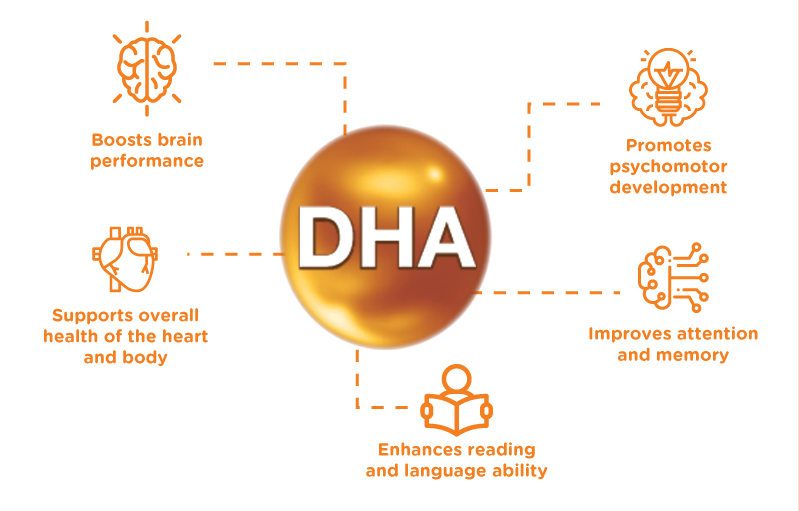
Understanding DHA Powder and Its Benefits in Formulations
The Science Behind Microencapsulated Omega-3 Technology
DHA powder is a big step forward in functional ingredient technology because it solves the problems that come with adding liquid omega-3 oils to dry mixes. Manufacturers use complex microencapsulation methods to turn unstable docosahexaenoic acid oil into a stable powder that is easy to handle. Protective wall materials like modified starch, whey protein concentrate, or maltodextrin are used in this process to make a wall against environmental stresses. The microencapsulation process begins with high-pressure homogenization, which makes uniform lipid spheres that are floating in an aqueous carrier fluid. After that, spray-drying quickly gets rid of the water while creating safe shells around the oil particles. With this technology, the surface-free oil level drops below 1%, which greatly increases the shelf life from months to over two years when stored properly.
Nutritional Profile and Bioavailability Advantages
DHA Powder gives you rich omega-3 fatty acids that are better absorbed by your body than regular oil pills. The microencapsulated shape makes the particles smaller, which makes them easier for the digestive system to absorb. Clinical studies show that microencapsulated DHA has higher rates of being absorbed by plasma, which is especially helpful for baby food and nutrition for mothers. Depending on the content grade, one gram of good DHA powder usually has 100 to 400 mg of active DHA. This standard dose makes formulating easier and makes sure that all production runs give the same amount of nutrients. The powder form takes away any worries about how accurately measuring liquid oil works and makes it easier to make systems with more than one ingredient.
Market Demand and Consumer Health Awareness
As more people learn about the benefits of omega-3 fatty acids for brain health, heart health, and reducing inflammation, the market for goods with added DHA keeps growing. Market research shows that groups of fortified foods and drinks grow at rates higher than 8% per year. This is because populations are getting older, and younger people are becoming more health-aware. The powder format particularly appeals to manufacturers targeting specific consumer segments, including pregnant women seeking prenatal nutrition, parents choosing fortified children's products, and health-conscious adults preferring functional foods over traditional supplements. This versatility enables product developers to address multiple market opportunities with a single ingredient platform.
How to Incorporate DHA Powder in Food and Beverage Product Development?
Optimal Dosage Guidelines for Different Applications
Knowing the right dosage levels for different types of products is important for both nutritional effectiveness and legal compliance. The following suggestions can help you start working on your formulation, but the exact requirements may change depending on your goal claims and the laws in your area. Infant formula usually has 17–34 mg of DHA per 100 calories, which is in line with what experts say is best for brain growth. Adult functional foods usually aim for 100 to 300 mg of DHA per dose, which is enough to back up claims about heart health in many places. Higher amounts, up to 500–1000 mg per dose, may be used in sports nutrition items to help with recovery and reduce inflammation. Because of how they are processed and how sensitive people are to flavors, beverage recipes are hard to get right. To keep the taste, ready-to-drink goods should have lower inclusion rates (0.5–1.5% w/w). Powdered drink mixes, on the other hand, can handle higher levels (2–3% w/w) because they dilute when they are mixed.
Solubility and Processing Considerations
To successfully integrate DHA powder, you need to know how it reacts to different handling circumstances. The ingredient mixes easily in cold water and forms stable suspensions in water within two to three minutes of gentle mixing. This quality is especially useful in drinking uses where heat treatment could damage the nutritional value. Different encapsulation systems are sensitive to different temperatures, but most industrial types can handle processing temperatures of up to 85°C for short periods of time. If the outer shell is exposed to higher temperatures for a long time, it may break down, letting oil out and possibly rusting. To get the best retention rates, manufacturers should test the temperature stability of their products using processing factors that are unique to their business. There is a pretty wide range of pH compatibility. Most types of DHA Powder stay stable between pH 4.0 and 7.5. Very acidic applications might need special packaging systems that are resistant to acid to keep the shell from dissolving too quickly and the oil from separating.
Protection Against Oxidative Degradation
The biggest technical problem when working with omega-3 ingredients is keeping lipids from oxidizing. To keep the quality of the product throughout its shelf life, even microencapsulated forms need extra protection. Antioxidant systems usually have compounds that dissolve in fat, like mixed tocopherols or rosemary extract, and compounds that dissolve in water, like ascorbic acid or sodium ascorbate. Packaging issues are also very important for keeping things from oxidizing. Materials that block light and change the atmosphere packaging can make products last a lot longer. Some companies add oxygen scavengers or desiccant packs to their products to lower oxidative stress even more while they are being stored or shipped. As part of quality control methods, peroxide and anisidine levels should be checked regularly to see how the oxidation process is going. Setting up rapid shelf-life testing programs helps predict real-time stability and find the best recipe parameters before the product goes on sale.
Sourcing DHA Powder: What Procurement Managers Must Know?
Supplier Evaluation and Certification Requirements
To find good DHA Powder suppliers, you need to look at their production skills, quality control methods, and compliance with regulations. To serve a wide range of markets around the world, major makers keep several foreign certifications, such as BRC, HALAL, KOSHER, and organic credentials. These licenses show that a company is dedicated to following food safety rules and being open about its supply chain. When evaluating a manufacturing center, the quality control labs, encapsulation technology platforms, and raw material tracking systems should all be looked at. When compared to traditional methods, suppliers who use closed-loop processing systems with nitrogen blanketing usually offer better reactive stability. Manufacturers with specialized omega-3 production lines also reduce the risk of cross-contamination and make sure that the quality of their products is always the same. Certificates of analysis, allergen statements, microbiological testing results, and contaminant screening records should all be included in documentation packages from possible providers. For goods meant for baby feeding markets, tests for heavy metals, environmental toxins, and pesticide residue should get extra attention.
Commercial Considerations and Supply Chain Management
Prices for DHA powder are very different depending on the concentration level, the type of packaging technology used, and the amount of powder ordered. Standard concentrations (10–20% DHA) tend to be cheaper than high-load forms (30–40% DHA), but the cost per milligram of active ingredient may make concentrated choices better for formulas that don't have a lot of room. Depending on the supplier's ability and the product's specs, the minimum order quantity is usually between 25 and 500 kilograms. Purchasing managers should check how flexible a seller is when it comes to technical support services, private labeling, and custom ratios. Many makers offer help with formulation and stable testing, which is especially helpful for businesses that are new to using omega-3 ingredients. Lead times depend on the time of year and the complexity of the product, but they are usually between 2 and 8 weeks for normal grades and 6 to 12 weeks for unique specs. Keeping enough goods on hand and keeping in touch with several qualified sources can help reduce problems in the supply chain and keep production going.
Evaluating DHA Powder Products: Criteria for Optimal Selection
Comparing Organic versus Conventional Options
Whether to use organic or standard DHA Powder relies on the needs of the target market, the cost, and the rules set by the government. Organic versions usually come from approved organic algae sources, which is why they cost more and let the product make organic claims. People who care about their health and are willing to pay more for items that they think are pure and good for the world, like these. Most of the time, conventional DHA powders are more cost-effective for mass-market uses without sacrificing nutritional value. When you buy from a reputable maker, the quality standards for purity, potency, and stability are the same for both organic and conventional choices. In the end, the choice weighs the goals of market placement against the limitations of cost and volume needs.
For organic choices, certification rules cover more than just the active ingredient. They also cover all the fillers and processing tools that are used in microencapsulation. This all-encompassing method makes sure that the whole supply chain is compliant, but it may limit the suppliers that can be used and make things more difficult for buying teams that are in charge of many food categories.
Vegan-Friendly Alternatives and Plant-Based Sources
Plant-based DHA options meet the growing need for useful ingredients that are safe for vegans without lowering their nutritional value. Algal-derived DHA powders have the same molecular structures as marine-derived versions, but they are more appealing to people who don't want to eat goods that come from animals. These options are especially helpful for businesses that want to attract plant-based, vegetarian, and environmentally aware customers. Algal DHA sources are more environmentally friendly than fish-based options because they use controlled fermentation processes that don't harm the ocean ecosystem or expose people to pollution in the ocean. Also, algal sources offer more stable fatty acid patterns and less fluctuating amounts of trace contaminants.
In terms of absorption, oxidative stability, and processing behavior, there aren't many changes between marine-derived DHA powders and algal-derived DHA powders. Cost may slightly favor sea sources, but the price differences are getting smaller as the amount of algae grown grows and technology improves how well they work.
Mitigating Risks and Ensuring Compliance in DHA Powder Use
Safety Profiles and Regulatory Frameworks
DHA Powder has a very good safety record when bought from reputable companies and used according to the recommended dose levels. Adverse responses are still very rare and usually involve mild stomach problems in sensitive people who eat too much. With clear usage guidelines and good formulation practices, these risks can be kept to a minimum while nutritional benefits are maximized. International legal systems make it clear how DHA can be added to different types of food and drinks. The FDA says that DHA is generally recognized as safe (GRAS) for several uses, and European officials keep good lists for omega-3 supplementation. Knowing the rules that apply in each area ensures that products are made correctly and that the process of entering a new market goes smoothly. Documentation needs to include things like reports of analysis that show the product meets cleanliness standards, is safe for microbes, and doesn't contain any contaminants. To help with regulatory filings and quality assurance programs, suppliers should give full technical data sheets that list suggested usage levels, processing rules, and storage needs.
Preventing Oxidation and Maintaining Product Quality
Oxidative decay is the main quality issue that needs to be addressed when working with omega-3 ingredients, and it needs to be prevented at all stages of the product's life. To keep moisture uptake and heat stress to a minimum, storage conditions should keep temperatures below 25°C and relative humidity below 60%. Light contact should be kept to a minimum by using the right packing and stock management techniques. By carefully choosing ingredients and working conditions that work well together, formulation techniques can have a big effect on oxidative stability. Keeping the pH in the right ranges, staying away from minerals like iron and copper that are pro-oxidants, and using antioxidant systems that work together all help to extend the shelf life and keep the quality of the taste.
Baseline readings should be set for key factors like peroxide levels, free fatty acid content, and sensory qualities in quality tracking procedures. Regular testing during the product's shelf life helps find problems early and backs up the stable claims made on the label and in marketing materials.
Conclusion
To successfully use DHA Powder in food and drink recipes, you need to know about microencapsulation technology, the right way to dose the powder, and how to keep it from going bad. The ingredient is better at staying stable and being processed than liquid omega-3 oils, which makes it perfect for a wide range of uses, from baby formula to useful drinks. Consistent quality and legal compliance are made possible by carefully choosing suppliers based on their certifications, manufacturing skills, and expert support. With the right preparation methods and quality control measures, DHA powder helps companies meet the growing demand from customers for omega-3-rich goods while still keeping the products' great taste and longer shelf life.
FAQ
What concentration of DHA Powder should I use in my formulation?
Optimal DHA concentrations depend on your target nutritional claims and product category. Infant formulas typically require 17-34mg DHA per 100 calories, while adult functional foods generally target 100-300mg per serving. Sports nutrition applications may utilize higher concentrations up to 1000mg per serving. Consider your specific regulatory requirements and consumer expectations when determining appropriate inclusion rates.
How does DHA Powder affect taste and texture in beverages?
High-quality DHA Powder utilizes microencapsulation technology to minimize fishy or algal off-flavors commonly associated with omega-3 ingredients. Proper formulation practices, including appropriate inclusion rates (typically 0.5-1.5% w/w for beverages) and complementary flavoring systems, can effectively mask any residual notes. The powder format provides smooth texture integration without oil separation when properly dispersed.
What storage conditions are required for DHA Powder stability?
DHA powder should be kept somewhere cool and dry, less than 25°C, with a relative humidity of less than 60%. Light contact should be kept to a minimum by using the right packing materials. Under ideal storage conditions, unopened cases usually stay stable for 18 to 24 months. On the other hand, opened packages should be used within 3 to 6 months to ensure optimal quality retention.
Can DHA Powder be used in high-temperature processing applications?
Most types of commercial DHA powder can be processed at temperatures up to 85°C for short periods of time without changing much. Long-term contact with higher temperatures could damage the protective sealing shell, which could cause oil to leak out and oxidation to happen. To get the best retention rates and keep the quality of your product, test its temperature stability using processing factors that are specific to your needs.
Partner with Avans for Premium DHA Powder Solutions
Avans NutriHealth Co., Ltd. is ready to help you with your formulation problems by providing you with high-quality DHA Powder backed by comprehensive technical expertise and manufacturing excellence. Our modern production sites keep their ISO system certifications along with their HALAL, KOSHER, BRC, and organic badges. This makes sure that they meet the highest quality standards around the world. We are a reliable DHA Powder manufacturer, and we offer open minimum order amounts, custom concentration choices, and committed formulation support to help you make the best products possible. Our skilled expert team offers ongoing support throughout the entire development process, from the first idea to the product's official release. Get in touch with Lillian@avansnutri.com right away to find out how our quality DHA powder ingredients can enhance your next functional food or beverage innovation.
References
1. Jacobsen, C., Nielsen, N. S., Horn, A. F., & Sørensen, A. D. M. (2013). To add omega-3 fatty acids to food, microencapsulation is used to keep the quality and nutritional value. 48(2), 127–142 in the Journal of Food Science and Technology.
2. The Community Research and Development Information Service says that. These are the technical guidelines and best practices for using microencapsulation technologies in functional food applications. The Publications Office of the European Commission.
3. Barrow, C. J., Nolan, C., & Holub, B. J. (2009). Comparing the health benefits of encapsulated and microencapsulated fish oil supplements in healthy people. It's called the International Journal of Food Sciences and Nutrition, and it has 60(4) pages.
4. The International Association of Fish Meal and Fish Oil Manufacturers calls for action in 2020. Standards around the world for the production and quality control of omega-3 ingredients. Volume 47 of the IFFO Technical Bulletin Series.
5. Drusch, S., Schwarz, K., Serfert, Y., & Van Den Heuvel, A. (2006). Finding out about the physical and chemical properties and reactive stability of fish oil that is enclosed in an amorphous framework that contains trehalose. 39 (7), 807-815. Food Research International.
6. The authors are U. Klinkesorn, P. Sophanodora, P. Chinachoti, E. A. Decker, and D. J. McClements. (2005). Putting blended tuna oil inside two-layered interface membranes that were made using electrostatic layer-by-layer deposition. Hydrocolloids in Food, 19(6), 1044–1053.