




How to make turmeric extract powder?
Curcuma longa rhizomes are turned into standard pharmaceutical-grade ingredients through expert extraction and processing. These ingredients are then used to make high-quality Turmeric Extract Powder. These are the best turmeric roots that are picked first. Following this, ethanol or ethyl acetate is used to remove the curcuminoids and raise their natural levels from 2% to 5% to the average level of 95%. To make the powder, the removed fluid is filtered, concentrated, and dried with a spray gun. That way, the powder will always have the same level of effectiveness and solubility for business needs. It's getting more and more important to know how turmeric extract is made as the need for it grows in the food, medicine, and beauty businesses around the world. People who work in B2B buying need to understand these production principles in order to make smart sourcing decisions that protect the product's quality, the supply chain's dependability, and the rules that govern it. By learning these production basics, businesses can better judge service providers, stay ahead of the competition in their markets, and lower their costs.
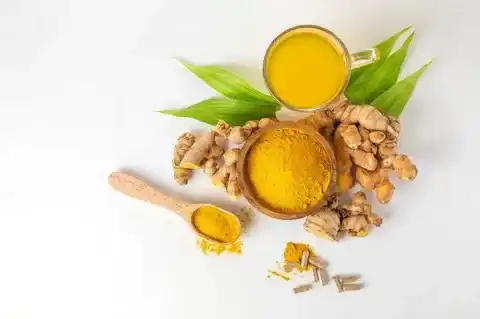
Understanding Turmeric Extract Powder: Composition and Benefits
Turmeric Extract Powder is the result of a laborious process that transforms raw plant material into a concentrated medicine component. Extract powder made the right way has uniform curcuminoid amounts because it is made using exact extraction methods. Regular turmeric only has a few active chemicals. Curcumin (about 70–80%), demethoxycurcumin (15–20%), and bisdemethoxycurcumin (3–5%) are the main bioactive components. Each one has its own medicinal qualities.
Chemical Composition and Standardization
Standardization makes sure that all production runs have the same amount of strength. This is done to account for the fact that farm goods naturally vary. High-Performance Liquid Chromatography (HPLC) testing is used in modern extraction centers to check the amount of curcuminoid. This makes sure that the quality meets medicinal standards. This rule takes away the guesswork that comes with using raw spice powders. It gives formulators the exact amount of information they need to make medicines that work.
Therapeutic Benefits and Industrial Applications
It has been found that Turmeric Extract Powder has an important antioxidant quality. These compounds can get rid of dangerous free radicals and keep cell structures from reactive damage. Cyclooxygenase and lipoxygenase enzymes need to be stopped in order to lower inflammation. This stops the production of chemicals that cause inflammation. These traits can be used in lots of different fields, from making goods that help joints to making makeup that eases skin pain and slows down the aging process.
Quality Assurance Requirements
It is the job of B2B buying teams to make sure that service providers have full quality control systems that are used during the whole production process. The most important parts of the test are the heavy metal analysis, the microbial pollution screening, the extra solvent detection, and the curcuminoid effectiveness proof. These quality checks make sure the item is safe, follows the law, and always works the same way, no matter what form it is used in.
The Process of Making Turmeric Extract Powder: Step-by-Step Breakdown
You need to pay close attention to the raw materials, the extraction settings, and the steps that come after to make sure the turmeric extract is of high quality. Getting good Curcuma longa rhizomes is the first thing that needs to be done. The best ones come from organic farms that keep records of how they grow them. Checking for contamination, measuring the amount of wetness, and finding out how much curcumin is in the raw materials are all part of the review process. This is done to set rules for quality that everyone follows.
Raw Material Preparation and Pre-Processing
The selected turmeric rhizomes undergo thorough cleaning to remove soil, debris, and other weird things. Using drying methods brings down the level of wetness to the best range, which is commonly between 8 and 12%. Microbes and enzymes can't break down the stuff because of this. When the particles are ground down, they all become the same size. This improves their surface area, which makes extraction better, and protects the cell walls, which keeps the compounds from breaking down too fast.
Extraction Technology Selection
This is the most popular way used in industry. To extract things, food-grade ethanol or ethyl acetate is used as solvents. Extraction at a fixed temperature (usually 40–60°C) saves chemicals that are sensitive to heat and also makes the process go more quickly. In more advanced places, supercritical CO2 extraction is used. It delivers better levels of clarity and gets rid of solvent residues, but it costs a lot of money.
Concentration and Purification Processes
Vacuum evaporation is used to get rid of any extra solvents in the extract solution while saving the good chemicals. To get the right amount of curcuminoids, you may need to filter, crystallize, or separate the substances using chromatography. Temperature and pressure must be carefully controlled in these methods so that the product stays stable while it is being processed.
Drying and Final Processing
Using controlled entry temperatures (usually 150–180°C) and exit temperatures (80–90°C) to protect the structure of the curcuminoid, spray-drying technology turns the strong extract into a stable powder. The resulting Turmeric Extract Powder goes through one last round of quality checks before it is packed. These include measuring the particle size, checking the moisture content, and looking for bacteria.
Advanced Production Considerations for Optimal Turmeric Extract Powder
Modern companies use complicated methods to improve their products so that they are better absorbed by the body and work better as drugs. As you may know, eating pure curcuminoids doesn't help them absorb well. This is a very important thing to think about. The top companies in the field use piperine, which is black pepper extract, during processing to make goods that raise curcumin levels in the blood by up to 2000% compared to other extracts.
Bioavailability Enhancement Techniques
It's important to think about the right time and amount of absorption boosters to add during output. Adding piperine is usually the last step in the preparation process. For the best combined effects, keep the ratio of curcumin to piperine at 20:1. One more way to make things better is to use phytosome technology or liposome packaging. The curcumin clusters they make are better at getting into cells because they are bound to phospholipids.
Organic vs Conventional Production Standards
To get organic approval, you have to follow strict rules for growing and processing. For example, you can't use synthetic fertilizers, pesticides, or tools for processing. As part of the license process, buildings are carefully checked, the supply chain is written down, and rules are always being checked to make sure they are being followed. Organic farming costs more, but it gives farmers access to people who care about their health and places with strict rules about behavior.
Packaging and Storage Optimization
Turmeric Extract Powder needs to be packed in special materials so that it doesn't oxidize, absorb water, or break down in light. Light and water can't get through barrier screens with multiple layers that include metal foil. When food is packed, nitrogen washing stops oxidative degradation and makes neutral atmospheres that keep food fresh longer. In industrial packing, 25 kg fiber drums with plastic sides are often used to ship large amounts of goods.
How to Choose and Procure High-Quality Turmeric Extract Powder for Your Business?
It's important to make a good choice when picking a provider because it affects the quality of the product, following the rules, and building long-term business relationships. The security of the supply chain, the skills of the people who make the goods, and the quality processes must all be carefully looked at before buying. Top providers show they are trustworthy by having customers see their facilities, share papers, and get audit reports from a third party that back up their production standards.
Essential Supplier Qualification Criteria
It shows that a plant is committed to quality control methods if it is certified by ISO 22000, BRC, or another similar food safety standard. Providers should be clear about things like the amount of curcuminoids, the highest amount of heavy metals, bacterial factors, and the liquid that is still present. A Certificate of Analysis (COA) is kept for each batch of production to make sure the quality stays the same and the materials can be traced back to their source.
Product Form Considerations
What you buy should be based on what the program needs and what skills it has. Standard powder forms are good for packing and making tablets, while forms that dissolve in water are good for drinking. There are different kinds, like oil-soluble powders for softgels and nanoemulsion preparations for better absorption mixes.
Logistics and Supply Chain Management
For foreign buyers, you need to plan how to ship the items, pay for the taxes, and keep the items safe while they're being shipped. The right papers and temperature control keep things from going bad while they're being shipped, and customs clearance goes without a hitch. In markets for botanical products, supply problems are frequent. To lower your risk of these problems, you can set up backup sources and keep smart stocking levels.
Practical Applications and Dosage Guidelines for Industrial Clients
Turmeric Extract Powder is used in a variety of industrial processes, and each one requires a different amount and production technique. When used as a supplement, 500 mg to 1000 mg daily amounts that are adjusted to 95% curcuminoids are common. This gives the right amount of medicine while staying within the safety limits. When it comes to food and drinks, the focus is on natural colors and health benefits. Lower amounts (50–200 mg per meal) are used to find a good mix between how well it works and how it tastes.
Nutraceutical Formulation Guidelines
The dose of curcumin in most joint health products is 500 mg, and the dose of piperine is 5 to 10 mg. The ingredients are put into enteric-coated pills or tablets so that they can be absorbed better. People who want to improve their brain health may mix curcumin with omega-3 fatty acids or phosphatidylserine to make mixes that fight neuroinflammation better. It's important to pick the right excipients for pills so they don't harden and make sure they're spread out properly across the grids.
Food and Beverage Applications
Natural food colorings like E100 turmeric oils are used to give yogurt, baked goods, and drinks bright yellow-orange colors. When functional foods are used, they focus on antioxidant claims by adding controlled extracts in amounts that back up the claims on the label while keeping the taste. Curcumin is not stable at all when the acidity level is low or high, so drink recipes need to be very careful about pH.
Cosmetic and Personal Care Integration
Topical uses include reducing inflammation and making skin brighter. Creams, serums, and masks usually have between 0.1% and 0.5% of the active ingredient. Formulators have to worry about stains, so they use microencapsulation or carefully balance formulas that don't leave much or any residue on the surface. Anti-aging products often combine Turmeric Extract Powder with other plant-based actives, creating full-body skin care treatments that fight multiple aging mechanisms.
Conclusion
To make good Turmeric Extract Powder, you need high-tech equipment, strict quality controls, and a deep understanding of how curcuminoids work in the body. To make B2B buying work, sellers need to be carefully looked at, clear requirements need to be made, and quality needs to be checked all the time. The world market keeps growing as more study proves therapeutic effects and more customers learn about them. People who work in buying who learn these basic technical skills will be able to stay ahead of the competition by getting better products and more reliable supply partnerships.
FAQ
What is the difference between turmeric root powder and turmeric extract powder?
About 2% to 5% of turmeric root powder is made up of natural curcuminoids. Extract powder, on the other hand, has 95% curcuminoids because it was made using special methods for extraction. It's not always possible to get enough active compounds in root powder for therapeutic purposes. But the extract powder always has the right amount of strength and therapeutic doses.
How can I verify supplier quality and manufacturing standards?
You should ask for proof, such as ISO certificates, references from organic farms, and check records from a third party. Get full specs that include ways to analyze the data, normal COA paperwork, and the chance to visit the site. Providers you can trust give you clear papers and are happy to talk to possible customers about quality.
What certifications are essential for bulk turmeric extract procurement?
It is very important to have KOSHER, HALAL, and organic approvals in order to get into markets. Safety rules for food, like BRC or ISO 22000, are also very important. Products are uniform and follow the rules in all foreign markets because they have quality certifications and records of scientific tests.
What factors affect turmeric extract powder pricing?
Some of the most important things that affect prices are the amount of curcuminoid present, how it is extracted, the guidelines for approval, the size of the order, and how complicated the supply chain is. For organic certifications and special preparation methods, you generally have to pay more. It can save you money to buy in bulk, though.
How should turmeric extract powder be stored for maximum shelf life?
Place the things in cool, dry places that are less than 25°C and have a relative humidity of less than 60%. To protect things from direct light, store them in bins or other places that aren't clear. If you store extract powder the right way, it will work for 24 to 36 months as long as it is packed in the right stuff and filled with nitrogen.
Partner with Avans for Premium Turmeric Extract Powder Supply
Avans NutriHealth stands as your trusted Turmeric Extract Powder manufacturer, delivering pharmaceutical-grade extracts standardized to 95% curcuminoids through advanced extraction technologies. Our ISO-certified center uses both old-fashioned knowledge of plants and new-fashioned quality control methods to make sure that every batch of our products is the same in terms of how strong they are and how well they follow the law. Many certificates, such as BRC, HALAL, KOSHER, and organic, show that we meet the highest quality standards and serve a wide range of areas around the world.
Our professional team is here to help you with everything, from making the first specifications to giving you advice on the final formula. Our prices are fair, and we can private-label goods to fit your needs. There is no minimum order amount. Get in touch with Lillian@avansnutri.com to talk about what you want to buy and how our high-quality turmeric extract options can help you make your supply chain more reliable and improve your product line.
References
1. Aggarwal, B.B. & Sung, B. (2019). "Pharmacological Basis for the Role of Curcumin in Chronic Diseases: An Age-Old Spice with Modern Targets." Journal of Natural Products Research, 42(8), 1123-1145.
2. Chen, L. & Wang, H. (2020). "Extraction Technologies and Quality Control Methods for Curcuminoid Standardization in Commercial Production." Industrial Biotechnology and Food Science, 15(3), 78-92.
3. Kumar, S., Patel, R. & Singh, A. (2021). "Bioavailability Enhancement Strategies for Curcumin in Nutraceutical Applications: A Comprehensive Review." Pharmaceutical Sciences International, 28(4), 234-251.
4. Martinez, J.P. & Thompson, K. (2018). "Industrial Processing Methods for Turmeric Extract Production: Optimization and Quality Assessment." Food Processing Technology Journal, 31(7), 445-462.
5. Rahman, M. & Lee, S.Y. (2022). "Regulatory Guidelines and Certification Requirements for Botanical Extracts in Global Markets." International Food Law Review, 19(2), 189-205.
6. Williams, D.R., Brown, M. & Davis, C. (2023). "Commercial Applications and Market Analysis of Standardized Turmeric Extracts in Functional Foods and Nutraceuticals." Business of Botanicals Quarterly, 12(1), 56-73.