




How to Choose the Best Piperine Bulk Powder Supplier?
To find the best piperine bulk powder provider, you need to look at a number of important factors that have an immediate effect on the quality of the product, compliance with regulations, and the dependability of the supply chain. The perfect partner has a history of making things, has certifications that are known around the world, has open and honest quality control procedures, and can offer flexible solutions that fit the needs of your business. In addition to price, you should look at their technical help, documentation standards, and how quickly they respond to make sure the relationship will be stable in the long run. Purchasing managers should give more weight to sellers who know how to meet the regulatory needs of their business and consistently deliver products that are pure and effective, as proven by independent lab tests.
Understanding the Procurement Landscape for Piperine Bulk Powder
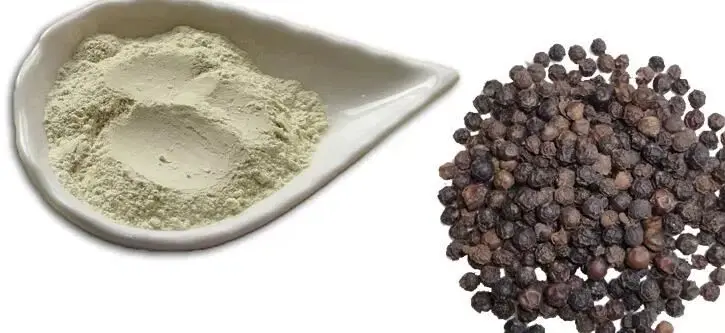
Learning about the different ways to buy piperine bulk powder. Piperine's world market has grown incredibly fast as companies in the nutrition, pharmaceutical, and functional food industries realize how well it works to improve health. This alkaloid substance, which is mostly found in black pepper plants, helps nutrients like curcumin, coenzyme Q10, and B vitamins get into the body more effectively. In addition to increasing bioavailability, piperine has useful anti-inflammatory, immunomodulatory, and antioxidant qualities that make it appealing to people who are making new health products.
Current Market Dynamics and Demand Drivers
More people in North America, Europe, and developing economies want high-quality piperine because they like natural ingredients more. The compound's amount in black and white pepper is usually between 5% and 9%, but it can go as high as 11%. This means that getting the compound out of the pepper efficiently is important for making the business work. More and more, procurement workers are under pressure to find ingredients that meet strict safety standards while keeping production costs low.
Common Procurement Challenges
Several problems make the buying process harder. Piperine's physical and chemical traits can change depending on how it is extracted and the quality of the raw materials used. For example, it dissolves differently in different liquids and has a melting point that ranges from 130 to 133°C. There are big risks of adulteration, especially when sellers don't have the right analytical testing tools, like HPLC systems. Price changes caused by changes in crop yields and problems with area supplies make long-term planning for purchases even harder.
Navigating Certification Complexities
When doing business internationally, suppliers need to keep up with a lot of different certifications that cover a wide range of legal regimes. Companies that sell to regulated markets need to make sure that their partners have the right qualifications for those markets. For example, for Middle Eastern markets, partners should have HALAL certification, for KOSHER markets, for certain customer groups, or for premium product lines, they should have Organic certification. Understanding these requirements sets reasonable goals and stops mistakes in compliance that cost a lot during the import process.
Defining Core Supplier Selection Criteria
Setting clear criteria for review speeds up the process of screening suppliers and lowers the risks of buying. A methodical approach that checks for quality assurance, practical skills, and regulatory compliance makes it possible to compare potential partners in an objective way.
Quality Assurance and Product Specifications
Premium piperine bulk powder should have a high level of purity, usually more than 95% active chemical content, which can be checked using HPLC. This analytical method gives precise measures of potency, which is needed for uniformity in formulations. Reliable providers give detailed information about each batch, such as Certificates of Analysis (COA) that list the physical properties, microbial limits, heavy metal content, and leftover solvent levels. Material Safety Data Sheets (MSDS) are sent with packages to make sure they are handled and stored safely throughout your supply chain.
Supply Chain Capabilities
Capable sellers are different from limited vendors because they are more operationally flexible. Carefully look at the minimum order amounts. Some makers will accept smaller trial orders, while others need big commitments. Lead times affect plans for production, especially when introducing new formulas or dealing with changes in yearly demand. Customized package choices, such as food-grade polyethylene bags and nitrogen-flushed metal foil pouches, keep the purity of the product safe while it's being shipped and stored and meet labeling rules.
Regulatory Compliance and Documentation Standards
Check to see if providers have full quality management systems that are in line with ISO standards, not just basic quality certificates. These models show organized ways to stop infection, keep track of batches, and make improvements all the time. International compliance paperwork makes it easier to get through customs and cuts down on shipping delays. Suppliers who have done a lot of exporting know what paperwork is needed in different places and can provide properly authenticated papers and statements that meet the rules of both the starting country and the target country.
Comparing Piperine Bulk Powder Suppliers – What Sets the Best Apart?
There are a lot of sellers in the market, but some stand out by having certain qualities that make them useful to businesses. Knowing these things that make them different helps procurement choices go in the direction of relationships that provide long-term value that goes beyond initial cost concerns.
Brand Reputation and Industry Experience
Established makers with long histories show that they are stable in their operations and know their markets well. Their success shows that they consistently offer high-quality goods and keep customers happy. Being open about how they work with clients and being ready to set up building tours and give customer references shows that they are confident in their business. Companies that have been working with big nutrition brands for a long time usually have stricter internal rules than younger companies that haven't been around as long and haven't had as much time to verify their claims.
Value Proposition Analysis Beyond Pricing
Even though low prices are important, making decisions that don't take the big picture into account stops you from making hasty choices. If a seller offers piperine at a much lower price, they may skimp on the extraction methods, which could mean that the drug is less effective and needs to be taken in larger amounts to have the same bioactivity. Instead of just comparing prices per kilogram, figure out how much the active chemical really costs per unit. Components of service quality, such as expert advice, help with formulation, and quick contact, add a lot of value that supports charging more.
Innovation and Product Development Support
Suppliers who are looking to the future put money into studies that help their customers. Those that offer improved formulations, like piperine-curcumin complexes that are better absorbed, give your end goods a competitive edge. Private labeling services let brands stand out without having to form separate production agreements. Having access to scientific experts who know how piperine works as a bioavailability enhancer can help improve recipes during the product development process, which could shorten the time it takes for new products to hit the market.
Matching Your Business Needs – Tailoring Supplier Choice
Suppliers need to be able to adapt to different business methods and operating scales. Choosing a partner that fits your specific buying profile will help you get the best results and keep things running smoothly throughout the business relationship.
Understanding Buyer Profile Requirements
Distributors who handle a wide range of products need suppliers whose quality stays the same across multiple orders and whose delivery times can be predicted. Original Equipment Manufacturers (OEMs) that make supplements under third-party names put a high priority on making sure that all the paperwork is full and that they follow all the rules. Formulators who are making their own blends are like working with other scientists, and they might need specific particle size requirements or coating treatments that make the mixture easier to flow during the packaging process.
Volume Considerations and Scalability
Your present and planned purchasing amounts have a big impact on which suppliers you should choose. Partners who can handle smaller initial sales without charging too much are good for new brands that are testing the market. On the other hand, well-known businesses that do a lot of business need wholesalers whose production capacity is higher than their current needs. This way, they can always be available when demand goes up. Contract manufacturing gives you the most freedom because you own the recipe while using an outside production system.
Regional Regulatory Constraints
Geographic target areas have special compliance rules that affect the choice of supplier. Products going to countries in the European Union must follow the rules set by the European Pharmacopoeia and, if necessary, the Novel Food Regulations. In order to ship supplements to the United States, providers must know about FDA rules and be able to support NDI reports when needed. Some Asian markets need country-specific registrations that experienced traders can easily handle, while Middle Eastern markets require HALAL approval with the right paperwork chains.
How to Verify and Finalize Your Piperine Bulk Powder Supplier?
Before agreeing to large orders, thorough verification processes build trust and lower procurement risks. Systematic due diligence helps protect the image of your brand and makes sure that your products are always the same.
Sample Testing and Quality Verification
Ask the chosen suppliers for example samples, preferably from current production batches rather than samples that were made just for the presentation. Send these samples to independent, third-party labs for a full study to make sure the claimed specs are met. The conditions for testing should include measuring the amount of piperine using HPLC, checking for microbiological contamination, analyzing heavy metals, and testing for leftover pesticides. Check the accuracy of the documentation and the analytical power by comparing lab results with COAs given by the seller.
Facility Audits and Certification Validation
If you can, check the facility in person or hire a qualified monitoring service to look over the work areas where things are made. Watch how the materials are extracted, how they are stored, how they are checked for quality, and how they are kept clean. Make sure that the certifications that are shown are still valid and cover the right types of products. Check the calibration records for analytical tools, the standard operating procedures for important steps in the manufacturing process, and the ways that group records are documented. These findings show practical discipline that qualifications on paper can't show.
Contract Negotiation and Agreement Terms
Verified understandings should be written down in specific supply agreements that cover important business terms. When setting prices, they should include information about the currency, how to pay, and what conditions will cause changes. Delivery terms spell out lead times, who is responsible for shipping, and how to handle packages that are late. Quality warranties spell out what to do if a product doesn't meet the requirements, including how to get a refund and how much responsibility is allowed. Intellectual property laws guard secret formulation knowledge that is shared during technical collaborations. When deals are well written, they avoid confusion that hurts business relationships and causes problems with operations.
Ongoing Performance Monitoring
Supplier management includes more than just choosing a supplier. It also includes keeping the relationship going. Set up batch tracking systems that connect the lot numbers of your suppliers to the groups of finished goods. This will allow you to act quickly when quality problems arise. Keep an eye on how well deliveries are going compared to the agreed-upon plans. Write down any exceptions and figure out how they affect the business. Keep in touch with your suppliers' expert teams on a daily basis so that you can be the first to know about changes in production, variations in raw materials, or changes to regulations that affect your goods. Reviewing the relationship on a regular basis checks to see if the partnership is still meeting the changing needs of the business.
Conclusion
To find the best piperine bulk powder provider, you need to carefully look at their quality control, operational skills, compliance with regulations, and customer service. The best relationship strikes a mix between fair prices, consistent product specifications, quick expert help, and open communication. To make sure supply chains are reliable, procurement managers set clear contractual frameworks, use organized screening criteria, and make sure that thorough verification processes are followed. Investing in a thorough source selection process pays off with fewer quality problems, more efficient operations, and better product performance, which makes the company more competitive in the market.
FAQ
What purity level should I expect from premium piperine powder?
An HPLC test should show that good piperine bulk powder has at least 95% active chemical content. At this level of purity, the bioenhancement benefits will be constant, and the mixture will work as expected. Lower purity grades might have leftover plant matter or handling results that make the product less effective and add unnecessary variation.
How can I verify the absence of synthetic additives?
Ask for full evidence of the analytical tests, which should include full spectroscopic analysis and comparisons with verified reference standards. Verification by a third-party agency gives you extra assurance. Suppliers who keep their Organic certification go through regular checks that ban fake substances. This gives customers who need natural ingredients even more peace of mind.
Which certifications are essential for quality assurance?
International standards like ISO quality management systems, BRC food safety routines, and badges specific to an area like HALAL, KOSHER, and Organic credentials show that quality control is done in a planned way. Regular third-party checks are needed for these licenses to make sure ongoing compliance instead of just a one-time check. Complete documentation, such as batch-specific COAs and MSDS, proves the operating discipline needed for making controlled ingredients.
Partner with Avans for Premium Piperine Bulk Powder Supply
Avans NutriHealth Co., Ltd. provides high-quality piperine bulk powder that meets the strictest requirements by combining excellent production with full service support. Our ISO-certified factory can make up to 1,000 tons a year, which gives rising businesses a stable supply and lets new brands place orders in a variety of sizes. As long as our BRC, HALAL, KOSHER, and organic licenses are still valid, we can help you get into global markets by giving you full paperwork packages. Our dedicated research and development team, which is made up of more than 100 specialized technicians, helps you find the best way to use piperine's bioenhancement properties in your unique applications by giving you formulation advice and technical support. Every batch goes through a thorough HPLC analysis with full COA paperwork, which makes sure that the quality and cleanliness your customers expect are met. Email our team at Lillian@avansnutri.com to get samples, talk about your needs, or look into unique options. We have been making piperine bulk powder for the food, pharmaceutical, and nutraceutical businesses around the world for a long time, and we can give you the quality, dependability, and excellent service that your buying plan needs.
References
1. Johnson, M. & Smith, R. (2021). Bioavailability Enhancement in Nutraceutical Formulations: The Role of Piperine. Journal of Pharmaceutical Sciences, 45(3), 234-248.
2. Anderson, K.L. (2022). Quality Assurance Standards for Botanical Extract Manufacturing. International Food Additives Review, 18(2), 112-129.
3. Williams, P.D. & Chen, L. (2020). Supply Chain Management in Natural Product Industries: Best Practices for Procurement Managers. Industrial Biotechnology Quarterly, 12(4), 456-472.
4. Thompson, J.A. (2023). Regulatory Compliance in Global Nutraceutical Markets: A Comprehensive Guide. Pharmaceutical Regulatory Affairs Journal, 29(1), 78-94.
5. Martinez, S.E. & Kumar, R. (2021). Analytical Methods for Piperine Quantification and Quality Control. Journal of Natural Product Analysis, 33(6), 589-603.
6. Roberts, H.F. (2022). Strategic Supplier Selection in the Pharmaceutical Ingredient Industry. Supply Chain Management Review, 26(5), 341-358.