




How to Choose High-Purity Superoxide Dismutase Powder?
When looking for high-purity Superoxide Dismutase Powder, you need to pay close attention to the amounts of enzymatic activity, the certifications of the seller, and how the powder was obtained. It is recommended that procurement teams focus on goods that have confirmed ISO, HALAL, and FSSC22000 standards, making sure that the bioavailability is above 85% and the enzymatic activity is above 3,000 units per gram. Suppliers with a good reputation give a lot of paperwork, like third-party testing results, records of where the goods came from, and information on how stable they are in storage. Figuring out these basic factors will help you make sure that your SOD powder always works as an antioxidant and meets strict government standards for use in cosmetics, drugs, and nutraceuticals.
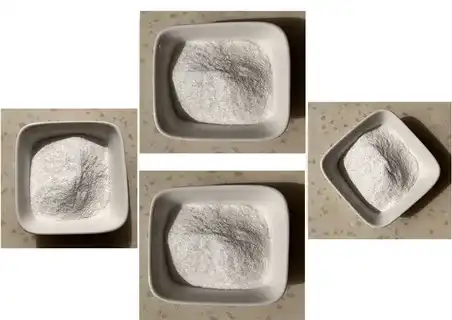
Understanding Superoxide Dismutase Powder and Its Commercial Value
The Science Behind SOD's Antioxidant Mechanism
SOD works very quickly to break down enzymes that break down superoxide radicals, almost at the speed of diffusion-limited processes. Researchers have found that high-purity SOD mixtures protect cells by lowering oxidative markers by 40–60% in controlled tests. This strong action is why it's used so much in the health, skin care, and sports nutrition industries, where oxidative damage has a direct effect on how well products work and how well customers do.
Natural Versus Synthetic Sourcing Options
The way SOD is extracted has a big effect on the quality of the end product and how well it works in different situations. Natural SOD that comes from plants or bacterial fermentation is usually better at being biocompatible and accepted by consumers, especially in organic product lines. These methods of separation keep the structure of the enzymes while keeping the activity levels at a level that is safe for sensitive uses like face serums and oral supplements. Synthetic options may be cheaper, but they often have trouble getting accepted in high formulation markets where claims of natural origin drive buying choices.
Bioavailability Considerations for Different Applications
Enzyme release and stability are directly affected by the shape of the product. Powder forms allow for more recipe options and a longer shelf life when stored properly, while encapsulated forms offer controlled release rates. The rates of bioavailability depend on the particle size, the pH of the mixture, and the carrier systems used. When buying things, procurement experts have to make sure that the SOD format specs meet the needs of the final use. For example, cosmetics work best with micronized powders smaller than 200 mesh, but dietary supplements might need enteric-coated delivery systems to work in the stomach.
Core Criteria to Evaluate High-Purity Superoxide Dismutase Powder
Purity Standards and International Certifications
Verified documents that show production compliance are the first step in authentication. ISO certification shows that quality management systems meet international standards. HALAL and KOSHER approvals make markets more accessible to people who follow religious food rules. The FSSC22000 certification is very helpful for businesses that work with the beverage and food ingredient industries because it focuses on food safety management. Organic approval from the USDA verifies farming and processing methods, which is why it commands higher prices from health-conscious customers. Procurement teams should ask for up-to-date copies of certificates with registration numbers, Superoxide Dismutase Powder, and check their validity through databases maintained by the granting body to make sure they are real.
Enzymatic Activity Units as Potency Indicators
The objective way to measure strength is through enzyme activity, which is usually given in units per milligram or gram. Most commercial-grade SOD goods have between 2,000 and 10,000 units per gram. Goods with higher amounts should cost more. Standardized methods are used in activity tests to measure the rates at which superoxide radicals are removed under controlled conditions. Because enzymes lose their effectiveness over time, buyers should ask for batch-specific activity reports with testing dates. If a product's activity drops by more than 10% within six months of being made, it means that it wasn't stabilized properly or wasn't stored properly during distribution.
Supplier Transparency and Traceability Systems
Clear access in the supply chain lowers the risk of contamination and guarantees consistent sources. Reputable makers keep full records of all production steps, from where the raw materials come from to how they are packaged at the end. This paperwork should have records of the growing or fermenting process, the steps used for extraction, the steps for cleaning, and quality control checks. Audit compliance shows how mature an operation is—suppliers who get third-party audits on a regular basis show they are committed to keeping standards above and beyond what is required by law. Before signing a purchase agreement, organizations can find out more about their capabilities by asking for facility audit reports and tracking sample documents during the seller evaluation phases.
Comparing Market Options: How to Distinguish Superior SOD Products
Natural Extraction Versus Synthetic Production Methods
Extraction technology has a big impact on how products work and where they are positioned in the market. Natural SOD from fruits, wheat sprouts, or microbial fermentation fits in with the clean label trends that are popular in the cosmetics and nutrition industries. These sources give you antioxidants and chemical cofactors that work together to make things more stable and bioactive. Advanced extraction technology helps factories get higher recovery rates while keeping the structure of the enzymes. This gives products better shelf stability and activity retention over their entire lifecycles. Companies that want to reach high-end customers can benefit from natural SOD's marketing benefits and buyer choice trends. Synthetic production has benefits like controlled makeup and stability from batch to batch. When synthetic SOD is made, the parameter windows are kept smaller, which is good for pharmaceutical uses that need accurate dosing estimates. Cost structures tend to favour synthetic methods for bigger production runs, but market acceptance depends on the application and the people who will be buying it.
Quality, Consistency, and Supply Chain Reliability
Operational success is what sets great partners apart from good sellers. Manufacturing plants that can make more than 1,000 tons of goods a year use economies of scale and infrastructure investments to keep supplies steady. Metrics for consistency should look at the difference in purity rates, activity levels, and contaminant patterns between different production runs, as shown on the certificate of analysis. Maintaining ready stock supplies by suppliers gives buyers more options, letting them place orders quickly without having to wait for long lead times that make planning production harder. Leading makers have shown that their distribution networks reach more than 280 places through 338 distributors. This shows that they have strong logistics skills and a market presence. Geographic reach gives you access to a number of different types of transportation, such as courier services for sending samples, air freight for quickly restocking, and ocean transport for big orders at a low cost.
Formulation Variations and Synergistic Blends
Pure SOD powders give R&D teams the most freedom when it comes to Superoxide Dismutase Powder formulating, so they can make custom mixes that meet specific effectiveness goals. Some sellers offer ready-made mixes that include SOD with glutathione, catalase, or other antioxidants. These synergistic mixes use processes that work hand-in-hand. For example, catalase breaks down hydrogen peroxide produced by SOD activity, and glutathione keeps the redox balance in cells. Whether standardized mixes or pure ingredients are better for your development process will depend on how much control you need over the recipe and how long it takes to get the product to market.
Procurement Strategies for Bulk Superoxide Dismutase Powder Purchases
Minimum Order Quantities and Pricing Benchmarks
Understanding how costs are structured helps you make good spending decisions and negotiate with vendors. For testing purposes, the smallest order size is usually between 1 and 25 kilograms. For business production, the smallest order size is between 100 and 500 kilograms. Most volume savings start at 100 kilograms, and prices drop by 15 to 30 percent for orders of 500 kilograms or more. Purchasing managers should ask for thorough quotes that include unit prices, freight costs, different packaging choices, and terms of payment. Comparing prices from different sources shows where a business stands in the market and helps find quotes that are too low, which could mean that quality is being compromised or the supply chain is shaky.
Comprehensive Supplier Vetting Protocols
Due research stops partnerships from failing and prevents problems with the quality of the product. The criteria for evaluation should include checking the output capacity, figuring out the financial stability, and looking at the past performance of following the rules. Visitors to factories can see for themselves how things are made, stored, and checked for quality by going to the factories themselves. Companies that say they have research partnerships should back them up. For example, producers that work with 30 or more medical research institutions show they are serious about science and evidence-based product creation.
Logistics Optimization and Quality Assurance Measures
When choosing a mode of transportation, speed and cost must be balanced. International courier services can send packages weighing 5 to 50 kilograms in 3 to 7 days, which is good for testing samples and trial production. Orders between 50 and 500 kilograms can be sent by air freight, which takes 7 to 14 days to arrive. On the other hand, large orders over 500 kilograms can be sent by ocean freight, which takes 30 to 45 days to arrive and costs much less per unit. Manufacturing lead times are eliminated by being able to ship quickly from ready stock inventories. This is very important when production plans can't handle 4-6 week custom production cycles. Acceptance standards should be written down in quality assurance agreements. These should include minimum enzymatic activity, maximum moisture content, microbiological limits, and heavy metal levels. Setting up rules for keeping samples lets you look back and see what went wrong if performance problems show up during the formulation or stability testing stages.
Practical Tips for Ensuring Long-Term Satisfaction with Your SOD Purchase
Storage and Handling Best Practices
Controlled Superoxide Dismutase Powder under weather conditions to keep enzyme activity high. The best conditions for keeping SOD powders stable are between 2°C and 8°C, in containers that are tightly sealed and kept away from light and moisture. Moisture absorption leads to enzyme breakdown and bacteria growth risks, so adding a desiccant is necessary for long-term keeping. Facilities that don't have temperature-controlled storage should only keep enough inventory for three to six months and order more often to keep the goods fresh. The right way to handle things lowers the risk of oxidation. For example, cleaning storage containers with nitrogen extends their shelf life by lowering their exposure to oxygen in the air.
Delivery Verification and Quality Control Testing
Incoming checking methods make sure that what suppliers say is true and protect against changes from specifications. When the package is received, it should be looked at to make sure it is still whole and not damaged by moisture, contamination, or a broken seal. The study of the certificate of analysis makes sure that the batch numbers match the shipping paperwork and that the specs are within acceptable limits. Independent approval comes from testing in a third-party lab. Enzymatic activity tests, purity tests using HPLC, and microbiological screens make sure the product meets internal standards. By collecting baseline performance data during original sales, you can use it as a comparison point to see how consistent the service is across subsequent purchases.
Application-Specific Procurement Customization
Buying strategies that are tailored to how the goods will be used in the end improve store efficiency and product performance. Smaller, more regular orders of freshly made SOD are better for cosmetic formulators making anti-aging serums because they increase the enzyme activity in finished goods. OEM supplement makers who use continuous production lines need a steady source of bulk materials that meet certain activity standards for production runs that last several months. When it comes to food additives, the most important things are low prices and regulatory paperwork that backs up label claims. On the other hand, pharmaceutical development needs a lot of purity documentation and batch-to-batch consistency data to back up regulatory reports. When procurement teams understand these application specifics, they can discuss terms that meet business needs, whether they're focusing on freshness, cutting costs, or documenting in great detail.
Conclusion
To choose high-purity Superoxide Dismutase Powder, you need to carefully check the supplier's skills, the enzyme's ability to work, and the certification's validity. People who work in procurement for the cosmetics, pharmaceuticals, and nutraceutical businesses need to make openness a top priority. They should check for ISO, HALAL, FSSC22000, and organic certifications, as well as tracking systems and quality control methods. Most of the time, natural extraction methods are better for biocompatibility and market positioning, but manufactured options are cheaper when used on a large scale. Purchasing risks can be reduced by thoroughly checking suppliers on things like their production capacity, study partnerships, and the dependability of their logistics. Long-term happiness with SOD powder spending is ensured by following storage routines, checking new quality, and customizing for specific applications. This supports formulation success and regulatory compliance across global markets.
FAQ
1. What enzymatic activity level should commercial formulations target?
For commercial SOD products to work as an antioxidant, they usually need at least 3,000 to 5,000 units per gram of action. Cosmetic uses usually call for 3,000 to 4,000 units per gram, and at 0.5 to 2% inclusion rates, skin benefits can be seen. For normal capsule forms, dietary products that are meant to have therapeutic benefits may need between 5,000 and 10,000 units per gram to get the dose that is needed. Activity needs to change depending on the pH of the mixture, the delivery method, and the shelf life that is desired. A higher starting activity makes up for degradation that happens during storage.
2. How can buyers verify SOD powder authenticity and purity before purchase?
Ask for a lot of paperwork, like test results from a third-party lab, certificates of analysis with exact activity counts, and records of how each batch was made. Suppliers with a good reputation send small samples to approved labs for independent verification testing. Use normal procedures to do enzymatic activity tests and HPLC or other chemical methods to check for purity. Use the registration numbers on the certificates to check seller approvals directly with the organizations that issued them. Site audits of factories let people see for themselves how things are made and how quality control methods work.
3. Are there safety considerations or side effects with high-purity SOD powder?
When used at the suggested levels, high-purity SOD has great safety ratings in cosmetic and nutraceutical uses. Topical uses rarely cause bad reactions, but it's still a good idea to do a patch test on people with sensitive skin. Studies on oral supplements show that amounts up to 250–500 units per kilogram of body weight have few side effects. Potential allergenicity varies depending on the source material. SOD made from wheat seeds might be a problem for people who are sensitive to gluten, but SOD made from fruit or microbes doesn't have this problem. Review the source instructions and do the right safety checks for each program and group of people you want to protect.
Partner with a Trusted Superoxide Dismutase Powder Supplier
Avans NutriHealth Co., Ltd. can meet your needs for antioxidant ingredients with high-purity Superoxide Dismutase Powder that has been certified by HALAL, ISO, USDA Organic, HACCP, and FSSC22000, among others. In order to meet your production deadlines, our factories keep ready-to-ship supplies that can be sent quickly by courier, air, or water. As a leader in the field with a production permit for medical foods from China, we mix strict quality control with research-driven innovation through relationships with more than 30 hospitals. Our global delivery network, which includes more than 280 cities, makes sure that the supply chain is always supported, and our customization tools let us make solutions that are perfect for use in nutraceuticals, pharmaceuticals, cosmetics, and food additives. Email our team at Lillian@avansnutri.com to get product samples, talk about bulk prices, or find out how our Superoxide Dismutase Powder can help your recipes. We help you succeed with your purchase by giving you detailed technical materials and quick service.
References
1. Fridovich, I. (1995). "Superoxide Radical and Superoxide Dismutases." Annual Review of Biochemistry, 64(1), 97-112.
2. McCord, J.M. & Fridovich, I. (1969). "Superoxide Dismutase: An Enzymic Function for Erythrocuprein." Journal of Biological Chemistry, 244(22), 6049-6055.
3. Zelko, I.N., Mariani, T.J., & Folz, R.J. (2002). "Superoxide Dismutase Multigene Family: A Comparison of the CuZn-SOD, Mn-SOD, and EC-SOD." Free Radical Biology and Medicine, 33(3), 337-349.
4. Vouldoukis, I., Conti, M., Krauss, P., Kamaté, C., Blazquez, S., Tefit, M., Mazier, D., Calenda, A., & Dugas, B. (2004). "Supplementation with Gliadin-Combined Plant Superoxide Dismutase Extract Promotes Antioxidant Defences." Phytotherapy Research, 18(12), 957-962.
5. Jurkiewicz, B.A. & Buettner, G.R. (1994). "Ultraviolet Light-Induced Free Radical Formation in Skin: An Electron Paramagnetic Resonance Study." Photochemistry and Photobiology, 59(1), 1-4.
6. Marklund, S.L. (1982). "Human Copper-Containing Superoxide Dismutase of High Molecular Weight." Proceedings of the National Academy of Sciences, 79(24), 7634-7638.