




How Pure Should Inulin Powder Be for Food Applications?
When buying chicory root extract to make food, the quality requirements have a direct effect on how well the product works, how well it meets regulations, and how safe it is for consumers. Depending on the end-use group, Inulin Powder meant for food applications usually needs to be at least 85% to 95% pure. This prebiotic fiber, which is mostly taken from chicory root (CAS number: 9005-80-5), needs to stay at a high enough percentage to do its job while being free of impurities like leftover sugars, moisture levels above 5%, and microbes. Our 90% chicory root extract from Avans NutriHealth Co., Ltd. meets strict international certifications like HALAL, ISO, USDA, HACCP, and FSSC22000. This means that you can be sure of batch-consistent quality that supports both the following regulations and making great formulations in the food, medicine, and nutraceutical industries.
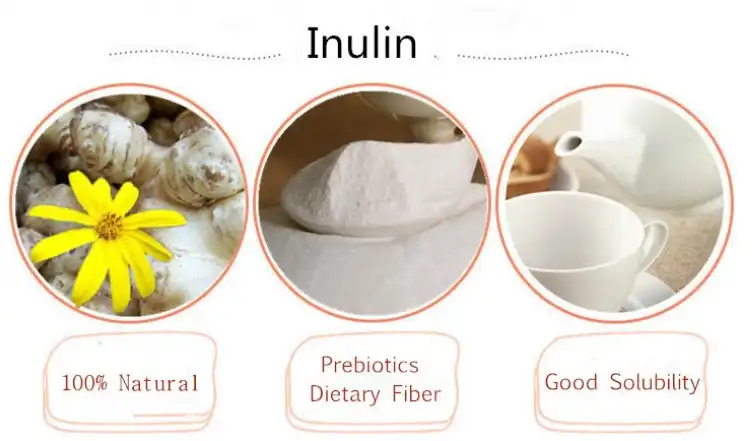
Understanding Inulin Powder Purity: Definition and Importance
What Does Purity Mean in Chicory Root Extract?
The purity of prebiotic fiber supplements is measured by the amount of active fructan chains that are present compared to other things that aren't good for you, like simple sugars (glucose, fructose, and sucrose), ash, moisture, and foreign particles. If the standard says 90%, it means that the product has 90% inulin, which means that for every 100 grams of powder, it has 90% naturally occurring plant chemicals or controlled moisture content. This difference is very important when making goods whose fiber content claims need to match the rules for nutrition labels set by the FDA in the US or the EFSA in Europe.
Distinguishing Between Grade Classifications
Food-grade chicory extract is usually between 85% and 92% pure, and it focuses on being tasteless, dissolving in cold water, and being cost-effective for large-scale uses like drinks and baked goods. Pharmaceutical-grade versions, which we also offer, need to be purer than 95% and go through a lot of heavy metal testing and bacterial controls so they can be used to make capsules and tablets. Organic versions have extra rules about how much pesticide waste can be below 0.01 parts per million (ppm) and how the food can be tracked from the farm to the processing plant. When purchasing managers know about these categories, they can better match product specs to both application needs and legal requirements.
Why Purity Impacts Brand Reputation
Food companies have lost millions of dollars in sales and customer trust because of recalls of products with dietary fiber ingredients that were contaminated. In 2019, an issue with poorly described chicory fiber caused reports of off-taste, which led to the voluntary removal of three product lines from the market. Such scenarios underscore why rigorous incoming material testing and supplier certification audits represent non-negotiable elements of quality assurance protocols. Making sure your goods are always pure will make sure they give you the prebiotic benefits you want, like better gut microbiota balance, better calcium intake, and support for feeling full, while still having the clean taste people want in functional foods.
Factors Affecting Purity Levels in Inulin Powder Production
Raw Material Selection and Agricultural Practices
The field is where the process of making high-purity Inulin Powder starts. Chicory roots that are picked when they are fully grown (18 to 24 months) have the highest levels of fructan. If they are picked too early, they have higher levels of simple sugars, which lowers the quality of the end product. Organic farming methods get rid of manmade chemical residues, but they need longer crop rotation times and specialized pest management, which affects both the price and the supply of the food. You can also get it from Jerusalem artichoke, but its shorter fructan chains (usually 2–10 degrees of polymerization compared to 2–60 degrees for chicory) make food structures work differently. We only get our chicory from leased farms in the temperate zones of northern China. The land and weather conditions there are perfect for the growth of inulin. Because of where it comes from and when it's picked, our raw material naturally has more than 16% inulin content before it is processed.
Processing Techniques That Enhance Concentration
Aqueous extraction is the first step in preparing chicory. To dissolve fructans, cut roots are put through hot water diffusion at controlled temperatures (60–80°C). This leaves the cellulose and protein structures alone. The initial crude extract is then cleaned in several steps. Activated carbon filtration gets rid of colorants, ion exchange gets rid of minerals, and membrane ultrafiltration concentrates inulin while removing smaller molecular weight sugars. Using advanced spray-drying technology, the pure liquid concentrate is turned into a white powder that can be easily mixed with other things. The fructan chain structure is kept intact. Our factory is certified by FSSC22000 and uses manufacturing equipment made of stainless steel. The air quality is controlled to stop Maillard reactions and the growth of microorganisms. With this end-to-end process control, we can regularly meet the 90% pure requirements, with variations between batches of less than 2%.
Quality Control Methods and Analytical Verification
HPLC measurement is the best way to check the amount of inulin and how much it has polymerized. This chromatographic method sorts fructan chains by molecular size, which lets you measure both the total fiber content and the amount of mono- and disaccharides that are still present. Karl Fischer moisture analysis (target: <5%), microbiological screening for total plate count (target: <1,000 CFU/g), and heavy metal verification via ICP-MS for lead, cadmium, and arsenic below legal limits are some of the other tests that are done. Our quality assurance lab, which is run by skilled technicians, does these tests on every output batch before it is sent out to customers. All packages come with Certificates of Analysis, which are used by R&D teams and regulatory affairs offices to put together product dossiers and submit them to regulators. This openness takes the guesswork out of making decisions about your supply chain.
The Role of International Certifications
Certifications like HALAL, KOSHER, and USDA Organic are more than just marketing tools; they also prove that certain handling standards are followed, which naturally supports goals for cleanliness. The lack of alcohol-based processing aids and enzymes obtained from animals is confirmed by HALAL approval, which is accepted in markets across the Middle East and Southeast Asia. For a plant to be USDA organic, it has to be inspected once a year and tested for pesticide residues at levels 10 times higher than normal. These qualifications let purchasing officials know that source facilities have separate production lines, cleaning processes that have been tested, and traceability systems that can follow individual batches from the time they receive raw materials to the time they are shipped out as finished goods. When looking at possible partners, make sure that their certifications are up-to-date and cover the specific factories that will be making the materials you need.
Optimal Purity Levels for Different Food Application Categories
Baking and Confectionery Applications
Inulin Powder, chicory fiber with a quality level between 85% and 90%, works great in baked goods where the main goals are to keep the moisture in, improve the crumb structure, and make the food last longer. The last 10–15 percent, which is made up of naturally occurring plant oligosaccharides and minerals, helps with Maillard browning processes that make breads and cookies' crusts darker without adding more reducing sugars. When dosed at 3-8% of flour weight for fiber enrichment claims, this range of purity also offers cost savings.
Dairy and Beverage Formulations
Higher solubility profiles and taste balance are needed for dairy replacements and functional drinks. These requirements are best met with purity grades of 90% to 95%. In these uses, cold-process mixing is used, and any part of the fiber that doesn't dissolve would cause grit or problems with the way the food tastes. The high level of purity gets rid of any remaining plant proteins and minerals that could combine with the calcium in cheese to make precipitates or give the product an off taste after being stored for a long time.
Nutraceutical and Supplement Requirements
The tightest purity standards are set for dietary supplements, which often need a minimum of 92% inulin content to back up their fiber dose claims on the Supplement Facts screen. Low-moisture requirements (<3%) are needed for capsule and pill formulas to keep them from clumping when compressed and to make sure they stay stable at room temperature for two years. When selling to diabetics or making ketogenic-friendly goods, where even 5g of digestible carbs per serving would make the product ineligible, the lack of residual sugars becomes very important.
Comparing Inulin Purity: How to Choose the Right Supplier for Bulk and OEM Needs
Assessing Supplier Purity Standards and Documentation
Suppliers who are open and honest show all the details about their products, including the minimum purity level, the normal ranges for analysis, the test methods they use, and the acceptance standards for each parameter. Ask for multi-lot Certificates of Analysis that cover at least three recent production batches to check for uniformity. If the purity changes by more than 3% between batches, it means that the process is not being controlled well enough. Check to see if the testing labs are ISO 17025 certified. This will make sure that the analysis methods are true and that measurements can be tracked back to their source.
Understanding Price-Purity Relationships in Procurement
The market price for chicory extract is directly related to how pure it is and whether it has been certified. Standard 85% food-grade material usually sells for the base price, while 90% certified-organic forms command 35–50% prices because they have to go through more steps of purification and pay more for organic certification. Pharmaceutical-grade 95% pure is the most expensive level because it needs to be tested by experts and processed in a controlled environment.
Evaluating Global Supply Chain Capabilities
For a reliable chicory supply, it needs to be available all year, even during growing times. Established makers keep strategic inventory stocks equal to three to six months' worth of customer demand. This protects them against changes in food yields and problems with logistics. Our yearly production capacity of 1,000 tons and temperature-controlled storage facilities make sure that products are always available throughout the year. This supports just-in-time manufacturing plans without requiring safety stock buildups that slow down working capital.
Customization Options for Private Label Development
OEM ties include more than just supplying common ingredients. They also include custom particle size distribution, custom packaging configurations, and co-creating product specs. For some uses, instantized (agglomerated) powder that dissolves quickly in cold water is best, while for others, capsule fills need fine-milled grades below 100 mesh for a smooth texture. We offer these customization options along with private labeling, which puts your name on the packages in a way that makes it stand out. Behind the scenes, we still use our manufacturing skills.
Managing Purity Risks and Ensuring Consistent Quality in Procurement
Common Adulteration Risks and Detection Methods
To make Inulin Powder chicory fiber more affordable, cheaper polysaccharides like maltodextrin or oligosaccharides from corn are often mixed in. This makes the fiber content look higher while actually lowering the cost of production. Standard total dietary fiber measurement (AOAC 985.29) might not notice these changes if the adulterant has molecular weights that are similar to those of real inulin. For more advanced identification, HPLC fingerprinting is needed to check the fructan-specific chain length distribution patterns that are unique to chicory origin.
To deal with these risks, we test the identity of raw materials as soon as we receive them and have third-party labs check the identity of produced products. Our ISO 9001-certified quality management system requires that two-year-old samples from every production batch be kept so that they can be used for investigations into past quality problems. Procurement teams should ask for similar proof of authenticity and think about having third parties test received materials on a regular basis to independently confirm what suppliers say.
Implementing Supplier Audit Protocols
Comprehensive supplier audits include more than just looking at paperwork. They also include visits to the manufacturing plant to check on things like cleanliness, the state of equipment upkeep, and training records for staff. Audit reviews should check that organic materials are stored separately, that analytical tools are calibrated and have up-to-date repair logs, and that corrective action plans are written down for when results aren't what was expected. We welcome checks from customers and keep our books open with approved partners who want to see a lot about the supply chain.
Remote monitoring has come a long way, and now videoconferencing and real-time document sharing tools allow for virtual tours of facilities. Even though these tools don't completely replace in-person checks, they do make it possible to keep track of corrective action closing and process improvement projects more often. Set up regular check schedules—once a year for key suppliers and every two years for secondary sources—so you always know what your suppliers can do and what new risks they may pose.
Incoming Material Testing Best Practices
Never skip checking new materials just because the seller gives you a Certificate of Analysis. Identity proof tests (thin-layer chromatography or FTIR spectroscopy) and moisture analysis should be done on every lot that is received at the very least. For higher-risk factors like heavy metals and microbial contamination, risk-based sample plans can be used to test every fifth lot from approved providers or every lot from new sources during the initial approval periods.
Set clear acceptance standards and written rules for how to handle materials that don't meet the requirements. Protocols for quarantine must stop accidental use while studies into the cause continue. We suggest keeping an accepted seller list with qualified backups to make sure business keeps going even when primary sources have quality problems. As a way to balance risk management with working efficiency, our quality assurance team works with customers to come up with standards and testing methods that everyone is happy with.
Leveraging Private Label Specifications
You can set higher purity levels and testing requirements for private label goods compared to normal commodity grades. This lets you make products that stand out and have better quality placement. These deals could say that the purity must be at least 92% instead of the usual 90%, that the moisture level must be kept at a maximum of 4% instead of the usual 5%, or that heavy metal panels must test for more elements than the legal minimums. These requirements protect your formulations with quality moats and show governmental agencies and store partners that you've done your research.
Putting these requirements in written Quality Agreements makes it clear who is responsible for what, how often to test, and how to handle materials that don't meet the requirements. We've worked with more than 50 private label clients to create custom specs that support their unique market positioning. These range from baby nutrition brands that need ultra-low microbial counts to sports nutrition lines that stress pharmaceutical-grade purity claims. Ask our expert team to look into how customized specs can help you stand out from the competition.
Conclusion
When choosing the right inulin quality levels for food uses, you need to think about how much the product costs, how well it works, and how much it needs to cost to meet regulations. The range of 85% to 95% purity covers a wide range of uses, from inexpensive bakery enrichment to pharmaceutical-grade supplement formulations. Our 90% chicory root extract is the best standard for most food-making situations. Your brand will be safe from quality problems and have reliable access to this increasingly important, useful ingredient if you carefully evaluate your suppliers. This includes checking their certifications, reading through their analytical papers, and evaluating their supply chain capabilities. Procurement teams can get the most out of chicory-derived prebiotics in growing health and wellness product lines by putting in place thorough testing for new materials and building open relationships with suppliers.
FAQ
What is the minimum inulin purity required for making fiber content claims on food labels?
EFSA standards in Europe and FDA rules in the US both say that inulin that is at least 90% pure can be used on nutrition labels as a type of dietary fiber. Lower-purity grades may still have prebiotic effects, but they need more complicated ways to figure out the fiber content and more scientific proof. When making goods with "high fiber" or "excellent source of fiber" claims, make sure your ingredient meets these basic standards to make regulatory submissions easier and make sure your labels are correct. Such claims are directly supported by our 90% standard, which doesn't need any extra qualification studies.
Can inulin powder lose purity during storage?
If chicory extract is stored correctly, it stays pure for up to 24 months as long as it is kept at temperatures below 25°C and relative humidity below 60%. The main way that fibers break down is by absorbing water vapor. When hygroscopic inulin is exposed to wet conditions, it does two things: it raises the moisture content and lowers the effective fiber concentration. Other worries are the growth of microbes if the moisture level goes above 8% and the oxidative breakdown of plant chemicals that are left behind, which can change the color stability. Always keep in tight, moisture-barrier packaging in climate-controlled areas, and test less thoroughly after longer periods of storage.
How does degree of polymerization relate to purity specifications?
Degree of polymerization (DP) is the average number of fructose units per inulin molecule. For chicory extract, DP levels usually range from 2 to 60, with higher-DP parts being less soluble and more resistant to fermentation. While DP values and purity standards (percentage inulin by weight) work separately, useful features are determined by both of them together. When it comes to solubility and prebiotic dynamics, a nutrient that is 90% pure and has an average DP of 10 acts differently than one that is 90% pure and has an average DP of 25. When functional performance is very important and accuracy is needed, like in pharmaceutical applications or clinical nutrition goods that need to have standardized physiological effects, you should specify both factors.
Partner with Avans for Certified High-Purity Chicory Extract
Avans NutriHealth Co., Ltd. is a trustworthy company that makes Inulin Powder. They offer 90% chicory root extract that meets the high standards of food, nutritional, and medicinal uses around the world. Our HALAL, ISO, USDA, HACCP, and FSSC22000 certifications show that we are dedicated to quality, and our 1,000-ton annual capacity and large network of distributors in more than 280 cities make sure that your most demanding production plans are met. We have helped R&D teams, procurement managers, and formulators in regulated markets in North America, Europe, and the Middle East for more than 15 years. We can help you reach your product development goals by combining professional know-how with helpful customer service. Email our team at Lillian@avansnutri.com to get full product specs, talk about your needs for custom formulations, or set up a facility check. As a reliable Inulin Powder seller, we're dedicated to giving you clear quality documentation, low prices, and the customized solutions that turn finding functional ingredients from a problem to be solved into a strategic partnership benefit.
References
1. Roberfroid, M. B. (2007). "Inulin-Type Fructans: Functional Food Ingredients." Journal of Nutrition, 137(11), 2493S-2502S.
2. Mensink, M. A., Frijlink, H. W., van der Voort Maarschalk, K., & Hinrichs, W. L. (2015). "Inulin, a Flexible Oligosaccharide: Review of Its Physicochemical Characteristics." Carbohydrate Polymers, 130, 405-419.
3. Kalyani Nair, K., Kharb, S., & Thompkinson, D. K. (2010). "Inulin Dietary Fiber with Functional and Health Attributes—A Review." Food Reviews International, 26(2), 189-203.
4. Franck, A. (2002). "Technological Functionality of Inulin and Oligofructose." British Journal of Nutrition, 87(S2), S287-S291.
5. Tungland, B. C., & Meyer, D. (2002). "Nondigestible Oligo- and Polysaccharides (Dietary Fiber): Their Physiology and Role in Human Health and Food." Comprehensive Reviews in Food Science and Food Safety, 1(3), 90-109.
6. Bonnema, A. L., Kolberg, L. W., Thomas, W., & Slavin, J. L. (2010). "Gastrointestinal Tolerance of Chicory Inulin Products." Journal of the American Dietetic Association, 110(6), 865-868.