



How Does Neotame Powder Enhance Taste Without Calories?
Neotame powder is a very strong sweetener because of the way its molecules are structured. They naturally activate taste receptors in food without adding any calories. This strong manufactured sweetener is about 7,000–13,000 times sweeter than sugar. It binds to sweet taste receptors in the mouth but doesn't change the way the body works biologically. Unlike regular sugars, which give you energy through carbohydrate metabolism, neotame's chemical makeup lets you taste sweetness at very small amounts. This makes it a great zero-calorie option for companies that want to lower the amount of sugar in their products without affecting the taste.
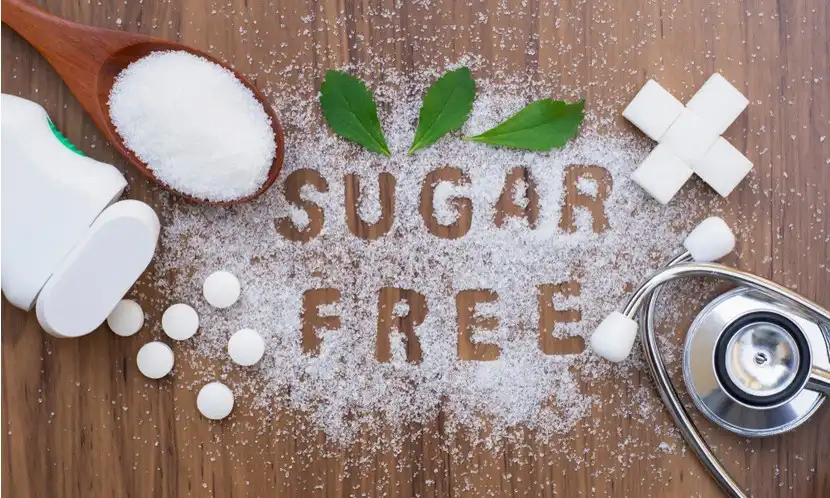
Understanding Neotame Powder and Its Unique Sweetening Properties
Modern food and beverage makers must cut sugar while preserving flavor. Neotame powder that gives great sensory experiences without nutritional compromise has emerged due to the desire for zero-calorie sweeteners.
Chemical structure and sweetening
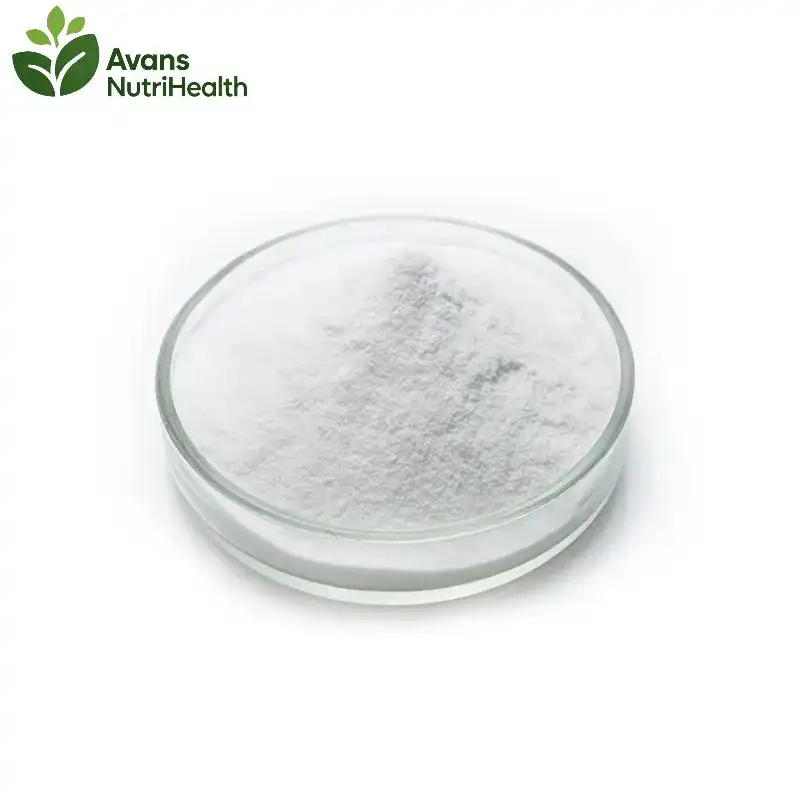
Neotame (E961)'s molecular design revolutionizes artificial sweeteners. The chemical structure of this white to off-white powder is formed from aspartic acid and phenylalanine, with changes to improve stability and sweetness. The compound's molecular arrangement, CAS 165450-17-9, permits it to interact with taste receptors at parts per million rather than percentages.
Its ability to properly fit onto tongue sweet taste receptor sites gives the sweetener its strength. Neotame molecules connect to these receptors and stimulate the same brain pathways as sugar, giving the sensation of sweetness without the massive amounts required for typical sweeteners. This technique explains why little amounts may sweeten like big amounts of sugar.
Advantages over traditional sweeteners
Neotame powder has various benefits over existing alternatives that help commercial formulations. Aside from being 200 times sweeter than sugar, neotame is 7,000-13,000 times stronger, reducing consumption. Procurement teams save on shipping, storage, and inventory management due to concentration.
Thermal stability makes the component more stable than other artificial sweeteners, preserving sweetness throughout high-temperature processing. This allows use in baked goods, canned goods, and other heat-treated foods where other sweeteners may deteriorate. This flexibility allows for more formulations and ensures flavor consistency throughout production processes.
The Science Behind Neotame's Calorie-Free Sweetness
Neotame's amazing sweetening effects without calories may be explained by understanding its scientific underpinnings. Neotame differs from natural sugars and artificial sweeteners in its molecular processes.
Molecular Taste Receptor Interaction
Molecular interactions with taste bud cell protein receptors start sweet taste perception. The heterodimeric complexes of T1R2 and T1R3 receptors identify sweet-tasting substances via unique binding interactions. Neotame's chemical structure fits these receptor sites well, resulting in tremendous binding affinity and extreme sweetness.
Neotame's strong binding affinity allows it to sweeten at very low concentrations, unlike sugar molecules, which need large amounts to saturate taste receptors. This efficiency explains why micrograms may taste like grams of sugar. The exact molecular match gives neotame a clear flavor without metallic or unpleasant aftertastes like other artificial sweeteners.
Metabolism and Calorie Effect
Neotame is calorie-free since the body cannot metabolize it via energy-producing mechanisms. Neotame is hardly broken down by enzymes in the digestive system, therefore most of it passes through untouched. The little proportion that undergoes metabolism creates metabolites with minimal calories owing to their modest amounts.
This metabolism differs from sugar metabolism, where glucose molecules enter glycolytic pathways to make ATP. Sugar releases 4 calories per gram via metabolic processes, whereas neotame's enzymatic resistance precludes equivalent energy release. Because neotame has little metabolism, regulatory bodies designate it as a non-nutritive sweetener for calorie-controlled goods.
Stability during processing
Commercial food production relies on processing stability to keep ingredients functioning throughout manufacture. Neotame is stable in acidic drinks and neutral dairy products. Sweetening is constant regardless of formulation acidity due to pH tolerance.
Neotame is temperature stable during cooking, baking, and pasteurization, allowing its use in heat-treated goods. Neotame powder retains its molecular structure and sweetening capability throughout food preparation, unlike certain artificial sweeteners that breakdown at high temperatures. Stability prevents post-processing sweetener addition and ensures consistent sweetness in final goods.
Neotame Powder in Practical Applications for B2B Clients
Neotame powder commercialization involves knowing optimum consumption patterns, formulation considerations, and procurement benefits for industrial processes. Ingredient attributes must meet application criteria for successful integration.
Formulation Guidelines and Usage Rates
Using neotame correctly requires accurate dose estimations depending on sweetness and product qualities. Most food applications use 4-20 parts per million, however product variety and sweetness intensity objectives vary. Solubility and diffusion in liquid systems make beverage applications demand lower concentrations than solid meals.
The following benefits make neotame appealing for commercial formulations:
- Excellent concentration efficiency—Minute amounts replace large sugar volumes, lowering raw material costs and simplifying logistics.
- Extended shelf stability - No deterioration reduces waste and speeds inventory rotation.
- Processing versatility - Compatibility with hot and cold processing enables use across diverse manufacturing platforms
- Clean label potential - Single ingredient sweetening reduces the need for complex sweetener blends
These traits provide producers with operational advantages and improved flavor. Concentration efficiency attracts organizations looking to save transportation expenses and storage space without sacrificing product performance.
Application-Specific Considerations
Neotame powder's versatility solves formulation problems in several product categories. The ingredient's acid stability maintains sweetness in carbonated drinks over time. Without caloric density, sugar-containing formulations don't exhibit minor viscosity increases.
Neotame's neutral flavor protects milk-based product taste qualities in dairy applications. Unlike sugar alternatives, ice cream and yogurt may reach desired sweetness without freezing point depression or texture changes. This compatibility lets producers create low-calorie versions that match full-sugar products.
How to Procure High-Quality Neotame Powder for Your Business
Understand supplier assessment criteria, quality assurance standards, and ordering processes to guarantee consistent product delivery for neotame procurement. Strategic sourcing affects production and commercial performance.
Quality control and supplier selection
Manufacturing skills, quality systems, and regulatory compliance records help find certified neotame powder suppliers. Leading providers have distinct manufacturing facilities with containment systems to avoid cross-contamination and assure purity. CGMP accreditation shows quality control throughout manufacturing.
Supplier credentials include identification, purity, and microbiological testing on each manufacturing batch by certified labs. Certificates of Analysis should provide complete test data proving specification compliance. Third-party testing verifies analytical correctness and supplier openness.
Target market certifications are part of regulatory compliance beyond production norms. FDA registration allows US supply, whereas EU compliance requires food additive compliance. HALAL, KOSHER, and organic certifications increase market access and supplier expertise.
Ordering and Packaging Options
Optimized ordering procedures provide precise neotame powder delivery and effective procurement. Technically trained customer support teams from top suppliers help with product selection, application advice, and logistics. Online ordering systems provide real-time inventory and shipping tracking together with convenience.
As a prominent manufacturer and supplier, Avans NutriHealth Co., Ltd. provides extensive procurement help. Our modern Chinese manufacturing facilities are quality-controlled, and our worldwide distribution network assures product availability. The company's ISO system, HALAL, KOSHER, BRC, and organic certifications show our dedication to addressing different worldwide consumer needs.
Conclusion
Neotame Powder transforms formulas that want to cut calories without sacrificing flavor. This component outperforms conventional and artificial sweeteners due to its high sweetening intensity, negligible calorie contribution, and durability. The substantial regulatory approval and safety data support commercial applications in many food and beverage sectors. Manufacturers may use neotame's unique qualities to create creative products that suit customer desires for healthier, great-tasting choices while retaining operational efficiency and cost-effectiveness via correct formulation and smart supplier collaborations.
FAQ
1. Is neotame powder safe for people with phenylketonuria?
Because of its altered chemical structure, neotame powder does not need to carry phenylketonuria warnings like aspartame does. The change in chemistry that gives neotame its better qualities also gets rid of the phenylalanine problems that came with its chemical predecessor.
2. How should you treat and store neotame powder?
Neotame powder should be kept somewhere cool and dry, out of direct sunlight and away from water. When kept properly, the item has great shelf stability and keeps its sweetening abilities for a long time. Due to the very small amounts needed for effective sweetening, proper handling includes using the right measuring tools.
3. Is it possible to mix neotame powder with other sweeteners?
When mixed with other sugars, neotame powder creates the best taste profiles and useful qualities. Neotame's strong sweetening power is often combined with filling agents or other sweeteners in mixing strategies to replace sugar's many roles in food systems while keeping the desired taste qualities.
Partner with Avans for Premium Neotame Powder Solutions
Avans NutriHealth Co., Ltd. stands as your trusted neotame powder supplier, delivering exceptional quality and comprehensive technical support for your sweetening applications. Our advanced manufacturing facilities produce consistently pure neotame powder that meets the highest international standards, including FDA, HALAL, KOSHER, and FSSC22000 certifications. With over 1,000 tons of annual production capacity and more than 100 skilled technicians, we ensure reliable supply chain support for manufacturers across the nutraceutical, pharmaceutical, and food industries. Our dedicated R&D team provides personalized formulation guidance while our global distribution network guarantees timely delivery to meet your production schedules. Contact our expert team at Lillian@avansnutri.com to discover how our premium neotame powder can enhance your product formulations while reducing costs and improving consumer appeal through superior zero-calorie sweetening solutions.
References
1. Prakash, I., DuBois, G. E., Clos, J. F., Wilkens, K. L., & Fosdick, L. E. (2008). Development of rebiana, a natural, non-caloric sweetener. Food and Chemical Toxicology, 46(7), S75-S82.
2. Magnuson, B. A., Carakostas, M. C., Moore, N. H., Poulos, S. P., & Renwick, A. G. (2016). Biological fate of low-calorie sweeteners. Nutrition Reviews, 74(11), 670-689.
3. Chattopadhyay, S., Raychaudhuri, U., & Chakraborty, R. (2014). Artificial sweeteners–a review. Journal of Food Science and Technology, 51(4), 611-621.
4. Sylvetsky, A. C., & Rother, K. I. (2016). Trends in the consumption of low-calorie sweeteners. Physiology & Behavior, 164, 446-450.
5. Zygler, A., Wasik, A., & Namieśnik, J. (2009). Analytical methodologies for determination of artificial sweeteners in foodstuffs. TrAC Trends in Analytical Chemistry, 28(9), 1082-1102.
6. Rogers, P. J., Hogenkamp, P. S., De Graaf, C., Higgs, S., Lluch, A., Ness, A. R., & Yeomans, M. R. (2016). Does low-energy sweetener consumption affect energy intake and body weight? A systematic review of the evidence. Physiology & Behavior, 152, 450-467.
_1767942984263.webp)