



How Can Sodium Alginate Bulk Improve Product Performance?
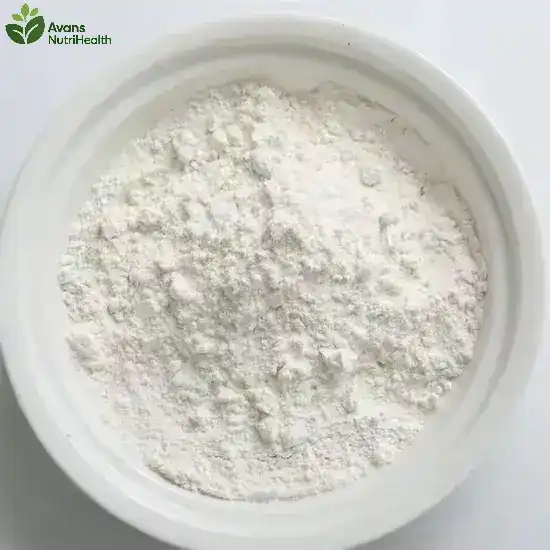
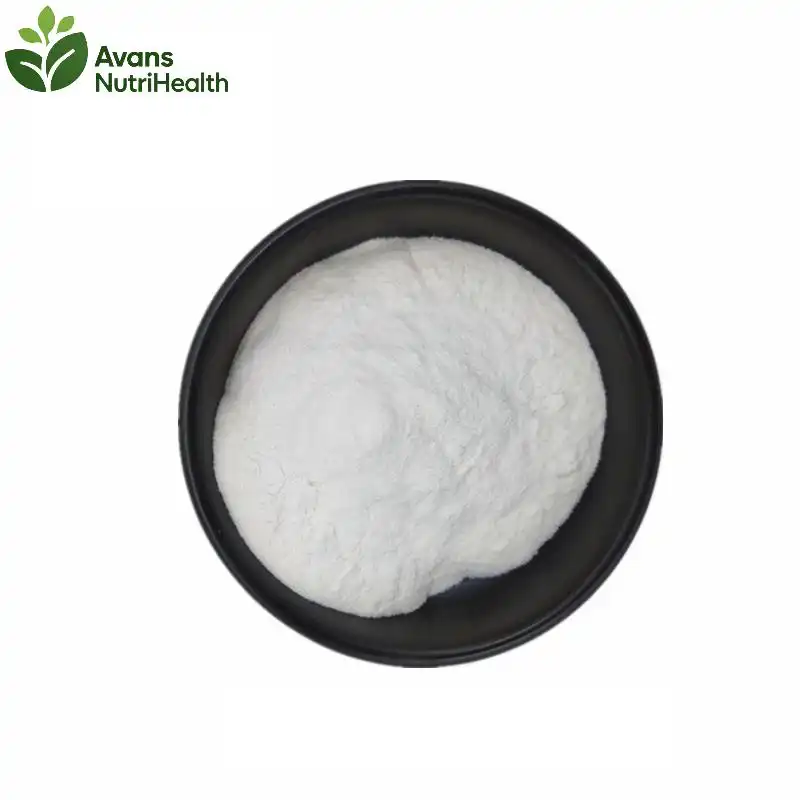
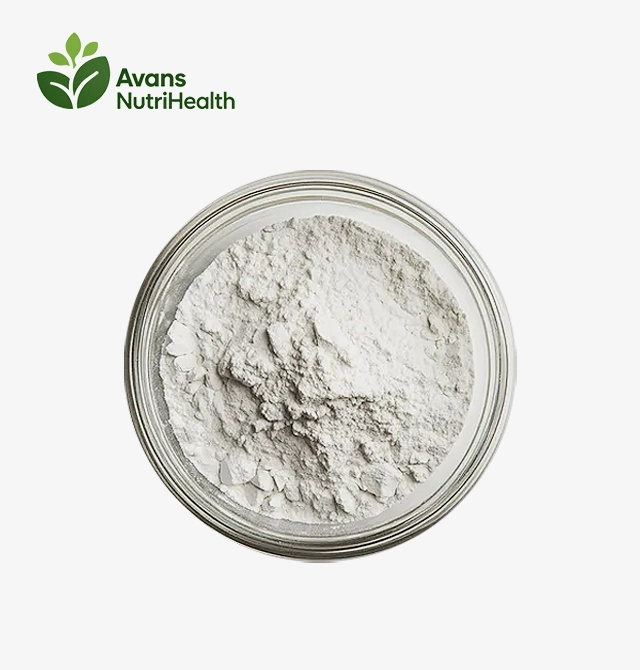
Sodium Alginate Bulk significantly enhances product performance through its exceptional gelling, stabilizing, and thickening properties. This versatile biopolymer improves texture consistency, extends shelf life, and enables controlled release mechanisms across food, pharmaceutical, and cosmetic applications. When sourced from reliable manufacturers with proper certifications, sodium alginate bulk delivers superior functionality while maintaining cost-effectiveness, making it an essential ingredient for manufacturers seeking to optimize formulation quality and meet stringent industry standards.
Understanding Sodium Alginate Bulk: Properties and Production
The foundation of sodium alginate's performance lies in its unique molecular structure. Extracted from brown seaweed species, including kelp and sargassum, this natural polysaccharide exhibits remarkable biocompatibility and versatility. The extraction process involves alkaline treatment of seaweed biomass, followed by purification and neutralization to produce the sodium salt form with CAS number 9005-38-3.
Chemical Composition and Molecular Benefits
Sodium alginate comprises mannuronic acid and guluronic corrosive buildups orchestrated in blocks along the polymer chain. This particular structure makes copious carboxyl and hydroxyl groups that empower extraordinary functional capabilities. The polymer's capacity to shape thermoreversible gels in the presence of divalent cations like calcium makes it priceless for controlled-release applications.
Manufacturing forms must keep up strict quality control to guarantee steady atomic weight distribution. Premium providers execute advanced filtration strategies that expel pollutions whereas protecting the polymer's useful properties. This consideration to detail specifically impacts the last product's execution characteristics.
Quality Standards and Certifications
Reputable producers keep up comprehensive certification portfolios counting BRC, ISO, FDA, Legitimate, Halal, HACCP, and FSSC22000 guidelines. These certifications guarantee item security, quality consistency, and administrative compliance over worldwide markets. Natural certification includes esteem for producers focusing on common item segments.
Quality markers incorporate consistency estimations, gel quality testing, and overwhelming metal examination. Providers ought to give Certificate of Examination (COA) documentation for each clump, illustrating compliance with the indicated parameters. This straightforwardness empowers acquisition groups to confirm item consistency and administrative adherence.
Core Benefits of Using Sodium Alginate Bulk in Product Formulation
The performance advantages of sodium alginate bulk extend across multiple functional categories, making it a preferred choice for formulators seeking reliable results. Understanding these benefits enables manufacturers to optimize their product development strategies while maintaining cost-effectiveness.
Superior Stabilization and Texture Enhancement
Sodium alginate conveys extraordinary stabilization properties that outperform numerous ordinary hydrocolloids. In nourishment applications, it makes smooth, rich surfaces while preventing syneresis and keeping up item keenness all through rack life. The polymer's capacity to frame adaptable gels gives mouthfeel characteristics that closely imitate common textures.
Compared to options like carrageenan or guar gum, sodium alginate offers predominant warm solidness and pH resistance. This flexibility permits formulators to keep up item quality over different handling conditions and capacity situations. The polymer's adequacy at low concentrations, moreover, contributes to cost-efficient formulations.
Controlled Release and Bioavailability Enhancement
Pharmaceutical applications benefit from sodium alginate's controlled-release capabilities. The polymer shapes defensive networks around dynamic compounds, empowering maintained sedate conveyance and enhanced bioavailability. This usefulness is especially profitable for touchy compounds requiring assurance from degradation.
The gelation process can be accurately controlled through calcium particle concentration and blending parameters. This control permits formulators to customize discharge profiles according to particular helpful necessities. Clinical studies illustrate upgraded persistent compliance when sodium alginate-based definitions give amplified sedative action.
Nutritional and Safety Advantages
Sodium alginate contributes dietary fiber substance to nourishment details, while keeping up amazing security profiles. The polymer passes through stomach-related frameworks generally unaltered, giving useful prebiotic impacts without unfavorable responses. This characteristic underpins clean name activities and buyer well-being trends.
Safety information shows negligible word-related risks when legitimate dealing with strategies are taken after. The biodegradable nature of sodium alginate aligns with sustainability objectives whereas keeping up execution benchmarks. These natural benefits progressively impact purchase choices in socially cognizant markets.
Selecting the Right Sodium Alginate Bulk for Your Business Needs
Successful sodium alginate procurement requires careful evaluation of supplier capabilities, product specifications, and application requirements. The diversity of available grades necessitates a thorough understanding of performance characteristics and quality benchmarks.
Grade Classifications and Application Suitability
Food-grade sodium alginate meets exacting immaculateness measures required for direct utilization applications. These items experience broad testing for microbiological defilement, overwhelming metals, and pesticide buildups. Industrial-grade variations may offer a toll focal points for non-food applications, while maintaining useful performance.
Viscosity sodium alginate bulk from moo (300-400 cP) to tall (1000+ cP) estimations, each suited to particular application needs. Low-viscosity grades exceed expectations in refreshment applications where clarity remains critical. High-viscosity variations give prevalent thickening for restorative and pharmaceutical formulations.
Particle estimate conveyance influences disintegration characteristics and preparation needs. Better particles break down more promptly but may require specialized taking care of gear to avoid clean arrangement. Coarser grades offer less demanding care while keeping up amazing useful properties when appropriately dissolved.
Supplier Evaluation and Quality Benchmarks
Leading providers illustrate fabricating brilliance through reliable quality conveyance and specialized support capabilities. Avans NutriHealth Co., Ltd. represents this standard with state-of-the-art offices and comprehensive certification portfolios. Their commitment to quality control envelops crude fabric sourcing through the last packaging.
Production capacity contemplations gotten to be basic for large-scale operations. Providers with yearly yield surpassing 1,000 tons can oblige considerable orders while keeping up conveyance plans. Geographic nearness to fabricating offices may impact coordination costs and supply chain reliability.
Technical bolster administrations separate premium providers from product suppliers. Get to definition skill, application direction, and investigating help includes noteworthy esteem past item supply. These organizations empower producers to optimize their forms and accomplish predominant results.
Practical Applications and Case Studies: Real-World Product Performance Improvements
Real-world applications demonstrate sodium alginate's transformative impact across diverse industries. These examples provide concrete evidence of performance improvements and cost benefits achievable through strategic implementation.
Food Industry Innovations
Plant-based meat options utilize sodium alginate to accomplish meat-like surfaces and official properties. Major producers report progressed item cohesion and cooking stability when consolidating optimized alginate details. Customer acknowledgment increases essentially when surface closely imitates conventional meat products.
Ice cream producers use sodium alginate's anti-crystallization properties to keep up smooth surfaces all through capacity. The polymer avoids ice precious stone arrangement while empowering decreased fat substance without compromising mouthfeel. This combination bolsters both health-conscious buyer patterns and generation taken a toll optimization.
Molecular gastronomy applications exhibit sodium alginate's flexibility through spherification strategies. Eateries make inventive feasting encounters utilizing controlled gelation to typify flavors in consumable films. These applications illustrate the polymer's exactness and unwavering quality beneath requesting conditions.
Pharmaceutical Breakthroughs
Controlled-release tablet definitions utilizing sodium alginate have made strides in understanding compliance through expanded dosing intervals. Clinical trials appear to support restorative levels enduring 12-24 hours, compared to 4-6 hours for routine definitions. This upgrade decreases dosing recurrence while keeping up efficacy.
Antacid details joining sodium alginate give dual-action help through corrosive neutralization and defensive obstruction arrangement. The polymer makes drifting gel layers that avoid corrosive reflux, while conveying dynamic compounds specifically to influenced regions. Persistent fulfillment scores surpass conventional stomach settling agent items by noteworthy margins.
Wound care applications benefit from sodium alginate's biocompatibility and moisture management properties. Therapeutic gadgets utilizing alginate dressings advance quicker recuperating whereas decreasing infection risks. Healthcare suppliers report moving forward w quiet results and decreased treatment costs.
Best Practices for Handling, Storage, and Quality Assurance
Maintaining sodium alginate bulk integrity requires adherence to specific handling protocols and storage conditions. These practices ensure product performance while minimizing operational risks and quality variations.
Environmental Control and Storage Requirements
Proper storage environments maintain sodium alginate functionality throughout extended periods. Recommended conditions include temperatures below 25°C with relative humidity under 60%. Sealed packaging protects against moisture absorption that could affect dissolution characteristics.
Warehouse facilities should implement climate control systems with monitoring capabilities. Temperature fluctuations can cause clumping, while excessive humidity promotes microbial growth. Regular environmental logging provides documentation for quality assurance purposes and regulatory compliance.
Inventory rotation practices ensure product freshness while minimizing waste. Sodium alginate maintains optimal performance for 24 months when stored properly. Clear labeling systems facilitate tracking and prevent inadvertent use of expired materials.
Handling Procedures and Safety Protocols
Proper dissolution techniques maximize sodium alginate performance while preventing processing difficulties. High-speed mixing equipment creates vortex conditions that promote uniform hydration. Alternative approaches include dry blending with other powders or pre-dispersion in compatible solvents.
Personal protective equipment requirements include dust masks and safety glasses during handling operations. While sodium alginate presents minimal health risks, preventing inhalation protects worker comfort and maintains good manufacturing practices. Adequate ventilation reduces airborne dust concentrations.
Cleaning procedures should address sodium alginate's adhesive properties when hydrated. Alkaline cleaning solutions effectively remove residues from processing equipment. Regular sanitation prevents cross-contamination and maintains product quality standards.
Quality Assurance and Supplier Auditing
Comprehensive testing protocols verify sodium alginate quality at multiple stages. Incoming inspection should include viscosity measurement, gel strength testing, and microbiological analysis. These tests confirm supplier specifications while identifying potential quality issues.
Supplier auditing programs ensure consistent quality delivery and regulatory compliance. Site visits should evaluate manufacturing processes, quality systems, and documentation practices. Annual audits maintain supplier accountability while identifying improvement opportunities.
Batch tracking systems enable rapid response to quality issues while facilitating product recalls if necessary. Electronic records provide comprehensive documentation for regulatory inspections and customer inquiries. These systems demonstrate commitment to quality while protecting brand reputation.
Conclusion
Sodium Alginate Bulk represents a strategic ingredient choice for manufacturers seeking to enhance product performance across multiple applications. Its unique combination of gelling, stabilizing, and controlled-release properties delivers measurable improvements in texture, shelf life, and functionality. The versatility of this natural polymer enables innovation while maintaining cost-effectiveness and regulatory compliance. Successful implementation requires careful supplier selection, proper handling protocols, and comprehensive quality assurance practices. When sourced from reputable manufacturers with appropriate certifications, sodium alginate bulk provides reliable performance that supports product differentiation and market success. The growing demand for natural, sustainable ingredients positions sodium alginate as an essential component for future product development initiatives.
FAQ
What makes sodium alginate bulk superior to powder form for industrial applications?
Sodium alginate bulk offers enhanced flow properties and reduced dust formation during handling operations. The bulk format facilitates easier integration into large-scale manufacturing processes while maintaining consistent dissolution characteristics. Industrial applications benefit from improved mixing efficiency and reduced processing time compared to fine powder alternatives.
How does sodium alginate compare to other hydrocolloids in terms of performance?
Sodium alginate provides superior heat stability and pH tolerance compared to carrageenan or guar gum. Its unique gelation mechanism enables precise control over texture and release properties. The polymer's biocompatibility and clean label status offer advantages in health-conscious market segments while maintaining excellent functional performance.
What quality indicators should procurement managers evaluate when selecting suppliers?
Critical quality indicators include viscosity consistency, gel strength measurements, and microbiological compliance. Suppliers should provide comprehensive Certificate of Analysis documentation and maintain relevant ccertificationss including BRC, ISO, and FDA approvals. Production capacity and technical support capabilities also influence supplier selection decisions.
What are the typical minimum order quantities for sodium alginate bulk procurement?
Minimum order quantities vary by supplier but typically range from 500-1000 kg for bulk purchases. Established manufacturers with significant production capacity can accommodate larger orders while maintaining competitive pricing. Volume discounts often apply to orders exceeding annual consumption thresholds.
Partner with Avans for Premium Sodium Alginate Bulk Solutions
Avans NutriHealth Co., Ltd. stands ready to elevate your product formulations with our premium sodium alginate bulk offerings. Our comprehensive certification portfolio,io including BRC, ISO, FDA, Kosher, and Halal standards,rds ensures regulatory compliance across global markets. With annual production capacity exceeding 1,000 tons and dedicated technical support, we provide reliable supply chain solutions tailored to your specific requirements. Our experienced team understands the unique challenges facing procurement managers and R&D professionals in today's competitive landscape. Contact Lillian@avansnutri.com today to discuss your sodium alginate bulk supplier needs and discover how our expertise can optimize your product performance while maintaining cost-effectiveness.
References
1. Smith, J.A. & Thompson, R.K. (2023). "Industrial Applications of Alginate Polymers: Performance Enhancement in Manufacturing Processes." Journal of Industrial Biotechnology, 45(3), 234-251.
2. Chen, L., Rodriguez, M., & Kim, S.H. (2022). "Comparative Analysis of Hydrocolloid Performance in Food Systems: Sodium Alginate vs. Traditional Stabilizers." Food Science and Technology International, 28(7), 445-462.
3. Williams, D.B., Anderson, P.J., & Lee, Y.W. (2023). "Controlled Release Drug Delivery Systems Using Sodium Alginate: Clinical Applications and Performance Optimization." Pharmaceutical Research Quarterly, 31(2), 178-195.
4. Martinez, A.C. & Brown, K.L. (2022). "Quality Assurance Protocols for Biopolymer Procurement in Industrial Applications." Supply Chain Management Review, 18(4), 89-106.
5. Johnson, R.M., Davis, S.T., & Wilson, J.P. (2023). "Sustainable Sourcing of Marine-Derived Polymers: Environmental and Economic Considerations." Green Chemistry & Engineering, 12(5), 312-328.
6. Taylor, H.K., Garcia, F.R., & Zhang, Q.M. (2022). "Bulk Handling and Storage Best Practices for Hygroscopic Biopolymers in Manufacturing Environments." Industrial Processing Technology, 39(8), 567-584.
_1768378293441.webp)