



Berberine Hydrochloride Powder improves cardiovascular wellness through different components counting cholesterol control, blood glucose control, and anti-inflammatory activity. This bioactive alkaloid activates AMP-activated protein kinase (AMPK), a cellular vitality controller that regulates the lipid digestion system and endothelial function. Clinical studies illustrate its capacity to diminish LDL cholesterol levels by up to 25% whereas supporting sound blood pressure. The compound's antioxidant properties secure vascular tissues from oxidative stress, making it a priceless ingredient for producers creating science-based cardiovascular wellbeing products. Natural alkaloids have risen as promising restorative operators, especially in cardiovascular health applications where buyers progressively look for evidence-based choices to traditional solutions. The developing request for heart-healthy supplements in North American and European markets presents critical opportunities for producers who can source high-quality, standardized ingredients that meet pharmaceutical-grade specifications.
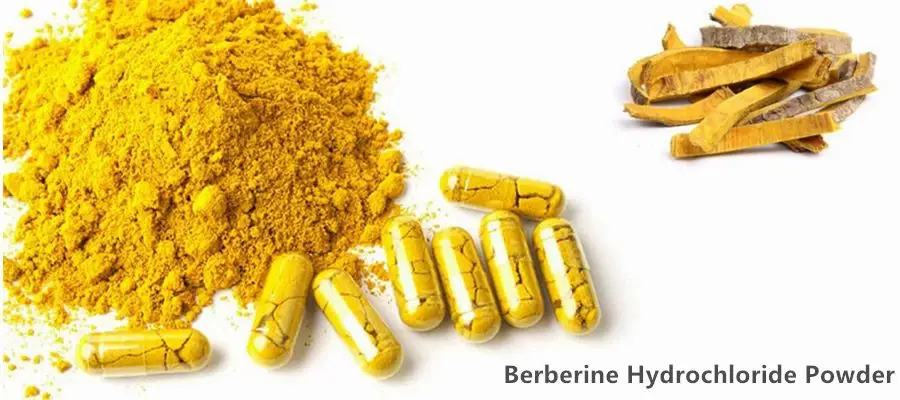
Understanding Berberine Hydrochloride Powder and Its Cardiovascular Benefits
Berberine speaks to a quaternary ammonium salt inferred from different plant species counting Berberis vulgaris, Hydrastis canadensis, and Coptis chinensis. The hydrochloride form offers improved steadiness and bioavailability compared to other berberine salts, making it especially reasonable for pharmaceutical and nutraceutical applications requiring steady strength and shelf-life performance.
Chemical Properties and Bioactivity
The atomic structure of berberine hydrochloride (C20H18ClNO4) gives great water solvency, while keeping up the bioactive properties fundamental for cardiovascular benefits. This yellow crystalline powder shows surprising solidness beneath controlled capacity conditions, with our 97% immaculateness review assembly pharmaceutical guidelines for dynamic fixing applications. The compound's standardized composition guarantees reproducibility in clinical applications and fabrication processes.
Cellular Mechanisms of Action
Research illustrates that berberine activates AMP-activated protein kinase, frequently alluded to as the body's "metabolic ace switch." This enactment triggers a cascade of useful impacts, counting moved forward glucose uptake, improved fatty acid oxidation, and decreased cholesterol levels. The compound also balances key chemicals included in the lipid digestion system, contributing to its cardioprotective properties through different pathways.
Clinical Evidence and Validation
Numerous randomized controlled trials have established berberine's efficacy in cardiovascular health applications for Berberine Hydrochloride Powder. Meta-analyses including over 2,000 members illustrate noteworthy advancements in lipid profiles, with decreases in total cholesterol, LDL cholesterol, and triglycerides. These discoveries give pharmaceutical producers strong logical support for product development and regulatory approvals in major worldwide markets.
Key Cardiovascular Benefits of Berberine Hydrochloride Powder
The cardiovascular benefits of berberine hydrochloride extend across multiple risk factors, making it an attractive ingredient for comprehensive heart health formulations. Clinical research has consistently demonstrated its effectiveness in addressing the primary contributors to cardiovascular disease, including dyslipidemia, insulin resistance, and chronic inflammation.
Cholesterol and Lipid Management
Berberine shows exceptional adequacy in overseeing blood lipid levels through inhibition of PCSK9, a protein that corrupts LDL receptors. This component increments the liver's capacity to clear LDL cholesterol from the circulatory system, resulting in decreases comparable to a few statin solutions. Clinical studies report normal LDL cholesterol decreases of 20-25% with concurrent increments in advantageous HDL cholesterol levels.
The compound's effect on the triglyceride digestion system demonstrates similarly critical, with things appearing normal decreases of 16-18% in serum triglyceride levels. This comprehensive lipid-modulating impact positions berberine as a profitable solution for producers creating multi-target cardiovascular wellbeing items that address the total lipid profile rather than confined parameters.
Blood Sugar and Metabolic Support
Cardiovascular wellbeing remains closely connected to metabolic work, especially glucose regulation and sensitivity. Berberine upgrades glucose uptake in muscle cells, while decreasing hepatic glucose generation, making a double component that underpins sound blood sugar levels. This metabolic bolster gives roundabout cardiovascular security by lessening the inflammatory stress related to glucose fluctuations.
Anti-inflammatory and Antioxidant Properties
Chronic aggravation contributes altogether to cardiovascular illness movement, making berberine's anti-inflammatory properties especially important. The compound decreases pro-inflammatory cytokines counting TNF-α and IL-6, while improving antioxidant protein action. These defensive impacts offer assistance in keeping up vascular health and decreasing the chance of atherosclerotic plaque formation.
Dosage, Safety, and Potential Side Effects: What Buyers Should Know
Establishing appropriate dosage guidelines and understanding safety profiles remains crucial for manufacturers developing berberine-based cardiovascular products. Clinical research provides clear guidance on effective dosing ranges while identifying potential interactions and contraindications that inform product labeling and consumer education materials.
Evidence-Based Dosage Recommendations
Clinical studies regularly utilize berberine measurements extending from 900-1,500 mg day by day, divided into two or three doses to optimize assimilation and minimize gastrointestinal side effects. The most commonly examined convention includes 500 mg taken three times a day with meals, giving supported plasma levels that maximize cardiovascular benefits, while maintaining amazing tolerability profiles.
Bioavailability considerations for Berberine Hydrochloride Powder influence dosing strategies, as berberine demonstrates relatively low oral absorption rates of approximately 0.5-5%. In any case, the compound's expanded home time in tissues compensates for restricted systemic introduction, permitting for compelling restorative results at set up measurements ranges. Producers ought to consider these pharmacokinetic properties when creating sustained-release formulations or combination products.
Safety Profile and Contraindications
Berberine illustrates an amazing security profile in sound grown-ups, with unfavorable occasions regularly constrained to mild gastrointestinal side effects counting queasiness, loose bowels, or stomach distress. These impacts more often than not resolve within the first few weeks of supplementation as stomach-related adjustment happens. Genuinely unfavorable occasions stay amazingly uncommon in clinical studies, including thousands of participants.
Potential medicate intelligent require thought, especially with medicines metabolized by cytochrome P450 enzymes. Berberine may improve the impacts of blood glucose-lowering solutions and anticoagulants, requiring suitable item labeling and healthcare provider interview suggestions for customers taking medication.
Comparing Berberine Hydrochloride Powder with Other Cardiovascular Supplements
Understanding the competitive landscape helps procurement professionals make informed decisions about ingredient selection and product positioning. Berberine hydrochloride offers distinct advantages over alternative forms and competing compounds, particularly regarding stability, bioavailability, and manufacturing versatility.
Berberine Salt Comparison
Among available berberine salts, the hydrochloride form provides superior stability and solubility characteristics essential for pharmaceutical applications. Berberine sulfate, while chemically similar, exhibits lower water solubility and reduced shelf-life stability under ambient conditions. Our pharmaceutical-grade berberine hydrochloride maintains potency specifications throughout extended storage periods, reducing manufacturing waste and ensuring consistent product quality.
Natural vs. Synthetic Alternatives
Plant-derived berberine offers advantages over synthetic cardiovascular compounds, including a broader mechanism of action and improved consumer acceptance. Unlike single-target pharmaceutical agents, berberine addresses multiple cardiovascular risk factors simultaneously, providing comprehensive benefits that appeal to health-conscious consumers seeking natural solutions backed by clinical research.
Formulation Flexibility
Powder form berberine provides maximum formulation flexibility for manufacturers developing diverse product formats. The fine, uniform particle size enables direct compression tabletting, encapsulation, or incorporation into functional food applications. This versatility contrasts with pre-encapsulated ingredients that limit manufacturing options and increase production costs.
Procurement Guide: Sourcing Berberine Hydrochloride Powder for Cardiovascular Products
Strategic procurement of berberine hydrochloride requires a comprehensive evaluation of supplier capabilities, quality systems, and regulatory compliance. The following considerations ensure reliable sourcing of pharmaceutical-grade ingredients that meet stringent manufacturing requirements and regulatory expectations.
Supplier Qualification Criteria
Quality suppliers for Berberine Hydrochloride Powder maintain multiple certifications, including ISO 9001, HACCP, and GMP compliance, demonstratinga commitment to pharmaceutical-grade manufacturing standards. Third-party explanatory testing from authorized research facilities approves item determinations counting virtue, overwhelming metals, microbiological defilement, and leftover solvents. Providers ought to give comprehensive certificates of examination with each shipment, guaranteeing lot-to-lot consistency and traceability.
Manufacturing capacity and versatility considerations ended up critical for developing businesses requiring solid supply chains. Avans NutriHealth keeps up yearly production capacity surpassing 1,000 tons, guaranteeing satisfactory stock to bolster large-scale manufacturing needs. Our devoted R&D group gives specialized support for custom definition advancement and administrative documentation assistance.
Pricing and Market Dynamics
Berberine hydrochloride estimating reflects virtue grades, arranged volumes, and provider quality benchmarks. Pharmaceutical-grade 97% immaculateness commands a premium price compared to lower-grade choices, but the speculation guarantees item adequacy and administrative compliance. Bulk acquiring understandings have taken a toll on preferences, whereas securing need allotment amid periods of high demand.
Quality Assurance and Documentation
Comprehensive quality documentation supports regulatory submissions and customer audits. Essential documentation includes manufacturing flow charts, stability data, analytical method validation, and comprehensive impurity profiles. Suppliers should maintain complete batch records and provide technical data sheets detailing physical, chemical, and microbiological specifications.
Conclusion
Berberine hydrochloride powder represents a scientifically validated solution for cardiovascular wellness, offering multiple mechanisms of action that address key risk factors, including cholesterol management, blood sugar regulation, and inflammation reduction. The compound's excellent safety profile and pharmaceutical-grade specifications make it an ideal ingredient for manufacturers developing evidence-based cardiovascular health products. Strategic procurement from certified suppliers ensures product quality, regulatory compliance, and market success in the growing natural health sector. Avans NutriHealth's comprehensive certifications, technical expertise, and manufacturing capacity provide the foundation for successful cardiovascular product development partnerships.
FAQ
Q: Is Berberine Hydrochloride Powder safe for long-term cardiovascular use?
A: Clinical studies demonstrate excellent long-term safety profiles for berberine hydrochloride in cardiovascular applications. However, consumers should consult healthcare providers before beginning supplementation, particularly when taking prescription medications that may interact with berberine's metabolic effects.
Q: How does Berberine Hydrochloride Powder compare to prescription cardiovascular drugs?
A: Berberine offers complementary cardiovascular benefits with fewer side effects than many prescription medications. While not intended to replace prescribed treatments, berberine provides valuable support for cholesterol management and metabolic health as part of comprehensive cardiovascular wellness programs.
Q: What certifications should buyers look for when selecting Berberine Hydrochloride Powder suppliers?
A: Priority certifications include GMP compliance, ISO quality management systems, and third-party analytical testing verification. Additional certifications, such as HALAL, KOSHER, and organic designation,s may be required depending on target market requirements and consumer preferences.
Partner with Avans for Premium Berberine Hydrochloride Powder Solutions
Avans NutriHealth stands ready to support your cardiovascular product development with pharmaceutical-grade berberine hydrochloride powder featuring 97% purity and comprehensive certification. Our ISO, USDA, HACCP, FSSC22000, and HALAL certifications ensure global market compliance while our experienced technical team provides formulation support and regulatory guidance. As a leading berberine hydrochloride powder manufacturer, we offer competitive pricing for bulk orders and maintain consistent stock availability to meet your production schedules. Connect with our procurement specialists to discuss custom specifications, sampling programs, and partnership opportunities that advance your cardiovascular health product portfolio. Contact us at Lillian@avansnutri.com to explore how our premium ingredients can enhance your market position.
References
1. Zhang, Y., Li, X., Zou, D., et al. (2008). Treatment of type 2 diabetes and dyslipidemia with the natural plant alkaloid berberine. Journal of Clinical Endocrinology & Metabolism, 93(7), 2559-2565.
2. Kong, W., Wei, J., Abidi, P., et al. (2004). Berberine is a novel cholesterol-lowering drug working through a unique mechanism distinct from statins. Nature Medicine, 10(12), 1344-1351.
3. Dong, H., Wang, N., Zhao, L., Lu, F. (2012). Berberine in the treatment of type 2 diabetes mellitus: a systematic review and meta-analysis. Evidence-Based Complementary and Alternative Medicine, 2012, 591654.
4. Lan, J., Zhao, Y., Dong, F., et al. (2015). Meta-analysis of the effect and safety of berberine in the treatment of type 2 diabetes mellitus, hyperlipemia, and hypertension. Journal of Ethnopharmacology, 161, 69-81.
5. Kumar, A., Ekavali, Chopra, K., et al. (2015). Current knowledge and pharmacological profile of berberine: An update. European Journal of Pharmacology, 761, 288-297.
6. Cicero, A.F., Tartagni, E., Ertek, S. (2012). Nutraceuticals for metabolic syndrome management: from laboratory to benchside. Current Pharmaceutical Design, 18(1), 85-96.